
Bissell Carpet Cleaner Leaking Water: Essential Fixes

Stop your Bissell carpet cleaner from leaking water with these easy fixes. Learn common causes like clogs, damaged hoses, or seal issues. Follow step-by-step guides to identify and repair leaks, ensuring your machine works perfectly again.
When your Bissell carpet cleaner starts leaking water, it can be a real headache. It makes the cleaning process messy and less effective. But don’t worry! Most leaks are fixable with a little know-how. This guide will help you find the cause of the leak and show you how to solve it. We’ll cover common problems and simple solutions so you can get back to a clean home.
Why is My Bissell Carpet Cleaner Leaking Water?
A leaking Bissell carpet cleaner often happens because something is blocked, broken, or not sealed properly. These machines use water and cleaning solution to lift stains. If a part meant to hold water is damaged or a path for water is blocked, it can escape. Understanding these common issues helps you pinpoint the problem quickly.
Common Causes of Bissell Carpet Cleaner Leaks
Several things can cause your Bissell carpet cleaner to leak. Most are simple to fix with a bit of troubleshooting. We’ll look at the most frequent culprits to help you get your machine back in working order.
Clogged Nozzles or Hoses
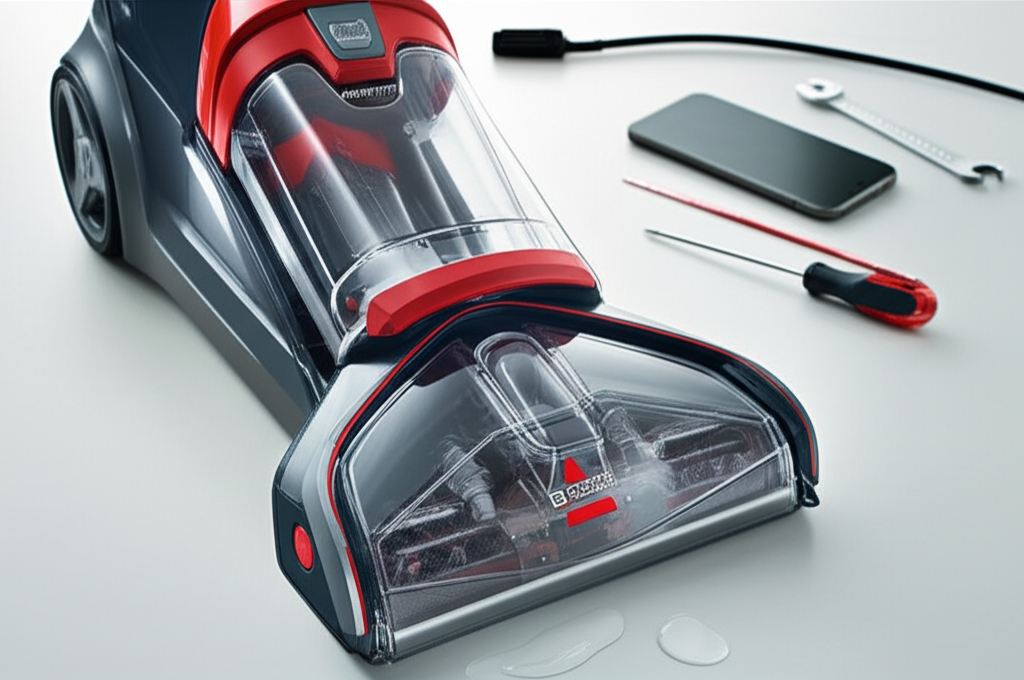
Sometimes, dirt, hair, or cleaning solution residue can build up. This blockage can prevent water from flowing correctly. It might force water out of unintended places.
Damaged Tanks or Seals
The water tanks and seals are crucial for holding water. If a tank has a crack or a seal is worn out, water will definitely escape. These parts need to be in good condition to work right.
Worn-Out Gaskets or O-Rings
Gaskets and O-rings create a watertight seal between different parts. Over time, these can become brittle or get damaged. This allows water to seep through where it shouldn’t.
Overfilling the Water Tank
Putting too much water or cleaning solution in the tank can cause overflow. The machine has fill lines for a reason. Going over these can lead to leaks.
Machine Used at an Angle
Using the carpet cleaner at a sharp angle can sometimes cause water to spill from the tank or internal components. Keeping the machine upright is important during operation.
How to Find the Source of the Leak
Finding where the leak is coming from is the first step to fixing it. You need to observe the machine carefully. Look for drips and wet spots when it’s in use and when it’s off.
Inspect the Water Tanks
Check both the clean and dirty water tanks. Look for any cracks, holes, or warping. Make sure the tanks are seated correctly in their compartments.
Examine the Hoses and Connections
Follow the path of the water. Check all hoses for any signs of damage like cuts or splits. Ensure all connections are secure and not loose.
Look at the Nozzle and Brush Area
The nozzle is where the water sprays out. Debris can get stuck here. Also, check the area where the brush rolls. Leaks can happen if this area isn’t sealed well.
Check the Machine’s Base
Sometimes, leaks appear at the bottom of the machine. This could indicate a problem with internal hoses or seals. Place paper towels underneath to help track the drip.
Step-by-Step Fixes for Common Leaks
Once you know where the leak is, you can try these fixes. Many problems are simple to resolve with basic tools and a little patience. Always unplug your machine before attempting any repairs.
Fixing a Cracked Water Tank
If a tank is cracked, you might be able to repair it. For small cracks, some waterproof sealants or epoxy designed for plastics can work. Clean the area thoroughly before applying. Let it dry completely before refilling.
Replacing Worn-Out Gaskets and Seals
Gaskets and O-rings are replaceable parts. You can usually buy replacements from the Bissell website or a local appliance parts store. Carefully remove the old ones and install the new ones. Ensure they fit snugly.
Clearing Blocked Hoses and Nozzles
Use a thin, flexible tool like a coat hanger wire or a pipe cleaner to gently dislodge blockages. You can also try flushing the system with hot water. For stubborn clogs, you might need to detach the hose.
Securing Loose Connections
If you find a loose connection, simply push it back into place. Make sure it clicks or snaps securely. Some connections might have clamps that need tightening.
Troubleshooting Overfilling Issues
Always pay attention to the fill lines on the tanks. Do not go past the “Max Fill” line. If you accidentally overfill, carefully drain the excess liquid before using the machine.
When to Call for Professional Help
While many Bissell carpet cleaner leaks are DIY fixes, some issues are more complex. If you’ve tried the common fixes and the leak persists, it might be time for expert help. Internal component damage or electrical issues require professional attention.
Internal Component Damage
If you suspect a leak from inside the motor or pump system, it’s best to stop using the machine. These parts are delicate and require specialized knowledge to repair. Contacting Bissell support is a good next step.
Persistent Leaks After Basic Repairs
If you’ve replaced seals, cleared clogs, and checked tanks, but the leak continues, there might be a deeper problem. It could be a hairline crack you missed or a more serious internal issue.
Safety Concerns
If you see any sparks, smell burning, or notice water near electrical components, unplug the machine immediately. These are serious safety hazards. Do not attempt to fix these yourself.
Maintenance Tips to Prevent Future Leaks
Regular maintenance is key to keeping your Bissell carpet cleaner in top shape. It helps prevent leaks and ensures your machine works efficiently for longer. Cleaning your machine after each use is vital.
Clean Tanks Regularly
Wash the clean and dirty water tanks after every use. This prevents residue buildup that can cause clogs. Make sure they are dry before storing.
Check Hoses and Filters
Periodically inspect all hoses for wear and tear. Clean or replace filters as recommended in your manual. This ensures optimal water flow.
Store Properly
Store your carpet cleaner in a dry place. Ensure all parts are properly assembled and secured. This prevents damage and keeps components aligned.
Understanding Your Bissell Carpet Cleaner Model
Different Bissell carpet cleaner models have unique designs. Knowing your specific model can help you find precise repair guides. Always refer to your owner’s manual for model-specific information.
Model-Specific Parts
Parts like tanks, hoses, and seals can vary between models. Identifying your exact model number helps ensure you order the correct replacement parts. You can usually find this on a label on the machine’s base.
Owner’s Manual is Your Friend
Your owner’s manual contains diagrams and instructions specific to your machine. It’s an invaluable resource for troubleshooting and maintenance. If you’ve lost yours, you can often download a PDF from the Bissell website.
Frequently Asked Questions About Leaking Bissell Carpet Cleaners
Here are answers to common questions about Bissell carpet cleaner leaks.
Why is my Bissell carpet cleaner leaking from the bottom?
Leaks from the bottom often indicate an issue with internal hoses, seals, or the pump. Check for any visible cracks or loose connections on the machine’s underside.
Can I use my Bissell carpet cleaner if it’s leaking a little?
It’s generally not recommended to use a leaking carpet cleaner. Even a small leak can worsen over time and potentially damage the machine or your floors. It also makes cleaning less effective.
How do I clean the nozzle on my Bissell carpet cleaner?
To clean the nozzle, first unplug the machine. You can often remove the nozzle plate or brush cover. Use a soft brush or cloth to remove any debris. For tougher clogs, a gentle tool might be needed.
What kind of water should I use in my Bissell carpet cleaner?
Always use clean, cool tap water unless your manual specifies otherwise. Some models may recommend distilled water in hard water areas to prevent mineral buildup. Never use hot water unless explicitly stated in the manual.
How often should I replace parts like hoses or seals?
Hoses and seals don’t have a fixed replacement schedule. You should replace them when they show signs of wear, like cracks, brittleness, or leaks. Regular inspection is key.
Conclusion: Get Your Bissell Back to Cleaning
A leaking Bissell carpet cleaner is frustrating, but usually fixable. By understanding the common causes and following these step-by-step fixes, you can often resolve the issue yourself. Always prioritize safety, refer to your owner’s manual, and perform regular maintenance. This will help prevent future leaks and keep your machine working efficiently. With a little care, your Bissell will be ready to tackle those carpet stains again.
