
Are Germ Guardian Air Purifiers Good? Essential Guide

Germ Guardian air purifiers are a popular choice for improving indoor air quality, offering a range of models designed to tackle common pollutants. This guide will help you determine if they are a good fit for your needs by examining their features, performance, and value.
It’s a common frustration: sneezing fits, stuffy noses, and that lingering feeling that your home’s air isn’t as clean as it should be. Dust, pet dander, allergens, and even odors can make breathing indoors uncomfortable. You’re looking for a solution, and air purifiers are often recommended. But with so many brands, how do you know which one to trust? This guide dives deep into Germ Guardian air purifiers to help you make an informed decision. We’ll explore their effectiveness, features, and what real users are saying, so you can breathe easier.
Are Germ Guardian Air Purifiers Good for Your Home?
Germ Guardian air purifiers are generally considered a good option for many households, especially for those seeking affordable and effective solutions for common air quality issues like dust, pet dander, and allergens. Their models often incorporate multiple filtration stages, including HEPA filters, to capture a significant percentage of airborne particles. While they might not match the performance or advanced features of some premium brands, their balance of price and functionality makes them a worthwhile consideration.
Understanding Germ Guardian’s Core Technology
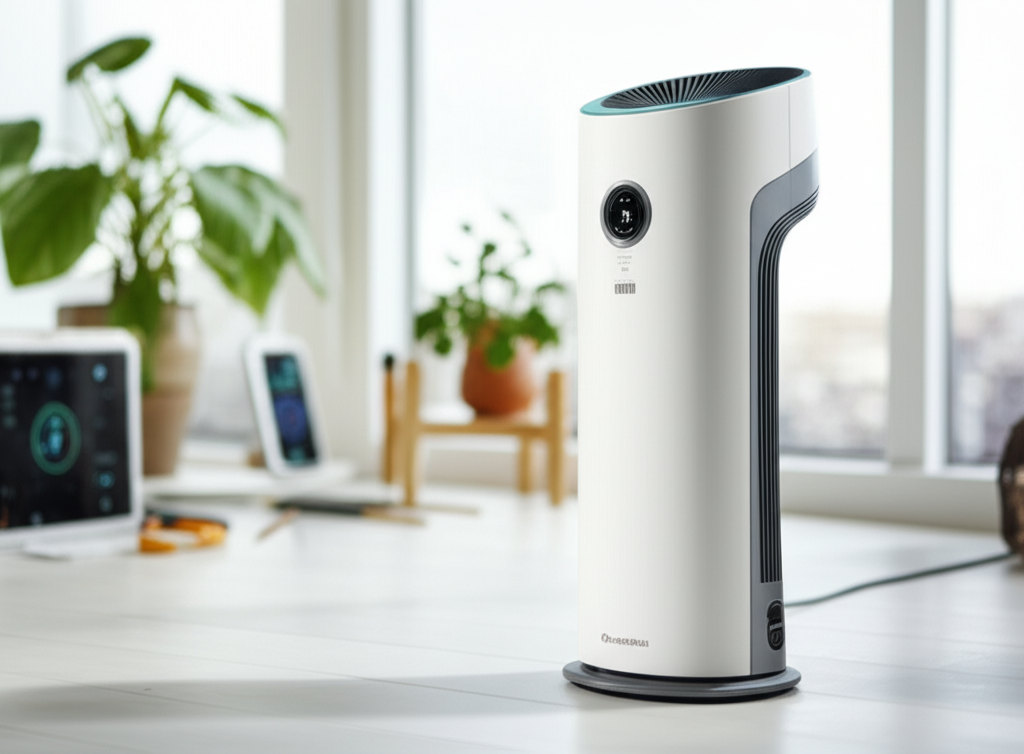
Germ Guardian leverages a multi-stage filtration system in most of its air purifiers. This typically includes a pre-filter to catch larger particles like hair, an activated carbon filter to absorb odors and VOCs (Volatile Organic Compounds), and a True HEPA filter designed to capture 99.97% of airborne pollutants as small as 0.3 microns. Some models also feature UV-C light technology, which aims to neutralize airborne bacteria and viruses. This layered approach is designed to tackle a broad spectrum of indoor air contaminants.
The effectiveness of these filtration stages is crucial for improving indoor air quality. The pre-filter extends the life of the HEPA filter by trapping larger debris, while the activated carbon filter tackles unpleasant smells. The True HEPA filter is the workhorse, capturing microscopic allergens and irritants. Understanding how each component works together provides insight into the overall purification process.
Performance Metrics: What Do the Numbers Say?
When evaluating any air purifier, performance metrics are key. Germ Guardian air purifiers often boast impressive particle reduction claims, particularly due to their inclusion of True HEPA filters. Independent tests and user reviews frequently highlight their ability to significantly reduce common allergens like pollen and dust mites. The Clean Air Delivery Rate (CADR) is another important metric, indicating how quickly an air purifier can clean a room of smoke, dust, and pollen. While specific CADR ratings vary by model, many Germ Guardian units perform well within their intended room sizes.
It’s important to match the air purifier’s CADR to your room’s square footage for optimal performance. A unit with a higher CADR will clean a larger space more effectively and faster. Checking the CADR ratings on the product specifications can help you select the right model for your specific needs.
Key Features to Look For in Germ Guardian Models
Germ Guardian offers a diverse range of models, each with unique features. Common features include multiple fan speeds, allowing you to adjust the purification intensity. Many models come equipped with timers for automatic shut-off, energy-saving modes, and filter replacement indicators, which are incredibly convenient. Some higher-end models may also include smart features like Wi-Fi connectivity for app control, allowing you to monitor air quality and adjust settings remotely. The inclusion of UV-C light sterilization is another feature found in select Germ Guardian units, aimed at further reducing airborne pathogens.
Consider your specific needs when evaluating these features. If you have pets, a model with a robust activated carbon filter is essential for odor control. For allergy sufferers, a strong HEPA filter and a high CADR are paramount. Smart features can add convenience, but they might also increase the cost.
Germ Guardian vs. Competitors: A Comparative Look
In the crowded air purifier market, Germ Guardian often positions itself as a budget-friendly yet effective option. Compared to premium brands like Dyson or Blueair, Germ Guardian models typically come at a lower price point. While these higher-end brands might offer more advanced sensor technology, sleeker designs, or quieter operation, Germ Guardian provides solid core functionality. Brands like Coway and Levoit also offer similar value propositions, often competing directly with Germ Guardian in terms of features and price.
When comparing, pay attention to the specific filtration technology and CADR ratings. A Germ Guardian unit with a True HEPA filter and a decent CADR can often outperform a cheaper unit from another brand that uses a less effective filtration system. Researching side-by-side comparisons for specific models you are considering is highly recommended.
User Reviews and Real-World Experiences
User feedback is invaluable when assessing the practical performance of any product. Online reviews for Germ Guardian air purifiers are generally positive, with many users praising their effectiveness in reducing allergens, dust, and odors. Common themes in positive reviews include noticeable improvements in air quality, relief from allergy symptoms, and the quiet operation of many models on lower settings. Users also appreciate the straightforward setup and the helpful filter replacement indicators.
However, some users have noted that certain models can be a bit noisy on their highest settings. Others suggest that while the UV-C light feature is present, its actual impact on germ reduction in a typical home environment is difficult to quantify. Filter replacement costs are also a factor to consider, as they are an ongoing expense for any air purifier.
Germ Guardian Air Purifier Models: A Quick Overview
Germ Guardian offers several popular models, each catering to different room sizes and feature preferences. The GermGuardian AC4825 is a highly-rated, compact unit suitable for smaller rooms, featuring a True HEPA filter, activated carbon filter, and UV-C light. For medium-sized spaces, the GermGuardian AC5250PT offers a larger coverage area and enhanced pet allergen filtration. Larger rooms might benefit from models like the GermGuardian AC5600 or AC9200WCA, which boast higher CADR ratings and more advanced features, including smart connectivity in some instances.
Each model is designed with specific room sizes in mind, so it’s crucial to check the manufacturer’s recommendations. Using an air purifier in a space larger than it’s designed for will significantly reduce its effectiveness. Always refer to the product specifications for recommended room coverage.
Maintenance and Filter Replacement: What to Expect
Proper maintenance is key to ensuring your Germ Guardian air purifier operates at peak efficiency. This primarily involves regular cleaning of the pre-filter and timely replacement of the HEPA and activated carbon filters. The pre-filter, often a washable mesh, should be cleaned every few weeks to remove larger dust and hair particles. The HEPA and carbon filters are typically designed for replacement every 6 to 12 months, depending on usage and air quality. Many Germ Guardian units feature indicator lights that alert you when it’s time for a filter change, simplifying the process.
Ignoring filter replacements will significantly diminish the purifier’s ability to capture pollutants and can even lead to reduced airflow. Purchasing genuine Germ Guardian replacement filters is recommended to ensure compatibility and optimal performance.
Are Germ Guardian Air Purifiers Worth the Investment?
Considering their price point and feature set, Germ Guardian air purifiers often represent a good investment for individuals and families looking to improve their indoor air quality without breaking the bank. They effectively address common concerns like allergens, dust, and odors for typical household environments. While they may not possess all the bells and whistles of high-end competitors, their core functionality is sound, and user reviews frequently attest to their effectiveness.
The value proposition of Germ Guardian lies in its accessibility. They make the benefits of air purification available to a wider audience. If you are on a budget and need a reliable air purifier for a standard room size, Germ Guardian is a strong contender.
Frequently Asked Questions About Germ Guardian Air Purifiers
Q1: How often should I replace the filters in my Germ Guardian air purifier?
A: Typically, HEPA and activated carbon filters need to be replaced every 6 to 12 months, depending on your usage and the air quality in your home. Always check your specific model’s manual for exact recommendations.
Q2: Can Germ Guardian air purifiers really eliminate odors?
A: Yes, the activated carbon filter in Germ Guardian air purifiers is specifically designed to absorb and neutralize common household odors from pets, cooking, and smoke.
Q3: Are Germ Guardian air purifiers effective against allergens like dust and pollen?
A: Absolutely. The True HEPA filter is designed to capture 99.97% of airborne particles, including dust, pollen, pet dander, and mold spores, making them beneficial for allergy sufferers.
Q4: Is the UV-C light feature in Germ Guardian air purifiers effective?
A: The UV-C light is intended to help kill airborne bacteria and viruses. While it contributes to the purification process, its effectiveness in a typical home setting can be difficult to measure definitively.
Q5: Are Germ Guardian air purifiers noisy?
A: Most Germ Guardian air purifiers operate quietly on lower fan settings. Some users report that they can be noticeable on the highest settings, which is common for many air purifiers.
Q6: What room size is a Germ Guardian air purifier best suited for?
A: Each Germ Guardian model is designed for specific room sizes, indicated by its CADR rating. It’s important to choose a model that matches or slightly exceeds the square footage of the room you intend to use it in for optimal performance.
Conclusion: Are Germ Guardian Air Purifiers Good for You?
In conclusion, Germ Guardian air purifiers are a good choice for many consumers seeking an effective and affordable way to improve their indoor air quality. They offer robust multi-stage filtration, including True HEPA and activated carbon filters, which are essential for capturing allergens, dust, and odors. While they may not compete with the most advanced or feature-rich models on the market, their performance is generally well-regarded by users, especially considering their accessible price point. If you’re looking for a reliable air purifier to tackle common household air pollutants and are mindful of budget, then yes, Germ Guardian air purifiers are a good option to consider for your home.
