
Can Air Purifier Help With Dry Air? Essential Relief!

Yes, while air purifiers primarily clean the air, some models with humidifying functions can indeed help with dry air. For those experiencing discomfort from low humidity, understanding the nuances of air purification and humidification is key to finding essential relief.
The air in our homes can become surprisingly dry, especially during winter months when heating systems are running. This dryness can lead to uncomfortable symptoms like dry skin, irritated sinuses, and even static electricity. Many people wonder, “Can air purifier help with dry air?” While dedicated humidifiers are designed for this purpose, some air purifiers offer a dual solution, combining air purification with humidification. Let’s explore how these devices work and how they can bring much-needed relief to your dry indoor environment.
Understanding the Link Between Air Quality and Humidity
Indoor air quality is a multifaceted issue, and humidity plays a significant role in how we perceive and experience the air around us. Low humidity, often caused by heating or cooling systems, can strip moisture from the air, leading to a cascade of discomforts. Understanding this connection is the first step in finding effective solutions for a more comfortable home.
What is Humidity and Why Does it Matter?
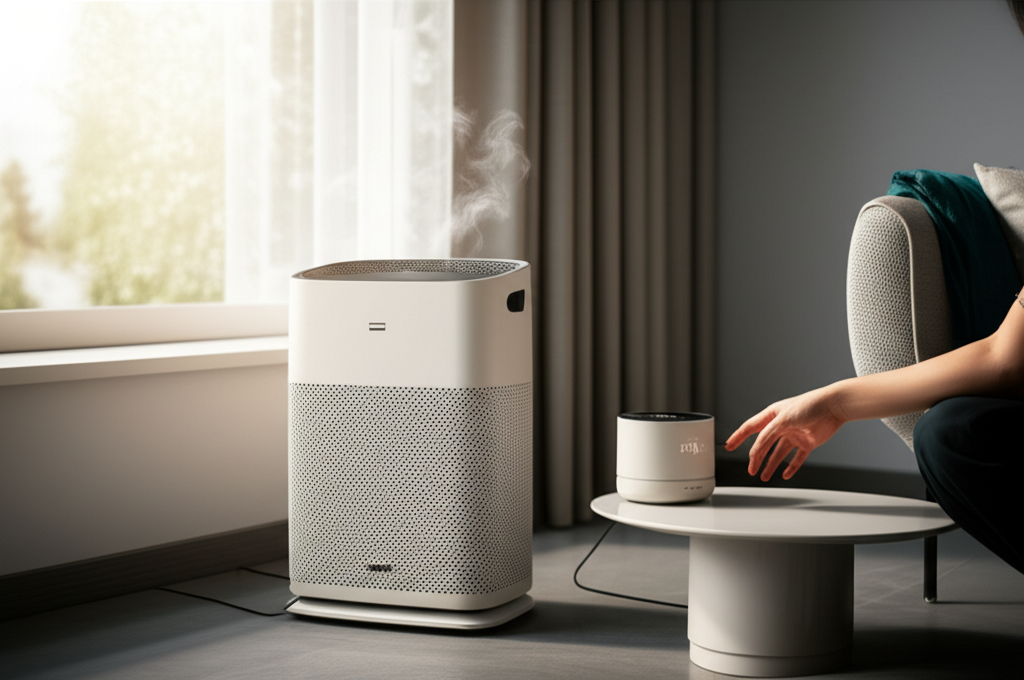
Humidity refers to the amount of water vapor present in the air. The ideal relative humidity level for indoor spaces typically falls between 40% and 60%. When humidity drops significantly below this range, the air becomes dry, impacting our health and comfort.
Common Symptoms of Dry Air
Dry air can manifest in several unpleasant ways. You might notice your skin feeling tight and itchy, your throat feeling scratchy, or your eyes becoming dry and irritated. Nasal passages can also dry out, making you more susceptible to colds and infections.
The Role of HVAC Systems in Air Dryness
Heating and cooling systems, while essential for comfort, often contribute to dry indoor air. Furnaces and air conditioners tend to remove moisture from the air as they operate, inadvertently lowering humidity levels. This is a common reason why homes feel particularly dry during extreme weather seasons.
Can Air Purifier Help With Dry Air? The Dual Functionality Explained
The question, “Can air purifier help with dry air?” often arises because many modern air purifiers are designed with advanced features. While their primary function is to remove airborne pollutants, some innovative models incorporate humidifying capabilities. This dual-action approach offers a comprehensive solution for improving your indoor environment.
How Air Purifiers Work
Traditional air purifiers use filters, such as HEPA and activated carbon, to trap particles like dust, pollen, pet dander, and volatile organic compounds (VOCs). These filters work by forcing air through a fine mesh, capturing pollutants and releasing cleaner air back into the room. They are excellent for improving air cleanliness but do not directly address humidity levels.
Humidifying Air Purifiers: A Hybrid Solution
A growing number of air purifiers are now designed with an integrated humidifier. These devices typically have a water tank and a mechanism that releases moisture into the air. This allows them to purify the air while simultaneously increasing humidity, tackling two common indoor air quality concerns in one unit.
Benefits of a Combined Unit
Opting for a combined air purifier and humidifier offers convenience and space-saving benefits. Instead of managing two separate appliances, you can enjoy cleaner, more comfortably humidified air from a single device. This can be particularly appealing for smaller living spaces or those seeking a streamlined approach to air quality management.
Choosing the Right Air Purifier for Dry Air Relief
When selecting an air purifier to combat dry air, it’s crucial to look for specific features. Not all air purifiers are created equal, and understanding what to look for will ensure you make an informed decision that provides the relief you need.
Key Features to Look For
Prioritize air purifiers that explicitly state they have a humidifying function. Look for adjustable humidity settings, allowing you to control the moisture output. A built-in hygrometer, which measures humidity levels, is also a valuable feature for maintaining optimal conditions.
Understanding Different Humidification Technologies
There are several ways humidifiers add moisture to the air.
| Technology | Description | Pros | Cons |
| :————— | :————————————————————————- | :—————————————— | :————————————— |
| Evaporative | Uses a fan to blow air over a wet wick or filter, causing evaporation. | Energy-efficient, self-regulating. | Can be noisy, wick needs regular replacement. |
| Ultrasonic | Uses ultrasonic vibrations to create a cool mist from water. | Quiet operation, no filters to replace. | Can produce white dust if using hard water. |
| Warm Mist | Boils water to create steam, releasing warm, moist air. | Can help kill bacteria, feels warmer. | Uses more energy, safety concern if tipped. |
Water Tank Capacity and Maintenance
Consider the water tank capacity of the unit. A larger tank will require less frequent refilling. Also, investigate the ease of cleaning the water tank and any components to prevent mold or bacteria growth, which is crucial for maintaining healthy air.
How to Effectively Use Your Air Purifier for Dry Air
Once you have your air purifier with humidifying capabilities, proper usage is key to maximizing its benefits for dry air relief. Simple adjustments and regular maintenance can make a significant difference in your home’s comfort.
Setting the Right Humidity Level
Use the hygrometer or a separate hygrometer to monitor your home’s humidity. Aim to keep it between 40% and 60%. Most humidifying air purifiers allow you to set a target humidity level, and the unit will automatically adjust its output.
Placement for Optimal Performance
Place the unit in the room where you spend the most time, such as a bedroom or living room. Avoid placing it directly near electronics or furniture that could be damaged by moisture. Ensure good airflow around the unit for efficient operation.
Regular Cleaning and Refilling
Regularly clean the water tank and any humidifying components according to the manufacturer’s instructions. This prevents the buildup of mineral deposits and potential bacterial growth. Refill the tank with clean, preferably distilled or demineralized water, to maintain optimal performance and air quality.
Addressing Common Concerns and FAQs
It’s natural to have questions when introducing new appliances into your home. Here are some frequently asked questions about using air purifiers for dry air relief.
Frequently Asked Questions
Q1: Will an air purifier alone make my air more humid?
A1: Generally, no. Standard air purifiers focus on cleaning the air. Only air purifiers with an integrated humidifier function can add moisture to the air.
Q2: How often do I need to refill the water tank?
A2: This depends on the tank size and the humidity setting. On average, you might need to refill it every 1-3 days, but check your unit’s specifications.
Q3: Can I use tap water in my air purifier’s humidifier?
A3: It’s best to use distilled or demineralized water. Tap water can leave behind mineral dust, which can be released into the air and may require more frequent cleaning of the unit.
Q4: How do I know if my air purifier has a humidifier?
A4: Check the product description or specifications. Look for terms like “humidifier,” “dual-action,” or a visible water tank.
Q5: Is it safe to run a humidifier all the time?
A5: It’s generally safe to run a humidifier when the air is dry, but monitor humidity levels. Consistently high humidity (above 60%) can promote mold and dust mite growth.
Q6: Can a humidifying air purifier help with allergies caused by dry air?
A6: Yes, by maintaining optimal humidity, it can soothe irritated airways and reduce the dryness that exacerbates allergy symptoms. The purification aspect also helps remove allergens.
When to Consider a Dedicated Humidifier
While hybrid units are convenient, there are instances where a standalone humidifier might be a better choice for tackling dry air. Understanding these situations can help you make the most effective decision for your home’s specific needs.
Larger Spaces or Severe Dryness
For very large rooms or homes experiencing extremely low humidity, a dedicated humidifier often offers a higher output capacity and more robust humidification capabilities than a combined unit. These devices are specifically engineered for maximum moisture release.
Specific Humidification Needs
Some individuals may have particular needs, such as requiring a specific type of humidifier technology or needing to humidify multiple rooms independently. In such cases, separate units provide greater flexibility and control over the environment in each space.
Budget and Feature Prioritization
If your primary concern is air purification and you only need mild humidification, a combined unit might suffice. However, if superior humidification is your main goal, investing in a high-capacity dedicated humidifier could be more cost-effective in the long run.
Conclusion: Bringing Comfort Back to Your Home
So, can air purifier help with dry air? The answer is a resounding yes, provided you choose a model with integrated humidifying features. By combining air purification with essential moisture, these devices offer a comprehensive solution for creating a healthier and more comfortable indoor environment. I’ve found that managing indoor humidity alongside air purity has significantly improved my own living space, reducing that irritating dry throat and flaky skin I used to experience.
Investing in a quality humidifying air purifier is a proactive step towards alleviating the discomforts of dry air. It’s about more than just breathing cleaner air; it’s about ensuring that air is also at a comfortable, healthy moisture level. Explore the options available, consider your specific needs, and take the step towards a more comfortable and healthier home today.
