Can Air Purifier Help With Colds: Proven Relief

Yes, an air purifier can help alleviate cold symptoms by removing airborne irritants and pathogens, potentially speeding up recovery and improving comfort.
As the sniffles and coughs of cold season arrive, many of us seek ways to find relief and speed up recovery. You might be wondering, “Can air purifier help with colds?” It’s a common question, especially when you’re feeling miserable and looking for any way to breathe easier. This article will explore the science behind how air purifiers can support your body’s fight against the common cold, offering practical insights to help you feel better faster.
Understanding the Common Cold and Airborne Transmission
The common cold is a viral infection primarily affecting your nose and throat. Viruses like rhinoviruses spread through tiny droplets released into the air when an infected person coughs, sneezes, or talks. These microscopic particles can linger in the air, making it easy to inhale them and contract the virus.
How Air Purifiers Combat Airborne Illnesses
Air purifiers work by drawing in air, filtering out pollutants, and releasing cleaner air back into the room. By trapping airborne viruses, bacteria, and other irritants, they can reduce the concentration of these pathogens in your living space. This proactive approach can help prevent the spread of illness and create a healthier environment for recovery.
The Role of HEPA Filters in Capturing Cold Viruses
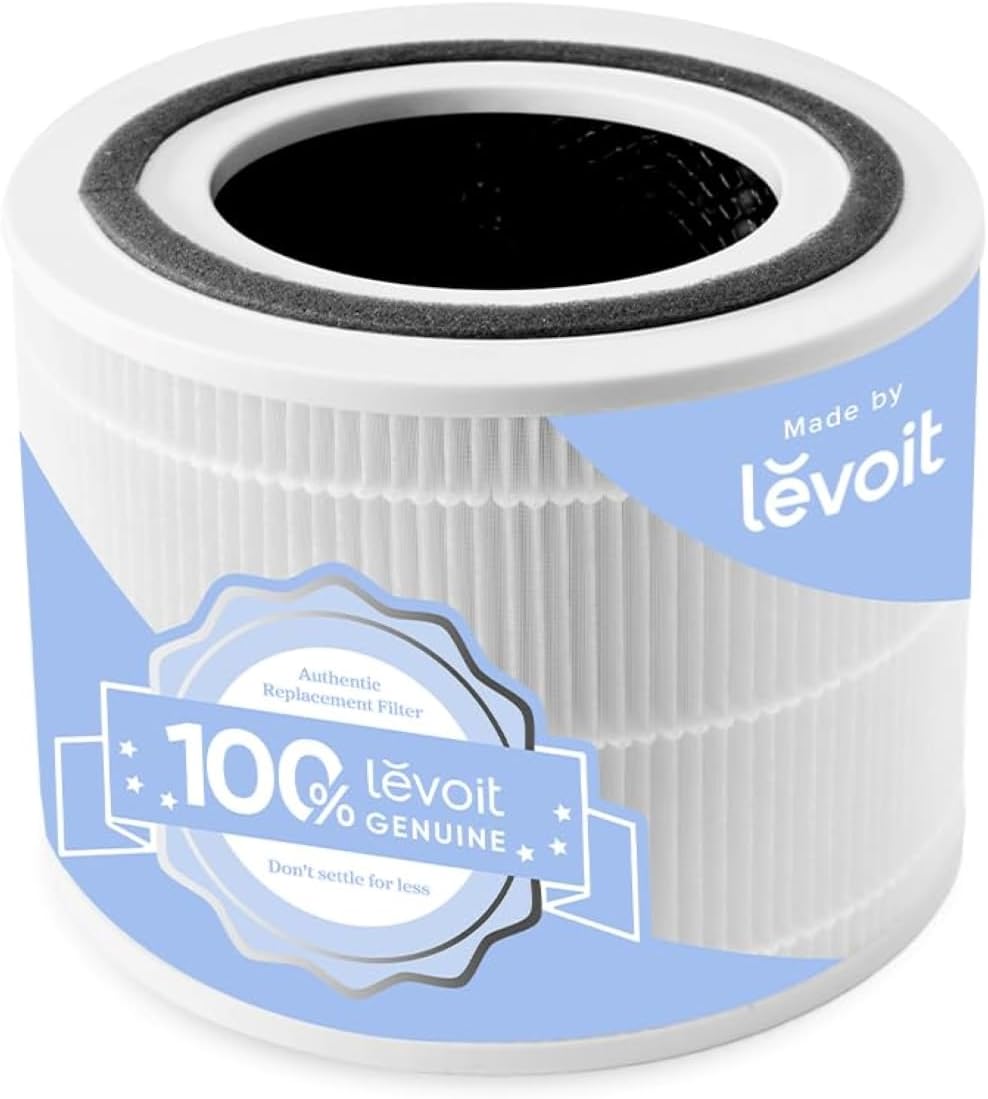
High-Efficiency Particulate Air (HEPA) filters are designed to capture at least 99.97% of airborne particles 0.3 microns in size. While cold viruses are smaller, they often travel attached to larger droplets or particles. HEPA filters are highly effective at trapping these larger carriers, significantly reducing the number of infectious particles in the air.
Activated Carbon Filters: Neutralizing Odors and VOCs
Beyond trapping particles, many air purifiers feature activated carbon filters. These filters are excellent at adsorbing gases, odors, and volatile organic compounds (VOCs) from the air. While not directly targeting viruses, removing these irritants can improve overall air quality, making it easier to breathe and potentially reducing secondary symptoms like headaches or throat irritation.
Can Air Purifier Help With Colds: Direct Symptom Relief
When you have a cold, your airways can become inflamed and sensitive. Pollutants like dust, pollen, and pet dander, even in small amounts, can exacerbate these symptoms, leading to increased congestion, coughing, and sneezing. An air purifier removes these triggers, offering a calmer respiratory environment.
Reducing Congestion and Easing Breathing

By removing airborne irritants that can worsen nasal inflammation, an air purifier can help reduce congestion. Cleaner air allows for easier passage of air through your nasal passages and lungs, providing much-needed relief when you’re struggling to breathe. This can be particularly helpful during the night, promoting more restful sleep.
Alleviating Coughing and Throat Irritation
Dry, irritated throats are a common cold symptom. Airborne particles and allergens can further aggravate this discomfort. An air purifier can help by removing these irritants, creating a more soothing environment for your throat and potentially reducing the frequency and severity of coughing fits.
Scientific Evidence Supporting Air Purifier Efficacy
Research suggests that air purification can play a role in reducing the transmission of airborne viruses. Studies have shown that HEPA filtration can effectively remove influenza viruses and other respiratory pathogens from the air. While more research specifically on common cold viruses and air purifiers is ongoing, the principles of airborne particle removal are well-established. For instance, a study published in the Journal of Infectious Diseases highlighted the potential of HEPA filtration in controlling airborne viral loads.
Choosing the Right Air Purifier for Cold Relief
When selecting an air purifier, consider its coverage area, filter type, and noise level. A unit with a True HEPA filter is essential for capturing small particles. For larger rooms or more severe symptoms, a unit with a higher CADR (Clean Air Delivery Rate) might be more effective. Look for models with multiple filtration stages for comprehensive air cleaning.
Key Features to Look For:
- True HEPA Filter: Essential for capturing 99.97% of particles 0.3 microns and larger.
- Activated Carbon Filter: Helps remove odors and VOCs, improving overall air quality.
- Appropriate Room Size Coverage: Ensure the purifier is rated for the square footage of the room you intend to use it in.
- Low Noise Level: Especially important for use in bedrooms during sleep.
- Energy Efficiency: Look for ENERGY STAR certified models.
Optimal Placement and Usage for Maximum Benefit
For the best results, place your air purifier in the room where you spend the most time, especially your bedroom. Ensure it has unobstructed airflow around it. Running the purifier continuously, particularly on a medium or high setting during periods of illness, can maximize its effectiveness in reducing airborne pathogens.
Air Purifiers vs. Other Cold Relief Methods
While air purifiers can offer significant relief by improving air quality, they are not a cure for the common cold. They work best in conjunction with other proven methods like rest, hydration, and over-the-counter remedies. Think of an air purifier as a supportive tool in your recovery arsenal, helping to create an optimal healing environment.
Complementary Cold Care Strategies:
- Hydration: Drinking plenty of fluids helps thin mucus and prevent dehydration.
- Rest: Allowing your body to focus energy on fighting the infection is crucial.
- Humidifier: Can soothe irritated airways and loosen congestion, working well alongside an air purifier.
- Nutritious Diet: Supporting your immune system with vitamins and minerals is vital.
Frequently Asked Questions
Can an air purifier kill cold viruses?
Air purifiers don’t kill viruses directly, but they capture them by filtering them out of the air, thus reducing their presence and potential for transmission.
Will an air purifier help a sore throat caused by a cold?
Yes, by removing irritants like dust and allergens from the air, an air purifier can create a more soothing environment for an inflamed throat, potentially easing discomfort and reducing coughing.
How long should I run an air purifier when I have a cold?
It’s recommended to run your air purifier continuously, especially in the room where you are resting, to maximize its benefit in cleaning the air.
Are air purifiers safe to use around children with colds?
Yes, air purifiers are generally safe and can be beneficial for children with colds by helping to reduce airborne irritants that might worsen their symptoms.
What type of air purifier is best for cold symptoms?
An air purifier with a True HEPA filter is most effective for capturing the small particles and droplets that carry cold viruses. Activated carbon filters also help with odors.
Can an air purifier help prevent getting a cold?
While an air purifier can reduce the number of airborne viruses in a space, it doesn’t guarantee prevention. Good hygiene practices remain essential.
Conclusion: Breathe Easier with Cleaner Air
In conclusion, the question of “can air purifier help with colds” receives a resounding yes, with proven benefits for symptom relief and creating a healthier recovery environment. By effectively removing airborne viruses, bacteria, and irritants, an air purifier can help ease congestion, reduce coughing, and promote better breathing. While it’s not a magical cure, integrating a quality air purifier with HEPA filtration into your cold-fighting strategy can significantly improve your comfort and support your body’s natural healing process. Invest in cleaner air for a faster, more comfortable recovery.