Do Air Purifiers Make Rooms Colder? Essential Guide

Yes, some air purifiers can make rooms feel slightly cooler due to the airflow they generate, but this effect is usually minimal and not a primary function. This guide explores why and how to manage it.
Are you wondering if your new air purifier is the reason your room feels a bit chilly? It’s a common question, especially as you integrate a new appliance into your home environment. You might notice a subtle difference in temperature, and it’s natural to seek an explanation. This guide will break down exactly why this happens, whether it’s a cause for concern, and how you can ensure your comfort. We’ll explore the science behind it and offer practical tips to keep your room at the perfect temperature, no matter what.
The Science Behind Air Purifier Temperature Effects
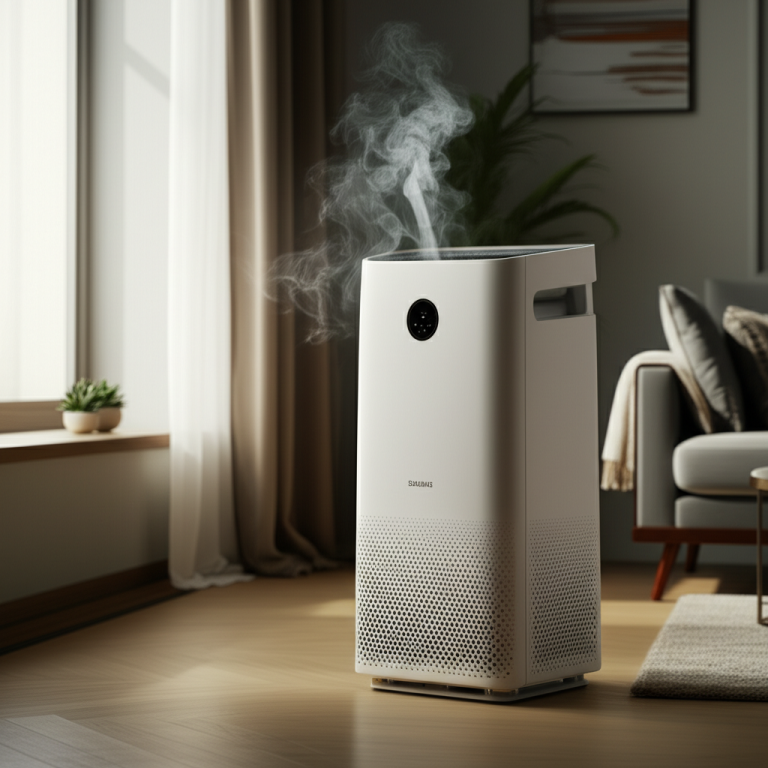
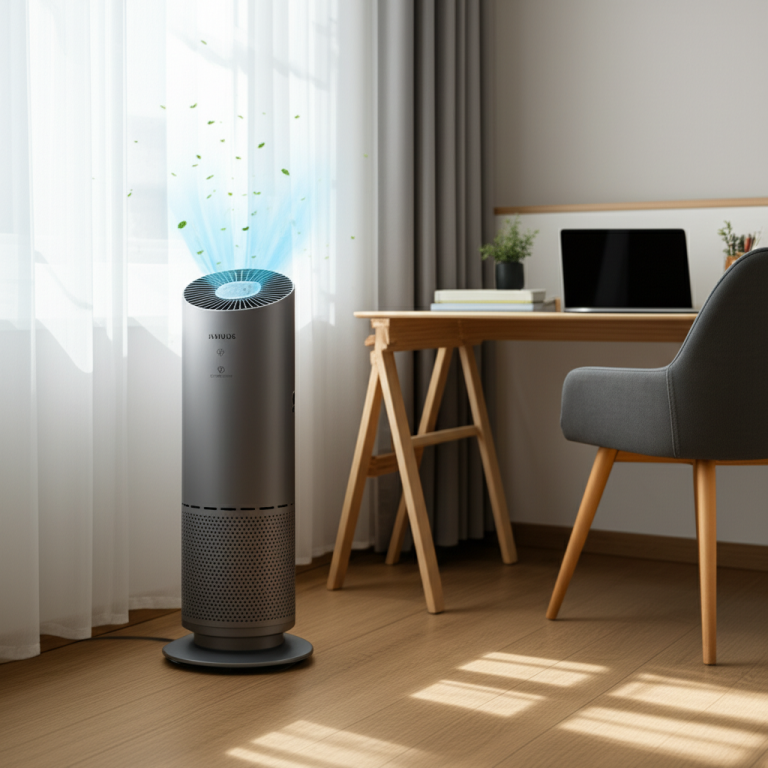
Many air purifiers can indeed make rooms feel colder, primarily because they circulate air. This constant movement can create a draft effect, similar to a ceiling fan, which helps to dissipate heat and make the air feel cooler on your skin. The fans within the units are the main drivers of this phenomenon.
How Airflow Impacts Perceived Temperature
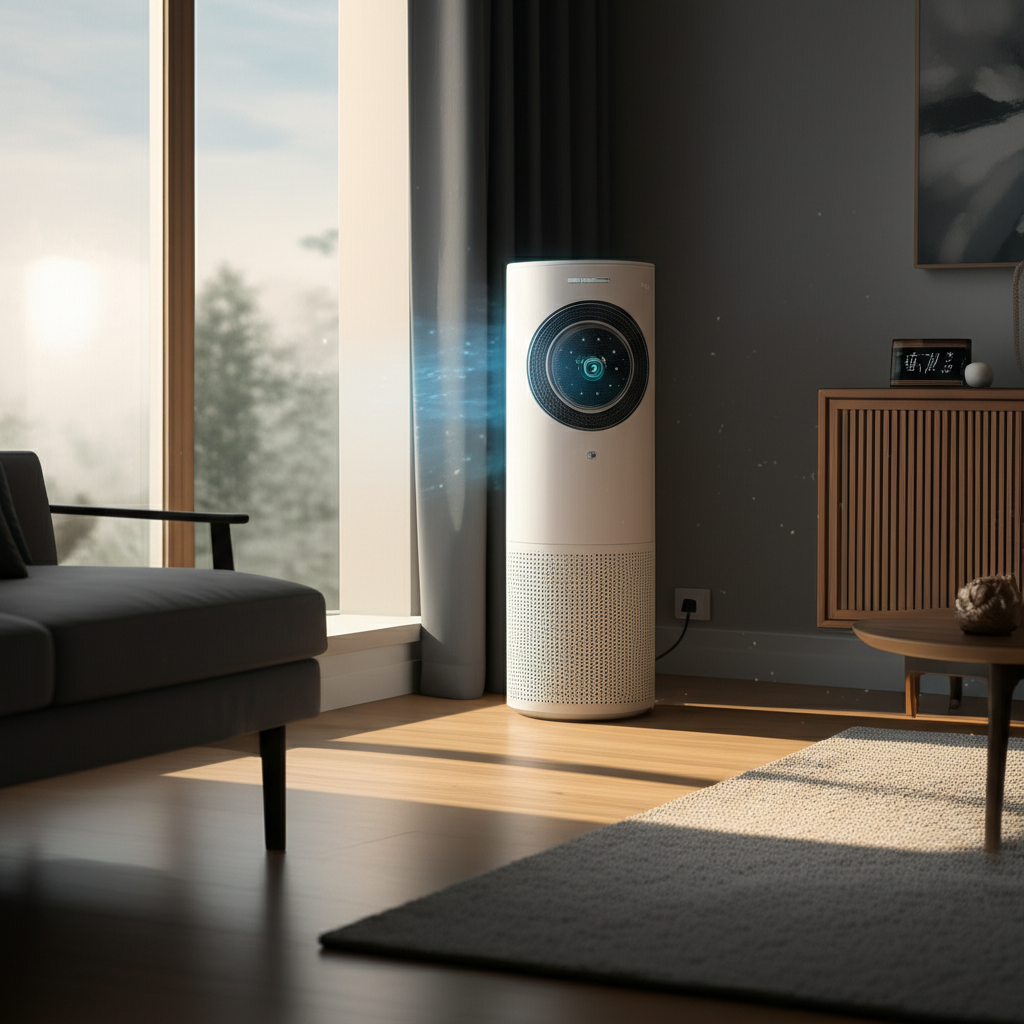
The sensation of coolness from an air purifier is largely due to the displacement of warmer air by cooler, circulating air. When air moves across your skin, it enhances the evaporation of perspiration, which is a natural cooling process. This effect is more noticeable in smaller, enclosed spaces where the air circulation is more concentrated.
Fan Speed and Its Role
The speed at which the air purifier’s fan operates directly influences how much air is moved and, consequently, how noticeable any cooling effect might be. Higher fan speeds will circulate more air, potentially leading to a more pronounced cooling sensation. Lower settings will have a minimal impact on room temperature.
Internal Components and Heat Generation
While the primary cooling effect comes from airflow, the internal components of an air purifier, particularly the motor and fan, do generate a small amount of heat. However, this heat output is typically very low and often negligible compared to the cooling sensation created by the air circulation itself. Most units are designed to be energy-efficient.
Comparing Air Purifier Types
Different types of air purifiers may have varying impacts on room temperature. HEPA air purifiers, for example, rely heavily on fan-powered filtration. Other technologies, like ionizers or UV-C purifiers, might have slightly different heat profiles, though the fan remains the most significant factor.
Do Air Purifiers Make Rooms Colder? A Detailed Look
The simple answer to “do air purifiers make rooms colder” is that they can make them feel colder due to air circulation. They are not designed as cooling devices, but the constant movement of air can create a noticeable draft. This effect is generally subtle and dependent on several factors.
Understanding the Draft Effect
The draft effect from an air purifier is similar to what you experience when standing near an open window on a breezy day or when a ceiling fan is on. The moving air enhances heat transfer away from your body, leading to a sensation of coolness. This is a physiological response rather than a significant drop in actual room temperature.
Factors Influencing the Draft
Several factors influence how strong this draft effect is. The size of the room, the air purifier’s fan speed setting, its proximity to you, and the ambient temperature all play a role. In a small room with the purifier on high, the draft will be more apparent than in a large room with the purifier on low.
Minimal Impact on Actual Room Temperature
It’s important to distinguish between perceived coolness and an actual drop in room temperature. Air purifiers do not have refrigeration coils like air conditioners. The amount of heat they might add or remove is minuscule compared to dedicated HVAC systems.
Heat Output vs. Airflow Cooling
While the fan motor does produce a tiny amount of heat, the cooling effect of the moving air typically outweighs this. Think of it like a computer fan; it moves air, and while the fan itself might get slightly warm, the overall purpose is cooling the components through airflow.
Managing Temperature Sensations with Your Air Purifier
If you find your air purifier is making your room feel too cool, there are several straightforward adjustments you can make. These solutions focus on controlling the airflow and placement of the unit.
Adjusting Fan Speed Settings
The most direct way to manage the cooling sensation is by lowering the fan speed on your air purifier. Most models offer multiple settings, allowing you to find a balance between effective air purification and comfortable room temperature. A lower fan speed means less air circulation and a less pronounced draft.
Finding the Right Balance
Experiment with different fan speeds to see what works best for your comfort level. Often, a medium or low setting is sufficient for maintaining good air quality without making the room feel unpleasantly cool. This ensures you get the benefits of clean air without compromising your comfort.
Strategic Placement of the Unit
Where you place your air purifier can significantly impact how its airflow affects the room temperature. Avoid placing it directly facing seating areas or your bed if you find the draft bothersome. Instead, position it to circulate air indirectly.
Indirect Airflow Strategies
Try placing the air purifier in a corner of the room or near a wall, directing the airflow away from occupied spaces. This allows the air to circulate more broadly throughout the room, diluting any noticeable draft. It still purifies the air effectively without creating a direct breeze.
When an Air Purifier Might Seem to Warm a Room
While the primary concern is usually cooling, in very specific circumstances, an air purifier might contribute to a slight warming sensation. This is typically due to the minimal heat generated by the motor, especially in extremely well-insulated or already warm environments. However, this effect is exceedingly rare and usually imperceptible.
Understanding Heat Emission
The internal motor and electronics of any electrical appliance generate some heat. For air purifiers, this emission is generally very low, designed to be energy-efficient. It’s highly unlikely to raise the temperature of a standard room significantly.
Energy Efficiency and Heat
Modern air purifiers are designed with energy efficiency in mind, meaning they produce minimal waste heat. The amount of heat generated is far less than that from a light bulb or other common household electronics. You can learn more about the energy consumption of air purifiers from resources like the Energy Star website.
Do Air Purifiers Work in Conjunction with HVAC Systems?
Air purifiers are excellent supplementary devices that work alongside your existing HVAC system. They focus on removing airborne particles and pollutants that your central system might not capture effectively, such as fine dust, allergens, and VOCs. They do not replace the need for heating or cooling.
Enhancing Indoor Air Quality
By filtering the air continuously, air purifiers can improve the overall quality of the air circulating through your home, even when your HVAC system is running. This is particularly beneficial for individuals with allergies or respiratory sensitivities.
Complementary, Not Replacement
Think of an air purifier as an advanced filter for your indoor air. It cleans the air you breathe, while your HVAC system controls the temperature and humidity. They serve different, but complementary, purposes in maintaining a comfortable and healthy home environment.
Common Air Purifier Features Affecting Airflow
The design and features of an air purifier are key to understanding its airflow dynamics. Features like fan types, vent design, and filter placement all contribute to how air is drawn in and expelled.
Fan Types and Their Impact
Most air purifiers use centrifugal or axial fans. Centrifugal fans are generally quieter and more efficient at moving air through dense filters, which can sometimes lead to a more focused stream of air. Axial fans are more common in larger units and can move a higher volume of air.
Filter Density and Air Resistance
The density of the filters, especially HEPA filters, can create resistance to airflow. The fan must work harder to pull air through these dense filters, which can influence the speed and volume of the expelled air, potentially increasing the draft effect.
Vent and Grille Design
The design of the air intake and outlet vents also plays a role. Vents that are designed for a more directed output will create a stronger draft, while wider, more diffused vents will spread the airflow, reducing its intensity.
Airflow Patterns in Different Models
Understanding the specific airflow pattern of your air purifier model can help you predict its impact on room temperature. Many manufacturers provide diagrams or specifications detailing how air moves through their units.
Addressing Concerns: Is the Cooling Effect Harmful?
Generally, the cooling effect from an air purifier is not harmful. It’s a subtle consequence of air circulation, not a sign of malfunction or an indication that the device is negatively impacting your home’s climate control. The primary purpose is always air purification.
Is it a Sign of a Malfunctioning Unit?
No, a slight cooling sensation is usually a normal operational characteristic, not a sign of a malfunctioning unit. If you notice excessive noise, strange smells, or no airflow at all, those would be indicators of a problem. The cooling effect is a byproduct of its function.
Ensuring Optimal Performance
To ensure your air purifier is performing optimally for both air quality and your comfort, regularly clean or replace the filters as recommended by the manufacturer. This maintains efficient airflow and purification.
When to Consider an Air Purifier’s Cooling Effect
You might want to consider the cooling effect of an air purifier in a few specific scenarios. If you live in a warmer climate and are sensitive to drafts, you’ll want to be mindful of its placement and settings. Conversely, in colder months, the airflow might be a welcome, albeit minor, benefit.
Seasonal Adjustments
During warmer months, you might appreciate the slight cooling sensation. However, in winter, you might prefer to use a lower fan speed or position the unit away from areas where you spend most of your time to avoid feeling a chill.
Optimizing for Comfort Year-Round
By adjusting settings and placement seasonally, you can maximize the benefits of your air purifier while ensuring year-round comfort. This flexibility allows you to adapt its operation to your needs and the changing weather.
Air Purifier vs. Fan: Key Differences
It’s crucial to understand that an air purifier is fundamentally different from a fan. While both involve moving air, their primary purposes and mechanisms are distinct. A fan’s sole job is to create airflow for cooling, whereas an air purifier’s main function is to clean the air.
Primary Function: Air Cleaning vs. Air Movement
Air purifiers are designed with filters (like HEPA filters) to capture pollutants, allergens, and odors. Fans are designed simply to move air. While an air purifier uses a fan, that fan is a component serving the larger goal of filtration.
Energy Consumption Comparison
Air purifiers generally consume more energy than a simple fan due to the power required for the fan motor and any additional purification technologies. However, they offer significant health benefits that a fan does not.
Factors That Do NOT Affect Room Temperature
Some aspects of an air purifier have no bearing on the room’s temperature. Understanding these can help clarify what truly influences the cooling or warming effect.
Filter Type (Beyond Resistance)
While filter density affects airflow resistance, the type of filter itself (e.g., HEPA, activated carbon) doesn’t inherently add or remove heat. Their purpose is capturing different types of particles or odors.
Smart Features and Connectivity
Smart features like app control, scheduling, and air quality sensors do not generate heat or affect the room temperature directly. They enhance user experience and monitoring capabilities.
Noise Levels and Vibration
The noise a unit makes or the vibrations it produces are also unrelated to its impact on room temperature. These are byproducts of the motor and fan operation.
Frequently Asked Questions About Air Purifiers and Temperature
Do air purifiers make rooms colder?
Most air purifiers make rooms feel colder due to the airflow they generate, similar to a fan. They don’t actively cool the air like an air conditioner.
Will an air purifier lower my thermostat reading?
No, an air purifier will not directly lower the temperature reading on your thermostat. The cooling effect is from air circulation on your skin.
Can I use an air purifier in winter?
Yes, you can use an air purifier in winter. You might want to use a lower fan setting or place it away from your main seating areas to avoid a noticeable draft.
Are air purifiers noisy?
Noise levels vary by model and fan speed. Many modern air purifiers are designed to be quiet, especially on lower settings.
How often should I replace air purifier filters?
Filter replacement frequency depends on the model and your air quality. Most manufacturers recommend replacing HEPA filters every 6-12 months and carbon filters more frequently.
Can air purifiers help with humidity?
No, standard air purifiers do not control humidity. You would need a separate dehumidifier or humidifier for that.
Is it okay to leave an air purifier on all the time?
Yes, it is generally safe and recommended to leave an air purifier on continuously, especially if you have ongoing air quality concerns like allergies or pets.
Conclusion: Comfort and Clean Air in Harmony
In conclusion, the question “do air purifiers make rooms colder” is best answered by understanding that they create a cooling sensation through air circulation, rather than actively lowering the ambient temperature. This effect is usually minimal and manageable through simple adjustments like fan speed and unit placement. By being aware of how your air purifier operates, you can ensure it effectively cleans your air while maintaining your desired level of comfort year-round. Enjoy the benefits of cleaner air without compromising your home’s cozy atmosphere.