
Do Air Purifiers Cool The Room? Essential Guide

No, air purifiers are not designed to cool a room, though some may have a slight, indirect cooling effect due to fan operation. Their primary function is to remove airborne pollutants like dust, allergens, and odors, not to regulate temperature.
Do Air Purifiers Cool The Room? Your Essential Guide to Understanding Air Purification and Temperature
It’s a question many of us ponder, especially during warmer months: can my air purifier also act as a personal cooler? The idea of a single device tackling both air quality and room temperature is incredibly appealing. You might have noticed a slight breeze when your air purifier is running, leading to the assumption that it contributes to cooling. Let’s dive deep into how air purifiers work and clarify their actual capabilities regarding temperature.
The Primary Purpose of Air Purifiers: Cleaner Air, Not Cooler Air
Air purifiers are meticulously engineered to enhance indoor air quality by capturing microscopic particles. They employ various filtration technologies to trap dust, pollen, pet dander, mold spores, and even volatile organic compounds (VOCs). Their core mission is to create a healthier breathing environment, free from common allergens and irritants.
This focus on air filtration means that temperature regulation is not a built-in feature of most standard air purifiers. While they might circulate air, this circulation isn’t intended to lower the ambient temperature of a space. Understanding this fundamental difference is key to managing your expectations and choosing the right appliances for your home.
How Air Purifiers Work: A Closer Look at Filtration
At the heart of every air purifier lies a system of filters designed to trap airborne contaminants. Typically, these include a pre-filter for larger particles like hair and lint, an activated carbon filter for odors and gases, and a HEPA (High-Efficiency Particulate Air) filter for fine particles such as dust mites, pollen, and pet dander. Some advanced models may also include UV-C light or ionizers to further purify the air.
The process involves a fan drawing air into the unit, passing it through these specialized filters, and then expelling cleaner air back into the room. This continuous circulation is what can sometimes be mistaken for a cooling effect. The energy required to power the fan and filtration system is minimal and doesn’t generate significant heat, nor is it designed to remove heat.
The Fan Effect: A Subtle, Indirect Influence on Temperature
You might feel a gentle breeze when standing near an operating air purifier, and this airflow can create a mild evaporative cooling effect on your skin. This sensation is similar to how a fan works, by increasing air movement and helping sweat evaporate more quickly. However, this is a localized effect on your body, not a reduction in the room’s overall temperature.
The fan inside an air purifier is essential for drawing air through the filters. While it does move air, its primary purpose is filtration, not ventilation or cooling. The amount of air moved is generally not sufficient to significantly alter the room’s thermostat reading, especially in larger spaces or on hot days.
Why Air Purifiers Don’t Act Like Air Conditioners
Air conditioners and air purifiers operate on entirely different principles. Air conditioners use a refrigerant cycle to actively remove heat from the air, thereby lowering the room’s temperature. This process involves compressing and expanding gases to absorb and release heat, often expelling hot air outside the building.
In contrast, air purifiers focus solely on removing pollutants from the air. They do not possess the complex refrigeration components or the ability to expel heat. Therefore, expecting an air purifier to provide the same cooling comfort as an AC unit is a misunderstanding of their respective functionalities.
Understanding the Heat Generated by Air Purifiers
While air purifiers are not designed to cool, they do consume electricity to operate their fans and internal components. This electrical consumption inevitably generates a small amount of heat. However, this heat output is typically very low and is unlikely to noticeably increase the room’s temperature, especially when compared to heat-generating appliances like computers or lights.
In fact, the heat generated is usually so minimal that it’s negligible. For most users, the slight warmth emitted is imperceptible and certainly not enough to counteract any cooling efforts from other devices or the natural ambient temperature. The focus remains firmly on air purification.
Do Certain Air Purifier Features Mimic Cooling?
Some advanced air purifiers might incorporate features that could be mistaken for cooling functions. For instance, units with multiple fan speeds allow you to control the intensity of the airflow. A higher fan speed will produce a stronger breeze, enhancing the evaporative cooling sensation on your skin, but it won’t lower the room’s temperature.
Certain high-end models might also offer “auto modes” that adjust fan speed based on detected air quality. While this is about filtration efficiency, the change in fan speed might lead to a perceived difference in airflow, but again, not actual cooling. It’s important to distinguish between air movement and temperature reduction.
When Air Purifiers and Cooling Devices Work Together
The ideal scenario for optimal comfort involves using an air purifier in conjunction with a cooling device, such as an air conditioner or fan. An air conditioner will manage the temperature, while the air purifier ensures the air being circulated is clean and free from allergens and pollutants.
This combination provides the best of both worlds: a comfortable temperature and healthy, breathable air. For example, running your air conditioner on a hot day and your air purifier simultaneously ensures that the cooled air is also purified, creating a truly pleasant indoor environment. This synergy is where the true benefit lies for many households.
Choosing the Right Device for Cooling vs. Air Purification
If your primary goal is to lower the room temperature, an air conditioner or a dedicated fan is the most effective solution. Air conditioners are specifically designed for this purpose, employing refrigeration cycles to remove heat. Fans, while not cooling the air itself, provide a cooling sensation through increased air circulation.
If your main concern is improving air quality by removing dust, allergens, smoke, or odors, then an air purifier is the appropriate appliance. Understanding the distinct functions of each device will help you make informed purchasing decisions and achieve your desired home environment. For instance, if you live in a humid climate, an air conditioner can also help dehumidify, which an air purifier cannot do.
Popular Air Purifier Brands and Their Cooling Capabilities
When researching air purifiers, you’ll encounter numerous brands, each offering various models with different features. Brands like Coway, Levoit, Blueair, and Dyson are well-known for their advanced air purification technologies. However, it’s crucial to remember that even within these reputable brands, the core function remains air cleaning.
For example, Dyson’s popular Pure Cool™ models are marketed as both air purifiers and cooling fans. While they do provide a cooling airflow sensation, it’s important to note that they do not actively lower the room’s temperature like a traditional air conditioner. They excel at purification and air circulation, offering a combined benefit, but their cooling is fan-based. Always check product specifications carefully to understand what each device truly offers.
Table: Air Purifier vs. Air Conditioner – Key Differences
To further clarify the distinct roles these appliances play, let’s examine their core functions:
| Feature | Air Purifier | Air Conditioner |
|---|---|---|
| Primary Function | Removes airborne pollutants (dust, allergens, odors) | Lowers room temperature by removing heat |
| Mechanism | Filtration (HEPA, carbon, etc.) and fan circulation | Refrigeration cycle, compressor, refrigerant |
| Temperature Impact | Negligible, may have slight evaporative cooling effect on skin | Significant reduction in room temperature |
| Energy Consumption | Generally low | Significantly higher |
| Humidity Control | No | Yes (dehumidifies as it cools) |
This table highlights the fundamental differences, ensuring you know which appliance to choose for your specific needs. It’s clear that their purposes are not interchangeable.
Frequently Asked Questions (FAQ)
Do air purifiers make a room hotter?
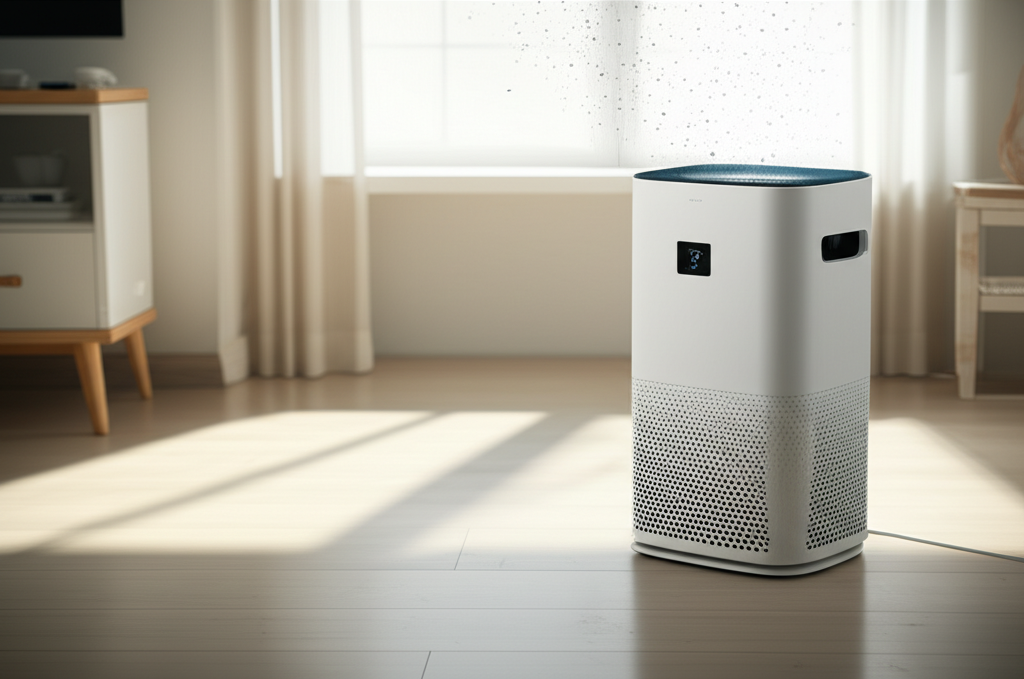
No, air purifiers do not make a room hotter. They consume a small amount of electricity, which generates a minimal amount of heat, but this is generally imperceptible and unlikely to raise the room’s temperature noticeably.
Can an air purifier help with hot weather?
An air purifier itself does not cool the air. However, the fan within the unit creates airflow, which can provide a mild cooling sensation on your skin through evaporation. It won’t lower the room’s actual temperature.
What is the difference between an air purifier and a cooling fan?
An air purifier cleans the air by filtering out pollutants. A cooling fan circulates air to create a breeze and a cooling effect on your skin, but it doesn’t clean the air or lower the room’s temperature.
Are there air purifiers that also cool the room?
Some devices, like Dyson’s Pure Cool™ series, are marketed as both air purifiers and cooling fans. They excel at purification and provide a cooling airflow, but they do not actively lower the ambient temperature like an air conditioner.
How much electricity do air purifiers use?
Air purifiers are generally energy-efficient, with most using between 15 to 60 watts, depending on the model and fan speed. This is comparable to or less than many light bulbs.
Should I run my air purifier and air conditioner at the same time?
Yes, running your air purifier and air conditioner simultaneously is an excellent way to ensure both clean air and a comfortable temperature. The air conditioner manages the temperature, while the air purifier removes allergens and pollutants from the conditioned air.
Conclusion: Air Purifiers for Purity, Not for Powering Down the Heat
In conclusion, to directly answer the question: do air purifiers cool the room? The definitive answer is no, they do not actively cool the room. While the fan in an air purifier circulates air and can create a mild sensation of coolness on your skin, its primary and sole purpose is to enhance indoor air quality by filtering out pollutants. For actual temperature reduction, an air conditioner or a dedicated fan remains the essential tool. By understanding these distinctions, you can make informed choices to create the healthiest and most comfortable living space possible, leveraging the strengths of each appliance.
