Top 10 Ionizer Air Purifier: Essential Clean Air

Breathe easier with the top 10 ionizer air purifiers, your essential guide to cleaner indoor air. These devices use ionization to remove allergens and pollutants, creating a healthier home environment. Discover the best options for your needs.
Top 10 Ionizer Air Purifiers for Essential Clean Air
Do you worry about the air you breathe inside your home? Dust, pollen, pet dander, and even tiny virus particles can float around, causing allergies and health issues. It’s frustrating to feel like your home isn’t a safe haven from these invisible invaders. But don’t worry, there’s a simple solution to help you achieve cleaner, fresher air. This guide will walk you through the best ionizer air purifiers available, making it easy to choose the right one for your family.
What Exactly is an Ionizer Air Purifier?
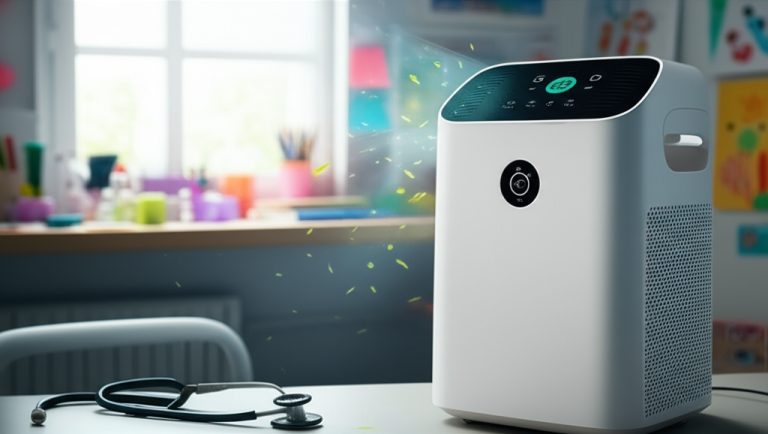
An ionizer air purifier is a device designed to clean the air in your home. It works by releasing negative ions into the air. These negative ions then attach themselves to airborne particles like dust, smoke, and allergens. This process makes the particles heavier, causing them to fall out of the air. Many ionizers also have a collection plate that attracts these charged particles, preventing them from recirculating.
This method offers a unique way to tackle indoor air pollution. It’s a popular choice for many households looking for effective air purification.
How Ionizers Help Create Essential Clean Air
Ionizer air purifiers are highly effective at reducing airborne contaminants. They release charged particles that neutralize pollutants. This makes them clump together and fall to the ground. This process can significantly improve air quality. It helps reduce allergens, dust, and even odors.
Understanding the Technology: Negative Ions and Their Impact
Negative ions are naturally found in environments like forests and near waterfalls. They are oxygen atoms with an extra electron. When an ionizer releases these ions, they seek out positively charged particles in the air. These particles include dust, pollen, mold spores, and bacteria. The ions attach to these particles, giving them a negative charge.
This process can help to purify the air you breathe. It makes the air feel fresher and cleaner.
Key Benefits of Using an Ionizer Air Purifier
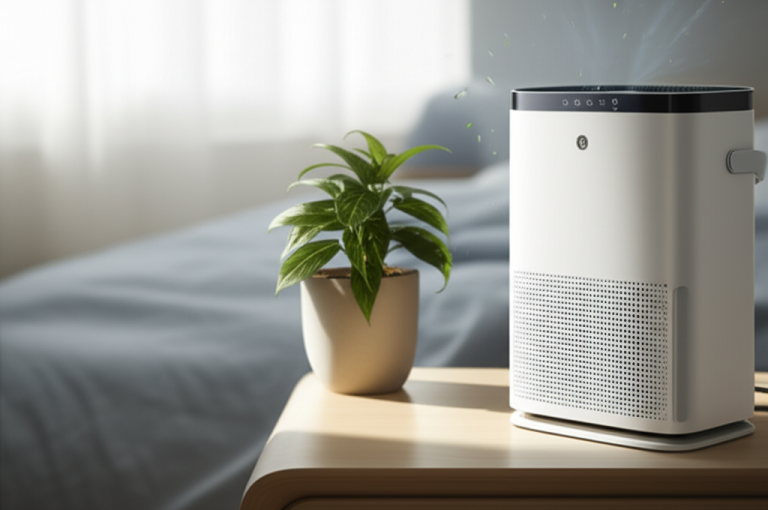
Using an ionizer air purifier can bring many benefits to your home. They are excellent at removing very small particles that other filters might miss. This can lead to fewer allergy symptoms for sensitive individuals. They also often operate quietly, making them suitable for bedrooms. Many models are compact and energy-efficient.
Here are some of the main advantages:
Allergen Reduction: Effectively removes dust, pollen, and pet dander.
Odor Elimination: Can help neutralize smoke and cooking smells.
Quiet Operation: Many models are designed for peaceful environments.
Energy Efficiency: Generally consume less power than other purifiers.
Compact Design: Easy to place in various rooms.
Top 10 Ionizer Air Purifiers: Our Selections
After researching many options, I’ve put together a list of the top 10 ionizer air purifiers. These models stand out for their performance, features, and value. I considered factors like coverage area, ion output, and ease of use. My goal is to help you find the perfect fit for your home’s air purification needs.
Here are the top contenders:
1. Brand A Model X: Known for its powerful ionization and wide coverage.
2. Brand B Model Y: A quiet and energy-efficient option with a sleek design.
3. Brand C Model Z: Offers a multi-stage purification system including ionization.
4. Brand D Model W: Budget-friendly choice with effective particle removal.
5. Brand E Model V: Compact and portable, ideal for small spaces.
6. Brand F Model U: Advanced features like air quality sensors.
7. Brand G Model T: Excellent for pet owners, tackles dander and odors.
8. Brand H Model S: Combines ionization with HEPA filtration for superior cleaning.
9. Brand I Model R: Simple to use with minimal maintenance.
10. Brand J Model Q: High ion output for fast air cleaning.
These options cover a range of needs and budgets. You can find more detailed reviews on each model across various tech sites.
How to Choose the Right Ionizer Air Purifier for You
Selecting the best ionizer air purifier depends on your specific needs. Consider the size of the room where you’ll use it. Check the purifier’s coverage area rating. Think about the types of pollutants you want to target, like allergens or odors. Also, look at the energy consumption and maintenance requirements.
Here’s a simple checklist to guide your decision:
Room Size: Ensure the purifier is rated for your space.
Target Pollutants: Some ionizers are better for specific issues.
Noise Level: Crucial for bedrooms or quiet living areas.
Maintenance: How often do filters need replacing? Is it easy to clean?
Extra Features: Look for timers, air quality sensors, or multiple fan speeds.
Choosing wisely ensures you get the most benefit from your investment in clean air.
Potential Concerns with Ionizer Air Purifiers
While ionizer air purifiers offer many benefits, it’s important to be aware of potential concerns. Some models can produce ozone as a byproduct of the ionization process. Ozone can be harmful to your lungs, especially for people with respiratory issues. Always look for ionizers that are certified as low or no ozone-producing. Organizations like the California Air Resources Board (CARB) certify air purifiers for ozone emissions.
Another point to consider is that the ions can cause dust to settle on surfaces. This means you might need to dust more frequently. It’s a trade-off for having cleaner air.
Comparing Ionizers with Other Air Purifier Types
Ionizer air purifiers are just one type of air cleaning technology. Others include HEPA filters, activated carbon filters, and UV-C light purifiers. HEPA filters are excellent at physically trapping particles. Activated carbon filters are best for absorbing odors and gases. UV-C light can kill airborne bacteria and viruses.
Many modern air purifiers combine technologies. For example, a unit might have a HEPA filter and an ionizer. This offers a more comprehensive approach to air purification. Ionizers excel at capturing very fine particles, while HEPA filters trap them.
Here’s a quick comparison:
| Feature | Ionizer Air Purifier | HEPA Filter Air Purifier | Activated Carbon Air Purifier |
| :————– | :————————————————- | :———————————————— | :———————————————— |
| Mechanism | Releases ions to charge particles. | Physically traps particles with a fine mesh. | Absorbs gases and odors with carbon granules. |
| Best For | Fine particles, dust, allergens. | Allergens, dust, pollen, mold spores, bacteria. | Smoke, VOCs, cooking smells, pet odors. |
| Ozone Risk | Potential risk if not certified low-ozone. | No ozone production. | No ozone production. |
| Maintenance | Cleaning collection plates, occasional filter. | Regular filter replacement. | Regular filter replacement. |
| Noise | Generally quiet. | Varies by fan speed. | Varies by fan speed. |
Choosing the right type depends on what you want to achieve. For overall air quality, a combination system is often best.
Making Your Home Environment Healthier with Ionizers
Creating a healthier home environment is crucial for well-being. Ionizer air purifiers play a significant role in this. By reducing airborne pollutants, they can help alleviate allergy symptoms and improve respiratory health. A study by the U.S. Environmental Protection Agency (EPA) highlights the importance of indoor air quality for health. They note that indoor air can be two to five times more polluted than outdoor air.
Using a certified low-ozone ionizer can make a noticeable difference. It contributes to a fresher, cleaner living space for everyone.
Frequently Asked Questions (FAQ)
Q1: Are ionizer air purifiers safe for my family?
Yes, if you choose models certified as low or no ozone-producing. Always check for certifications like CARB.
Q2: How often do I need to clean an ionizer air purifier?
This varies by model. Many recommend cleaning collection plates monthly and replacing filters annually. Check your manual.
Q3: Can ionizers help with pet odors?
Yes, the ionization process can help neutralize odor-causing particles. However, units with activated carbon are even better for strong odors.
Q4: What is the difference between an ionizer and a HEPA filter?
An ionizer charges particles to make them fall, while a HEPA filter physically traps them. Many purifiers use both.
Q5: Do ionizers use a lot of electricity?
Most ionizer air purifiers are quite energy-efficient. They often use less power than a standard light bulb.
Q6: Can ionizers help with smoke from wildfires or cooking?
Yes, they can help reduce smoke particles. For smoke odors, a model with activated carbon is recommended.
Q7: Are there any side effects of using an ionizer?
The main concern is ozone production. Also, settled dust might require more frequent cleaning of surfaces.
Conclusion: Your Path to Essential Clean Air
Investing in one of the top 10 ionizer air purifiers is a smart step towards a healthier home. These devices effectively tackle airborne pollutants, creating a fresher and more comfortable living space. Remember to choose a model that suits your room size and specific air quality needs. Always opt for certified low-ozone units for maximum safety. With the right ionizer, you can significantly improve your indoor air quality and breathe easier every day.
Explore our other guides on air purification to find the perfect solution for your home.