
Should You Vacuum Every Day? When Daily Cleaning Makes Sense

Quick Answer
You do not need to vacuum every day in every home. Daily vacuuming makes sense for busy entryways, high-traffic carpet, pet areas, and places where crumbs or dirt accumulate quickly. For quieter rooms, weekly vacuuming is often a reasonable starting point, with the schedule adjusted to your flooring, household activity, and cleaning needs.
Vacuuming every day can keep floors looking tidy, but it is not a requirement for maintaining a clean home. The best schedule depends on how quickly dirt builds up, which surfaces you have, whether pets live indoors, and whether anyone in your household is sensitive to airborne dust.
Rather than vacuuming every room automatically, focus on the areas that collect the most debris. This approach makes routine cleaning more manageable without allowing dirt to accumulate where it matters most.
When Should You Vacuum Every Day?
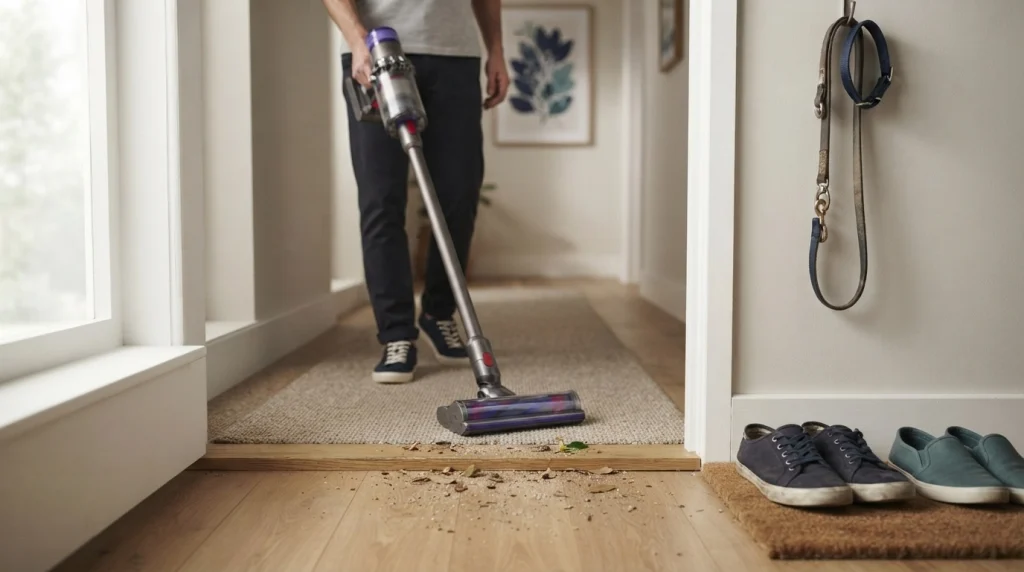
Daily vacuuming is useful when a floor receives frequent foot traffic or collects visible debris throughout the day. It is especially helpful in high-use areas where outdoor dirt, grit, hair, and food particles would otherwise build up between cleaning sessions.
Consider vacuuming daily in these situations:
- Busy entrances and hallways: Shoes bring in soil, sand, and small particles that can spread into other rooms.
- Homes with shedding pets: Fur and tracked-in debris may accumulate quickly on carpets, rugs, and upholstered furniture.
- Frequently used living areas: Children, visitors, and everyday movement can leave crumbs, lint, and dirt behind.
- Dining areas: Food particles can collect around tables and chairs, particularly in households with young children.
- High-traffic carpet: Regular removal of loose grit helps prevent it from becoming embedded in the carpet pile.
Daily cleaning does not have to mean vacuuming the entire house. A quick pass through a dirty entrance or around the dining table may be sufficient, while the rest of the home follows a less frequent schedule.
The Carpet and Rug Institute’s residential carpet-care guidance recommends more frequent vacuuming in high-traffic and pet areas. This supports a targeted approach rather than treating every room identically.
How Often Should You Vacuum Different Areas of Your Home?
Start with how frequently each area is used, then adjust the schedule when you notice recurring dirt or hair. The following frequencies are practical starting points, not strict rules for every household.
| Area | Starting frequency | When to vacuum more |
|---|---|---|
| Entryways and busy hallways | Daily or as needed | Outdoor grit or heavy foot traffic |
| Living room | One to three times weekly | Pets, children, or frequent visitors |
| Main bedroom | Weekly | Pets or noticeable dust buildup |
| Kitchen and dining floor | As needed, often several times weekly | Frequent cooking and food spills |
| Stairs | Weekly | Heavy use, pet hair, or visible dirt |
| Guest room or rarely used room | Weekly as a baseline; adjust to use | Dust accumulation or visiting guests |
These recommendations apply broadly to routine household cleaning. Hard floors may need sweeping or vacuuming less often than heavily used carpet, while a small room with a shedding pet may need more frequent attention than a large, rarely used space.
If you want to improve your technique as well as your schedule, see this guide to vacuuming carpet properly. Correct settings and slow, overlapping passes can help you remove debris without repeatedly cleaning the same area unnecessarily.
Does Vacuuming Every Day Improve Indoor Air Quality?
Frequent vacuuming can help reduce settled dust and some particles trapped in carpets and rugs. However, it does not remove every allergen or guarantee that indoor air will be free of dust.
Dust, pollen, pet dander, and other particles can settle on floors and soft furnishings. Walking across a dusty carpet may disturb some of those particles, so removing accumulated debris is a useful part of an overall cleaning routine.
The U.S. Environmental Protection Agency’s guidance on indoor particulate matter recommends vacuuming carpets and furniture weekly or more often, using a vacuum with a HEPA filter when appropriate, and dusting with a damp cloth to limit the spread of settled particles.
What if someone has allergies or asthma?
A consistent cleaning schedule can help manage dust and allergen-containing particles, but vacuuming frequency is only one part of the solution. The appropriate routine depends on the person’s triggers and the equipment used.
- Vacuum carpets and rugs regularly, increasing frequency when they accumulate dust or pet hair.
- Consider a well-sealed vacuum with suitable high-efficiency filtration, particularly if dust control is a priority.
- Dust shelves and other surfaces with a damp cloth before vacuuming the floor.
- Wash bedding regularly and reduce unnecessary clutter that collects dust.
- If vacuuming triggers symptoms, have the sensitive person leave the area during cleaning when possible.
Daily vacuuming is not automatically better for every person with allergies. If cleaning stirs up dust and causes symptoms, improving filtration, cleaning technique, and the broader dust-control routine may be more useful than simply adding extra vacuuming sessions.
Should You Vacuum Every Day If You Have Pets?
Daily vacuuming is often worthwhile in the areas pets use most, especially when they shed heavily, spend time outdoors, or track dirt inside. However, you may not need to vacuum every room daily.
Pet hair collects on carpet, rugs, and upholstery, while dirt can gather around feeding areas, sleeping spots, and frequently used doorways. These locations deserve attention before less-used rooms.
For a practical pet-friendly routine:
- Shedding areas: Vacuum floors and rugs daily or whenever hair becomes noticeable.
- Pet beds and nearby floors: Remove loose fur regularly and wash bedding according to its care instructions.
- Outdoor entrances: Clean tracked-in dirt before it spreads through the house.
- Quiet rooms: Keep a normal weekly routine unless your pet frequently uses them.
If pet hair remains after vacuuming, check the machine’s brush roll, suction, and floor-head settings before adding repeated passes. A suitable attachment and slower movement may help more than vacuuming the entire room again.
Vacuuming also will not resolve every pet-related mess. Wet accidents, stains, and lingering odors require appropriate cleaning methods rather than repeated dry vacuuming.
Can Vacuuming Every Day Damage Your Floors or Carpet?
Daily vacuuming with suitable equipment and settings is generally compatible with normal carpet maintenance. The main concern is not the frequency alone, but whether the vacuum is appropriate for the material and used correctly.
On durable carpet, regular removal of loose dirt can help limit the accumulation of grit that may contribute to fiber wear. However, an aggressive brush, incorrect height setting, or unsuitable attachment can damage delicate surfaces.
Take extra care with:
- Wool and delicate carpets: Follow the manufacturer’s cleaning instructions and use an appropriate setting.
- Loop-pile carpet: Avoid a brush roll that catches or pulls loops.
- Shag and high-pile rugs: Adjust suction and brush settings if the vacuum becomes difficult to move or pulls at the fibers.
- Fringed or handmade rugs: Keep powered brushes away from loose fringe and use a suitable gentle attachment.
- Hard floors: Use a floor head designed for the surface, and prevent grit trapped in wheels or brushes from scratching sensitive finishes.
Stop if the machine pulls fibers, causes fuzzing, catches fringe, or makes unusual noises. Check the vacuum and flooring manufacturer’s instructions rather than assuming that more passes will improve the result.
How Can You Decide Whether Daily Vacuuming Is Necessary?
Use the amount of dirt your household produces as the deciding factor. If you are unsure whether your current schedule is sufficient, observe how quickly each room becomes dirty after cleaning.
- Check the busiest areas first. Look at entryways, hallways, dining areas, and places where pets spend time.
- Notice how quickly debris returns. Repeated hair, crumbs, or visible grit indicate that the area may need more frequent cleaning.
- Consider the flooring. Carpet and rugs retain loose particles differently from hard floors, which may make debris more noticeable.
- Account for household needs. Pets, outdoor activity, children, and dust sensitivities can justify a more frequent schedule.
- Adjust one area at a time. Increase cleaning where needed instead of automatically adding a daily whole-house session.
For example, imagine a household where a dog regularly enters through the back door. Vacuuming the entrance and nearby rug every day may prevent dirt from spreading, while a guest bedroom can remain on a weekly schedule if it receives little use.
The aim is to remove dirt before it becomes difficult to manage, not to keep every floor perfectly free of particles at every moment.
What Are the Downsides of Vacuuming Every Day?
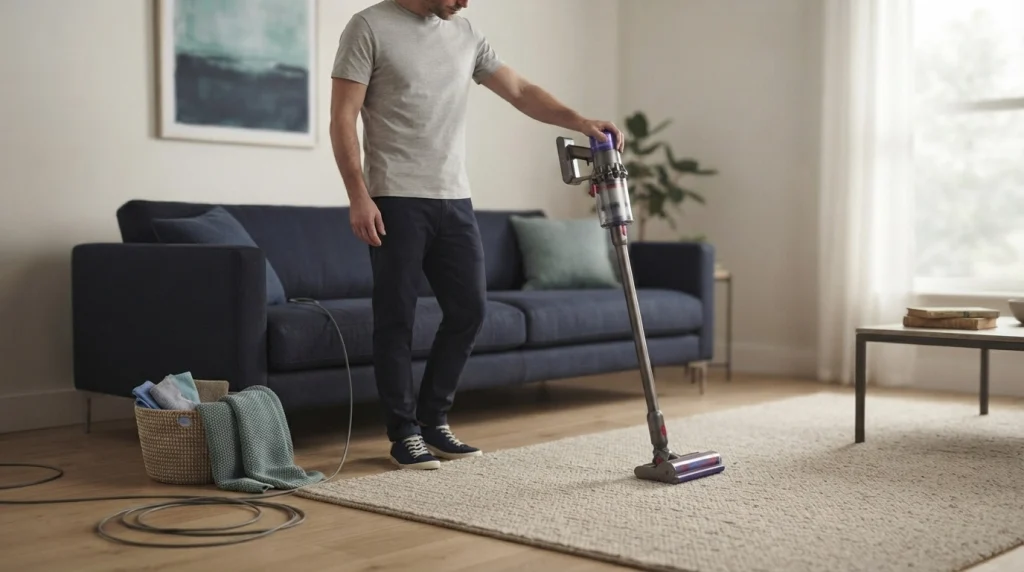
Daily vacuuming is not inherently wasteful or harmful, but doing it without considering your home’s needs can consume time without providing much additional benefit.
- Unnecessary effort: Quiet rooms may not need daily attention when little debris accumulates.
- Equipment wear: Vacuum cleaners need routine maintenance, and worn or unsuitable parts can affect cleaning performance.
- Surface damage: Incorrect brush settings or aggressive attachments can harm delicate rugs and flooring.
- Dust exposure during cleaning: Vacuuming may disturb particles, particularly when equipment has poor filtration or inadequate dust containment.
- Neglected cleaning tasks: Spending all your time vacuuming can leave dusting, damp mopping, and spill treatment overlooked.
Vacuuming should be one part of a balanced cleaning routine. Wipe hard surfaces with an appropriate cloth, mop floors when necessary, clean spills promptly, and maintain the vacuum according to its manual. If you want to streamline the process, this guide to vacuuming efficiently explains how to organize the task and avoid wasted effort.
Frequently Asked Questions
Is it okay to vacuum every day?
Yes. Daily vacuuming is reasonable when dirt, hair, or crumbs accumulate quickly. Use suitable equipment and settings for your flooring, and focus on the areas that need frequent cleaning.
Is vacuuming once a week enough?
Weekly vacuuming is a useful starting point for many lightly used rooms. Busy hallways, pet areas, and frequently used carpet may need cleaning several times a week or daily.
Should you vacuum before or after dusting?
Dust first and vacuum afterward. Wiping shelves and other elevated surfaces can send particles onto the floor, so vacuuming last helps collect the debris that falls during cleaning.
Should you vacuum hard floors every day?
Not necessarily. Vacuum or sweep hard floors when dust, grit, hair, and crumbs accumulate. High-use kitchen areas and entrances may need daily attention, while quieter rooms can follow a less frequent schedule.
Does daily vacuuming get rid of dust mites?
Vacuuming can remove some dust and particles from carpets and furnishings, but it does not eliminate all dust mites or their allergens. Regular bedding care, appropriate filtration, and other dust-control measures also matter.
Can you vacuum too often?
Frequent vacuuming is not automatically harmful, but unsuitable brush settings and aggressive attachments can damage delicate surfaces. Match the equipment to the flooring and avoid unnecessary repeated passes.
Conclusion
You do not need to vacuum your entire home every day to keep it clean. A more effective routine gives priority to busy entrances, high-traffic carpet, pet areas, and floors that collect food debris, while quieter rooms receive less frequent attention.
Start with a weekly baseline for lightly used areas, then adjust according to household activity, flooring type, and dust-control needs. Use suitable equipment, follow surface-care instructions, and combine vacuuming with dusting and other routine cleaning tasks. The best schedule is one that keeps dirt manageable without wasting time or putting delicate surfaces at risk.