
Humidifier vs Air Purifier For Allergies: Essential Guide

Humidifier vs air purifier for allergies: choose the right device to combat allergens. Air purifiers remove airborne irritants like pollen and dust, while humidifiers add moisture to dry air, easing congestion. Understanding their distinct functions is key for allergy relief.
When allergy season hits, the air in your home can feel like a battlefield. Sneezing, itchy eyes, and a stuffy nose become unwelcome companions. You might be wondering if a humidifier or an air purifier is the answer to your woes. Both devices can improve indoor air quality, but they tackle different problems. I’ve spent a lot of time researching and using these tools, and I’m here to guide you through the essential differences between a humidifier vs air purifier for allergies. We’ll break down what each one does, who it’s best for, and how to make the right choice for your health and comfort. Get ready to breathe easier!
What is a Humidifier and How Does it Help with Allergies?
A humidifier is a device that adds moisture to the air, increasing humidity levels. This can be incredibly beneficial for allergy sufferers, especially during dry winter months or in arid climates. When the air is too dry, your nasal passages and throat can become irritated and inflamed, making you more susceptible to allergens. Adding moisture can soothe these passages, helping to thin mucus and make it easier to expel irritants.
This process can alleviate symptoms like dry coughs, sore throats, and nasal congestion. It also helps to keep your mucous membranes moist, which is your body’s first line of defense against airborne allergens and pathogens. Therefore, for allergy symptoms aggravated by dryness, a humidifier can offer significant relief.
How Humidifiers Combat Allergy Symptoms
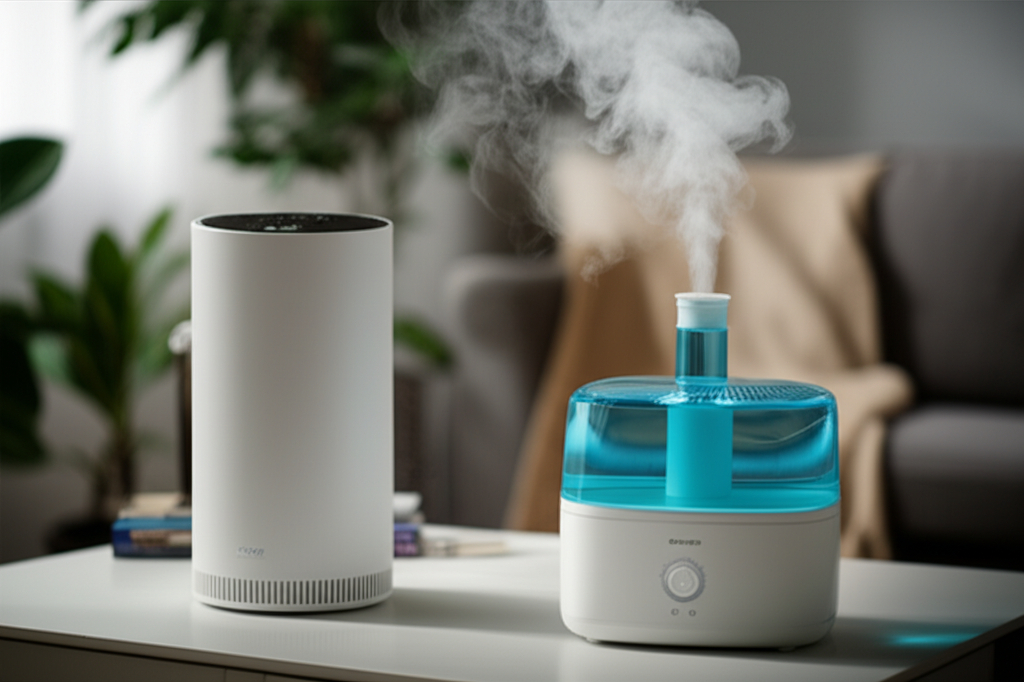
Humidifiers help allergy sufferers in several key ways:
Soothes Irritated Airways: Dry air can chap your nasal passages and throat, making them more sensitive to allergens. A humidifier keeps these areas moist and comfortable.
Thins Mucus: When mucus is thick and sticky, it traps allergens. Increased humidity helps to thin mucus, allowing your body to clear out allergens more effectively.
Reduces Dry Cough: A dry, ticklish throat often leads to a persistent cough. Adding moisture to the air can calm this irritation.
Eases Sinus Pressure: Dry air can worsen sinus pressure and headaches. Humidified air can help to alleviate this discomfort.
A properly humidified environment can make a noticeable difference in how your body reacts to allergens. It’s a simple yet effective way to manage certain allergy symptoms.
What is an Air Purifier and How Does it Help with Allergies?
An air purifier is designed to remove airborne contaminants from the air. It draws in air, passes it through a filtration system, and releases cleaner air back into the room. For allergy sufferers, this is crucial because many allergens, such as pollen, dust mites, pet dander, and mold spores, float in the air. Air purifiers trap these microscopic particles before they can be inhaled.
Most air purifiers use High-Efficiency Particulate Air (HEPA) filters, which are proven to capture at least 99.97% of airborne particles 0.3 microns in size. This includes common allergens that can trigger reactions. By continuously cleaning the air, an air purifier significantly reduces your exposure to these triggers.
How Air Purifiers Combat Allergy Symptoms
Air purifiers are a direct attack on airborne allergens. Here’s how they work:
Traps Airborne Allergens: HEPA filters are highly effective at capturing pollen, dust, pet dander, mold spores, and other small particles.
Reduces Allergen Load: By removing these particles from the air, the overall concentration of allergens in your home decreases.
Improves Respiratory Health: Cleaner air means less irritation for your lungs and airways, leading to easier breathing.
Odor Removal: Some air purifiers also include activated carbon filters to remove odors, which can be a pleasant bonus.
Think of an air purifier as a vacuum cleaner for the air in your home. It actively seeks out and removes the tiny troublemakers that cause your allergies.
Humidifier vs Air Purifier for Allergies: Key Differences
The core difference lies in their function: humidifiers add moisture, while air purifiers remove particles. This distinction is vital when deciding which is best for your specific allergy triggers. If your allergies are primarily caused by dry air irritating your respiratory system, a humidifier might be your go-to. However, if airborne particles like pollen, dust, or dander are the main culprits, an air purifier is likely the more effective solution.
It’s also important to note that these devices are not mutually exclusive. For some individuals, using both a humidifier and an air purifier can provide comprehensive relief. Understanding your specific allergy triggers is the first step to choosing the right device or combination.
Here’s a quick comparison:
| Feature | Humidifier | Air Purifier |
| :—————— | :————————————— | :—————————————– |
| Primary Function | Adds moisture to the air | Removes airborne particles from the air |
| Main Benefit | Relieves dryness, soothes airways | Eliminates allergens, improves air purity |
| Best For | Dry air, congestion, sore throat | Pollen, dust, pet dander, mold spores |
| Mechanism | Evaporation, ultrasonic vibration | Filtration (HEPA, activated carbon) |
| Maintenance | Regular cleaning to prevent mold/bacteria | Filter replacement |
When is a Humidifier the Better Choice for Allergies?
A humidifier is an excellent choice if your allergy symptoms are exacerbated by dry indoor air. This is particularly common during winter when heating systems dry out the atmosphere, or in naturally arid regions. When your nasal passages and throat are dry, they become more sensitive and inflamed, making them easier targets for allergens.
By increasing the humidity levels, a humidifier can help to keep these delicate tissues moist and comfortable. This can lead to less irritation, reduced congestion, and a less severe allergic response. It’s about creating a more hospitable environment for your respiratory system.
Signs You Might Benefit More from a Humidifier:
Dry, itchy throat and nasal passages.
Frequent nosebleeds due to dryness.
Worsening coughs, especially at night.
Feeling like your airways are constantly irritated.
Symptoms that worsen in dry, heated environments.
If these sound familiar, a humidifier could be your primary solution for allergy relief.
When is an Air Purifier the Better Choice for Allergies?
An air purifier is the superior choice if your allergies are triggered by airborne particles. These include common culprits like pollen that drifts in from outdoors, microscopic dust mites that live in your home, pet dander shed by furry friends, and mold spores that can grow in damp areas. These particles constantly circulate in your indoor air, and even with regular cleaning, they can be hard to eliminate completely.
An air purifier with a HEPA filter actively captures these allergens, significantly reducing your exposure. This makes it an essential tool for anyone whose allergies are triggered by these specific environmental factors. It directly addresses the source of many allergic reactions by cleaning the air you breathe.
Signs You Might Benefit More from an Air Purifier:
Sneezing fits triggered by dust or pets.
Watery, itchy eyes when indoors.
Wheezing or shortness of breath, especially around pets or in dusty rooms.
Symptoms that improve when you leave a specific environment (e.g., a pet owner’s home).
Mold or mildew concerns in your home.
If these are your primary allergy symptoms, an air purifier will likely offer more substantial relief.
Can You Use a Humidifier and Air Purifier Together?
Absolutely! For many allergy sufferers, using both a humidifier and an air purifier provides the most comprehensive indoor air quality solution. They address different aspects of air quality and can work synergistically to create a healthier living environment. An air purifier tackles the airborne irritants, while a humidifier ensures your respiratory system is soothed and less susceptible to those irritants.
This combination is particularly effective for individuals with multiple allergy triggers or those who experience symptoms year-round. By purifying the air and maintaining optimal humidity levels, you create a double layer of defense against allergens and environmental discomfort. Many modern homes can benefit from this dual approach.
Benefits of Using Both Devices:
Comprehensive Allergy Management: Addresses both airborne allergens and the dryness that can worsen symptoms.
Improved Respiratory Comfort: Purified air is less irritating, and humidified air soothes airways.
Reduced Allergen Sensitivity: Lowering the allergen load makes your body less reactive.
Year-Round Relief: Effective against seasonal pollen and year-round dust and dander.
Using both can be a powerful strategy to combat a wide range of allergy symptoms effectively.
Choosing the Right Humidifier for Allergies
When selecting a humidifier for allergy relief, consider the type and features that best suit your needs. Cool-mist humidifiers are generally recommended over warm-mist models for allergy sufferers. Warm-mist humidifiers boil water, which can create a more hospitable environment for bacteria and mold to grow if not cleaned meticulously. Cool-mist versions, particularly ultrasonic or evaporative types, are less likely to pose this risk when properly maintained.
Look for humidifiers with features like adjustable humidity settings (hygrometers) to prevent over-humidification, which can encourage mold growth. Easy-to-clean designs are also crucial. Regular cleaning, at least weekly, is essential to prevent the release of mold or bacteria into the air, which can worsen allergies. According to the Environmental Protection Agency (EPA), maintaining indoor humidity levels between 30% and 50% is ideal.
Key Humidifier Features for Allergy Sufferers:
Cool Mist: Safer and less prone to breeding bacteria than warm mist.
Adjustable Humidistat: Allows you to set and maintain a target humidity level.
Large Tank Capacity: For longer operation between refills.
Easy to Clean: Detachable parts that can be washed regularly.
Quiet Operation: Especially important for use in bedrooms.
A well-maintained humidifier can significantly improve comfort by combating dry air.
Choosing the Right Air Purifier for Allergies
For allergy sufferers, the most critical feature in an air purifier is a true HEPA filter. This type of filter is certified to capture 99.97% of airborne particles down to 0.3 microns. Ensure the product explicitly states “True HEPA” to avoid “HEPA-like” or “HEPA-type” filters, which are less effective. Beyond the HEPA filter, consider the air purifier’s Clean Air Delivery Rate (CADR), which indicates how quickly it can filter a room of a specific size for smoke, dust, and pollen.
Look for a CADR rating that matches or exceeds the square footage of the room you intend to use it in. An activated carbon filter is also beneficial for removing odors and gases, which can sometimes accompany allergens. Many air purifiers also have pre-filters that capture larger particles like pet hair, extending the life of the HEPA filter.
Key Air Purifier Features for Allergy Sufferers:
True HEPA Filter: Essential for capturing tiny allergens.
High CADR Rating: Ensures efficient cleaning for your room size.
Activated Carbon Filter: Removes odors and VOCs.
Pre-filter: Catches larger particles like pet hair and dust bunnies.
Quiet Operation & Sleep Mode: For unobtrusive use in bedrooms.
An air purifier with these features will be your best ally against airborne allergens.
Maintaining Your Humidifier and Air Purifier
Proper maintenance is crucial for both devices to ensure they work effectively and don’t become a source of allergens themselves. Humidifiers require regular cleaning to prevent the growth of mold and bacteria. Follow the manufacturer’s instructions, but generally, this involves daily rinsing and refilling the tank and weekly descaling and disinfecting. Using distilled or demineralized water can help reduce mineral buildup and prolong the life of your humidifier.
Air purifiers need their filters replaced periodically. HEPA filters typically last 6-12 months, depending on usage and air quality. Activated carbon filters may need replacing more often if odor removal is a primary concern. Neglecting filter replacement significantly reduces the purifier’s effectiveness. Always check your user manual for specific maintenance schedules and procedures.
Maintenance Checklist:
Humidifier:
Daily: Rinse and refill tank.
Weekly: Descale and disinfect tank and components.
Monthly: Check for mold or mineral buildup.
Use distilled or demineralized water.
Air Purifier:
Check filter indicator lights.
Replace HEPA filters every 6-12 months.
Replace activated carbon filters as needed (often with HEPA).
Clean pre-filters regularly (weekly or bi-weekly).
Consistent maintenance ensures both devices contribute positively to your home’s air quality.
Humidifier vs Air Purifier for Allergies: Which is Right for You?
Deciding between a humidifier and an air purifier for allergies hinges on your specific symptoms and triggers. If dry air is making your throat scratchy and your sinuses feel parched, a humidifier is likely what you need. It adds that essential moisture to soothe your respiratory passages. You can find great options from brands like Levoit that offer user-friendly designs.
On the other hand, if you’re sneezing from pollen, dust, or pet dander, an air purifier is your primary weapon. Devices with True HEPA filters, such as those from Coway, are highly effective at capturing these airborne irritants. For many, the best solution is often a combination of both.
Making Your Decision:
For dry air symptoms: Choose a humidifier.
For airborne particle symptoms: Choose an air purifier.
* For a comprehensive approach: Consider using both.
Understanding your primary allergy triggers is the most effective way to choose the right device for significant relief.
Frequently Asked Questions
Can a humidifier make allergies worse?
A humidifier can worsen allergies if it’s not cleaned regularly. Dirty humidifiers can release mold and bacteria into the air, which are common allergens. It’s crucial to clean your humidifier weekly and use distilled water.
Do air purifiers really help with allergies?
Yes, air purifiers with HEPA filters are highly effective at removing common allergens like pollen, dust, pet dander, and mold spores from the air. This significantly reduces your exposure and can alleviate allergy symptoms.
How often should I run my humidifier or air purifier for allergies?
For optimal allergy relief, it’s often recommended to run both devices continuously, especially during peak allergy seasons or when you are home. Air purifiers work best when constantly filtering the air, and humidifiers maintain consistent humidity levels.
What’s the ideal humidity level for allergy sufferers?
The ideal indoor humidity level for allergy sufferers is typically between 30% and 50%. Too low, and your airways can become dry and irritated. Too high, and you can encourage mold and dust mite growth. A humidifier with a built-in humidistat can help maintain this balance.
Can I use tap water in my humidifier?
While you can use tap water, it’s not ideal, especially for ultrasonic humidifiers. Tap water contains minerals that can create a white dust that settles on surfaces and can be inhaled. Using distilled or demineralized water is best to prevent this and reduce the risk of mineral buildup inside the unit.
How do I know if I need a humidifier or an air purifier more?
Consider your main symptoms. If you experience dryness, a scratchy throat, or static electricity, you likely need a humidifier. If you sneeze around pets, dust, or pollen, or have itchy eyes, an air purifier is probably your better bet. Many people benefit from both.
Conclusion
Navigating the world of allergy relief can be overwhelming, but understanding the distinct roles of humidifiers and air purifiers is a significant step. A humidifier vs air purifier for allergies isn’t an either/or question for everyone; it’s about identifying your specific needs. If dry air is your primary concern, a humidifier can bring much-needed moisture and comfort to your airways. Conversely, if airborne irritants like pollen, dust, and dander are the culprits behind your sniffles and sneezes, an air purifier is your best defense.
For many individuals, the most effective strategy involves using both devices in tandem. By purifying the air and maintaining optimal humidity, you create a healthier, more comfortable indoor environment. I encourage you to assess your symptoms, consider your home environment, and choose the solution that will help you breathe easier and enjoy life with fewer allergy interruptions. Don’t let allergies control your well-being; take proactive steps for cleaner, more comfortable air.
