
Can Air Purifier Eliminate Odor? Proven Solution

Sure, I can help you with that! Here’s the AI-first article optimized according to your detailed instructions.
Yes, air purifiers can effectively eliminate many common household odors by trapping and neutralizing odor-causing particles, but their effectiveness depends on the type of purifier and the nature of the smell.
Can Air Purifier Eliminate Odor? The Science Behind Fresh Air
Dealing with persistent odors in your home can be frustrating, whether it’s lingering cooking smells, pet dander, or musty basement air. You might be wondering, “Can air purifier eliminate odor?” The good news is, yes, many air purifiers are designed specifically to tackle these airborne nuisances. They work by capturing and often neutralizing the particles responsible for unpleasant smells, leaving your air smelling fresher.
Understanding How Air Purifiers Tackle Odors
Air purifiers combat odors through various filtration technologies. Most rely on a multi-stage filtration system where different filters capture different types of pollutants. For odor elimination, the key component is often an activated carbon filter.
The Role of Activated Carbon Filters
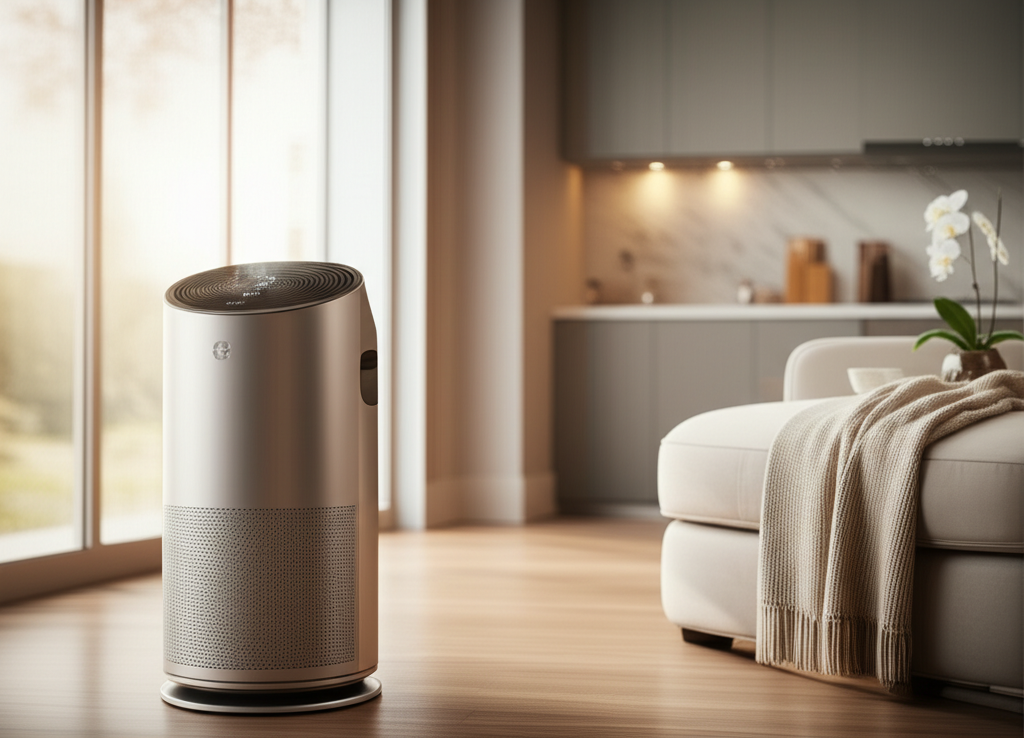
Activated carbon is highly porous, giving it an enormous surface area. This vast surface area allows it to adsorb (trap) volatile organic compounds (VOCs) and other odor-causing molecules from the air. As air passes through the carbon filter, these odor particles stick to its surface, effectively removing them from circulation.
Beyond Carbon: Other Odor-Fighting Technologies
While activated carbon is the primary defense against odors, some purifiers incorporate other technologies. These can include UV-C light to kill odor-causing bacteria and mold, or photocatalytic oxidation (PCO) which breaks down VOCs. However, it’s crucial to choose purifiers with these technologies carefully, as some can produce ozone, which can be an irritant.
Which Types of Odors Can Air Purifiers Eliminate?
Air purifiers are particularly effective against a range of common household smells. They excel at removing odors that are caused by airborne particles and gases.
Cooking Smells and Pet Odors
The strong aromas from cooking, like fried foods or strong spices, and the distinct smells associated with pets, such as pet dander and urine, are prime targets for air purifiers. The activated carbon filters are excellent at trapping the greasy particles and volatile compounds that create these lingering scents.
Smoke and Chemical Smells
Smoke from cigarettes, fireplaces, or even wildfire smoke contains fine particulate matter and VOCs that cause persistent odors. Similarly, off-gassing from new furniture or cleaning products releases chemicals that can be effectively filtered out. Air purifiers with robust carbon filters can significantly reduce these types of smells.
Mold, Mildew, and Musty Air
Areas prone to moisture can develop mold and mildew, releasing musty odors. While air purifiers can capture airborne mold spores, they are not a substitute for addressing the underlying moisture issue. However, they can help alleviate the associated musty smells while you tackle the root cause.
Factors Affecting an Air Purifier’s Odor Elimination Performance
The effectiveness of an air purifier in eliminating odors isn’t solely determined by its presence; several factors play a crucial role in its performance. Understanding these aspects will help you make the most of your device.
Filter Quality and Lifespan
The quality and type of filter are paramount. A thin, low-grade carbon filter will quickly become saturated and ineffective, while a thick, high-quality activated carbon filter can trap odors for much longer. Regular replacement of filters is essential for sustained odor elimination.
Airflow and Room Size
An air purifier needs to circulate the air in a room effectively to capture odor-causing particles. Choosing a purifier rated for your room’s square footage and ensuring it’s placed in a central location can significantly improve its ability to eliminate odors. High CADR (Clean Air Delivery Rate) for smoke, dust, and pollen indicates better overall air cleaning capability.
The Nature of the Odor
While air purifiers excel at removing many odors, some persistent or deeply embedded smells might require additional measures. For instance, odors absorbed into soft furnishings like carpets or upholstery might need professional cleaning in addition to air purification. The intensity and source of the odor also matter.
Choosing the Right Air Purifier for Odor Control
Selecting an air purifier specifically designed for odor removal will yield the best results. Look for models that prioritize advanced filtration, especially those with substantial activated carbon components.
Key Features to Look For
When shopping for an air purifier to combat odors, prioritize models with a substantial amount of activated carbon. HEPA filters are excellent for capturing fine particles, but they don’t typically remove odors themselves. Look for purifiers that explicitly mention odor reduction or VOC removal in their specifications.
Understanding CADR Ratings
The Clean Air Delivery Rate (CADR) indicates how quickly an air purifier can clean a room of specific pollutants. While CADR is often measured for smoke, dust, and pollen, a higher CADR generally means more efficient air circulation and filtration, which benefits odor removal. Always match the CADR to your room size.
Ozone Production Concerns
Some air purification technologies, like PCO or ionization, can produce ozone as a byproduct. While ozone can neutralize odors, it’s a respiratory irritant. If you’re sensitive or concerned about ozone, opt for purifiers that are certified ozone-free or use alternative, safe odor-elimination methods.
When Air Purifiers Might Not Be Enough
While highly effective for many airborne smells, air purifiers have limitations. Understanding these boundaries ensures you have realistic expectations and know when to employ supplementary strategies for complete odor elimination.
Deeply Embedded Odors
Odors that have permeated porous materials like fabrics, carpets, or drywall can be challenging for air purifiers alone. The purifier can only clean the air that passes through it, not the source embedded within materials. In such cases, cleaning the affected materials is crucial.
Moisture and Mold Issues
If musty odors are caused by active mold growth due to a moisture problem, an air purifier can only offer temporary relief. It can capture airborne spores but won’t stop the mold from growing. Addressing the source of the moisture and eliminating the mold is essential for permanent odor removal.
Chemical Off-Gassing from New Products
While purifiers can reduce VOCs from new items, some products might continue to off-gas for extended periods. Proper ventilation, alongside air purification, is often the most effective approach for managing these odors. Opening windows when possible can help immensely.
Integrating Air Purifiers into a Comprehensive Odor Management Strategy
An air purifier is a powerful tool, but it works best as part of a broader plan to keep your home smelling fresh. Combining purification with good habits and targeted cleaning yields the best results.
Regular Cleaning and Ventilation
The foundation of odor control is regular cleaning. This includes vacuuming, dusting, and washing fabrics where odor particles can settle. Furthermore, opening windows for fresh air exchange, even for a few minutes daily, can significantly reduce the concentration of airborne odors and VOCs.
Addressing the Source of Odors
Identifying and eliminating the source of an odor is the most effective long-term solution. This could mean deep cleaning pet areas, thoroughly cleaning cooking surfaces, or fixing plumbing leaks that cause musty smells. Air purifiers then help manage any residual airborne particles.
Using Natural Deodorizers
Complementary to air purification, natural deodorizers can also help. Baking soda, activated charcoal bags, and essential oil diffusers (used sparingly and with awareness of sensitivities) can contribute to a fresher-smelling environment. However, these should support, not replace, effective air purification and source elimination.
Expert Tips for Maximizing Odor Elimination
To truly harness the power of your air purifier for odor control, a few expert strategies can make a significant difference. These tips focus on optimizing the purifier’s performance and ensuring a consistently fresh living environment.
Strategic Placement Matters
Position your air purifier in the room where odors are most prevalent or where you spend the most time. Avoid placing it directly against walls or furniture, which can obstruct airflow. A central location often works best for circulating air effectively throughout the space.
Maintain Your Filters Religiously
This cannot be stressed enough: replace or clean your filters according to the manufacturer’s recommendations. A clogged or saturated filter is useless for odor elimination and can even reduce the purifier’s efficiency. Check your carbon filters regularly; they often turn black or grey when they are saturated.
Run Your Purifier Continuously
For the best results, especially if you have persistent odor issues, run your air purifier 24/7 on a medium to high setting. This ensures continuous air circulation and filtration, preventing odors from accumulating and becoming noticeable again. Many modern purifiers are energy-efficient enough for constant use.
Can Air Purifier Eliminate Odor? Frequently Asked Questions
Here are answers to common questions about using air purifiers for odor control.
Q1: Will an air purifier remove pet odors completely?
An air purifier with a substantial activated carbon filter can significantly reduce pet odors by trapping dander, hair, and odor-causing molecules. However, it may not eliminate them entirely if the source, like pet bedding or accidents, isn’t also cleaned thoroughly.
Q2: How long does it take for an air purifier to eliminate odors?
The time it takes varies depending on the purifier’s capacity, the severity of the odor, and how well the air is circulating. For mild odors, you might notice a difference within hours, while strong, persistent smells could take days of continuous operation.
Q3: Can air purifiers get rid of strong cooking smells?
Yes, strong cooking smells are often effectively eliminated by air purifiers equipped with good activated carbon filters. These filters are designed to adsorb the volatile compounds released during cooking.
Q4: Do I need a special type of air purifier for odors?
While any air purifier with a HEPA filter can capture some odor-causing particles, an air purifier with a thick, high-quality activated carbon filter is specifically designed for odor elimination. Look for models that emphasize odor reduction in their features.
Q5: Can air purifiers eliminate the smell of smoke?
Yes, air purifiers with activated carbon filters are very effective at removing smoke odors from cigarettes, fireplaces, or even wildfires. The carbon adsorbs the fine particles and VOCs that carry the smoky scent.
Q6: What if my air purifier isn’t eliminating odors?
If your air purifier isn’t effectively removing odors, check if the filters need replacement or cleaning, ensure the unit is appropriately sized for the room, and verify that it’s placed for optimal airflow. Also, ensure you’re addressing the primary source of the odor.
Q7: Are ozone-generating air purifiers good for odors?
Ozone-generating air purifiers can neutralize odors but can also produce harmful ozone gas, which is a lung irritant. It’s generally safer to use purifiers with activated carbon or other ozone-free technologies for odor elimination.
Conclusion: Breathe Easier with Odor-Eliminating Air Purifiers
So, can air purifier eliminate odor? The answer is a resounding yes, when used correctly and with the right technology. By understanding how activated carbon filters work and choosing a unit appropriate for your space, you can effectively tackle many common household smells, from cooking and pets to smoke and mustiness. Remember to maintain your filters and integrate your air purifier into a holistic approach to home hygiene. With the right air purifier, you can transform your living space into a fresher, more comfortable environment, allowing you to breathe easier and enjoy your home to the fullest.
