
Humidifier vs Air Purifier For Asthma: Essential Choice

Choosing between a humidifier and an air purifier for asthma is crucial. While humidifiers add moisture to dry air, potentially easing breathing, air purifiers remove allergens and irritants that trigger asthma symptoms. Understanding their distinct roles is key to making the essential choice for better respiratory health.
Breathing difficulties can make life challenging, especially for those with asthma. You might be wondering whether a humidifier or an air purifier is the better choice to manage your symptoms. It’s a common question, and the answer isn’t always straightforward because both devices play different roles in improving indoor air quality. I’ve seen many people confused about which one to get, and that’s why I want to break down the humidifier vs air purifier for asthma debate for you. We’ll explore what each device does, how it can help (or hinder) asthma, and ultimately guide you to the right decision for your health.
What Exactly is Asthma and How Does Air Quality Affect It?
Asthma is a chronic respiratory condition that causes inflammation and narrowing of the airways, leading to symptoms like wheezing, coughing, shortness of breath, and chest tightness. Triggers vary widely among individuals but often include allergens like dust mites, pollen, pet dander, mold spores, and irritants like smoke, strong odors, and dry air. The goal for asthma management is to minimize exposure to these triggers and maintain clear, calm airways.
Humidifier: Adding Moisture to Your Air
A humidifier works by releasing water vapor or steam into the air, increasing the humidity level. This can be particularly beneficial in dry climates or during winter months when heating systems tend to strip moisture from the air. For some people with asthma, particularly those whose symptoms are aggravated by dry air, a humidifier can offer relief by keeping nasal passages and airways moist.
How Humidifiers Can Help Asthma Sufferers
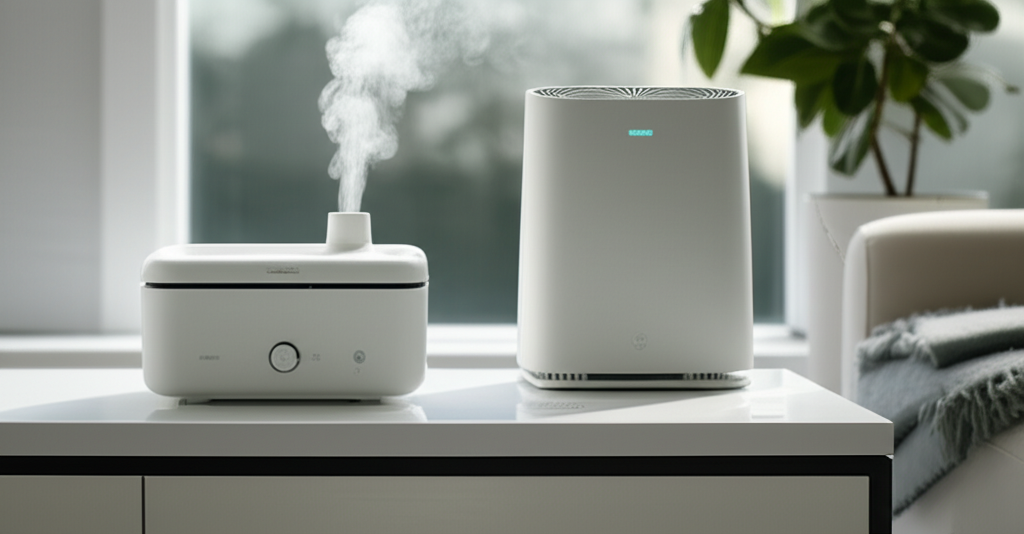
When the air is too dry, it can irritate your airways, making them more sensitive and prone to inflammation. This dryness can thicken mucus, making it harder to clear, and can even trigger asthma symptoms. Adding moisture can help to soothe these irritated airways, thin mucus, and make breathing feel more comfortable.
Potential Downsides of Humidifiers for Asthma
However, humidifiers aren’t always a friend to asthma sufferers. If not cleaned properly and regularly, they can become breeding grounds for mold and bacteria. These microorganisms can then be dispersed into the air, acting as potent asthma triggers. Over-humidifying a room can also create an environment conducive to dust mites and mold growth, exacerbating allergies and asthma.
Air Purifier: Cleaning Your Indoor Air
An air purifier, on the other hand, is designed to remove airborne particles and contaminants from the air. It typically uses a fan to draw air in and pass it through a filtration system, trapping pollutants before releasing cleaner air back into the room. This makes them excellent for reducing exposure to common asthma triggers found indoors.
How Air Purifiers Combat Asthma Triggers
Air purifiers are highly effective at capturing microscopic particles that often set off asthma. This includes allergens like pollen, pet dander, dust mite debris, and mold spores. Many also feature activated carbon filters that can absorb odors and volatile organic compounds (VOCs) from cleaning products or furniture, which can also irritate airways.
Key Components of an Effective Asthma Air Purifier
When looking for an air purifier for asthma, pay attention to the type of filters it uses. A High-Efficiency Particulate Air (HEPA) filter is essential, as it’s certified to capture at least 99.97% of airborne particles 0.3 microns in size. Some purifiers also include pre-filters to catch larger particles and activated carbon filters for gases and odors.
Humidifier vs Air Purifier For Asthma: The Core Differences
The fundamental difference lies in their function: humidifiers add moisture, while air purifiers remove particles. A humidifier aims to optimize the moisture content of the air, while an air purifier focuses on cleaning the air of irritants. For asthma, the primary concern is often the presence of airborne triggers, making air purification a more direct solution for many.
When to Consider a Humidifier for Asthma
If your asthma is consistently worse in dry conditions, and you experience symptoms like a dry, scratchy throat, dry nasal passages, or increased coughing specifically when the air feels dry, a humidifier might be beneficial. It’s crucial to use a cool-mist humidifier, as hot steam can pose a burn risk, and to maintain a humidity level between 30% and 50%.
When to Prioritize an Air Purifier for Asthma
For most individuals with asthma, an air purifier is the more impactful choice. If your asthma is triggered by allergens like dust, pollen, pet dander, or mold, or by irritants like smoke and strong fumes, an air purifier will actively remove these culprits from your environment. This proactive removal of triggers is central to managing asthma effectively.
Can You Use Both a Humidifier and an Air Purifier?
Yes, it’s possible to use both a humidifier and an air purifier, but it requires careful management. You would use the air purifier to remove allergens and irritants, and the humidifier to maintain optimal moisture levels. However, it’s vital to ensure that the humidifier doesn’t create an environment where mold or dust mites can thrive, which can happen if humidity levels are too high.
The Importance of Humidity Levels
Maintaining the correct humidity level is key. Too low, and your airways can dry out and become irritated. Too high, and you create a breeding ground for mold and dust mites, both significant asthma triggers. Using a hygrometer to monitor humidity and a humidifier with a built-in humidistat can help you stay within the ideal range of 30-50%.
Choosing the Right Device for Your Asthma Needs
The best choice depends on your specific asthma triggers and environmental conditions. If dry air is a primary concern and you have no issues with mold or dust mites, a properly maintained humidifier might suffice. However, if allergens and airborne irritants are your main problem, an air purifier is likely the more effective solution. Many people find that an air purifier offers more consistent relief from common asthma triggers.
Expert Recommendations and Research
Organizations like the Asthma and Allergy Foundation of America (AAFA) often recommend air purifiers with HEPA filters as a way to reduce indoor allergens. While humidifiers can help with dryness, their potential to harbor mold and bacteria means they require diligent maintenance. Research published in journals like the Journal of Allergy and Clinical Immunology highlights the impact of indoor air quality on asthma control.
Making the Essential Choice: A Comparative Table
To help you visualize the differences, here’s a quick comparison:
| Feature | Humidifier | Air Purifier |
| :—————- | :—————————————— | :——————————————– |
| Primary Function | Adds moisture to the air | Removes airborne particles |
| Benefit for Asthma | Soothes dry airways, thins mucus | Removes allergens (pollen, dander, dust mites) |
| Potential Risk | Mold/bacteria growth if not cleaned | Filter replacement costs |
| Best For | Dry climates, dry-air-aggravated asthma | Allergen-sensitive asthma, polluted indoor air |
| Maintenance | Regular cleaning, distilled water | Filter replacement |
Maintaining Your Devices for Asthma Safety
Regardless of your choice, proper maintenance is non-negotiable. For humidifiers, this means daily rinsing and weekly deep cleaning to prevent mold and bacteria. For air purifiers, it involves regularly cleaning or replacing filters as recommended by the manufacturer to ensure optimal performance. Neglecting maintenance can turn a helpful device into a source of triggers.
What About Asthma and Cold Air?
Cold air itself can be an asthma trigger for some individuals. In such cases, a humidifier might offer some relief by warming and moistening the air, making it less irritating as it’s inhaled. However, this is distinct from cleaning the air of allergens, which is the primary function of an air purifier.
What About Air Purifiers with Humidifier Functionality?
Some devices combine both functions, acting as a 2-in-1 air purifier and humidifier. While convenient, it’s crucial to assess their effectiveness in both roles. Ensure the air purification component has a true HEPA filter and that the humidifier is easy to clean thoroughly to avoid cross-contamination or mold issues. These hybrid units require the same diligent maintenance as their single-function counterparts.
Frequently Asked Questions
What is the most important factor when choosing a device for asthma?
The most important factor is identifying your primary asthma triggers. If allergens are the main issue, an air purifier is key. If dry air is the problem, a humidifier is needed, with careful attention to cleanliness.
Can a humidifier make asthma worse?
Yes, if it’s not cleaned regularly, a humidifier can release mold and bacteria into the air, which can worsen asthma symptoms. Over-humidifying can also encourage dust mite and mold growth.
Do air purifiers help with asthma symptoms?
Yes, air purifiers significantly help by removing common asthma triggers like pollen, pet dander, dust mites, and mold spores from the air, leading to fewer symptom flare-ups.
What type of air purifier is best for asthma?
An air purifier with a true HEPA filter is best for asthma, as it captures at least 99.97% of airborne particles 0.3 microns in size, including allergens and irritants.
How often should I run an air purifier for asthma?
For maximum benefit, it’s often recommended to run an air purifier continuously, especially in bedrooms and main living areas, to keep allergen levels consistently low.
Is a humidifier or air purifier better for nighttime asthma?
For nighttime asthma, an air purifier is generally better if allergens are a trigger. If dry air is the issue, a clean humidifier can help, but ensure it doesn’t become a mold source.
What humidity level is ideal for asthma?
The ideal indoor humidity level for asthma is between 30% and 50%. Levels above 50% can promote mold and dust mite growth, while levels below 30% can dry out airways.
Conclusion: Your Path to Easier Breathing
Deciding between a humidifier and an air purifier for asthma boils down to understanding your personal triggers and environmental needs. While a humidifier can offer comfort by alleviating dry air, an air purifier directly tackles the allergens and irritants that commonly provoke asthma attacks. For most individuals seeking to proactively manage their asthma, an air purifier with a HEPA filter is often the more essential and effective choice. Remember, consistent maintenance of whichever device you choose is paramount to ensuring it aids, rather than harms, your respiratory health. By making an informed decision based on this humidifier vs air purifier for asthma comparison, you’re taking a significant step towards a healthier, more comfortable life.
