Top-Rated Air Purifiers 2026: Your Essential Guide

Top-rated air purifiers 2025 will help you breathe cleaner air. This guide helps you choose the best one for your home. We look at features, types, and what matters most. Find the perfect air purifier to make your living space healthier.
Breathing fresh air at home is something we all want. But sometimes, our indoor air can feel stuffy or even unhealthy. Dust, pollen, pet dander, and even tiny germs can float around. This can make allergies worse or just make you feel less than your best. Don’t worry, choosing the right air purifier can make a big difference. We’ve done the research to help you find the top-rated air purifiers for 2025. Get ready to learn what to look for and which ones stand out.
Why You Need a Top-Rated Air Purifier in 2025
Air purifiers are devices that clean the air in a room. They remove tiny particles that can be harmful or annoying. In 2025, with more focus on health and wellness, indoor air quality is more important than ever. Studies show indoor air can be much more polluted than outdoor air. A good air purifier can capture these pollutants. It helps create a healthier environment for you and your family.
Understanding Air Purifier Technologies
Air purifiers use different methods to clean your air. Knowing these helps you pick the best one. Common technologies include HEPA filters, activated carbon, and UV-C light. Each works in a specific way to tackle different types of airborne irritants. Understanding these will guide your purchase.
High-Efficiency Particulate Air (HEPA) Filters
HEPA filters are the gold standard for removing tiny particles. They are designed to trap at least 99.97% of particles that are 0.3 microns in size. This includes common allergens like dust, pollen, pet dander, and mold spores. True HEPA filters are essential for anyone with allergies or respiratory issues. They work by forcing air through a very fine mesh.
Activated Carbon Filters
Activated carbon filters are great for tackling odors and gases. They use a porous material that absorbs chemicals. This includes things like smoke, cooking smells, pet odors, and volatile organic compounds (VOCs). VOCs come from paints, cleaning products, and furniture. A carbon filter works alongside a HEPA filter for complete air purification.
UV-C Light Technology
UV-C light is a germicidal technology. It uses ultraviolet light to kill bacteria and viruses. Some air purifiers include this feature to neutralize airborne germs. It’s an extra layer of protection against illness. However, UV-C light alone doesn’t remove particles or odors. It works best as a supplement to other filtration methods.
Key Features to Look For in Top-Rated Air Purifiers 2025
When choosing a top-rated air purifier 2025, several features matter. Think about the size of your room. Consider how noisy the unit is. Energy efficiency is also important for long-term costs. Ease of use and maintenance are practical concerns too.
Coverage Area and Room Size
Air purifiers are rated for specific room sizes. This is often measured in square feet (sq ft). Make sure the purifier you choose can handle the size of the room you want to clean. A unit that’s too small won’t be effective. A unit that’s too large might be overkill and waste energy. Check the Clean Air Delivery Rate (CADR) for a more precise measure.
Noise Level (Decibels)
The noise a purifier makes is measured in decibels (dB). Lower dB numbers mean quieter operation. This is especially important for bedrooms or living areas where you spend a lot of time. Many purifiers have a “sleep mode” that runs quieter at night. Look for models with low dB ratings for peaceful use.
Energy Efficiency and Cost
Air purifiers run on electricity, so energy use is a factor. Look for ENERGY STAR certified models. These use less energy, saving you money on your electricity bill. Filter replacement costs also add up over time. Factor in the price and lifespan of replacement filters when budgeting.
Smart Features and Controls
Modern air purifiers often come with smart features. These include Wi-Fi connectivity, app control, and air quality sensors. Some can automatically adjust their fan speed based on detected pollution levels. Smart features offer convenience and better control over your air quality. They can provide real-time data on your indoor air.
Top-Rated Air Purifier Models for 2025: Our Picks
Based on expert reviews and user feedback, here are some of the top-rated air purifiers 2025 you should consider. These models offer excellent performance and features. They cater to different needs and budgets.
Best Overall: Blueair Classic 605
The Blueair Classic 605 is a highly-regarded model. It uses a combination of electrostatic and mechanical filtration. This system is known as HEPASilent. It effectively removes a wide range of pollutants. The unit is designed for larger rooms and offers quiet operation. Its sleek design also fits well in most homes.
Best for Allergies: Coway Airmega 200M
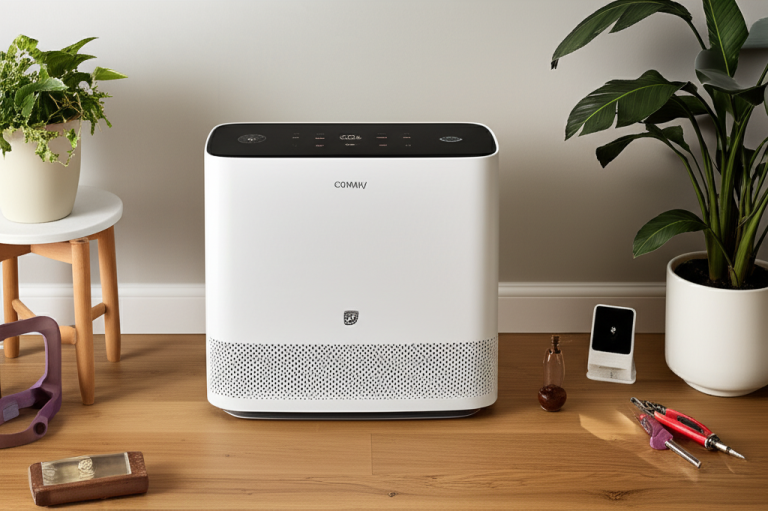
Coway purifiers consistently rank high for allergy sufferers. The Airmega 200M features a multi-stage filtration system. This includes a true HEPA filter and an activated carbon filter. It’s very effective at capturing allergens and odors. The unit also has an eco mode that saves energy. It’s a great choice for bedrooms and living spaces.
Best Budget-Friendly: Levoit Core 300
The Levoit Core 300 is a popular choice for its affordability and performance. It’s compact and suitable for small to medium rooms. It uses a three-stage filtration system with a HEPA filter. Users praise its quiet operation and simple controls. It’s an excellent entry-level option for improving indoor air quality.
Best for Large Spaces: Winix HR900 Ultimate Pet
If you have pets, the Winix HR900 is a strong contender. It’s designed to tackle pet dander, hair, and odors. It features a True HEPA filter, an activated carbon filter, and a PlasmaWave technology. The PlasmaWave feature is optional and can be turned off if preferred. This purifier is effective for larger living areas.
How to Choose the Right Air Purifier for Your Needs
Selecting the perfect air purifier involves understanding your specific situation. Think about the primary reason you need one. Are you dealing with allergies, pets, smoke, or general air freshness? Your room size and budget are also crucial factors.
Assess Your Indoor Air Quality Concerns
First, identify what you want the air purifier to do. If you have allergies, focus on HEPA filtration. For pet owners, look for models with good odor control and hair traps. If you live in an area with wildfire smoke, a robust carbon filter is essential. Knowing your main concern helps narrow down the choices.
Consider Your Room Size and Placement
Measure the room where you plan to use the air purifier. Match this to the purifier’s recommended coverage area. A purifier that’s too small will struggle to clean the air effectively. Consider where you will place it. It needs good airflow to work best. Avoid placing it directly against walls or furniture.
Compare CADR Ratings
The Clean Air Delivery Rate (CADR) is a standard measurement. It indicates how quickly an air purifier can clean a room of smoke, dust, and pollen. Higher CADR numbers mean faster purification. Look for CADR ratings that are appropriate for your room size. This metric helps compare different models objectively. You can often find CADR ratings on the manufacturer’s website or product packaging.
Maintaining Your Air Purifier for Optimal Performance
To get the most out of your top-rated air purifiers 2025, regular maintenance is key. This primarily involves cleaning and replacing the filters. Following the manufacturer’s instructions will ensure your purifier works efficiently for years. Proper care keeps your air clean and extends the life of the device.
Filter Replacement Schedule
Filters have a limited lifespan. They become clogged with pollutants over time. This reduces their effectiveness. Most manufacturers recommend replacing HEPA and carbon filters every 6 to 12 months. Some units have indicator lights to remind you. Check your manual for the specific schedule for your model.
Cleaning Your Air Purifier
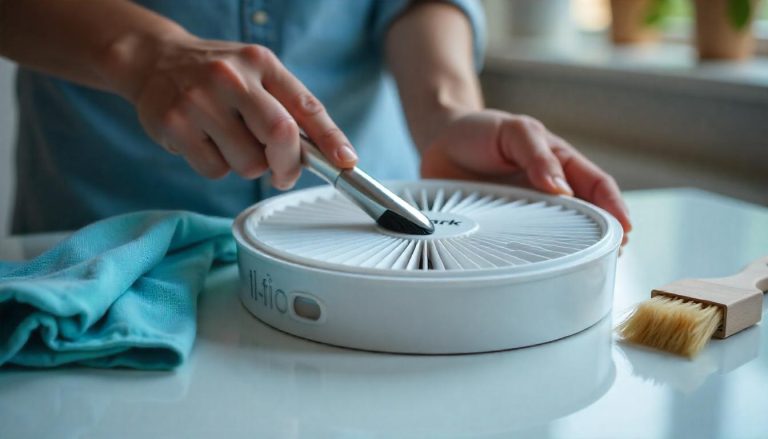
Beyond filter replacement, the unit itself needs cleaning. Dust can build up on the exterior and the pre-filter. Gently wipe down the outside with a soft, dry cloth. If your purifier has a washable pre-filter, clean it according to the instructions. This helps maintain good airflow and keeps the unit looking its best.
Frequently Asked Questions (FAQ)
What is a HEPA filter and why is it important?
A HEPA filter is a special filter that traps at least 99.97% of tiny particles, like dust and pollen. It’s important because it cleans the air of allergens and irritants, making it healthier to breathe.
How often should I replace the filters in my air purifier?
You should typically replace filters every 6 to 12 months. This depends on the model and how much you use the purifier. Always check the manufacturer’s guide for the best schedule.
Can air purifiers help with pet odors?
Yes, many air purifiers have activated carbon filters. These filters are excellent at absorbing and removing odors, including those from pets.
Are air purifiers noisy?
Some air purifiers can be noisy, especially on higher settings. However, many newer models are designed for quiet operation. Look for units with low decibel (dB) ratings or a dedicated sleep mode.
Do air purifiers use a lot of electricity?
It varies by model, but many modern air purifiers are energy-efficient. Look for ENERGY STAR certified models to save on electricity costs.
Can an air purifier completely eliminate all allergens?
While air purifiers significantly reduce allergens, they may not eliminate 100% of them. They work best as part of a comprehensive cleaning routine.
Conclusion: Breathe Easier with the Right Air Purifier
Investing in one of the top-rated air purifiers 2025 is a smart move for your health and comfort. By understanding the different technologies, key features, and maintenance needs, you can make an informed choice. Whether you’re battling allergies, pet dander, or just want fresher air, there’s a perfect purifier out there for you. Start breathing cleaner, healthier air today.