Are Air Purifiers Good For Plants? Essential Guide

Yes, air purifiers can be good for plants by removing pollutants that harm them, but it’s crucial to choose the right type and understand their limitations to avoid potential drawbacks.
The thought of clean air extending beyond humans to our leafy companions is an appealing one for any plant parent. You’ve invested time and care into your indoor jungle, and the idea that an air purifier might further benefit them is intriguing. But do these devices, designed to scrub pollutants from our breathing space, actually help our green friends thrive, or could they pose a risk? This guide will demystify the relationship between air purifiers and plants, offering clear answers and actionable advice so you can make informed decisions for your entire home ecosystem.
The Surprising Benefits of Air Purifiers for Your Plants
Air purifiers can indeed offer significant advantages to your indoor plants by creating a healthier environment. By removing common airborne contaminants, they can directly and indirectly support plant growth and well-being.
Clearing the Air: How Pollutants Affect Plants
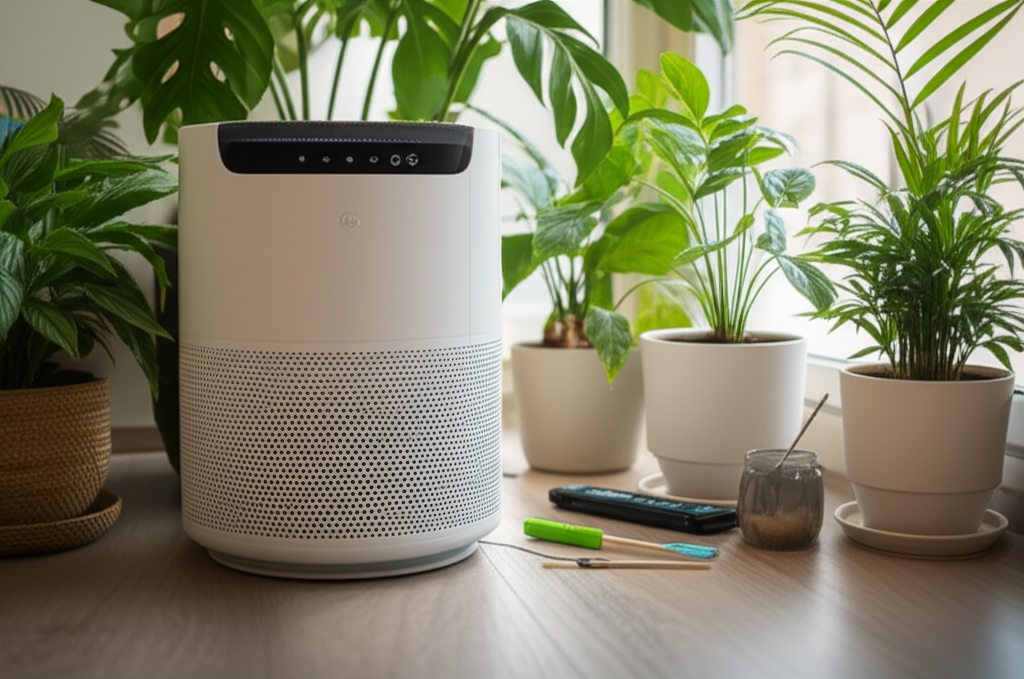
Many common indoor air pollutants, such as volatile organic compounds (VOCs) from cleaning products or new furniture, and particulate matter like dust and soot, can negatively impact plant health. These substances can clog stomata, the tiny pores on leaves responsible for gas exchange, hindering photosynthesis and respiration. This blockage can lead to stunted growth, yellowing leaves, and increased susceptibility to pests and diseases.
Reduced Dust Buildup on Leaves
Dust accumulation on plant leaves is a common nuisance that air purifiers can significantly mitigate. A thick layer of dust can block sunlight, which is essential for photosynthesis, and also impede the plant’s ability to absorb carbon dioxide and release oxygen. By capturing airborne dust particles, air purifiers help keep leaf surfaces clean, allowing plants to photosynthesize more efficiently and maintain their vibrant appearance.
Improved Air Circulation and Gas Exchange
While not their primary function, some air purifiers can contribute to better air circulation within a room. Improved airflow around plants helps prevent stagnant air pockets, which can foster fungal growth and disease. More importantly, by reducing the concentration of airborne pollutants that can clog stomata, air purifiers indirectly support healthier gas exchange for the plant, crucial for its survival and growth.
Mitigating Harmful VOCs and Gases
Plants are sensitive to certain airborne chemicals. VOCs released from paints, cleaning supplies, and even some synthetic materials can be toxic to plants, causing leaf damage and hindering their development. Advanced air purifiers equipped with activated carbon filters are particularly effective at adsording these harmful gases, creating a safer atmosphere for your botanical residents.
A Cleaner Environment for Healthier Growth
Ultimately, the cumulative effect of reduced dust, better air circulation, and fewer harmful chemicals creates a more supportive environment for your plants. This cleaner air can lead to stronger growth, increased resilience against pests and diseases, and more vibrant foliage. It’s about creating a holistic healthy living space where both humans and plants can flourish.
Understanding Air Purifier Technologies and Plant Safety
Not all air purifiers are created equal, and some technologies can pose risks to plants. It’s essential to understand the different types of purifiers and how they might interact with your green companions.
HEPA Filters: The Plant Parent’s Friend
High-Efficiency Particulate Air (HEPA) filters are the gold standard for capturing particulate matter like dust, pollen, and pet dander. These filters work by physically trapping particles in a dense mesh, and they pose no direct harm to plants. In fact, by removing dust, they are beneficial.
Activated Carbon Filters: Absorbing the Bad Stuff
Activated carbon filters are excellent at adsorbing gases and odors, including many VOCs that can be detrimental to plant health. These filters work through a process called adsorption, where gas molecules stick to the porous surface of the carbon. This technology is safe and beneficial for creating a cleaner air environment for your plants.
UV-C Light: A Potential Concern
Some air purifiers incorporate UV-C light technology to kill bacteria and viruses. While effective for air purification, direct or prolonged exposure of plants to UV-C light can damage their foliage and photosynthetic capabilities. It’s crucial to ensure that any UV-C emitting air purifier is designed to operate safely, often with enclosed chambers, and kept at a distance from your plants.
Ionizers and Ozone Generators: Proceed with Caution
Ionizers release charged ions into the air, which then attach to airborne particles, causing them to fall to surfaces or be captured by filters. Some ionizers can produce ozone as a byproduct. Ozone is a powerful oxidant and can be harmful to plants, damaging leaf tissues and impairing growth. Ozone generators, which intentionally produce ozone, should be avoided entirely if you have plants.
Choosing the Right Air Purifier for Your Plants
When selecting an air purifier for a plant-filled room, prioritize models with HEPA and activated carbon filters. Avoid those that primarily rely on ozone generation or have strong ionizer outputs that could produce significant ozone. Always read the manufacturer’s specifications regarding ozone output and safety certifications.
Placement and Proximity: Optimizing Air Purifier Use for Plants
Where you place your air purifier and how close it is to your plants can significantly impact its effectiveness and safety for your green companions. Careful consideration here can maximize benefits and minimize risks.
The Importance of Airflow Around Plants
Plants thrive on good air circulation, which helps prevent fungal diseases and facilitates nutrient uptake. Placing an air purifier in a location that promotes general air movement within the room can indirectly benefit your plants by preventing stagnant air. Ensure the purifier isn’t directly blasting air onto delicate foliage, which could cause stress or dehydration.
Optimal Distance for Safety and Effectiveness
A general guideline is to place your air purifier at least a few feet away from your plants. This distance ensures that any potential byproducts, like minimal ozone from certain ionizers, are diluted before reaching the plants. It also allows the purifier to draw in air from a wider area, improving its overall efficiency in cleaning the room’s atmosphere.
Avoiding Direct Drafts on Foliage
Direct, strong drafts from an air purifier can be detrimental to plants, especially those with delicate leaves or from tropical environments. Constant airflow can dry out leaf surfaces and disrupt the plant’s natural transpiration process, leading to stress. Position the purifier so it circulates air in the room rather than creating a direct wind tunnel effect on your plants.
Maximizing Pollutant Capture
For the best results, place the air purifier in a central location within the room or in an area where air circulation is generally poor. This allows the unit to effectively draw in and filter air from all parts of the space, capturing pollutants before they can settle on your plants or harm them. Consider the room’s layout and where airborne contaminants are likely to accumulate.
Monitoring Your Plants for Reactions
After setting up your air purifier, observe your plants closely for any unusual reactions. Signs of stress could include wilting, leaf discoloration, or reduced growth. If you notice any negative changes, adjust the purifier’s position or settings, or consider a different type of purifier if ozone production is suspected.
Potential Downsides and How to Avoid Them
While beneficial, air purifiers aren’t without potential drawbacks for plant enthusiasts. Understanding these risks allows you to take proactive steps to ensure your plants remain healthy and happy.
Ozone Production: The Primary Concern
As mentioned, some air purifiers, particularly those using ionizers or UV-C technology without proper containment, can produce ozone. Ozone is a respiratory irritant for humans and can be toxic to plants, damaging leaf tissues and hindering photosynthesis. It’s crucial to choose ozone-free purifiers or those with certified low ozone emissions.
Dehydration Risk from Overly Dry Air
Some air purifiers, especially those with powerful fans that circulate air rapidly, can contribute to a slight reduction in ambient humidity. While generally not a significant issue for most plants, species that prefer very high humidity might be affected if the air becomes excessively dry. Maintaining appropriate humidity levels through other means, like misting or humidifiers, can counteract this.
Filter Replacement Costs
A practical consideration is the ongoing cost of replacing filters. HEPA and activated carbon filters have a limited lifespan and need to be replaced periodically, typically every 6-12 months depending on usage and air quality. Factor these recurring costs into your budget when purchasing an air purifier.
Noise Levels and Energy Consumption
Air purifiers vary in their noise levels, with some being more noticeable than others, especially on higher settings. Additionally, they consume electricity, contributing to your energy bill. Choosing an energy-efficient model and running it on lower settings when possible can help mitigate these factors.
How to Mitigate Risks: A Summary
To avoid the downsides:
Opt for Ozone-Free: Select purifiers certified as ozone-free or with CARB certification.
Monitor Humidity: If plants show signs of drying, use a humidifier or misting.
Budget for Filters: Account for the recurring cost of replacement filters.
Choose Wisely: Look for energy-efficient and quiet models.
By being aware of these potential issues and taking the right precautions, you can ensure your air purifier enhances, rather than detracts from, your plant’s environment.
Air Purifier vs. Natural Plant Filtration: A Symbiotic Relationship?
Plants themselves are natural air purifiers, but their capacity has limitations, especially in modern, sealed homes. Air purifiers can complement this natural process, creating a more robust air cleaning system.
Plants as Nature’s Air Filters
Research, notably the NASA Clean Air Study, has shown that certain houseplants can effectively remove specific VOCs from the air. They absorb these pollutants through their leaves and roots, metabolizing them into less harmful substances. This natural filtration is a wonderful aspect of having plants indoors.
Limitations of Plant-Based Air Filtration
While beneficial, the air-purifying capacity of houseplants is often overstated for typical home environments. The rate at which plants can clean the air is relatively slow compared to the volume of air in a room and the continuous release of pollutants. For significant air quality improvement, you would need an impractical number of plants.
How Air Purifiers Enhance Plant Benefits
Air purifiers work much faster and more efficiently at removing airborne particles and gases than plants alone. By removing pollutants that could harm plants, air purifiers create a healthier baseline environment. This allows plants to focus their energy on growth and natural processes, rather than struggling to detoxify their immediate surroundings.
Creating a Powerful Duo
Together, air purifiers and plants form a powerful natural and technological duo for improving indoor air quality. The air purifier tackles the bulk of airborne contaminants rapidly, while plants contribute to air purification, add aesthetic beauty, and boost humidity. This symbiotic relationship offers the best of both worlds.
A Healthier Ecosystem for All
By using an air purifier, you’re not just cleaning the air for yourself; you’re also creating a more favorable atmosphere for your plants. This leads to a healthier indoor ecosystem where both you and your green friends can thrive, breathing cleaner, fresher air.
Which Air Purifier Types Are Best for Plant Rooms?
When making your choice, focus on purifiers that prioritize particle and gas removal without introducing harmful byproducts. Here’s a breakdown of the most suitable options.
HEPA and Activated Carbon Combo Units
These are generally the best all-around choice for plant owners. They effectively capture dust, pollen, pet dander, and a wide range of VOCs and odors. Brands like Coway, Levoit, and Blueair often offer models with excellent HEPA and carbon filtration systems.
Air Purifiers Without Ionizers or Ozone Generators
Look for models explicitly stating they are ozone-free. Many reputable brands offer advanced purifiers that rely solely on mechanical filtration (HEPA) and adsorption (activated carbon) for maximum safety and effectiveness for both humans and plants.
Units with CARB Certification
The California Air Resources Board (CARB) sets strict standards for ozone emissions from air purifiers. Choosing a CARB-certified unit is a good indicator that it meets high safety standards regarding ozone production, making it a safer bet for households with plants.
What to Avoid: Ozone Generators and High-Output Ionizers
Steer clear of devices marketed primarily as “ozone generators” or those with ionizer functions that are known to produce significant amounts of ozone. While some ionizers are designed to produce negligible ozone, it’s safer to err on the side of caution when plants are present.
Investing in Plant Well-being
Choosing the right air purifier is an investment in the overall health of your indoor environment. By prioritizing HEPA and activated carbon filtration and avoiding ozone-producing technologies, you ensure that your air purifier is a beneficial addition to your plant-filled home.
Can Air Purifiers Help Sick Plants?
While air purifiers cannot directly cure plant diseases, they can create a more favorable environment that supports recovery and prevents further stress. They address the atmospheric conditions that might be exacerbating a plant’s issues.
Addressing Environmental Stressors
If a plant is struggling due to poor air quality—perhaps from a nearby source of fumes or excessive dust—an air purifier can help alleviate that specific stressor. By removing airborne irritants, the plant can potentially divert more energy towards healing and growth.
Reducing Airborne Pathogens (Limited Effect)
Some air purifiers with UV-C light can help reduce airborne bacteria and mold spores. However, their effectiveness against plant pathogens is generally limited, as most plant diseases originate from soil or direct contact. The primary benefit remains in improving the general air quality.
The Importance of Other Care Factors
It’s crucial to remember that air purifiers are not a substitute for proper plant care. Factors like appropriate watering, light, soil, and pest management are paramount. An air purifier can support a plant’s health, but it cannot compensate for fundamental care deficiencies.
Creating an Optimal Recovery Zone
By ensuring the air is clean and free from pollutants that can clog stomata or cause chemical damage, an air purifier can help create an optimal environment for a recovering plant. This allows the plant to focus its resources on healing, making it more likely to bounce back.
Common Misconceptions About Air Purifiers and Plants
Dispelling myths surrounding air purifiers and plants is essential for making informed decisions. Understanding what they can and cannot do will help you manage expectations and use them effectively.
Misconception 1: Plants Don’t Need Clean Air
While plants are natural air purifiers, they are still affected by indoor air pollution. Modern homes often have higher pollutant levels than natural environments, and even plants can suffer when exposed to excessive dust or chemical fumes that clog their pores.
Misconception 2: All Air Purifiers Are Safe for Plants
This is a dangerous misconception. As discussed, ozone-producing air purifiers can be toxic to plants. It’s vital to research the specific technology used by an air purifier before placing it near your plants.
Misconception 3: Air Purifiers Will Replace the Need for Plants
Air purifiers and plants offer different, complementary benefits. Air purifiers are highly efficient at removing a broad range of pollutants quickly, while plants offer aesthetic value, humidity regulation, and a slower, continuous process of air improvement, alongside psychological benefits.
Misconception 4: Air Purifiers Directly “Feed” Plants
Air purifiers clean the air, which indirectly supports plant health by removing harmful substances. They do not provide nutrients or the essential elements plants need for growth; that comes from soil, water, and light.
Understanding the Reality
By understanding these misconceptions, you can better appreciate the role an air purifier plays in your home. It’s a tool to enhance the environment for both you and your plants, working alongside nature rather than replacing it.
How to Set Up and Maintain Your Air Purifier for Plant Health
Proper setup and regular maintenance are key to ensuring your air purifier operates efficiently and safely, benefiting both your plants and your own well-being.
Initial Setup and Placement
Choose the Right Room: Consider placing your air purifier in a room where you spend a lot of time or where plants are concentrated.
Optimal Distance: Position the unit at least 3-5 feet away from plants to avoid direct drafts and allow for proper air intake.
Power On: Plug in the unit and select a low to medium setting for continuous, quiet operation.
Regular Maintenance Schedule
Pre-filter Cleaning: Most purifiers have a pre-filter that catches larger particles like dust and hair. Clean this regularly (e.g., every 2-4 weeks) by vacuuming or rinsing it according to the manufacturer’s instructions. This prolongs the life of the main filters.
Filter Replacement: HEPA and activated carbon filters need replacement. Follow the manufacturer’s recommended schedule, typically every 6-12 months. Indicator lights on many units will alert you when it’s time.
Sensor Cleaning: Air quality sensors should be kept clean and free of dust to ensure accurate readings and optimal performance. Refer to your manual for specific instructions.
Monitoring Air Quality and Plant Health
Observe Air Quality Indicators: If your purifier has an air quality sensor and display, monitor it to understand the general air quality in the room.
Watch Your Plants: Regularly check your plants for any signs of stress or adverse reactions, especially after setting up the purifier or replacing filters.
Keeping Records
* Log Filter Changes: Keep a record of when you last replaced the filters. This helps you stay on track with maintenance and remember when the next replacement is due.
Investing in Longevity
Consistent maintenance ensures your air purifier functions effectively for years, providing continuous benefits for your plants and a healthier living space for you. It’s a simple routine that yields significant rewards.
Frequently Asked Questions About Air Purifiers and Plants
Q1: Can an air purifier kill plant pests?
No, air purifiers are designed to clean the air of pollutants, not to eliminate pests like spider mites or mealybugs. Pest control requires specific treatments targeting the insects themselves.
Q2: Do air purifiers make the air too dry for plants?
Some air purifiers can slightly reduce humidity by circulating air, but this effect is usually minimal for most plants. If you notice your plants are drying out, consider using a humidifier or misting.
Q3: Is it safe to place an air purifier right next to my plants?
It’s generally not recommended. Placing an air purifier too close can create a direct draft that stresses delicate foliage and can potentially expose plants to higher concentrations of any byproducts, like ozone, if the unit produces it.
Q4: Which type of air purifier is the safest for plants?
Air purifiers that use only HEPA and activated carbon filters are the safest. Avoid models that intentionally produce ozone or have ionizer functions that generate significant ozone.
Q5: How often should I run my air purifier in a room with plants?
For maximum benefit, it’s ideal to run your air purifier continuously, especially on a lower setting. This ensures consistent removal of airborne pollutants that can harm plants.
Q6: Can plants benefit from the “clean air” from an air purifier?
Yes, plants benefit indirectly. By removing dust and harmful chemicals from the air, air purifiers reduce the load on the plant’s stomata and prevent potential chemical damage, allowing them to photosynthesize and grow better.
Conclusion: A Greener, Cleaner Home for All
So, are air purifiers good for plants? The answer is a resounding yes, with a crucial caveat: choose wisely and place them thoughtfully. By opting for air purifiers that rely on robust HEPA and activated carbon filtration, you create a cleaner, healthier atmosphere that directly benefits your leafy friends. These devices diligently remove dust that would otherwise coat leaves and block precious sunlight, and they neutralize harmful VOCs that can impede a plant’s natural processes.
While plants are nature’s own air filters, their capacity is limited in the face of modern indoor pollutant levels. Air purifiers act as powerful partners, enhancing the environment so your plants can truly thrive. Remember to maintain a safe distance, avoid ozone-producing models, and monitor your plants for any signs of stress. When used correctly, an air purifier isn’t just good for your breathing; it’s a thoughtful addition to the well-being of your entire indoor garden, contributing to a greener, cleaner, and healthier home for everyone.