
Are Ikea Air Purifiers Good? Essential Guide

IKEA air purifiers offer a budget-friendly entry into cleaner indoor air, balancing affordability with decent performance for small to medium spaces, making them a good option for many seeking basic air quality improvement without a hefty price tag.
Do you find yourself wondering about the air quality in your home? Perhaps you’re sensitive to allergens or simply want a fresher living environment. IKEA, a name synonymous with stylish and affordable home goods, also offers air purifiers. Many people ask, are IKEA air purifiers good? It’s a valid question, especially when you’re investing in your health and comfort. This guide will walk you through everything you need to know to make an informed decision, ensuring you can breathe easier in your IKEA-equipped home.
IKEA Air Purifiers: An Overview
IKEA air purifiers, primarily under the FÖRNUFTIG and STARKVIND product lines, aim to make cleaner air accessible. They are designed with simplicity and affordability in mind, fitting seamlessly into the typical IKEA aesthetic. These units typically feature multi-stage filtration systems, including pre-filters, HEPA filters, and activated carbon filters, to tackle common indoor air pollutants.
IKEA’s approach is to offer functional air purification without overwhelming consumers with complex features. They focus on core performance, making them an attractive option for those new to air purifiers or on a tighter budget. Their commitment to sustainability also influences their product design, often incorporating recyclable materials and energy-efficient operation.
Understanding Your Indoor Air Quality Needs
Before diving into specific models, it’s crucial to understand what pollutants you’re trying to address. Common indoor air pollutants include dust, pollen, pet dander, smoke, volatile organic compounds (VOCs) from cleaning products or furniture, and even mold spores. Your specific needs, such as allergies or living with pets, will dictate the type and strength of the air purifier you require.
Assessing your home environment is the first step to finding the right solution. Consider the size of the room where you’ll use the purifier, the primary sources of pollution, and any personal health concerns. This personalized approach ensures you select a unit that effectively meets your unique air purification goals.
Key Features of IKEA Air Purifiers
IKEA air purifiers generally boast a straightforward design with essential features. Most models include a pre-filter to capture larger particles like hair and dust, a HEPA filter to trap microscopic allergens and pollutants, and an activated carbon filter to absorb odors and gases. Many also offer multiple fan speeds to adjust purification intensity and noise levels, and some include smart features like air quality sensors.
The emphasis is on user-friendliness, with simple controls and easy filter replacement. This makes them an excellent choice for individuals who prefer a no-fuss approach to improving their indoor air. Their compact and minimalist designs also ensure they blend well with various home décor styles.
Evaluating IKEA Air Purifier Performance
When considering are IKEA air purifiers good, performance is paramount. IKEA units typically perform well in small to medium-sized rooms. Their CADR (Clean Air Delivery Rate) ratings, while not always as high as some premium brands, are generally sufficient for their intended spaces. Independent tests and user reviews often highlight their effectiveness against common allergens and odors.
However, for very large rooms or severe air quality issues, a more powerful unit might be necessary. It’s important to match the purifier’s coverage area to the room size for optimal results. IKEA’s focus is on providing a noticeable improvement in everyday living spaces.
Comparing IKEA Air Purifier Models
IKEA offers a few key air purifier models, with the FÖRNUFTIG and STARKVIND series being the most prominent. The FÖRNUFTIG line is known for its compact size and affordability, making it ideal for smaller rooms like bedrooms or home offices. The STARKVIND series often includes more advanced features, such as smart connectivity and integrated sensors for real-time air quality monitoring.
Each model is designed to meet specific needs and budgets within the IKEA ecosystem. Understanding the differences between these series will help you pinpoint the best IKEA air purifier for your specific requirements and living space.
The Filtration Technology: What’s Inside?
The effectiveness of any air purifier hinges on its filtration system. IKEA air purifiers typically employ a multi-stage approach. This usually includes:
Pre-filter: Catches larger particles like dust, pet hair, and lint, extending the life of the main filters.
HEPA Filter: A high-efficiency particulate air filter designed to capture at least 99.97% of airborne particles down to 0.3 microns. This is crucial for trapping allergens like pollen, dust mites, and mold spores.
Activated Carbon Filter: This layer adsorbs odors, smoke, and volatile organic compounds (VOCs) from the air, leaving your home smelling fresher.
This combination ensures a comprehensive approach to tackling a wide range of indoor air pollutants. The quality and efficiency of these filters are key determinants of the purifier’s overall performance.
IKEA Air Purifier vs. Competitors: A Balanced View
When asking are IKEA air purifiers good, it’s helpful to compare them to other brands. IKEA’s primary advantage lies in its price point and accessibility. For consumers seeking a basic, effective solution without a significant financial outlay, IKEA is often a top contender. Their minimalist design also appeals to those who prioritize aesthetics.
However, premium brands may offer higher CADR ratings, more advanced smart features, and specialized filters for specific pollutants. IKEA’s offerings are generally best suited for standard air purification needs in smaller to medium spaces. For severe allergies or very large areas, exploring other options might be beneficial.
Here’s a brief comparison:
| Feature | IKEA Air Purifiers | Premium Brands |
| :—————- | :———————————————— | :——————————————————- |
| Price | Affordable, budget-friendly | Mid-range to high-end |
| Performance | Good for small to medium rooms | Higher CADR, suitable for larger spaces |
| Features | Basic, essential filtration, simple controls | Advanced sensors, smart connectivity, specialized filters |
| Design | Minimalist, Scandinavian | Diverse styles, often more robust |
| Filter Cost | Generally reasonable | Can be higher |
Ease of Use and Maintenance
IKEA is known for user-friendly products, and their air purifiers are no exception. Setup is typically straightforward, often involving minimal assembly and simple plug-and-play operation. The controls are intuitive, usually featuring a few buttons for power, fan speed, and mode selection.
Maintenance is also designed to be easy. Filter replacement is a key aspect, and IKEA provides clear instructions on how to do this. Most models have indicators to let you know when it’s time to change the filters, ensuring your purifier continues to operate at peak efficiency. This ease of maintenance contributes significantly to the overall user experience.
Energy Efficiency and Noise Levels
Energy consumption is an important factor for any home appliance. IKEA air purifiers are generally designed to be energy-efficient, especially on their lower fan settings. This means they can run for extended periods without a significant impact on your electricity bill.
Noise levels are also a consideration, particularly for use in bedrooms or quiet living areas. IKEA purifiers tend to operate at relatively low decibel levels on their lower settings, making them unobtrusive. Higher settings will naturally produce more noise, but this is typical for most air purification devices.
Where Do IKEA Air Purifiers Shine?
IKEA air purifiers truly shine as an accessible entry point into improving indoor air quality. They are an excellent choice for individuals who are:
Budget-conscious: Seeking effective air purification without a high cost.
New to air purifiers: Preferring a simple, user-friendly device.
Living in smaller spaces: Ideal for bedrooms, dorm rooms, or home offices.
Seeking basic allergen and odor reduction: Addressing common household air pollutants.
Fans of minimalist design: Wanting an appliance that blends seamlessly with their décor.
Their availability in IKEA stores worldwide also makes them convenient to purchase and access replacement filters.
Are IKEA Air Purifiers Good for Allergies?
For mild to moderate allergies, IKEA air purifiers can be quite effective. The HEPA filters are designed to capture a significant percentage of common allergens like pollen, dust mites, and pet dander, which are frequent triggers for allergy sufferers. By removing these particles from the air, they can help alleviate symptoms such as sneezing, itchy eyes, and respiratory discomfort.
However, individuals with severe allergies or sensitivities to a wide range of airborne irritants might benefit from purifiers with higher CADR ratings or specialized filtration systems. It’s always recommended to consult with an allergist for personalized advice on managing your specific allergy needs.
IKEA STARKVIND Smart Air Purifier: A Closer Look
The IKEA STARKVIND series represents a step up in functionality, often incorporating smart capabilities. These models may connect to the IKEA Home smart app, allowing for remote control, scheduling, and monitoring of air quality. Some STARKVIND units also feature built-in sensors that detect pollution levels and automatically adjust the fan speed accordingly.
This integration makes the STARKVIND series a more modern and convenient option for those who want to manage their home environment intelligently. It addresses the question of are IKEA air purifiers good by offering advanced features at a competitive price point within the smart home market.
Filter Replacement and Costs
Regular filter replacement is essential for maintaining the efficiency of any air purifier. IKEA air purifiers require periodic replacement of their HEPA and activated carbon filters. The frequency of replacement typically depends on usage and the level of air pollution in your home, but generally ranges from six months to a year.
The cost of replacement filters is a factor to consider in the long-term ownership of an IKEA air purifier. While IKEA’s filters are generally priced competitively compared to some high-end brands, it’s important to factor this recurring expense into your budget. Always check the current price of replacement filters when considering a purchase.
Frequently Asked Questions (FAQ)
Do IKEA air purifiers actually work?
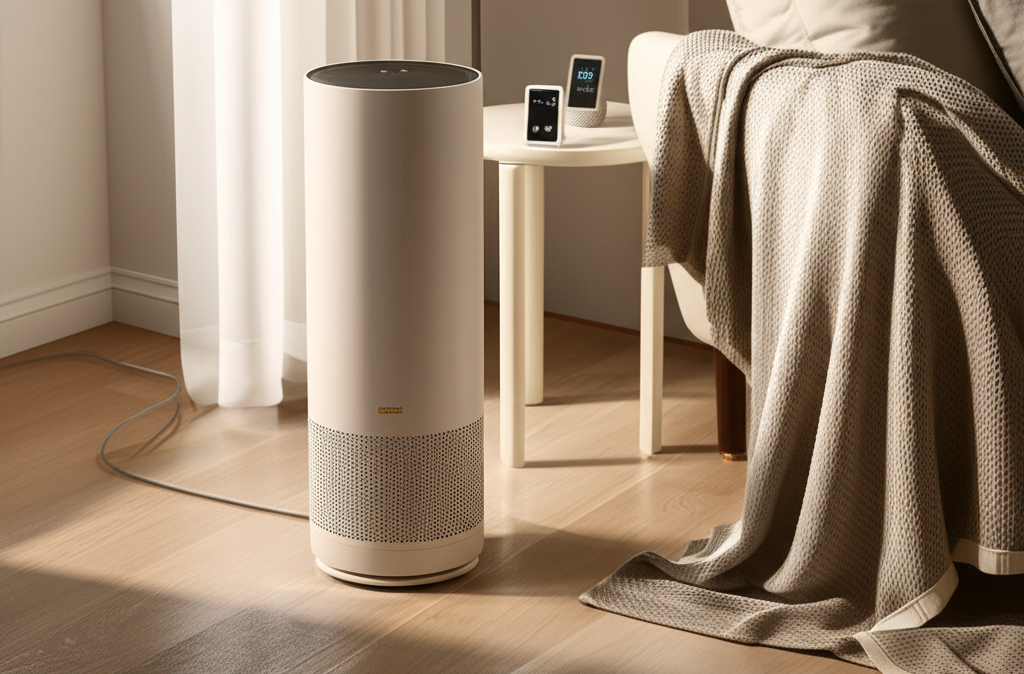
Yes, IKEA air purifiers are designed to work effectively for their intended room sizes, using multi-stage filtration to remove common pollutants like dust, pollen, and odors.
What is the best IKEA air purifier?
The “best” depends on your needs. The FÖRNUFTIG is great for smaller spaces and budgets, while the STARKVIND offers smart features and potentially higher performance for medium spaces.
How often should I replace IKEA air purifier filters?
Typically, HEPA and carbon filters should be replaced every 6-12 months, depending on usage and air quality. Check your specific model’s manual for exact recommendations.
Are IKEA air purifiers noisy?
On lower settings, IKEA air purifiers are generally quiet and unobtrusive. Higher settings will produce more noticeable fan noise, which is standard for most air purifiers.
Can IKEA air purifiers help with pet dander?
Yes, the HEPA filters in IKEA air purifiers are effective at capturing pet dander, helping to reduce allergens for pet owners.
Are IKEA air purifiers energy efficient?
IKEA air purifiers are designed with energy efficiency in mind, consuming relatively low amounts of electricity, especially on lower fan speeds.
Conclusion: Are IKEA Air Purifiers Good for You?
So, are IKEA air purifiers good? For many people, the answer is a resounding yes. They offer a fantastic balance of affordability, effective basic purification, and user-friendly design. If you’re looking to improve the air quality in smaller to medium-sized rooms, tackle common allergens and odors, and appreciate a minimalist aesthetic without breaking the bank, an IKEA air purifier is a worthy consideration.
While they may not compete with high-end models in terms of raw power or advanced features for extremely demanding environments, they provide excellent value. By understanding your needs and choosing the right IKEA model, you can enjoy cleaner, fresher air and a more comfortable home.
