Are Air Purifiers Good For Pets? Essential Benefits

Yes, air purifiers are very good for pets, significantly improving their health and comfort by removing allergens, dander, odors, and harmful airborne particles that can affect both pets and their owners.
Are Air Purifiers Good For Pets? Essential Benefits for a Healthier Home
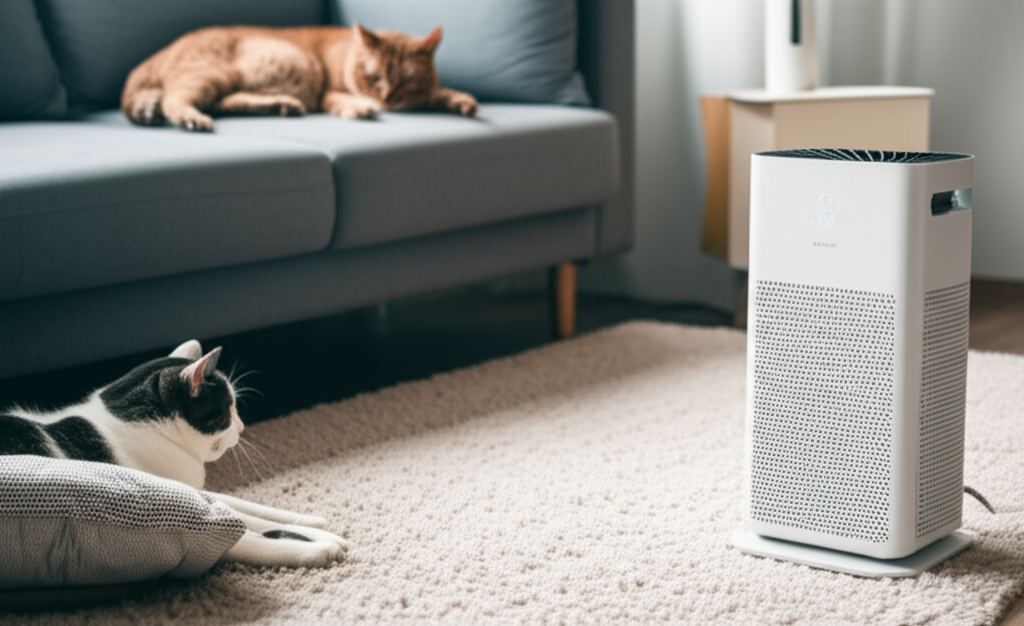
Living with furry friends brings immense joy, but it can also introduce challenges like pet dander, odors, and potential allergens into our homes. If you’ve been wondering, “are air purifiers good for pets?”, the answer is a resounding yes! These devices can dramatically improve the air quality in your home, creating a healthier and more comfortable environment for both your beloved animals and your family. Let’s explore the essential benefits and how an air purifier can be a game-changer for pet owners.
Understanding the Air Quality Challenges Pets Create
Pets, while wonderful companions, contribute to indoor air pollution in several ways. Their dander, microscopic skin flakes, is a common allergen. Pet saliva and urine can also become airborne. Furthermore, the distinctive “pet odor” is a combination of various compounds released by your pets. These particles and smells can linger in the air, affecting respiratory health.
The Core Functionality of Air Purifiers for Pet Homes
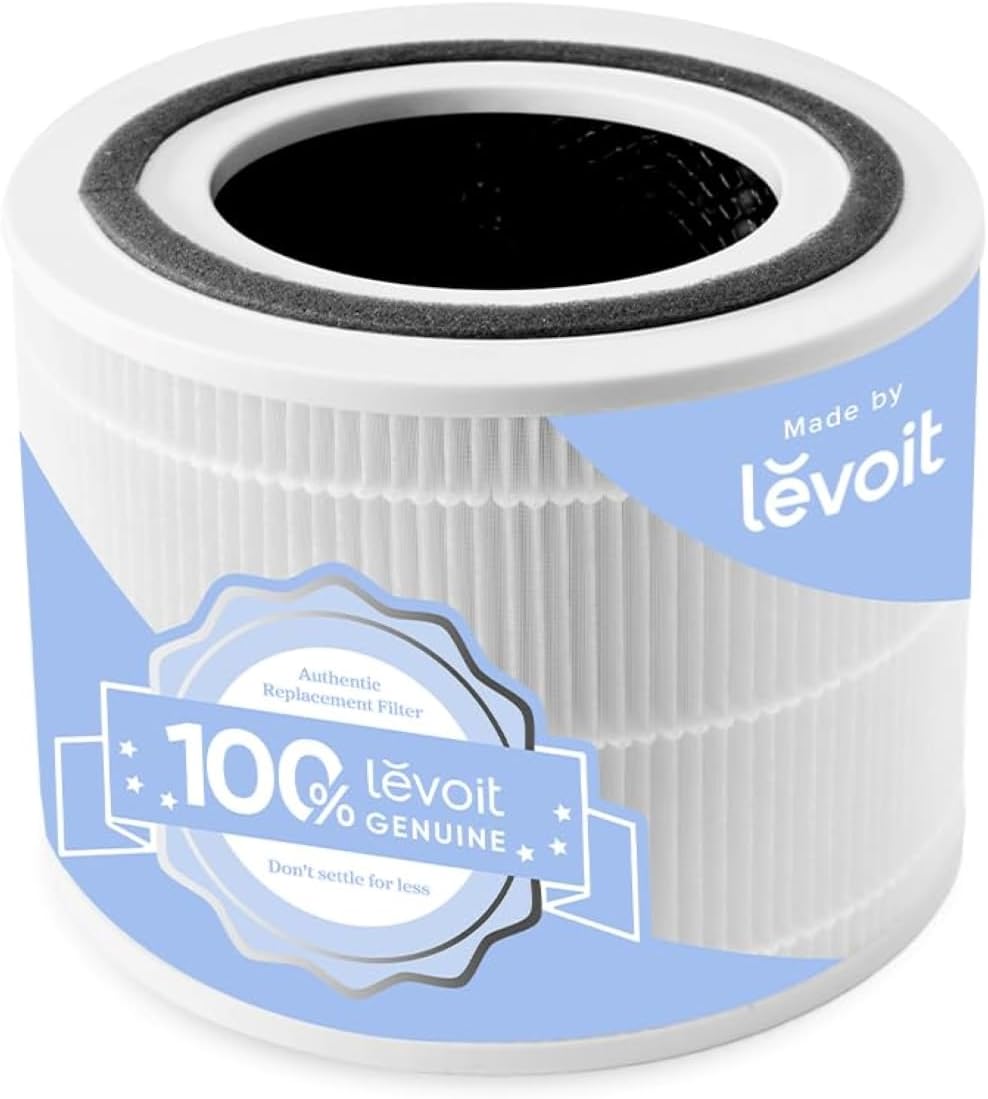
Air purifiers work by drawing in the surrounding air, passing it through a filtration system, and then releasing cleaner air back into the room. For pet owners, this means trapping those pesky dander particles, odor-causing molecules, and other airborne irritants before they can settle on surfaces or be inhaled. The most effective models utilize multi-stage filtration, often including a pre-filter, an activated carbon filter, and a HEPA filter.
Essential Benefit 1: Reducing Allergens and Dander
For many, the primary reason to consider an air purifier is its ability to combat allergens. Pet dander is notoriously small and can easily become airborne, triggering allergies in sensitive individuals. An air purifier with a true HEPA filter is designed to capture at least 99.97% of airborne particles as small as 0.3 microns, effectively removing dander before it causes sneezing, itching, or respiratory distress. This makes living with pets much more comfortable for allergy sufferers.
Essential Benefit 2: Eliminating Unpleasant Pet Odors
Let’s face it, pets can sometimes bring… distinctive aromas into our homes. While regular cleaning helps, persistent odors can be a challenge. Activated carbon filters are the superheroes here, effectively adsorbing volatile organic compounds (VOCs) and odor molecules responsible for that “wet dog” or litter box smell. An air purifier can significantly neutralize these odors, leaving your home smelling fresh and clean.
Essential Benefit 3: Protecting Pets from Airborne Irritants
It’s not just humans who can suffer from poor air quality. Pets can also experience respiratory issues, especially those with pre-existing conditions like asthma or bronchitis. Airborne irritants such as dust, pollen tracked in by pets, and even airborne mold spores can exacerbate their symptoms. By removing these irritants, air purifiers help ensure your pets can breathe easier and enjoy a healthier environment.
Essential Benefit 4: Capturing Microscopic Particles and Pathogens
Beyond dander and odors, air purifiers capture a wide range of microscopic particles. This includes dust mites, mold spores, bacteria, and viruses that might be circulating in your home. While not a substitute for veterinary care, reducing the presence of these airborne pathogens can contribute to a generally healthier living space for everyone, including your pets. Many models are effective against these tiny threats.
Essential Benefit 5: Improving Overall Home Hygiene
When an air purifier effectively removes airborne particles, it means less dust and dander settles on your furniture, floors, and other surfaces. This translates to less frequent and less intensive cleaning for you, which is a welcome bonus for any pet owner. A cleaner home environment is a more hygienic one for both pets and people, reducing the spread of germs and allergens.
Choosing the Right Air Purifier for Your Pet’s Needs
Not all air purifiers are created equal, especially when it comes to pet households. Look for models with a true HEPA filter for allergen capture and a substantial activated carbon filter for odor control. Consider the size of the room the purifier will be in and choose a unit with an appropriate CADR (Clean Air Delivery Rate). Additionally, some purifiers feature specialized pet filters designed for enhanced performance in homes with animals.
Key Features to Look For:
- True HEPA Filter: Essential for capturing dander, dust, and pollen.
- Activated Carbon Filter: Crucial for absorbing odors. The more carbon, the better.
- Pre-Filter: Captures larger particles like pet hair, extending the life of other filters.
- Coverage Area (CADR): Ensure it matches the square footage of your room.
- Noise Level: Important if it will be in a living area or bedroom.
- Filter Replacement Indicator: Helps you know when to change filters.
Maintenance and Filter Replacement: Keeping Your Purifier Effective
To ensure your air purifier continues to function optimally, regular maintenance is key. This typically involves cleaning the pre-filter periodically to remove pet hair and dust, and replacing the HEPA and activated carbon filters according to the manufacturer’s recommendations. Neglecting filter changes can significantly reduce the purifier’s effectiveness and even lead to it becoming a source of odors itself.
Comparing Air Purifier Technologies for Pet Owners
Different air purification technologies exist, each with its pros and cons for pet owners. While HEPA and activated carbon filters are widely considered the most effective for common pet-related issues, other technologies like UV-C light or ionizers are sometimes included. It’s important to research these technologies, as some ionizers can produce ozone, which may be harmful to pets and people with respiratory sensitivities. For a safe and effective solution, focus on HEPA and carbon filtration.
Real-World Impact: A Healthier Environment for All
Many pet owners report significant improvements in allergy symptoms and a noticeable reduction in pet odors after using an air purifier. Pets themselves may appear more comfortable, with fewer instances of scratching or sneezing. This creates a more harmonious living environment where everyone can breathe easier and enjoy each other’s company without the drawbacks of airborne pollutants. The benefits extend to improved sleep quality for humans too.
Frequently Asked Questions About Air Purifiers and Pets
Do air purifiers help with cat allergies?
Yes, air purifiers are excellent for cat allergies. They effectively capture the microscopic dander and proteins from cat saliva and urine that are the primary triggers for cat allergies.
Can air purifiers eliminate dog smell?
Absolutely. Air purifiers equipped with a robust activated carbon filter are highly effective at adsorbing and neutralizing the volatile compounds responsible for dog odors, leaving your home smelling much fresher.
How often should I run an air purifier for my pets?
For optimal results, it’s recommended to run your air purifier continuously, especially in rooms where your pets spend the most time. This ensures a constant removal of airborne pollutants.
Are air purifiers safe for birds or small animals?
Generally, air purifiers with HEPA and carbon filters are safe for most pets, including birds and small animals. However, it’s best to avoid models that produce ozone, as this can be harmful to sensitive respiratory systems. Always place the purifier where your pet cannot interact with it directly.
Will an air purifier help with shedding?
An air purifier will capture airborne pet hair and dander, but it won’t directly reduce shedding. Regular grooming of your pet remains the best way to manage shedding. The purifier helps manage the fallout that becomes airborne.
What is the best type of air purifier for pet owners?
The best type of air purifier for pet owners typically features a multi-stage filtration system including a pre-filter for hair, a true HEPA filter for dander and allergens, and a substantial activated carbon filter for odor removal.
Conclusion: A Breath of Fresh Air for Your Pet Family
In conclusion, are air purifiers good for pets? The evidence overwhelmingly supports a resounding yes. They are an invaluable tool for any pet owner looking to create a healthier, cleaner, and more comfortable living environment. By effectively tackling pet dander, odors, and other airborne irritants, air purifiers not only benefit human family members, especially those with allergies, but also contribute significantly to the well-being of your beloved pets. Investing in a quality air purifier is an investment in the health and happiness of your entire furry family.