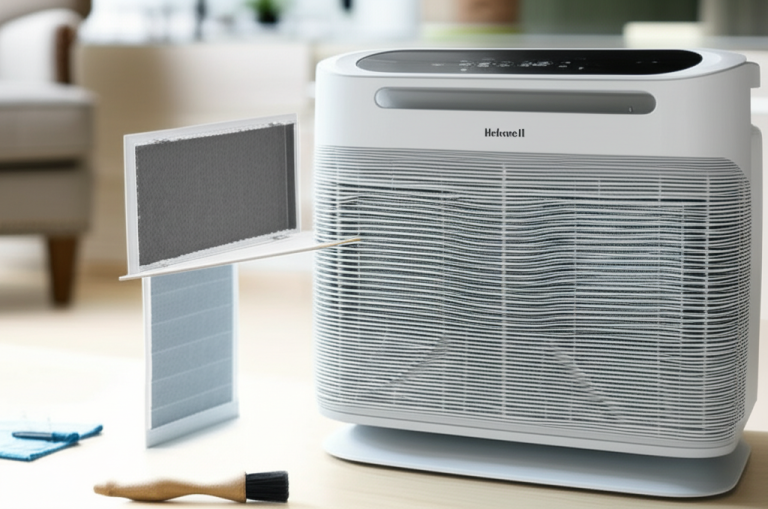
Air Purifier vs Open Window: Essential Health Choice

Air Purifier vs Open Window: Essential Health Choice
Choosing between an air purifier and an open window is a crucial health decision. While open windows offer fresh air, they can introduce allergens and pollutants. Air purifiers provide controlled filtration, removing harmful particles for a healthier indoor environment. This guide helps you make the best choice for your well-being.
Breathing clean air is fundamental to our health, yet many of us face a common dilemma: should we open a window for fresh air or rely on an air purifier? This choice can significantly impact the air quality inside your home, affecting everything from allergies and asthma to overall comfort and well-being. It’s a frustrating situation when you’re unsure which option truly benefits your health. Don’t worry; I’m here to guide you through the complexities of air purifier vs open window, helping you understand the pros and cons of each. We’ll explore how to make the most informed decision for a healthier living space.
The Fundamental Difference: Air Exchange vs. Air Filtration
The core distinction lies in how each method impacts your indoor air. An open window facilitates air exchange, allowing outdoor air to enter and indoor air to exit. An air purifier, on the other hand, actively filters the air already within your space, trapping pollutants. This fundamental difference dictates their effectiveness in various scenarios.
The Allure of the Open Window: Nature’s Ventilation
There’s an undeniable appeal to opening a window, especially on a pleasant day. It’s the simplest way to introduce fresh, oxygen-rich air into your home, which can feel incredibly refreshing. This natural ventilation can help reduce the concentration of indoor pollutants and improve the overall atmosphere.
Benefits of Opening Windows
- Natural Ventilation: Replenishes oxygen levels and dilutes indoor pollutants like VOCs and CO2.
- Cost-Effective: It’s free and requires no electricity or maintenance.
- Odor Removal: Effectively dissipates lingering cooking smells or pet odors.
- Humidity Regulation: Can help reduce indoor humidity in certain conditions.
Opening windows is a cost-free way to refresh your home’s air, offering a direct connection to the outside environment. This natural process can be very effective for immediate air circulation and odor elimination.
The Downside of Open Windows: Uninvited Guests
While refreshing, open windows can also be an invitation for unwelcome guests. Pollen, dust mites, outdoor pollutants, and even insects can easily enter your home, exacerbating allergies and respiratory issues. In urban areas or near busy roads, the air outside might be more polluted than inside.
The Science Behind Air Purifiers: Controlled Cleanliness
Air purifiers are sophisticated devices designed to actively clean your indoor air. They work by drawing in air, passing it through a series of filters, and then releasing cleaner air back into the room. This process is highly effective at removing specific airborne contaminants.
How Air Purifiers Work: A Closer Look
Air purifiers typically employ multiple stages of filtration. The most common is a HEPA (High-Efficiency Particulate Air) filter, which captures at least 99.97% of airborne particles 0.3 microns in size. Other filters, like activated carbon, can tackle odors and gases.
Types of Air Purifiers and Their Technologies
- HEPA Filters: The gold standard for capturing particulate matter like dust, pollen, and pet dander.
- Activated Carbon Filters: Excellent for adsorbing odors, smoke, and volatile organic compounds (VOCs).
- UV-C Light: Kills airborne bacteria, viruses, and mold spores.
- Ionizers: Release negative ions to charge particles, causing them to clump and fall or stick to surfaces. (Note: Some ionizers produce ozone, which can be harmful).
Understanding the different filter types helps you choose an air purifier that best suits your specific air quality concerns. Many modern units combine several technologies for comprehensive air cleaning.
Air Purifier vs Open Window: A Direct Comparison
When comparing an air purifier vs open window, the choice depends heavily on your environment and health needs. An open window offers broad air exchange but lacks control over what enters. An air purifier provides targeted removal of specific pollutants.
Key Factors to Consider
- Outdoor Air Quality: Is the air outside clean or polluted?
- Allergies and Sensitivities: Do you suffer from pollen allergies or asthma?
- Indoor Pollution Sources: Do you have pets, smoke indoors, or use harsh cleaning products?
- Season and Weather: Is it too cold, too hot, or too humid to open windows?
Your specific circumstances will dictate whether an air purifier or an open window is the superior choice for your home. It’s not always an either/or situation; sometimes, a combination is best.
When an Open Window is the Better Choice
There are specific situations where opening a window is the most sensible and beneficial option. These often involve situations where indoor air quality is stagnant or needs immediate refreshing.
Ideal Scenarios for Open Windows
- Mild Weather: On cool, crisp mornings or pleasant afternoons, natural ventilation is ideal.
- After Cooking or Cleaning: To quickly remove strong odors or chemical fumes.
- Reducing CO2 Levels: When many people are in a room, CO2 can build up, making it stuffy.
- When Outdoor Air is Clean: In rural areas or after a rain shower that has cleared the air.
In these instances, the simplicity and cost-effectiveness of an open window make it the clear winner for improving your immediate environment. Fresh air is often all that’s needed.
When an Air Purifier Shines
Air purifiers are indispensable when the goal is to control and remove specific airborne contaminants that an open window cannot manage. This is particularly true for individuals with health concerns.
Scenarios Favoring Air Purifiers
- High Pollen Counts: During allergy season, keeping windows closed and using a HEPA purifier is crucial.
- Urban Environments: Where outdoor air can be heavily polluted with smog and traffic emissions.
- Homes with Pets: To capture dander, fur, and associated odors.
- Individuals with Asthma or Allergies: To consistently remove triggers from the breathing air.
- Homes with Indoor Smoking: To filter out smoke particles and odors.
For consistent, controlled air purification, especially when dealing with allergens or pollutants, an air purifier offers a superior solution. It provides a reliable shield against harmful airborne particles.
The Impact of Outdoor Air Quality
The quality of the air outside your home is a critical factor in the air purifier vs open window debate. If your local air quality is poor, opening windows can actually worsen your indoor environment.
Monitoring Your Local Air
You can easily check your local air quality index (AQI) through various online resources and apps. Websites like AirNow.gov provide real-time data on pollutants like ozone, particulate matter, and carbon monoxide. This information is vital for making informed decisions about ventilation.
When Outdoor Air is Polluted
In cities or areas with industrial activity, traffic, or wildfire smoke, the outdoor AQI can be dangerously high. During these times, keeping windows sealed and relying on an air purifier is essential for protecting your health. An air purifier acts as a barrier against these external threats.
Allergies and Respiratory Health: A Crucial Consideration
For individuals suffering from allergies, asthma, or other respiratory conditions, the air they breathe indoors is paramount. The wrong choice can lead to significant discomfort and health complications.
Air Purifiers for Allergy Sufferers
A good HEPA air purifier can dramatically reduce the concentration of allergens like pollen, dust mites, pet dander, and mold spores in your home. This consistent removal of triggers provides much-needed relief and improves breathing.
The Risk of Open Windows for Allergies
During peak allergy seasons, opening windows can flood your home with pollen and other airborne allergens. This can trigger severe allergic reactions and asthma attacks, making your indoor sanctuary less safe. It’s often recommended to keep windows closed during high pollen times.
Humidity and Temperature: Comfort Factors
Beyond pollutants, temperature and humidity play significant roles in indoor comfort and health. Both air purifiers and open windows can influence these factors differently.
How Windows Affect Humidity and Temperature
Opening windows allows for natural temperature regulation and can help reduce high indoor humidity. However, it can also let in unwanted humidity during damp weather or make your home too cold or too hot, increasing energy costs.
Air Purifiers and Humidity Control
Most standard air purifiers do not directly control humidity. However, some specialized units, like those with dehumidifying or humidifying functions, can manage moisture levels. For pure air purification, they primarily impact temperature by circulating air.
Creating a Balanced Approach: The Best of Both Worlds
Often, the most effective strategy involves a balanced approach, leveraging the strengths of both air purifiers and open windows. It’s not always an either/or decision.
Strategic Ventilation
Consider opening windows during times of good outdoor air quality, like early mornings or after rain, to flush out stale indoor air. Then, close them and run your air purifier when outdoor conditions worsen or during peak allergy seasons. This strategy ensures you get fresh air when it’s safe and filtered air when it’s necessary.
Air Purifier Placement and Usage
For optimal performance, place your air purifier in the room where you spend the most time, such as your bedroom or living room. Ensure it’s adequately sized for the space and run it consistently, especially when windows are closed. Regular maintenance, like filter replacement, is also key.
Frequently Asked Questions (FAQ)
Can an air purifier completely replace the need for fresh air from an open window?
While an air purifier significantly improves indoor air quality by removing pollutants, it doesn’t replenish oxygen or remove carbon dioxide as effectively as natural ventilation. For optimal health, a balance is often best.
Is it better to open windows or use an air purifier during wildfire smoke events?
During wildfire smoke events, it is crucial to keep windows closed and use an air purifier with a HEPA filter and an activated carbon filter. This prevents the smoke and harmful particles from entering your home.
How often should I open my windows?
Ideally, open windows for 15-30 minutes daily, especially during times of good outdoor air quality, to exchange indoor air and reduce CO2 buildup. This can be done in the morning or evening.
Do air purifiers make noise?
Yes, air purifiers make noise, though the level varies by model and fan speed. Many are designed to be relatively quiet, especially on lower settings, and some have a “sleep mode.”
Are there any health risks associated with air purifiers?
Some air purifiers, particularly those using ionizers or ozone generators, can produce ozone, which is a lung irritant. It’s best to choose ozone-free models or use them with caution and proper ventilation.
When is the best time to use an air purifier versus opening a window?
Use an air purifier when outdoor air quality is poor, during high pollen seasons, or if you have pets or respiratory issues. Open windows when outdoor air is clean and pleasant, especially to reduce indoor CO2.
Conclusion: Your Healthiest Air Choice
The decision between an air purifier vs open window is a nuanced one, tailored to your specific environment and health requirements. While an open window offers the simple pleasure of fresh air, it can introduce allergens and pollutants. An air purifier provides a controlled environment, actively removing contaminants and offering a consistent source of cleaner air, especially vital for those with respiratory sensitivities or living in polluted areas. By understanding the strengths and weaknesses of each, and by considering factors like outdoor air quality, allergies, and personal comfort, you can create a healthier indoor atmosphere. Ultimately, the best choice is the one that ensures you and your family breathe the cleanest, healthiest air possible.