
Do Air Purifiers Remove Candle Scent? Essential Guide

Yes, air purifiers can remove candle scent, especially those equipped with activated carbon filters, which are highly effective at adsorbing odor molecules. However, their effectiveness depends on the type of candle, the air purifier’s filter quality, and the room’s ventilation.
Candles can bring a cozy ambiance and delightful fragrance to our homes, but what happens when the scent lingers longer than desired, or when we’re concerned about the byproducts of burning? Many of us turn to air purifiers to tackle various indoor air quality issues, but a common question arises: do air purifiers remove candle scent? This guide will demystify how air purifiers handle candle odors, what factors influence their effectiveness, and how to choose the right one for your needs. We’ll explore the science behind scent removal and offer practical tips to ensure your home smells fresh and clean.
Understanding Candle Emissions and Air Purification
Candles, while beautiful, release various compounds into the air when burned. These include volatile organic compounds (VOCs), soot particles, and the fragrance molecules themselves. Air purifiers are designed to capture or neutralize these airborne pollutants, but their ability to tackle specific scents like those from candles varies. The primary mechanism for scent removal relies on filtration technology, particularly activated carbon.
How Air Purifiers Tackle Candle Scents
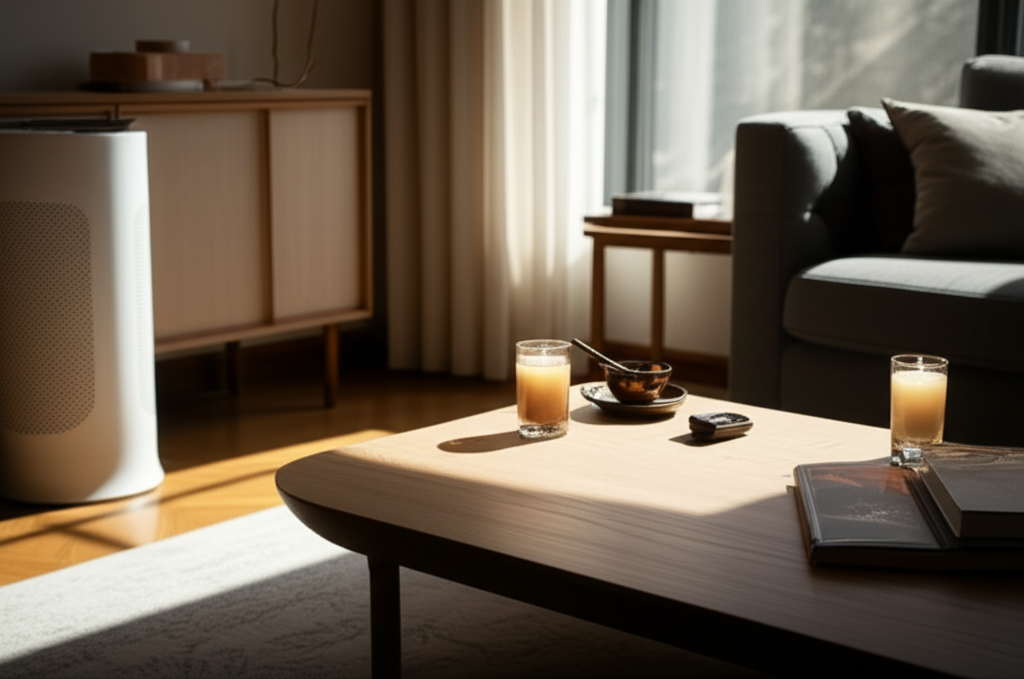
Air purifiers use different filtration stages to clean the air, and some are more effective at odor removal than others. A typical HEPA filter excels at capturing particulate matter like soot, but it’s the activated carbon filter that truly targets gaseous pollutants and odors. This porous material has a vast surface area that adsorbs scent molecules, effectively trapping them within the filter.
The Role of Activated Carbon Filters
Activated carbon is the hero when it comes to removing odors and VOCs from candle smoke. It’s treated to be extremely porous, creating countless tiny pores that attract and hold odor-causing molecules. The more activated carbon a purifier has, and the longer the air is in contact with it, the more effective it will be at eliminating candle scents.
Factors Influencing Scent Removal Effectiveness
Several elements play a crucial role in determining how well an air purifier can eliminate candle fragrances from your living space. It’s not a one-size-fits-all solution, and understanding these variables can help you manage expectations and optimize your air purification strategy.
Type of Candle Matters
The composition of the candle significantly impacts the scent and byproducts released. Soy or beeswax candles tend to burn cleaner than paraffin candles, producing fewer soot particles and potentially less intense or lingering odors. Scented candles, especially those with synthetic fragrances, release more complex VOCs that can be challenging for some air purifiers to fully neutralize.
Quality of the Air Purifier
Not all air purifiers are created equal, especially when it comes to odor elimination. A unit with a substantial activated carbon filter, often measured in pounds or a high carbon density, will perform much better than one with a thin, superficial carbon layer. The overall airflow rate (CADR) also influences how quickly the purifier can process the scented air.
Room Size and Ventilation
The size of the room and the existing ventilation system are critical. In a small, well-sealed room, a powerful air purifier can quickly process the air and remove scents. However, in a large, open-plan living area or a room with poor air circulation, the purifier will have a harder time keeping up with the continuous release of candle fragrance.
Air Purifier Technologies for Odor Removal
Different air purification technologies offer varying degrees of success in tackling candle scents. While some are highly effective, others might have limitations or even introduce new concerns. It’s essential to understand these technologies to make an informed decision.
HEPA Filters: Capturing the Particulates
High-Efficiency Particulate Air (HEPA) filters are designed to trap at least 99.97% of airborne particles 0.3 microns in size. For candles, this means they are excellent at capturing soot and smoke particles, which can carry some scent. However, HEPA filters do not adsorb gases or volatile organic compounds, so they alone won’t remove the fragrance molecules.
Activated Carbon Filters: The Odor Absorbers
As discussed, activated carbon filters are the primary technology for scent removal. They work through a process called adsorption, where gas molecules chemically bond to the surface of the carbon. This makes them highly effective against the VOCs and fragrance compounds emitted by candles.
Ionizers and Ozone Generators: A Word of Caution
Ionizers release negative ions that cause particles to clump together and fall out of the air. While they can help with soot, they are generally not effective for odor removal. Ozone generators, on the other hand, produce ozone gas, which can neutralize odors but is also a lung irritant and can be harmful at higher concentrations. Many reputable air purifiers avoid or offer ozone-free operation.
Best Air Purifier Features for Candle Scent Removal
When shopping for an air purifier specifically to combat candle scents, certain features should be prioritized. These features directly impact the unit’s ability to effectively neutralize and remove those lingering fragrances from your home environment.
High-Capacity Activated Carbon Filter
Look for air purifiers that boast a significant amount of activated carbon. This is often listed in pounds or kilograms, or the filter itself will appear dense and substantial. A thin carbon pre-filter won’t do much for persistent odors.
Sufficient CADR for Odors
While CADR (Clean Air Delivery Rate) is often discussed for pollen, dust, and smoke, there are specific ratings for odors. Ensure the purifier has a good CADR for smoke, as this often correlates with its ability to handle other gaseous pollutants and scents.
Multi-Stage Filtration Systems
The most effective air purifiers combine multiple filtration layers. A system that includes a pre-filter (for larger particles like soot), a true HEPA filter (for fine particles), and a substantial activated carbon filter will provide the most comprehensive air cleaning, tackling both the physical and gaseous components of candle emissions.
Ease of Maintenance and Filter Replacement
Activated carbon filters become saturated over time and need replacement to maintain their effectiveness. Check how often filters need to be changed and the cost of replacements. Some units have indicators to remind you when it’s time for a change.
How to Maximize Your Air Purifier’s Effectiveness
Even with the best air purifier, there are steps you can take to enhance its ability to remove candle scents. These practices, combined with your purifier’s capabilities, create a more robust solution for maintaining fresh air.
Placement is Key
Position your air purifier in the room where you burn candles most frequently. Ideally, place it a few feet away from walls and furniture to allow for optimal airflow. Placing it closer to the source of the scent can also help capture it more efficiently.
Run it Continuously or Preemptively
For the best results, run your air purifier continuously, especially in rooms where candles are burned. If you know you’ll be lighting a candle, turn the purifier on about 30 minutes beforehand to start cleaning the air proactively.
Consider Ventilation
While air purifiers clean recirculated air, some fresh air exchange can help. Occasionally opening a window for a short period can help dissipate strong odors, even with an air purifier running. However, this should be balanced with maintaining indoor air quality during periods of high outdoor pollution.
Regular Filter Maintenance
Follow the manufacturer’s recommendations for cleaning pre-filters and replacing HEPA and activated carbon filters. A clogged or saturated filter will significantly reduce the purifier’s performance.
Comparing Air Purifiers for Candle Scent Removal
Choosing the right air purifier involves comparing models based on their features and capabilities. Here’s a look at what differentiates them for tackling candle scents effectively.
Key Features to Compare
| Feature | Importance for Candle Scent | Notes |
| :———————— | :————————– | :———————————————————————————————— |
| Activated Carbon Amount | High | More carbon means better odor adsorption. Look for substantial weight or density. |
| HEPA Filter Type | Medium | Captures soot and particulate matter, which can carry scent. True HEPA is essential. |
| CADR (Smoke/Odor) | High | Indicates how quickly it cleans the air of smoke and odors. Match to room size. |
| Filter Replacement Cost | Medium | Ongoing cost; ensure it’s within your budget. |
| Noise Level | Medium | Important for living spaces; higher fan speeds are effective but can be noisy. |
| Energy Consumption | Low to Medium | Important for continuous use; look for Energy Star ratings. |
Popular Brands and Models
While specific model recommendations can change rapidly, brands known for robust activated carbon filters often include Austin Air, Coway, Blueair, and Levoit. Always check the specifications for the amount of activated carbon and the CADR rating for smoke. For instance, Austin Air’s HealthMate Plus model is often cited for its extensive carbon filtration, making it a strong contender for comprehensive odor and VOC removal.
Can Air Purifiers Remove All Candle Scents?
It’s important to set realistic expectations. While air purifiers are powerful tools, they may not eliminate every trace of a strong candle scent immediately. The effectiveness depends on the concentration of the odor, the type of fragrance, and the purifier’s capacity.
The Limits of Adsorption
Activated carbon filters have a finite capacity. Once the adsorption sites are filled with odor molecules, the filter will no longer be effective and needs replacement. Heavily scented candles burned frequently in a small space can saturate the carbon filter more quickly.
Residual Scents and VOCs
Some complex fragrance molecules or very high concentrations of VOCs might be harder to remove completely, especially if the air purifier is undersized for the room or the filter is nearing the end of its life. Persistent, faint residual scents might remain until the filter is replaced or the air is thoroughly exchanged.
When to Consider an Air Purifier for Candle Scents
If you frequently enjoy burning candles but are concerned about lingering odors, smoke particles, or potential VOCs, an air purifier can be a valuable addition to your home. It’s particularly beneficial for those sensitive to smells or concerned about indoor air quality.
For Scent Enthusiasts
If you love experimenting with different candle fragrances but dislike the idea of them dominating your home’s aroma, an air purifier can help manage these scents. It allows you to enjoy the ambiance without worrying about a permanent olfactory takeover.
For Health-Conscious Individuals
People with allergies, asthma, or sensitivities to fragrances and airborne irritants can benefit greatly. By removing soot particles and VOCs, air purifiers contribute to a healthier indoor environment.
For Maintaining a Neutral Home Environment
If you prefer a generally neutral scent in your home and want to quickly clear the air after enjoying a candle, an air purifier is an efficient solution. It helps reset the air quality to a clean baseline.
Frequently Asked Questions
Q1: Will a small air purifier work for candle scents?
A small air purifier might help in a very small room, but for effective scent removal, especially from strong candles, a unit with a larger capacity and a substantial activated carbon filter is recommended. The purifier needs to be sized appropriately for the room.
Q2: How often do I need to replace the carbon filter for candle scent removal?
This varies by manufacturer and usage. For frequent candle burning, you might need to replace the activated carbon filter every 3-6 months, whereas typical recommendations are often 6-12 months. Always check your purifier’s manual.
Q3: Can air purifiers remove the smell of burnt candles?
Yes, air purifiers with activated carbon filters are effective at removing the acrid smell of burnt candles, as well as the soot particles associated with it. Running the purifier immediately after a candle has burnt out will yield the best results.
Q4: Do air purifiers remove the wax smell from candles?
While the primary smell from scented candles comes from the fragrance oils, the wax itself also has a scent, especially when heated. Activated carbon filters can help adsorb these odor molecules, reducing the overall wax smell.
Q5: Are there any air purifiers specifically designed for candle smoke and scent?
While not exclusively designed for candles, air purifiers marketed for “smoke” or “odor removal” typically have robust activated carbon filters that are best suited for candle scents and smoke byproducts. Look for high CADR ratings for smoke and substantial carbon content.
Conclusion
So, do air purifiers remove candle scent? Absolutely, especially those equipped with high-quality, substantial activated carbon filters. They work by adsorbing the volatile organic compounds and fragrance molecules that create those lingering aromas. While HEPA filters capture the soot particles, it’s the activated carbon that truly tackles the scent itself. By understanding the factors that influence effectiveness—candle type, purifier quality, room size, and ventilation—you can make an informed choice. Prioritizing units with ample activated carbon, a good smoke CADR, and multi-stage filtration will ensure your air purifier effectively manages candle scents, contributing to a fresher, cleaner, and more pleasant home environment.
