
Do Air Purifiers Remove Microplastics? Essential Guide

Yes, certain types of air purifiers can significantly reduce microplastics in your home’s air, especially those equipped with HEPA filters, acting as a crucial line of defense against these pervasive particles.
Do Air Purifiers Remove Microplastics? Your Essential Guide to Cleaner Air
The air we breathe indoors is far from pure. Beyond dust and pollen, a growing concern is the presence of microplastics, tiny plastic fragments that have infiltrated our environment. You might be wondering, “Do air purifiers remove microplastics?” It’s a valid question as we strive for healthier living spaces. The good news is, with the right knowledge and equipment, you can take proactive steps. This guide will demystify how air purifiers tackle microplastics and what you need to know to make an informed choice.
Understanding Microplastics in Indoor Air
Microplastics are tiny plastic particles, generally less than 5 millimeters in size, originating from the breakdown of larger plastic items and synthetic materials. They are ubiquitous, found in everything from clothing fibers shed during washing to furniture, carpets, and even personal care products. These minuscule particles become airborne through everyday activities like walking, cleaning, and ventilation systems circulating air within our homes.
The constant shedding of synthetic fibers from textiles, like polyester and nylon, is a major contributor to indoor microplastic pollution. Even the wear and tear of furniture and flooring releases these particles into the air. Furthermore, outdoor air pollution can carry microplastics indoors, exacerbating the problem.
How Air Purifiers Work Against Microplastics
Air purifiers are designed to capture airborne particles, and many are effective at removing microplastics. Their effectiveness hinges on the type of filter they employ. The primary mechanism involves drawing air through a filtration system that traps particles of various sizes.
The most crucial component for microplastic removal is a High-Efficiency Particulate Air (HEPA) filter. These filters are rigorously tested and certified to capture at least 99.97% of airborne particles 0.3 microns in size. Given that many microplastics fall within this size range or larger, HEPA filters are highly efficient at trapping them.
The Role of HEPA Filters in Microplastic Capture
HEPA filters are engineered with a dense mesh of fine fibers that create a tortuous path for air to travel. As air is forced through this mesh, particles like microplastics collide with the filter fibers and adhere to them through various mechanisms, including interception, impaction, and diffusion.
These filters are incredibly effective because their intricate design physically traps particles. For microplastics, which can range from a few microns to hundreds of microns, a true HEPA filter provides a robust barrier. It’s essential to look for filters certified as “True HEPA” to ensure they meet the stringent capture standards.
Beyond HEPA: Other Filtration Technologies
While HEPA filters are the gold standard, other filtration technologies can contribute to cleaner indoor air, though their direct impact on microplastics might vary. Activated carbon filters, for instance, are excellent at adsorbing odors and volatile organic compounds (VOCs).
Pre-filters, often washable, capture larger particles like dust and hair, extending the life of the HEPA filter. Some purifiers also utilize UV-C light or ionizers, but their primary function isn’t microplastic removal. It’s important to understand that ionizers can sometimes produce ozone, which can be a lung irritant.
Choosing the Right Air Purifier for Microplastics
When selecting an air purifier, prioritize models with True HEPA filters. Check the manufacturer’s specifications to confirm the filter type and its efficiency rating. Consider the size of the room you intend to purify and choose a unit with an appropriate Clean Air Delivery Rate (CADR) for that space.
Look for air purifiers that explicitly mention their ability to capture fine particles, as this often implies effectiveness against microplastics. Brands like Coway, Levoit, and Blueair are often recognized for their robust filtration systems. Always research user reviews and independent testing results for specific models.
Where Do Microplastics Come From in Your Home?
Understanding the sources of indoor microplastics can help you implement complementary strategies. Synthetic textiles are a major culprit; clothing made from polyester, nylon, and acrylic sheds fibers during washing and wear. Carpets and upholstery made from synthetic materials also contribute significantly.
Household dust itself often contains microplastics from these sources, as well as from wear and tear of flooring, furniture, and even electronic devices. Cleaning activities can also aerosolize microplastics.
The Science Behind Air Purifier Effectiveness
Research has shown that air purifiers equipped with HEPA filters can indeed reduce airborne microplastics. Studies have measured a significant decrease in microplastic concentrations in rooms where air purifiers are in operation. The effectiveness depends on factors like the air purifier’s capacity, the room’s size, and the level of microplastic pollution.
For instance, a study published in the journal Environmental Science & Technology demonstrated that air purifiers could reduce indoor microplastic levels. While more research is ongoing, the consensus is that they are a valuable tool in mitigating exposure.
Limitations and Considerations
While air purifiers are effective at capturing airborne microplastics, they are not a silver bullet. They primarily address particles suspended in the air. Microplastics that have settled on surfaces will not be removed unless disturbed and become airborne again.
Furthermore, the effectiveness can be influenced by the air purifier’s placement, the frequency of filter changes, and the overall ventilation in the home. It’s crucial to maintain the air purifier by regularly cleaning or replacing filters as recommended by the manufacturer.
Complementary Strategies for Reducing Microplastic Exposure
To further minimize your exposure to microplastics, consider a multi-pronged approach. Washing synthetic clothing less frequently and using cooler water cycles can reduce fiber shedding. Consider using a washing machine filter to capture microfibers.
Opt for natural fiber clothing and furnishings when possible. Regular wet dusting and vacuuming with a HEPA-equipped vacuum cleaner can help remove settled microplastics from surfaces. Improving indoor air quality also involves reducing the sources of microplastics in the first place.
Air Purifier Maintenance for Optimal Performance
To ensure your air purifier continues to effectively capture microplastics, consistent maintenance is key. This includes regularly cleaning the pre-filter, which traps larger debris and extends the life of the HEPA filter. The HEPA filter itself typically needs replacement every 6 to 12 months, depending on usage and air quality.
Always follow the manufacturer’s guidelines for filter replacement schedules. Using genuine replacement filters is recommended to maintain the purifier’s efficiency and warranty. A clogged or old filter will significantly reduce the device’s ability to capture airborne particles, including microplastics.
Frequently Asked Questions
Can any air purifier remove microplastics?
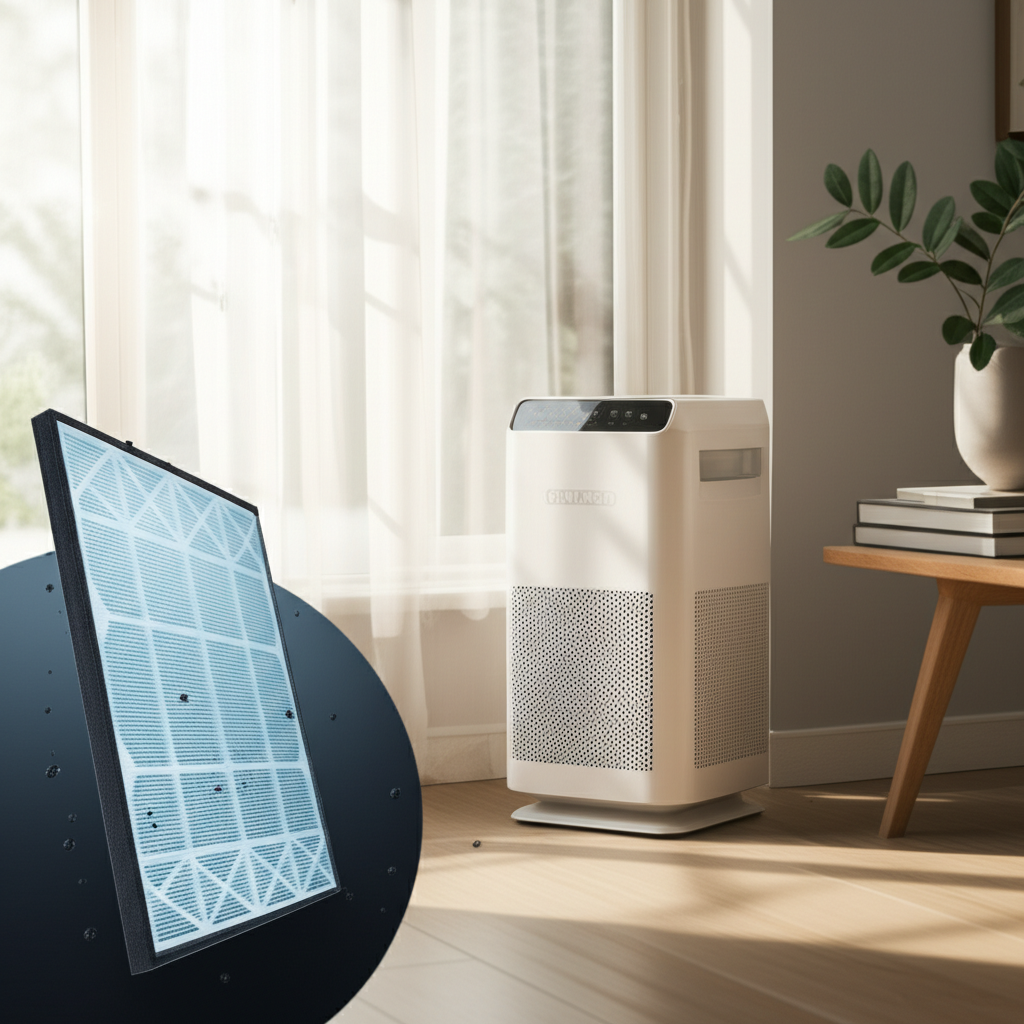
Not all air purifiers are equally effective. Those equipped with True HEPA filters are the most capable of capturing microplastics, as they are designed to trap very small particles.
How small are the microplastics that air purifiers can capture?
True HEPA filters are certified to capture at least 99.97% of airborne particles 0.3 microns in size. Many microplastics are larger than this, making them readily captured by HEPA filters.
Do air purifiers remove microplastics from water?
No, standard air purifiers are designed for airborne particles and do not filter microplastics from water. Specialized water filters are needed for that purpose.
Are there specific brands known for removing microplastics?
While many brands offer HEPA filters, brands like Coway, Levoit, and Blueair are often cited for their robust filtration systems that are effective against fine airborne particles, including microplastics.
How often should I change the filter in my air purifier to remove microplastics?
Filter replacement frequency varies by model and usage. Generally, HEPA filters should be replaced every 6 to 12 months. Always consult your manufacturer’s recommendations.
Will an air purifier remove microplastics shed from my clothes?
Yes, if the microplastics become airborne from clothing fibers, a HEPA-equipped air purifier can capture them from the air.
Is ozone from air purifiers a concern for microplastic removal?
Some air purifiers that use ionizers or UV light can produce ozone. It’s best to choose models that do not produce ozone or have an ozone-reduction feature, as ozone can be a lung irritant. Focus on HEPA filtration for microplastic removal.
Conclusion: A Breath of Fresher, Cleaner Air
In answer to the question, “Do air purifiers remove microplastics?”, the evidence points to a resounding yes, particularly for those featuring True HEPA filters. These devices act as crucial allies in the fight against invisible indoor pollutants, capturing a significant portion of airborne microplastics that originate from synthetic fibers and everyday wear and tear. While they are not a complete solution on their own, when combined with mindful consumption and cleaning habits, an air purifier significantly contributes to a healthier home environment. Investing in a quality air purifier with a HEPA filter is a proactive step towards breathing easier and reducing your exposure to these pervasive plastic particles.
