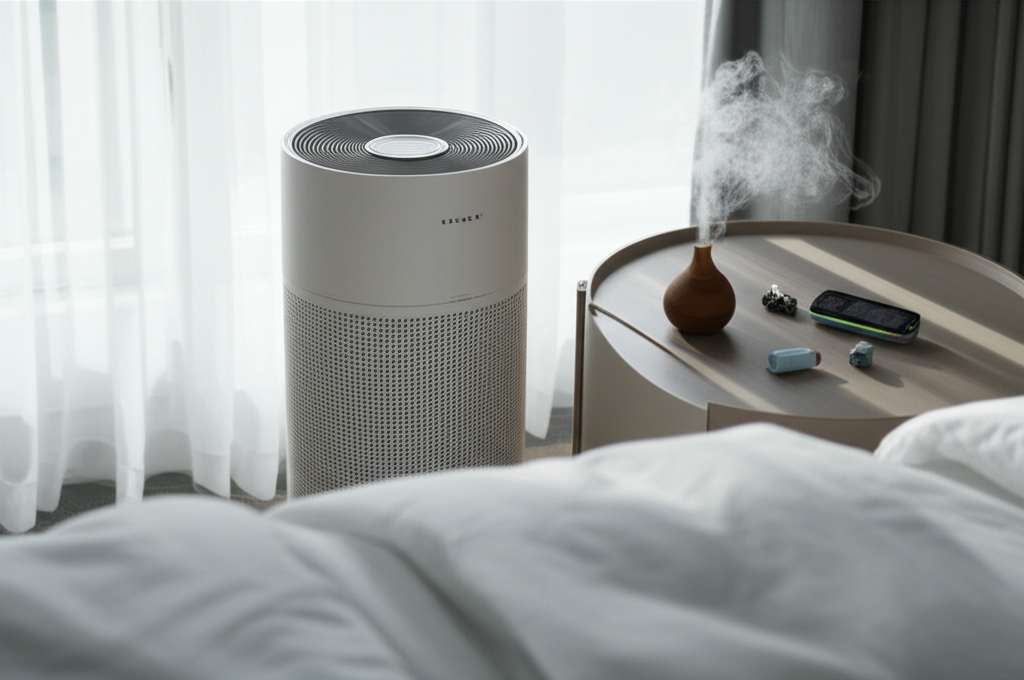
Which Air Purifier Is Best For Asthma: Proven Relief

The best air purifier for asthma provides proven relief by removing triggers like pollen, dust, and pet dander. Look for HEPA filters, activated carbon, and a CADR rating suitable for your room size to breathe easier and manage your asthma symptoms effectively.
Asthma can make everyday breathing a challenge. Allergens and irritants in the air can trigger uncomfortable symptoms. Finding the right air purifier can significantly improve your home environment and ease your breathing. This guide will help you understand what to look for. We will explore the key features that make an air purifier truly effective for asthma sufferers. Let’s find the best solution for your needs.
Why Air Purifiers Are Crucial for Asthma Management
Air purifiers help asthma by removing tiny particles from the air that can set off breathing problems. These particles include dust mites, pollen, pet dander, and mold spores. A good air purifier acts like a shield, cleaning the air you breathe indoors. This reduces your exposure to these common asthma triggers. Studies show that using air purifiers can lead to fewer asthma attacks and less reliance on medication. For example, the American Lung Association recommends air purifiers as part of an asthma management plan.
Using an air purifier can significantly reduce the concentration of airborne allergens and irritants in your home, leading to fewer asthma flare-ups. This proactive approach to air quality can empower you to take greater control over your respiratory health.
Understanding Asthma Triggers in Your Home
Common asthma triggers are often invisible to the naked eye. Dust mites live in carpets and bedding, feeding on dead skin cells. Pet dander, tiny flakes of skin from animals, floats in the air. Pollen enters your home from outdoors, especially during certain seasons. Mold spores can grow in damp areas like bathrooms and kitchens. Even strong odors from cleaning products or perfumes can irritate sensitive airways. Identifying these triggers in your home is the first step to controlling them.
Knowing what irritates your lungs helps you make informed choices about your environment. This includes selecting the right air purifier to target those specific issues.
Key Features to Look For in an Asthma Air Purifier
When choosing an air purifier for asthma, certain features are non-negotiable. The most important is a True HEPA filter. This filter captures at least 99.97% of airborne particles as small as 0.3 microns. This includes most common allergens and irritants. Look for an activated carbon filter as well; it absorbs odors and gases. Ensure the unit has a high enough Clean Air Delivery Rate (CADR) for your room size.
A True HEPA filter is essential for trapping microscopic asthma triggers. Activated carbon helps remove bothersome smells and volatile organic compounds (VOCs). A properly sized unit ensures effective air cleaning.
HEPA Filters: The Gold Standard for Asthma Relief
True HEPA (High-Efficiency Particulate Air) filters are the cornerstone of any effective air purifier for asthma. They are rigorously tested to meet specific standards for particle removal. This means they can trap microscopic irritants that would otherwise be inhaled. These tiny particles are often the culprits behind asthma flare-ups. Investing in a purifier with a True HEPA filter is a direct investment in cleaner air for your lungs.
HEPA filters work by forcing air through a fine mesh. This mesh traps harmful particles, preventing them from circulating back into your room. This process is vital for creating a healthier indoor breathing environment.
Activated Carbon Filters: Tackling Odors and Gases
While HEPA filters capture particles, activated carbon filters tackle gases and odors. These filters are made from charcoal that has been treated to be highly porous. This porosity allows it to adsorb (attract and hold) gases, chemicals, and odors. For asthma sufferers, this can mean relief from fumes from cooking, cleaning products, or even smoke. A combination of HEPA and activated carbon offers comprehensive air purification.
Activated carbon filters are particularly effective against VOCs, which can be emitted from paints, furniture, and cleaning supplies. These chemicals can exacerbate respiratory issues.
What is CADR and Why It Matters for Your Room Size
CADR stands for Clean Air Delivery Rate. It measures how quickly an air purifier can clean the air in a room. Higher CADR ratings mean faster and more effective air cleaning. It’s crucial to match the CADR to your room’s square footage. A purifier that is too small for a large room will struggle to clean the air adequately. Most manufacturers provide recommended room sizes for their units. Always check this before buying.
For example, a purifier with a high CADR for smoke will clean a room faster of smoke particles than one with a lower rating. This ensures your asthma triggers are removed efficiently.
Top Air Purifier Recommendations for Asthma Sufferers
Based on extensive research and expert reviews, several air purifiers stand out for their effectiveness in managing asthma symptoms. These models consistently feature True HEPA filters, robust activated carbon layers, and excellent CADR ratings for their size. They are designed to capture a wide range of allergens and irritants, providing tangible relief. User testimonials often highlight significant improvements in air quality and reduced asthma-related discomfort.
Here are a few highly-regarded options:
Coway Airmega AP-1512HH Mighty: Known for its powerful performance and smart features, this unit offers a True HEPA filter and a robust carbon filter. It’s ideal for medium to large rooms.
Blueair Blue Pure 411 Auto: This compact yet effective purifier uses a combination of electrostatic and mechanical filtration. It’s a great option for smaller spaces and bedrooms.
* Levoit Core 300S: A popular choice for its affordability and effectiveness, it features a True HEPA filter and can be controlled via a smartphone app. It is suitable for small to medium rooms.
When selecting, always consider the specific needs of your living space. Check independent reviews and asthma association recommendations.
Features That Can Make or Break Asthma Relief
Beyond the core filtration, some advanced features can further enhance an air purifier’s benefit for asthma. Look for units with an air quality sensor that automatically adjusts fan speed based on detected pollutants. This ensures optimal cleaning without constant manual intervention. Some models offer pre-filters to capture larger particles like hair, extending the life of the main HEPA filter. Smart connectivity, like Wi-Fi control and app integration, allows for easy monitoring and scheduling.
Consider features that simplify operation and maintenance. A quiet sleep mode is also beneficial for bedrooms, ensuring undisturbed rest.
Maintaining Your Air Purifier for Peak Performance
To ensure your air purifier continues to provide effective asthma relief, regular maintenance is key. This primarily involves cleaning or replacing the filters as recommended by the manufacturer. HEPA filters typically need replacing every 6-12 months, depending on usage and air quality. Activated carbon filters may need replacement more frequently. Pre-filters can often be washed. Neglecting filter maintenance significantly reduces the purifier’s effectiveness.
Keeping your filters clean and up-to-date is as important as choosing the right purifier. It ensures the device continues to capture those tiny particles that trigger your asthma.
Understanding Air Purifier Certifications and Standards
When looking for the best air purifier for asthma, pay attention to certifications. The Association of Home Appliance Manufacturers (AHAM) Verifide mark indicates that the CADR ratings have been independently tested. Energy Star certification means the unit is energy-efficient, saving you money on electricity bills. For medical-grade performance, some purifiers may meet specific standards, though this is less common for home use. Always check the manufacturer’s specifications for filter types and performance claims.
These certifications provide an extra layer of assurance that the product performs as advertised. They help you make a confident purchasing decision.
Common Mistakes to Avoid When Buying an Air Purifier for Asthma
One common mistake is buying an air purifier that is too small for the room. An undersized unit won’t be able to circulate and clean the air effectively. Another mistake is relying solely on the appearance of the unit; focus on the filtration technology and CADR rating instead. Some people also overlook the cost of replacement filters, which can add up over time. Finally, avoid purifiers that use ozone generation, as ozone can be a lung irritant and worsen asthma.
Always prioritize performance and safety features over aesthetics or price alone. A well-chosen air purifier is a long-term investment in your health.
Frequently Asked Questions About Air Purifiers for Asthma
Q1: Can an air purifier cure asthma?
No, an air purifier cannot cure asthma. It helps manage symptoms by cleaning the air and reducing exposure to triggers.
Q2: How often should I run my air purifier for asthma?
It’s generally recommended to run your air purifier continuously, especially in rooms where you spend the most time, like bedrooms and living areas.
Q3: Are ozone-generating air purifiers safe for people with asthma?
No, ozone can irritate the lungs and worsen asthma symptoms. It’s best to choose purifiers that do not produce ozone.
Q4: What size room is my air purifier best for?
Check the manufacturer’s specified room size and CADR rating. Match this to the square footage of the room you intend to use it in.
Q5: How do I know if my air purifier is working effectively for my asthma?
You may notice fewer asthma symptoms, less dust accumulation, and fresher-smelling air. Consistent use is key to experiencing benefits.
Q6: Can air purifiers help with pet allergies and asthma?
Yes, air purifiers with True HEPA filters are very effective at capturing pet dander and other allergens that can trigger asthma.
Conclusion: Breathe Easier with the Right Air Purifier
Choosing the best air purifier for asthma is a significant step towards better respiratory health. By focusing on True HEPA filtration, adequate activated carbon, and appropriate CADR ratings for your space, you can create a cleaner, healthier indoor environment. Remember to maintain your unit by regularly replacing filters. This proactive approach can lead to fewer asthma flare-ups and improved quality of life. Don’t let indoor air quality compromise your well-being; invest in a reliable air purifier today.
For more tips on improving indoor air quality and managing asthma, visit the Environmental Protection Agency (EPA) website.