
Which Air Purifier Is Best For Allergies: Proven Relief

For proven relief from allergies, the best air purifiers use HEPA filters to capture tiny allergens like pollen and dust. Look for models with activated carbon filters to tackle odors and VOCs, and consider room size, noise level, and CADR for optimal performance in your home.
Breathe Easier: Finding the Best Air Purifier for Your Allergies
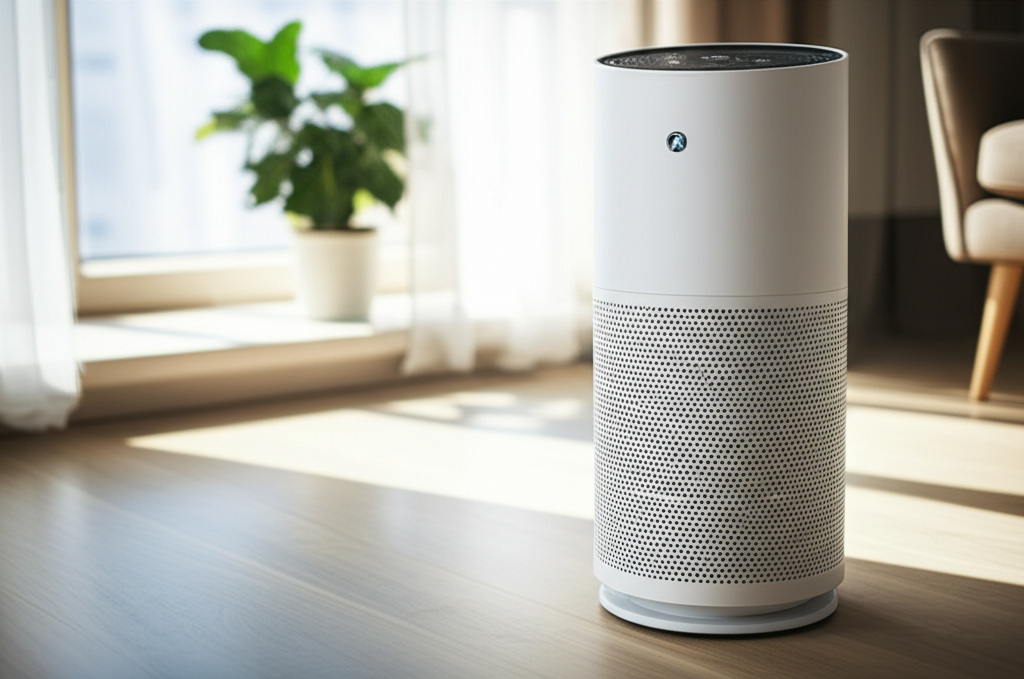
Are you tired of sneezing, itchy eyes, and a stuffy nose? Allergies can make your own home feel like a battleground. But what if you could fight back with a simple, effective tool? This guide will show you exactly which air purifier is best for allergies and how it can bring you much-needed relief. We’ll break down what makes an air purifier great for allergy sufferers, so you can finally breathe freely.
Understanding Allergens and Air Purifiers
Allergens are tiny particles that trigger allergic reactions. Common ones include pollen, dust mites, pet dander, and mold spores. These float in your air, often unseen. An air purifier acts like a powerful vacuum for your air. It pulls in the air, filters out these allergens, and releases cleaner air back into your room. This can significantly reduce your exposure to triggers.
The Crucial Role of HEPA Filters
When searching for which air purifier is best for allergies, always look for a True HEPA filter. HEPA stands for High-Efficiency Particulate Air. These filters are designed to capture at least 99.97% of airborne particles that are 0.3 microns in size. This includes most common allergens like dust, pollen, and pet dander. It’s a critical feature for allergy relief.
A True HEPA filter is essential because many allergy triggers are very small. They can easily pass through standard filters. By trapping these tiny particles, a HEPA filter directly reduces the allergens you breathe.
Beyond HEPA: Activated Carbon for Odors and Gases
While HEPA filters tackle particles, activated carbon filters are vital for other allergy irritants. These filters are made from charcoal that has been treated to be extremely porous. This porosity allows them to absorb gases, odors, and Volatile Organic Compounds (VOCs). VOCs can come from cleaning products, paints, and even furniture.
Activated carbon helps remove unpleasant smells from pets or cooking. It also traps harmful chemicals that can irritate your respiratory system. Many top-rated air purifiers combine a HEPA filter with an activated carbon filter for comprehensive air cleaning.
Key Features to Consider for Allergy Relief
When choosing which air purifier is best for allergies, several features stand out. The Clean Air Delivery Rate (CADR) indicates how quickly an air purifier can clean a room. Higher CADR numbers mean faster cleaning. You also want to consider the room size the purifier is designed for. Ensure it matches your space for effective filtration.
Noise level is another important factor, especially for bedrooms. Look for models with lower decibel (dB) ratings for quieter operation. Some purifiers also offer smart features like app control or air quality sensors.
Comparing Top Air Purifier Technologies
| Technology | How it Works | Best For | Considerations |
| :—————- | :———————————————- | :————————————————————————- | :——————————————————————————– |
| HEPA Filter | Physically traps particles like dust and pollen. | Capturing allergens, dust, pet dander, mold spores. | Needs regular replacement; ensure it’s “True HEPA” for maximum effectiveness. |
| Activated Carbon | Absorbs odors, gases, and VOCs. | Removing smoke smell, pet odors, chemical fumes. | Effectiveness depends on the amount of carbon; also needs periodic replacement. |
| Pre-filter | Captures larger particles like hair. | Protecting the main HEPA filter and extending its lifespan. | Usually washable, making maintenance easier. |
| Ionizer | Releases negative ions to charge particles. | May help particles clump together for easier filtration. | Can produce ozone, which is an irritant for some; check for ozone-free models. |
| UV-C Light | Uses ultraviolet light to kill germs. | May help neutralize airborne viruses and bacteria. | Effectiveness can vary; not a primary solution for typical allergy triggers. |
Top Air Purifier Models for Allergy Sufferers (Examples)
Many brands offer excellent air purifiers for allergy relief. For instance, the Coway Airmega series is often praised for its powerful filtration and smart features. It typically includes a True HEPA filter and a carbon filter. Another popular choice is the Blueair Classic series, known for its quiet operation and energy efficiency. These models also focus on capturing fine particles effectively.
The Levoit Core 300S is a more budget-friendly option that still offers a True HEPA filter and good performance for smaller rooms. When looking at which air purifier is best for allergies, consider the specific needs of your space and budget.
What is CADR and Why It Matters
CADR stands for Clean Air Delivery Rate. It’s a measurement of how efficiently an air purifier cleans the air. There are usually three CADR ratings: for dust, pollen, and smoke. A higher CADR number means the purifier works faster and is more effective. For example, a purifier with a high smoke CADR can quickly remove smoke particles.
When choosing which air purifier is best for allergies, look for a CADR rating that is appropriate for your room size. A general rule is to choose a purifier with a CADR that is at least two-thirds of the room’s square footage. This ensures it can effectively clean the air.
Room Size and Placement: Maximizing Effectiveness
The effectiveness of any air purifier depends heavily on its placement and the room size it’s meant for. Always check the manufacturer’s recommended room size for the model you are considering. Placing a small purifier in a large room will not provide adequate filtration for your allergies. Conversely, a large purifier in a tiny room might be overkill and unnecessarily noisy.
For best results, place your air purifier in the room where you spend the most time, often the bedroom. Ensure there’s space around the unit for air to circulate freely. Avoid placing it directly against walls or furniture.
Maintenance: Keeping Your Purifier Working Well
Air purifiers require regular maintenance to perform at their best. The most important task is replacing the filters on schedule. HEPA filters typically need replacement every 6-12 months, while carbon filters may need replacing more often. Check your user manual for specific recommendations.
Many purifiers also have a pre-filter that catches larger debris like pet hair. This pre-filter can often be washed or vacuumed, which helps extend the life of the main HEPA filter. Neglecting filter maintenance means your purifier won’t capture allergens effectively.
Understanding Air Purifier Certifications
Look for certifications that verify an air purifier’s performance and safety. The AHAM Verifide mark, from the Association of Home Appliance Manufacturers, is a good indicator. It means the CADR ratings have been independently tested. Another important certification is Energy Star, which shows the unit is energy-efficient.
For allergy sufferers, it’s also wise to ensure the unit is CARB certified (California Air Resources Board). This means it meets strict standards for ozone emissions. Ozone can be a lung irritant, so choosing an ozone-free model is crucial for health.
Frequently Asked Questions About Allergy Air Purifiers
Q1: How often should I run my air purifier for allergies?
You should run your air purifier continuously, especially during allergy season. This ensures the air is constantly being cleaned. Turning it off when you’re not home can allow allergens to build up again.
Q2: Can air purifiers help with pet allergies?
Yes, air purifiers are very helpful for pet allergies. They capture pet dander, which is a common allergen shed by cats and dogs. A True HEPA filter is essential for trapping these small dander particles.
Q3: Do I need a special air purifier for mold allergies?
An air purifier with a True HEPA filter can help capture airborne mold spores. However, it won’t solve the source of the mold. You should address any moisture issues causing mold growth in your home.
Q4: Are air purifiers noisy?
Some air purifiers can be noisy, especially on higher settings. However, many modern units are designed for quiet operation. Look for models with low decibel (dB) ratings, especially if you plan to use it in a bedroom.
Q5: How do I know which air purifier is best for allergies in my specific room?
Consider the room’s square footage and the CADR rating of the air purifier. A higher CADR ensures more efficient cleaning for larger spaces. Also, think about the types of allergens you are most sensitive to.
Conclusion: Invest in Your Health with the Right Air Purifier
Choosing which air purifier is best for allergies involves understanding a few key features. A True HEPA filter is non-negotiable for capturing tiny allergens. An activated carbon filter adds protection against odors and gases. Always consider the CADR and recommended room size to ensure effective performance. By selecting a certified, well-maintained air purifier, you can significantly reduce allergens in your home. This leads to fewer allergy symptoms and a healthier living space. Take control of your indoor air quality today and experience the proven relief you deserve.
