What Is The Difference Between Air Purifier And Diffuser: Essential Guide

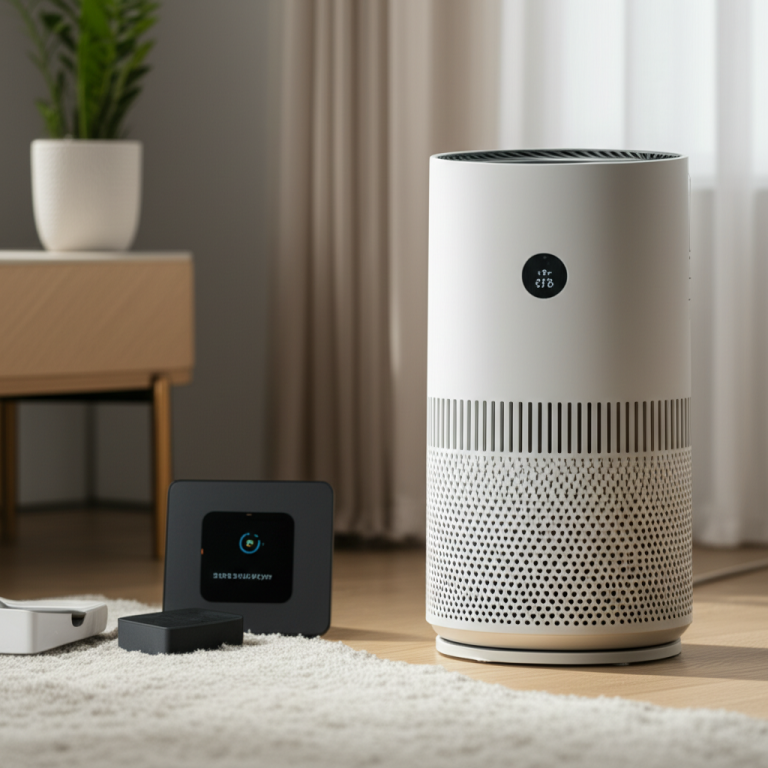
The main difference between an air purifier and a diffuser is their purpose: purifiers clean your air by removing pollutants, while diffusers add scents to your air. Understanding what is the difference between air purifier and diffuser helps you choose the right device for a healthier and more pleasant home environment.
In your quest for a cleaner, fresher, and more inviting home, you might have come across two popular devices: air purifiers and diffusers. They both work with the air in your home, but they do very different jobs. It’s easy to get them confused, especially when both can contribute to a better atmosphere. This guide will clearly explain what is the difference between air purifier and diffuser, helping you make the best choice for your needs. We’ll break down what each device does, how they work, and what benefits they offer.
What is an Air Purifier?
An air purifier is a device designed to remove contaminants from the air. It draws in air, passes it through a series of filters, and then releases cleaner air back into the room. These machines are excellent for improving indoor air quality by tackling microscopic particles that can affect your health. They are particularly useful for people with allergies, asthma, or other respiratory issues.
How Air Purifiers Work to Clean Your Air
Air purifiers typically use a fan to pull air into the unit. Inside, the air is forced through one or more filters. The most common type is a High-Efficiency Particulate Air (HEPA) filter, which can trap at least 99.97% of airborne particles as small as 0.3 microns. Other filters, like activated carbon filters, can remove odors and gases. The cleaned air is then expelled back into your living space.
The Role of Filters in Air Purification
Filters are the heart of an air purifier. A HEPA filter is essential for capturing tiny particles like dust, pollen, pet dander, and mold spores. Activated carbon filters are great for absorbing volatile organic compounds (VOCs) and smoke, which cause unpleasant smells. Some purifiers also include pre-filters to catch larger particles like hair, extending the life of the main filters.
Benefits of Using an Air Purifier
Using an air purifier can lead to significant health improvements. It reduces allergens and irritants, which can lessen allergy and asthma symptoms. Cleaner air can also help alleviate headaches and improve sleep quality. Furthermore, it can neutralize odors from pets, cooking, or smoke, creating a more pleasant living environment. Studies have shown that improved indoor air quality can positively impact cognitive function.
Common Pollutants Air Purifiers Target
Air purifiers are effective against a wide range of indoor air pollutants. This includes dust mites, pollen, pet dander, mold spores, and bacteria. They can also capture smoke particles from cigarettes or wildfires. Many models are also equipped to handle VOCs released from cleaning products, furniture, and paints, contributing to a healthier home.
What is a Diffuser?
A diffuser is a device that disperses essential oils into the air. It uses water and essential oil to create a fine mist. This mist carries the aroma of the essential oils throughout your room, creating a pleasant fragrance. Diffusers are primarily used for aromatherapy and to enhance the ambiance of a space.
How Diffusers Release Fragrance
Most diffusers work by using ultrasonic vibrations. These vibrations create a fine mist of water and essential oil, which is then released into the air. Some diffusers use heat or evaporation, but ultrasonic models are very popular. They are quiet and effective at dispersing the scent without altering the therapeutic properties of the oils.
Types of Essential Oil Diffusers
There are several types of diffusers available. Ultrasonic diffusers are the most common and use water and sound waves. Nebulizing diffusers use only essential oils, creating a more concentrated aroma. Heat diffusers use gentle heat to evaporate the oil, while evaporative diffusers use a fan to blow air through a scented pad.
Benefits of Using a Diffuser
Diffusers offer a natural way to improve your home’s atmosphere. Essential oils can promote relaxation, reduce stress, and boost your mood. Certain oils, like eucalyptus or tea tree, are believed to have antimicrobial properties. They also provide a lovely scent without the synthetic chemicals often found in artificial air fresheners.
Choosing and Using Essential Oils Safely
When using a diffuser, it’s crucial to select high-quality, pure essential oils. Always follow the manufacturer’s instructions for your specific diffuser. It’s important to use them in well-ventilated areas and be mindful of pets and children, as some oils can be harmful to them. A good rule of thumb is to use only a few drops of oil at a time.
Key Differences: Air Purifier vs. Diffuser
Now that we understand each device, let’s highlight what is the difference between air purifier and diffuser. The fundamental distinction lies in their primary function: air purification focuses on cleaning the air, while diffusion focuses on scenting it. One removes unwanted particles, and the other adds pleasant aromas.
Purpose and Functionality
An air purifier’s main goal is to improve air quality by removing allergens, dust, and pollutants. It acts like a filter for your home’s air. A diffuser’s main goal is to spread the aroma of essential oils for therapeutic or aesthetic purposes. It adds a scent to your environment.
How They Interact with the Air
Air purifiers actively draw air in, clean it through filters, and release it. This process reduces airborne contaminants. Diffusers, on the other hand, release a mist containing essential oils and water into the air. This mist adds fragrance and moisture, rather than removing anything from the air.
What They Add or Remove from the Air
An air purifier removes harmful particles like dust, pollen, pet dander, mold spores, and even some bacteria and viruses. It makes the air cleaner. A diffuser adds aromatic molecules from essential oils into the air. It makes the air smell good, and some also add a little humidity.
Can an Air Purifier and Diffuser Be Used Together?
Yes, an air purifier and a diffuser can often be used in the same room, but with some important considerations. They perform separate functions and do not interfere with each other’s primary job. However, it’s best to avoid using them at the exact same time in very small, enclosed spaces.
Using Them Simultaneously: Pros and Cons
Using both devices can offer a dual benefit: cleaner air and a pleasant scent. This can create a truly balanced and enjoyable atmosphere. The main concern is that if a diffuser is producing a very strong mist, it could potentially overwhelm the air purifier’s sensors or filters prematurely, though this is uncommon with modern devices.
Best Practices for Combined Use
To get the most out of both, consider running your air purifier continuously. You can then use your diffuser intermittently for a few hours at a time. This ensures your air is always being cleaned while you enjoy the benefits of aromatherapy when desired. Always ensure good ventilation in the room.
Which Device is Right for You?
The choice between an air purifier and a diffuser depends entirely on your needs and goals for your home environment. If your primary concern is health and reducing allergens, an air purifier is the way to go. If you want to create a relaxing or invigorating atmosphere with natural scents, a diffuser is your best bet.
When to Choose an Air Purifier
You should choose an air purifier if you suffer from allergies or asthma, live with pets, are concerned about pollution, or simply want to breathe cleaner air. They are essential for improving indoor air quality and reducing the presence of harmful airborne particles. For many, it’s a health necessity.
When to Choose a Diffuser
Opt for a diffuser if you enjoy aromatherapy, want to create a specific mood in your home, or prefer natural ways to scent your space. They are excellent for relaxation, stress relief, or simply making your home smell wonderful without artificial fragrances. It’s about enhancing sensory experience.
Understanding Air Quality Metrics
When considering air quality, it’s helpful to understand a few key metrics. Air purifiers work to reduce particulate matter (PM2.5 and PM10), volatile organic compounds (VOCs), and allergens. Diffusers, on the other hand, are not designed to measure or improve these metrics; they are for scent.
Particulate Matter (PM)
Particulate matter refers to tiny particles suspended in the air, like dust, smoke, and pollutants. Air purifiers, especially those with HEPA filters, are highly effective at capturing these particles. Reducing PM levels is crucial for respiratory health. For example, Statista reported that the global air purifier market is expected to grow significantly, highlighting the increasing concern over air quality.
Volatile Organic Compounds (VOCs)
VOCs are gases emitted from products like paints, cleaning supplies, and furniture. They can cause health problems and unpleasant odors. Activated carbon filters in air purifiers are designed to absorb these harmful gases. This is a key function that diffusers do not address.
Maintenance and Costs
Both air purifiers and diffusers require some maintenance and have ongoing costs. The type and frequency of maintenance, as well as the initial and running costs, can vary. Understanding these factors can help you budget and plan for your chosen device.
Air Purifier Maintenance
The primary maintenance for air purifiers involves cleaning or replacing the filters. HEPA filters typically need replacement every 6-12 months, depending on usage and air quality. Activated carbon filters may also need replacing. Some units have washable pre-filters that require regular cleaning.
Diffuser Maintenance
Diffusers require regular cleaning to prevent oil buildup and ensure optimal performance. This usually involves wiping down the reservoir and ultrasonic disc with a soft cloth and sometimes a mild cleaning solution. Essential oil bottles need to be stored properly to maintain their potency.
Cost Comparison
Air purifiers can have a higher initial purchase price, ranging from $50 to over $500, depending on features and coverage area. The ongoing cost is mainly for replacement filters, which can add up over time. Diffusers are generally less expensive to buy, often ranging from $20 to $100. Their main ongoing cost is the purchase of essential oils.
Frequently Asked Questions (FAQ)
Can I put essential oils in my air purifier?
No, you should never put essential oils in an air purifier. Air purifiers are designed with filters that can be damaged by oils, and this can ruin the unit and void its warranty. Oils are not meant to go through the filtration system.
Will an air purifier make my house smell better?
Yes, an air purifier can help make your house smell better by removing odor-causing particles and gases from the air. Activated carbon filters are particularly good at absorbing smells from cooking, pets, and smoke. However, it doesn’t add a scent like a diffuser does.
Can a diffuser help with allergies?
A diffuser does not directly help with allergies. Its purpose is to add scents to the air. While some essential oils have properties that some people find soothing, they do not remove the allergens themselves. An air purifier is what you need to remove allergens from the air.
How often should I run my air purifier?
It’s generally recommended to run your air purifier continuously, especially in rooms where you spend the most time, like bedrooms or living rooms. This ensures that the air is constantly being cleaned. For smaller spaces or if you have very mild concerns, running it for several hours a day might suffice.
How often should I run my diffuser?
You can run your diffuser for a few hours at a time, depending on your preference and the strength of the essential oil. It’s often recommended to take breaks from diffusing to avoid olfactory fatigue and to allow the air to recirculate. Always follow the manufacturer’s guidelines.
Conclusion: Choosing for a Healthier, Happier Home
Understanding what is the difference between air purifier and diffuser is key to making informed decisions for your home. An air purifier is a health-focused appliance that actively cleans your air by removing pollutants, allergens, and odors. A diffuser is an ambiance-enhancing device that adds pleasant fragrances to your space using essential oils. They serve distinct purposes and can complement each other for a well-rounded home environment.
If your priority is breathing cleaner, healthier air, especially if you have allergies, asthma, or pets, an air purifier is an essential investment. If you seek to create a calming, invigorating, or simply more fragrant atmosphere through natural scents, a diffuser will be your perfect companion. By choosing the right device—or even both—you can significantly improve the comfort and well-being of your living space.