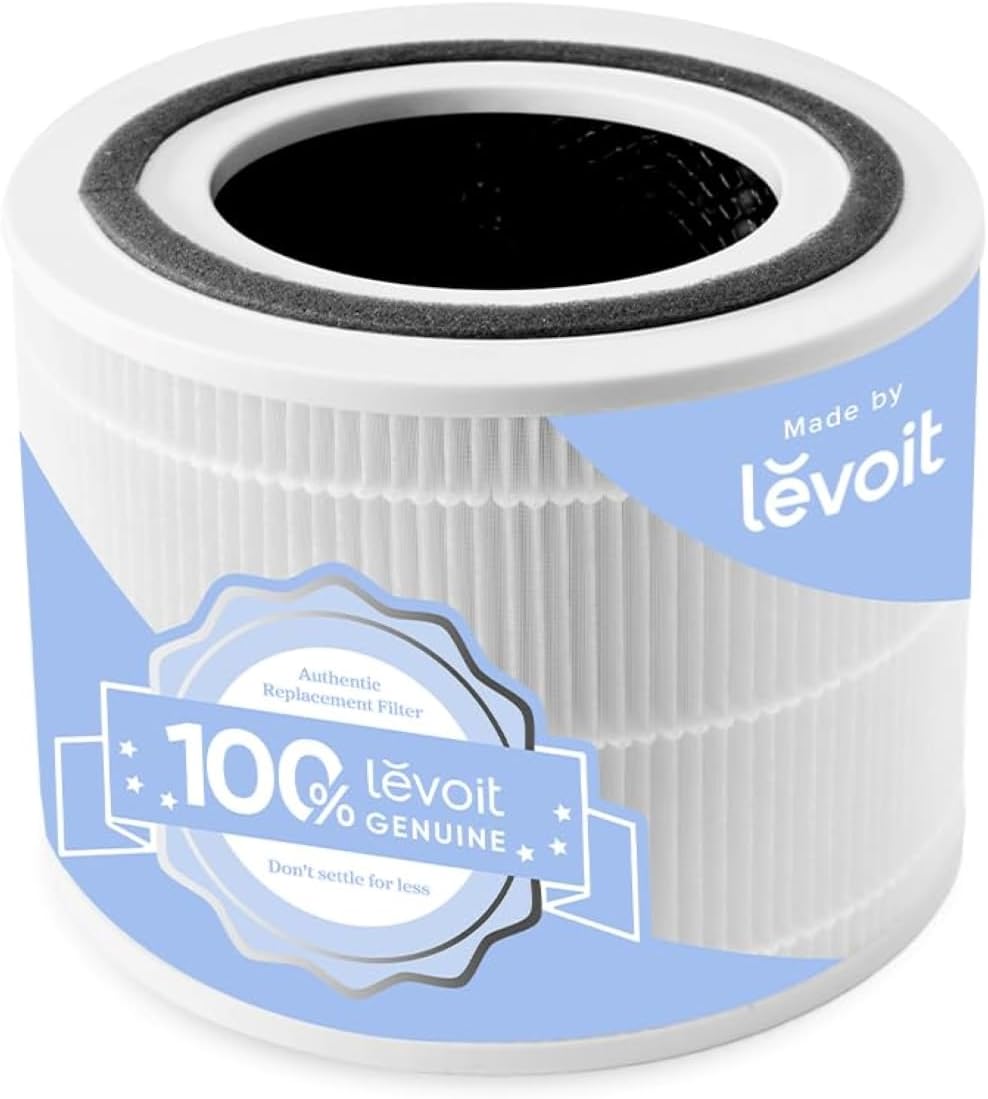
What Is a Good Air Purifier for Pets? Genius Solution

A good air purifier for pets tackles dander, odors, and allergens. Look for HEPA filters, activated carbon, and a suitable CADR for your space to ensure clean, fresh air for both you and your furry friends.
You love your pets dearly, but their presence can bring more than just cuddles into your home. Pet dander, shedding fur, and those inevitable pet odors can fill the air, making it less pleasant for everyone, especially those with allergies. Finding the right air purifier can feel like a quest, but it doesn’t have to be complicated. This guide will help you understand what makes an air purifier “good” for pet owners and point you toward a brilliant solution for a fresher home.
Why Do Pets Need Air Purifiers?
Pets shed microscopic skin flakes called dander. This dander, along with their fur, can become airborne. These particles can trigger allergies and asthma symptoms in humans. Air purifiers help capture these tiny irritants. They also work to reduce unpleasant pet odors. This creates a healthier and more comfortable living environment for all.
A good air purifier for pets acts as a silent guardian against airborne pet-related pollutants. It works by drawing in air, filtering out unwanted particles, and releasing cleaner air back into your home. This process is crucial for reducing allergens and smells.
What Makes an Air Purifier Good for Pets? Key Features to Look For
When choosing an air purifier for your home with pets, certain features are non-negotiable. These are the building blocks of effective pet air purification. Think of them as the essential tools for your air-cleaning mission.
True HEPA Filters: The Gold Standard for Pet Dander
A True HEPA filter is the most important component. It can capture at least 99.97% of airborne particles. These particles are as small as 0.3 microns. This includes pet dander, dust mites, pollen, and mold spores. Without a True HEPA filter, an air purifier will miss many of the allergens that bother pet owners.
Activated Carbon Filters: Banishing Pet Odors
Pet odors can be stubborn. Activated carbon filters are designed to absorb odors and gases. They work by trapping smell molecules from the air. This is different from HEPA filters, which focus on physical particles. A good pet air purifier will have a substantial amount of activated carbon. This ensures it can effectively tackle smells from litter boxes, wet dog, or other pet-related sources.
Pre-filters: Capturing Larger Debris
Pet hair and larger dust particles can clog up the more sensitive filters. A pre-filter acts as the first line of defense. It captures these larger items before they reach the HEPA and carbon filters. This extends the lifespan of your main filters. Many pre-filters are washable, making maintenance easier.
CADR Rating: Matching the Purifier to Your Space
CADR stands for Clean Air Delivery Rate. It measures how quickly an air purifier cleans a room. Higher CADR ratings mean faster air cleaning. For homes with pets, you want a CADR that matches your room size. Manufacturers often recommend a CADR for specific room square footage. It’s wise to choose a purifier with a CADR suitable for the room where your pet spends the most time.
Noise Level: Keeping the Peace
Air purifiers have fans that create noise. This is especially true for larger, more powerful units. Look for models with low decibel (dB) ratings, especially if you plan to use it in a bedroom or living area. Many purifiers offer different fan speeds, including a quiet “sleep mode.” This allows for effective purification without disturbing your peace.
How to Choose the Right Size Air Purifier for Your Pet-Friendly Home
Sizing an air purifier correctly is vital for its effectiveness. An undersized unit will struggle to clean the air. An oversized unit might be unnecessarily loud or expensive. Consider the square footage of the room where you’ll use it most.
Room Size and Air Changes Per Hour (ACH)
Most air purifiers are rated for specific room sizes. A common recommendation is for the purifier to change the air in the room at least four to five times per hour (ACH). This ensures pollutants are removed quickly and efficiently. For homes with multiple pets or severe allergies, a higher ACH might be beneficial.
Here’s a simple guide to help you match the purifier to your space:
| Room Size (sq. ft.) | Recommended CADR (Smoke) | ACH Target |
| :—————— | :———————– | :——— |
| 150-250 | 100-150 | 4-5 |
| 250-350 | 150-200 | 4-5 |
| 350-500 | 200-250 | 4-5 |
| 500+ | 250+ | 4-5 |
Note: CADR ratings are often given for smoke, dust, and pollen. The smoke rating is typically the lowest and most conservative. For pet owners, focusing on a strong smoke CADR is a good indicator of overall particle-cleaning power.
Consider Multiple Units for Larger Homes
If you have a larger home, a single large air purifier might not be enough. You might need to place smaller units in different rooms where your pets spend their time. This strategy can provide more consistent air cleaning throughout your living space. It ensures that wherever you and your pets are, the air is being filtered.
Top Features That Make a “Genius Solution” for Pet Owners
Beyond the basic filters, some air purifiers offer extra features that make them exceptionally well-suited for pet households. These enhancements can significantly improve your experience. They turn a good air purifier into a truly genius solution.
Smart Features and App Control
Many modern air purifiers come with smart capabilities. You can control them via a smartphone app. This allows you to adjust fan speed, set schedules, and monitor filter life remotely. Some even integrate with voice assistants like Alexa or Google Assistant. This convenience is a game-changer for busy pet owners.
Auto Mode and Air Quality Sensors
Auto mode is a fantastic feature. It uses sensors to detect the air quality in your room. If it senses an increase in pollutants (like dander after playtime), it automatically adjusts the fan speed. This ensures your air is always being cleaned effectively without you having to intervene. It’s like having an air quality butler.
Long-Lasting Filters and Easy Maintenance
Filter replacement is an ongoing cost. Look for air purifiers with long-lasting filters. Also, consider how easy they are to replace. Some models have indicator lights that tell you when it’s time for a change. Easy access and straightforward replacement procedures save you time and hassle.
What to Avoid in an Air Purifier for Pets
Not all air purifiers are created equal, especially when it comes to pets. Some features can actually be detrimental. Knowing what to avoid is just as important as knowing what to look for.
Ozone-Generating Purifiers
Some older or less sophisticated air purifiers use ozone to clean the air. Ozone can be harmful to both humans and pets, especially those with respiratory issues. It can irritate the lungs and throat. Always choose purifiers that explicitly state they do not produce ozone. The EPA warns against ozone-generating air cleaners.
Ionizers (Use with Caution)
While ionizers can help capture particles, they can also produce small amounts of ozone. Some pets are more sensitive to these byproducts. If you consider an air purifier with an ionizer, ensure it has a setting to turn it off. Also, check for independent lab certifications confirming low or no ozone production.
Overly Complex Controls
While smart features are great, ensure the basic functions are easy to use. If the purifier is too complicated, you might not use it effectively. A simple interface for manual control is essential, even if you plan to use auto mode.
Popular Air Purifier Brands and Models for Pets
Several brands have established themselves as leaders in the air purification market. They offer models specifically designed to handle pet-related issues. Researching these brands can provide a good starting point for your search.
Coway: A Fan Favorite
Coway is frequently recommended for pet owners. Their Airmega line, particularly models like the Coway Airmega 200M or Coway Airmega 400S, are highly rated. They feature True HEPA filters, substantial activated carbon, and robust build quality. Users often praise their quiet operation and effective odor removal.
Levoit: Budget-Friendly Power
Levoit offers excellent value. The Levoit Core 300S and Levoit Core 400S are popular choices. They provide True HEPA filtration and activated carbon at an accessible price point. These models are often praised for their compact size and ease of use, making them great for smaller spaces or bedrooms.
Blueair: Sleek Design and Performance
Blueair purifiers are known for their stylish design and efficient performance. Models like the Blueair Blue Pure 211+ Auto are effective at capturing pet dander and odors. They use a combination of HEPA-silent technology and activated carbon filters for quiet operation and powerful cleaning. Their larger units are suitable for open-plan living areas.
Real-World Impact: User Testimonials and Case Studies
Hearing from other pet owners can offer valuable insights. Many users report significant improvements in air quality after investing in a good air purifier.
“Before getting our Coway purifier, my allergies were terrible, especially during shedding season. Now, I can breathe so much easier, and the house just smells cleaner. It’s been a game-changer!” – Sarah K., Dog Owner.
A study published in the Journal of Allergy and Clinical Immunology highlighted the effectiveness of HEPA filtration in reducing indoor allergen levels. While not pet-specific, the principles apply directly to pet dander, a major allergen for many. Source: Journal of Allergy and Clinical Immunology
Setting Up and Maintaining Your Pet Air Purifier
Once you’ve chosen your air purifier, proper setup and regular maintenance are key to its performance. Following these steps ensures you get the most out of your investment.
Initial Setup
1. Unpack Carefully: Remove all packaging materials from the purifier and its filters.
2. Install Filters: Open the unit and install the HEPA and activated carbon filters according to the manufacturer’s instructions. Make sure they are seated correctly.
3. Placement: Position the purifier in the room where it will be most effective. Avoid placing it directly against walls or furniture, as this can obstruct airflow. Aim for a central location.
4. Power On: Plug in the unit and turn it on. Select your desired fan speed or set it to auto mode.
Regular Maintenance Schedule
Check Pre-filter: Clean the pre-filter weekly or bi-weekly, depending on your pet’s shedding. This is usually done by vacuuming it or washing it with mild soap and water. Ensure it’s completely dry before reinserting.
Monitor HEPA/Carbon Filters: Replace the HEPA and activated carbon filters as recommended by the manufacturer. This is typically every 6-12 months. Use the filter indicator light as a guide.
* Wipe Down Exterior: Clean the exterior of the unit periodically with a soft, damp cloth.
Consistent maintenance ensures your air purifier continues to operate at peak efficiency. It also prolongs the life of the unit.
Frequently Asked Questions About Pet Air Purifiers
Here are some common questions pet owners have about air purifiers.
Q1: Do I really need a HEPA filter for my pets?
Yes, a True HEPA filter is essential. It captures tiny pet dander and allergens that other filters miss. This is crucial for reducing allergy symptoms and improving air quality for everyone.
Q2: How often should I replace the filters in my pet air purifier?
Filter replacement frequency varies by model and usage. Generally, HEPA filters need replacing every 6-12 months, and carbon filters might need more frequent changes. Always check your manufacturer’s recommendations.
Q3: Can an air purifier completely eliminate pet odors?
While air purifiers significantly reduce pet odors, they may not eliminate them entirely. A good activated carbon filter is key. Odors are often a combination of airborne particles and lingering smells on surfaces.
Q4: Are air purifiers safe for cats and dogs?
Yes, most air purifiers are safe for pets. However, avoid ozone-generating models. Ensure the unit is stable and out of reach to prevent curious pets from knocking it over or damaging it.
Q5: How much does a good air purifier for pets cost?
Prices vary widely. Basic models can start around $50-$100, while high-end units with advanced features can range from $200 to $500 or more. Focus on features like True HEPA and activated carbon for the best results.
Q6: Can an air purifier help with pet shedding?
An air purifier helps by capturing the airborne dander and hair that gets into the air. It doesn’t stop shedding itself but makes the impact of shedding much less noticeable in the air.
Conclusion: Breathe Easier with the Right Air Purifier
Choosing what is a good air purifier for pets boils down to understanding your needs and the features that matter most. A True HEPA filter for dander and a robust activated carbon filter for odors are paramount. Coupled with the right size for your space and a commitment to regular maintenance, you can create a significantly cleaner and healthier home environment for you and your beloved pets. Investing in a quality air purifier is an investment in your family’s well-being. It’s a genius solution for a common pet-owner challenge, allowing everyone to breathe easier and enjoy more happy moments together.