
Vacuum Cleaner with Blower: Essential Clean

A vacuum cleaner with a blower function offers unmatched versatility for a spotless home, tackling everything from dust bunnies and pet hair to leaves and workshop debris with ease. It’s an essential tool for comprehensive cleaning.
It can be frustrating when your regular vacuum just pushes dirt around or can’t reach tight spots. Many homes have areas that a standard vacuum struggles with. Think about dusty workshops, garages, or even outdoor spaces. A vacuum cleaner with blower capability changes all that. It’s like having two powerful cleaning tools in one. This guide will show you why this dual-action cleaner is a must-have for a truly deep clean.
What is a Vacuum Cleaner with Blower?
A vacuum cleaner with blower is a cleaning device that can both suck up dirt and blow air out. It has a motor that can reverse its airflow. This means it can act as a powerful vacuum cleaner for floors and carpets. Then, with a simple switch or hose adjustment, it can become a blower. This blowing function is great for clearing away dust, leaves, or debris from hard-to-reach places.
This dual functionality makes it incredibly useful for various cleaning tasks around your home and garden. It saves you from buying separate tools for different jobs.
Why You Need a Vacuum Cleaner with Blower
Many cleaning tasks require more than just suction. Imagine needing to clear dust from behind a heavy appliance or blow away sawdust in your garage. A regular vacuum can’t do this. A vacuum cleaner with blower handles both by sucking up messes and then blowing away stubborn debris. It offers a complete cleaning solution for almost any situation.
This all-in-one approach saves time and space. You get the power of two tools in one convenient package.
Types of Vacuum Cleaners with Blower Functions
There are several types of vacuums that offer a blower feature. You can find them in canister vacuums, shop vacs, and even some powerful upright models. Canister vacuums often have a dedicated port for the blower hose. Shop vacs, designed for tough messes, almost always include a blower function. Some stick vacuums also have this capability for lighter blowing tasks.
The type you choose depends on your specific cleaning needs. A shop vac is best for heavy-duty work, while a canister might be better for general home use.
Canister Vacuums with Blower Ports
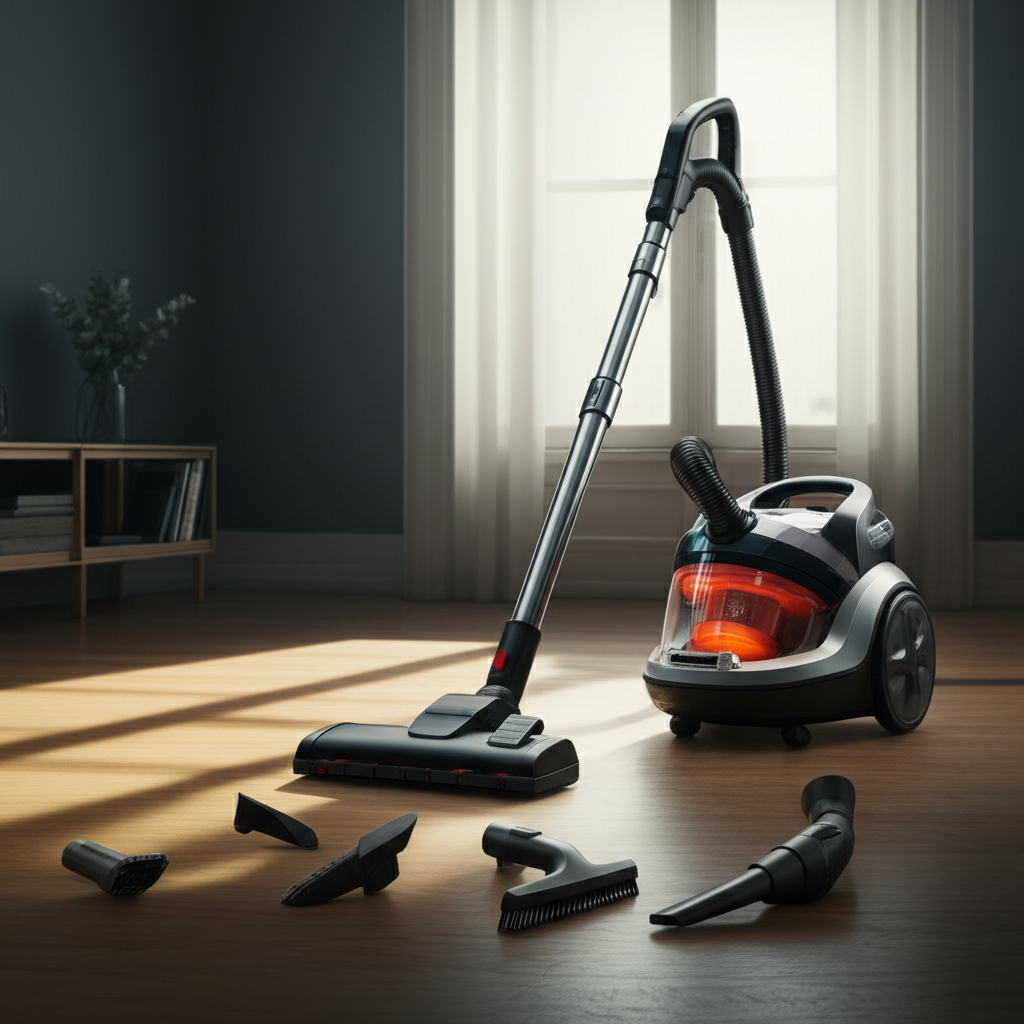
Many canister vacuums come with a special port. You can attach the hose to this port to use the blower function. This design makes switching between vacuuming and blowing very easy. These are great for general household cleaning and can handle light outdoor tasks. They offer good suction power and versatile attachments.
These vacuums provide a neat and efficient way to tackle dust and debris.
Shop Vacs: The All-Around Workhorses
Shop vacs are built for tough jobs. They are robust and designed to handle wet and dry messes. Almost all shop vacs have a powerful blower function. This makes them perfect for cleaning workshops, garages, cars, and even outdoor areas like patios. Their large capacity tanks also mean less emptying.
Shop vacs are the go-to choice for demanding cleaning tasks. Their durability and power are unmatched for heavy-duty work.
Handheld and Stick Vacuums with Blowing Capabilities
While less common, some handheld and stick vacuums now include a blower feature. These are usually lighter and designed for quick cleanups. They might be useful for blowing dust off shelves or clearing small debris from a workbench. Their blowing power is generally less than that of a shop vac.
These offer convenience for small, specific blowing tasks. They are easy to store and operate for quick jobs.
Key Features to Look For
When choosing a vacuum cleaner with blower, consider several important features. Look at the motor’s power (measured in amps or watts) for strong suction and blowing. Check the dustbin capacity, especially for shop vacs. Consider the types of attachments included, as they increase versatility. Cord length and weight are also important for ease of use.
The right features ensure your vacuum meets all your cleaning needs.
Suction Power and Airflow (CFM)
Motor power is crucial for both vacuuming and blowing. Higher wattage or amperage usually means more power. Look for the airflow rate, measured in Cubic Feet per Minute (CFM). A higher CFM means the vacuum can move more air. This translates to stronger suction and a more effective blower.
Strong CFM is essential for tackling tough debris. It ensures efficient cleaning performance.
Dustbin Capacity and Filtration
The size of the dustbin matters, especially if you clean large areas or deal with a lot of debris. A larger capacity means you won’t have to stop and empty it as often. Good filtration is also key to trapping fine dust particles. Look for HEPA filters if you have allergies or want cleaner air.
Proper filtration prevents fine dust from re-entering the air. It improves overall air quality.
Hose Length and Attachments
A longer hose gives you more reach. This is helpful for cleaning stairs, high shelves, or under furniture. The right attachments can transform your vacuum. Common attachments include crevice tools, brush heads, and extension wands. For blower use, a nozzle that concentrates airflow is useful.
Versatile attachments make your vacuum ready for any cleaning challenge. They extend its usefulness.
How to Use the Blower Function Effectively
Using the blower function is straightforward but requires a little technique. First, ensure the vacuum is set to blower mode. This often involves moving the hose to a different port or flipping a switch. Direct the airflow to gather debris into a pile. Then, you can easily vacuum up the pile. For delicate areas, use a gentler blowing force or stand further away.
Proper technique ensures efficient debris collection. It makes cleanup much faster.
Clearing Workshops and Garages
Workshops and garages often accumulate sawdust, metal shavings, and other fine particles. Use the blower function to push these particles into a central area. This makes them easy to collect with the vacuum function. You can also blow dust off tools and work surfaces. This keeps your workspace clean and safe.
This function is invaluable for maintaining a tidy and productive workshop. It helps keep tools in good condition.
Cleaning Outdoor Spaces
Patios, decks, and driveways can get covered in leaves, grass clippings, or dirt. Your vacuum cleaner with blower can tackle these messes. Blow the debris into a pile or towards a collection point. For larger areas, a powerful shop vac blower is ideal. It’s a great alternative to a leaf blower for smaller jobs.
This makes outdoor cleanup quick and easy. It’s a practical solution for yard debris.
Reaching Tight or Awkward Spots
Dust can gather in places your vacuum head can’t easily reach, like behind radiators or inside vents. The blower function can dislodge this dust. You can then vacuum it up. This is also useful for drying damp spots or clearing cobwebs from corners. The focused airflow gets into those difficult areas.
The blower function provides access to hidden dust and dirt. It ensures a thorough clean.
Maintenance for Your Vacuum Cleaner with Blower
Proper maintenance keeps your vacuum cleaner with blower working well. Regularly empty the dustbin. Clean or replace filters as recommended by the manufacturer. Check the hose and attachments for blockages. If using it for wet messes, ensure the vacuum is thoroughly dried before storing.
Taking care of your vacuum extends its life. It ensures it always performs at its best.
Cleaning Filters
Filters are crucial for trapping dust. Most filters can be rinsed with water. Make sure they are completely dry before putting them back in. Some filters are disposable and need to be replaced. Check your vacuum’s manual for specific instructions. Clean filters mean better suction and cleaner air.
Regular filter cleaning is vital for performance. It prevents clogs and maintains airflow.
Emptying and Cleaning the Dustbin
An overflowing dustbin reduces suction power. Empty it regularly, especially after cleaning large messes. For most vacuums, you can simply rinse the dustbin with water. Ensure it is completely dry before reattaching it to the vacuum. This prevents mold and keeps the vacuum smelling fresh.
A clean dustbin ensures optimal suction. It contributes to a healthier home environment.
Comparing Vacuum Cleaners with Blower Functions
Choosing the right vacuum cleaner with blower depends on your needs. For heavy-duty work, a shop vac is excellent. For general home use with occasional blowing needs, a canister vacuum is a good choice. Consider the power, capacity, and included accessories. Reading reviews can also help you make an informed decision.
Here’s a simple comparison to help you decide:
| Feature | Shop Vac (Wet/Dry) | Canister Vacuum with Blower Port | Stick Vacuum with Blower |
| :——————- | :————————————- | :——————————- | :———————– |
| Primary Use | Workshops, garages, heavy messes | General home cleaning | Quick cleanups |
| Blower Power | Very High | Moderate to High | Low to Moderate |
| Wet/Dry Capability | Yes | Usually No | No |
| Durability | High | Moderate | Moderate |
| Portability | Less Portable | Moderate | Highly Portable |
| Best For | Tough debris, large areas, outdoor | Versatile home cleaning | Light, quick tasks |
This table highlights the strengths of each type. It helps you match the vacuum to your specific cleaning requirements.
Top Brands and Models
Several reputable brands offer excellent vacuum cleaner with blower options. Brands like Shop-Vac, DeWalt, and Craftsman are known for their powerful shop vacs. For home use, brands like Miele, Kenmore, and Bissell offer canister vacuums with blower capabilities. Always check recent model reviews for the latest features and performance.
Researching specific models can lead to the best purchase. Look for user feedback on reliability.
Safety Tips for Using Your Vacuum Cleaner with Blower
Always unplug the vacuum before changing attachments or cleaning. When using the blower function, be aware of where the debris is going. Wear safety glasses, especially when blowing dust or debris in workshops. Never use the blower function to blow flammable materials or hot ashes. Ensure the vacuum is designed for the task you are performing.
Following safety guidelines protects you and your home. It ensures responsible use of the tool.
Frequently Asked Questions
Can I use a vacuum cleaner with blower to dry things?
Yes, you can use the blower function to help dry damp surfaces. It’s not as effective as a dedicated dryer but can speed up the process.
Is a vacuum cleaner with blower good for pet hair?
Most vacuums with good suction are effective for pet hair. The blower function isn’t directly used for pet hair on floors but can help clear it from crevices.
How do I switch my vacuum to blower mode?
This varies by model. Some have a switch, while others require you to move the hose to a different port on the vacuum. Check your user manual.
Can I use the blower function outdoors?
Absolutely. Many shop vacs are excellent for clearing leaves, grass, and other outdoor debris from patios and driveways.
What is the difference between CFM and Amps?
Amps measure the electrical current used by the motor. CFM measures how much air the vacuum can move, which is more indicative of suction and blowing power.
Are vacuum cleaner with blower models noisy?
Yes, most powerful vacuums, especially shop vacs, can be quite noisy. Ear protection might be advisable for extended use.
Conclusion: The Versatile Cleaning Champion
A vacuum cleaner with blower is more than just a cleaning tool; it’s a versatile problem-solver for your home. From deep cleaning carpets and hard floors to tackling dusty workshops and outdoor messes, its dual functionality makes it an essential addition to any household. Investing in a quality vacuum cleaner with blower means you’re prepared for almost any cleaning challenge. You’ll save time, effort, and enjoy a cleaner, healthier living space. Consider your specific needs and choose the model that best fits your cleaning routine.
Discover more about maintaining a hygienic home environment on our blog.
