
Vacuum Cleaner For Home: Essential, Effortless Cleaning

A reliable vacuum cleaner for home is your secret weapon for effortless cleaning, tackling dust, dirt, and allergens with ease. It transforms tedious chores into quick tasks, keeping your living space healthy and pristine without the struggle.
A clean home feels good. It smells fresh and looks tidy. But keeping it that way can feel like a constant battle against dust bunnies and crumbs. You might think cleaning takes too much time and effort. It doesn’t have to. With the right vacuum cleaner for home, you can make cleaning simple and fast. We’ll explore what makes a great vacuum and how it can make your life easier.
Why Every Home Needs a Good Vacuum Cleaner
A good vacuum cleaner for home is more than just a cleaning tool. It’s essential for maintaining a healthy living environment. It picks up dirt, dust, and tiny particles you can’t even see. These particles can cause allergies and breathing problems. A powerful vacuum removes them, making your air cleaner. It also keeps your floors and furniture looking their best.
Types of Vacuum Cleaners for Your Home
Choosing the right vacuum cleaner for home depends on your needs. There are several types, each with its own strengths. Understanding these helps you pick the best one.
Upright Vacuums
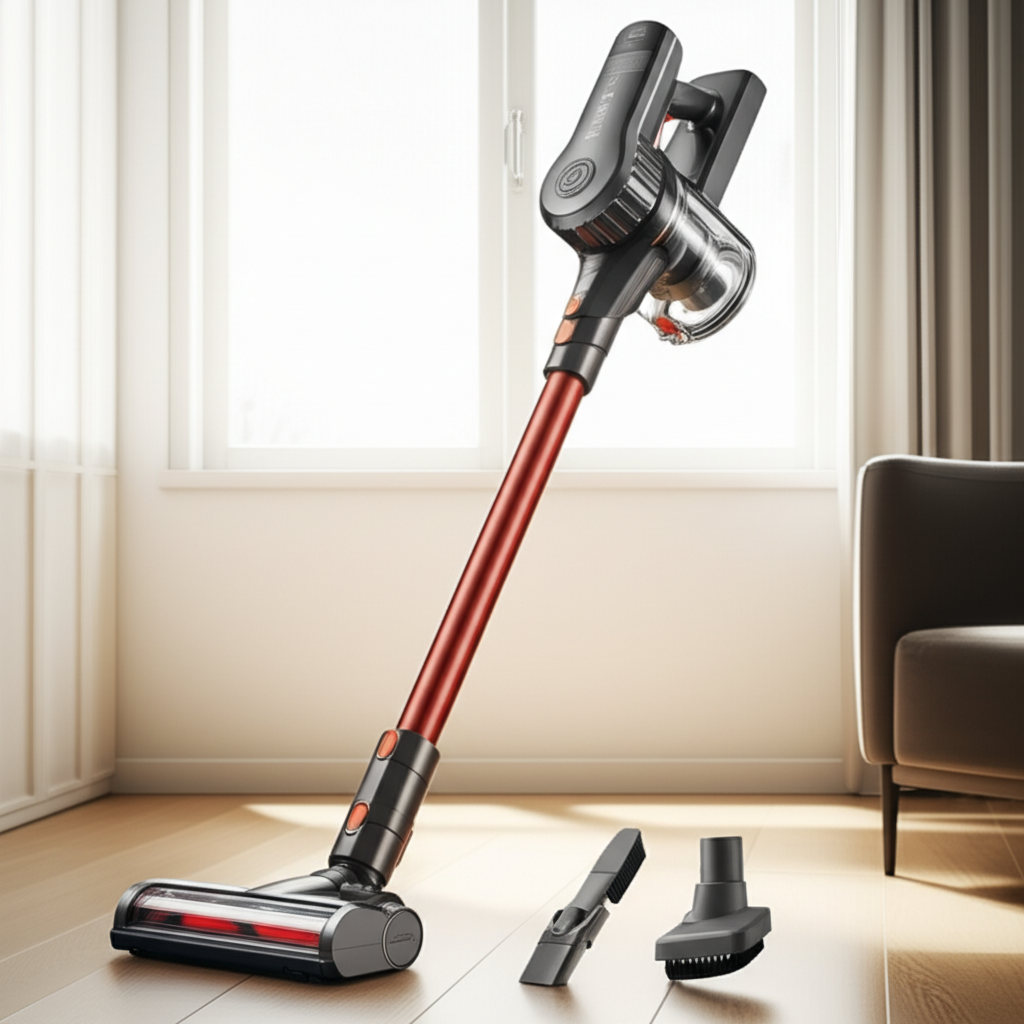
Upright vacuums are common and good for large carpeted areas. They have a built-in brush to agitate carpet fibers and lift dirt. Many come with powerful suction. They are usually easy to maneuver on open floors.
Canister Vacuums
Canister vacuums have a separate canister that holds the motor and dust bag. A hose connects to the cleaning head. They are often lighter and more versatile. You can easily switch attachments for different surfaces like hard floors, upholstery, and stairs.
Stick Vacuums
Stick vacuums are lightweight and slim. They are great for quick cleanups and smaller homes. Many are cordless, offering freedom of movement. They are perfect for hard floors and low-pile carpets.
Robot Vacuums
Robot vacuums clean your home automatically. You can schedule them to clean while you’re away. They navigate around furniture and return to their charging base. They are ideal for daily maintenance and keeping floors tidy between deeper cleans.
Handheld Vacuums
Handheld vacuums are small and portable. They are perfect for cleaning cars, furniture, and small messes. They are easy to grab and use for spot cleaning.
Key Features to Look For in a Vacuum Cleaner for Home
When buying a vacuum cleaner for home, several features matter. These will ensure it cleans well and is easy to use.
Suction Power
Suction power is how well the vacuum pulls dirt into its bin. Higher wattage or air watts usually mean stronger suction. Strong suction is crucial for picking up embedded dirt, especially from carpets. Look for vacuums with adjustable suction levels.
Filtration System
A good filtration system traps fine dust and allergens. HEPA (High-Efficiency Particulate Air) filters are the best. They capture 99.97% of particles as small as 0.3 microns. This is vital for people with allergies or asthma.
Corded vs. Cordless
Corded vacuums offer consistent power and don’t run out of battery. They are often more powerful. Cordless vacuums offer freedom and convenience. Battery life and charging time are important considerations for cordless models.
Weight and Maneuverability
A lightweight vacuum is easier to carry and use. Good maneuverability means it can easily go around furniture and into tight spaces. Swivel steering helps a lot with this.
Dustbin Capacity and Type
Consider how often you want to empty the dustbin. Larger capacities mean less frequent emptying. Vacuums have either bags or bagless bins. Bagless models are often more eco-friendly and cheaper long-term.
Understanding Vacuum Cleaner Attachments
Attachments turn your vacuum cleaner for home into a multi-tool. They help you clean more than just floors.
Crevice Tool
This long, thin tool is perfect for tight spaces. It reaches into corners, along baseboards, and between sofa cushions.
Upholstery Tool
This tool has a wide nozzle. It’s designed to clean fabric surfaces like couches and chairs. It often has a fabric strip to help lift dirt.
Dusting Brush
This brush has soft bristles. It’s ideal for dusting delicate surfaces like lampshades, blinds, and electronics.
Turbo Brush/Pet Tool
These smaller, powered brushes are excellent for pet hair. They work well on upholstery and stairs. They help loosen and lift stubborn hair.
How a Vacuum Cleaner for Home Improves Air Quality
A vacuum cleaner for home plays a big role in air quality. It removes dust, pet dander, and pollen from your floors. These particles can become airborne and worsen allergies.
HEPA Filters Explained
HEPA filters are a game-changer for air quality. They trap tiny particles that regular filters miss. According to the U.S. Department of Energy, a HEPA filter must remove at least 99.97% of airborne particles 0.3 micrometers in diameter. This significantly reduces allergens in your home.
Reducing Airborne Allergens
By capturing these allergens, vacuums with good filters prevent them from being re-released into the air. This means less sneezing and fewer allergy symptoms for your family. Regular vacuuming is a key step in creating a healthier home environment.
Maintaining Your Vacuum Cleaner for Effortless Cleaning
Regular maintenance ensures your vacuum cleaner for home works at its best. It also helps it last longer.
Emptying the Dustbin or Replacing the Bag
Always empty the dustbin when it’s about two-thirds full. For bagged vacuums, replace the bag when it’s full. An overfilled bin or bag reduces suction power.
Cleaning or Replacing Filters
Check your vacuum’s manual for filter cleaning instructions. Most washable filters should be rinsed and air-dried completely. Replace filters according to the manufacturer’s recommendations, usually every 6-12 months. Clogged filters reduce performance and airflow.
Checking and Cleaning Brush Rolls
Hair and debris can wrap around the brush roll. This can stop it from spinning effectively. Carefully cut away any tangled hair or strings. A clean brush roll is vital for effective carpet cleaning.
Top Vacuum Cleaner Brands and Models (Examples)
Many brands offer excellent vacuum cleaner for home options. Here are a few examples known for quality and performance.
| Brand | Popular Model Type | Key Features | Best For |
| :———– | :——————– | :———————————————– | :——————————————– |
| Dyson | Cordless Stick | Lightweight, powerful suction, advanced filtration | Quick cleanups, modern homes, pet owners |
| Shark | Upright/Cordless | DuoClean technology, lift-away feature | Versatile cleaning, homes with mixed flooring |
| Bissell | Upright/Pet Specific | Strong suction for pet hair, affordability | Pet owners, budget-conscious consumers |
| Miele | Canister | Durable, excellent filtration, quiet operation | Allergy sufferers, long-term investment |
These are just examples, and many other great brands exist. Always check recent reviews for specific model performance.
Making Vacuuming Easier and Faster
You can make vacuuming less of a chore. A few simple habits can speed things up.
Tidy Up Before You Vacuum
Pick up toys, clothes, and other small items from the floor. This prevents them from getting sucked up or clogging the vacuum. It also allows the vacuum to clean the floor surface more effectively.
Use the Right Tool for the Job
Switching to the correct attachment makes cleaning faster. Use the crevice tool for edges and the upholstery tool for furniture. This saves time compared to trying to use the main floor head everywhere.
Regular Quick Sweeps
Don’t wait for your home to get very dirty. A quick vacuum of high-traffic areas every few days makes a big difference. This prevents dirt buildup and makes deep cleaning easier.
The Future of Vacuum Cleaners for Home
The vacuum cleaner for home is constantly evolving. Technology is making them smarter and more efficient.
Smart Features and Connectivity
Newer vacuums often connect to Wi-Fi. You can control them with an app on your phone. Some robot vacuums map your home for more efficient cleaning. This allows for customized cleaning schedules and zones.
Improved Battery Life and Performance
Battery technology is improving rapidly. Cordless vacuums now offer longer runtimes and more power. This makes them a viable option for whole-home cleaning. Manufacturers are focusing on lighter designs too.
Frequently Asked Questions About Vacuum Cleaners for Home
Q1: How often should I vacuum my home?
You should vacuum high-traffic areas at least twice a week. For homes with pets or allergy sufferers, daily vacuuming might be necessary. Regular cleaning prevents dirt from settling deep into carpets and floors.
Q2: What is the best type of vacuum for pet hair?
Upright vacuums with strong suction and specialized pet tools are often best. Look for models with good brush rolls that agitate carpets well. Canister vacuums with powerful suction can also work effectively.
Q3: Are expensive vacuum cleaners worth the money?
Often, yes. More expensive vacuums tend to have better build quality, stronger suction, and superior filtration systems. They can also be more durable and last longer, saving money in the long run.
Q4: Can a vacuum cleaner help with allergies?
Yes, especially vacuums with HEPA filters. They trap allergens like dust mites, pollen, and pet dander. This significantly improves indoor air quality for allergy sufferers.
Q5: How do I choose a vacuum cleaner for hard floors?
For hard floors, look for vacuums with soft roller heads or adjustable suction. You want something that won’t scratch your floors. Canister vacuums with specific hard floor attachments are excellent choices.
Conclusion: Effortless Cleaning Starts with the Right Vacuum
A good vacuum cleaner for home is a worthwhile investment. It makes cleaning faster, easier, and more effective. It keeps your living space clean and healthy for everyone. By understanding the different types and features, you can find the perfect vacuum cleaner for home. This will transform your cleaning routine from a chore into a simple task. Enjoy a cleaner, fresher home with less effort.
