
Top Selling Air Purifiers: Essential Clean Air

Explore the top selling air purifiers that bring essential clean air into your home. This guide helps you choose the best models for healthier living, tackling allergens, pollutants, and odors for a fresher, safer space.
Breathing clean air at home is more important than ever. Many of us worry about dust, pollen, pet dander, and even invisible pollutants affecting our health. These can trigger allergies and make us feel unwell. Fortunately, the right air purifier can make a big difference. I’ll guide you through the best options available, helping you find an air purifier that fits your needs and budget. Let’s explore how to achieve a healthier home environment.
Why You Need a Top Selling Air Purifier
Air purifiers are devices designed to remove contaminants from the air. They help reduce allergens, smoke, and odors. This is especially helpful for people with asthma or allergies. Studies show indoor air can be more polluted than outdoor air. Using a good air purifier can improve your home’s air quality significantly.
How Air Purifiers Work
Most air purifiers use filters to trap particles. A fan pulls air into the unit. This air then passes through various filters. The clean air is then released back into the room. Different types of filters target different pollutants. HEPA filters are very effective at capturing small particles. Activated carbon filters help remove odors and gases.
Key Features to Look For in Top Selling Air Purifiers
When choosing an air purifier, several features matter. Look for a true HEPA filter. This captures 99.97% of particles as small as 0.3 microns. Consider the CADR (Clean Air Delivery Rate). Higher CADR means it cleans air faster. Noise level is also important, especially for bedrooms. Energy efficiency helps save on electricity bills.
True HEPA Filters: The Gold Standard
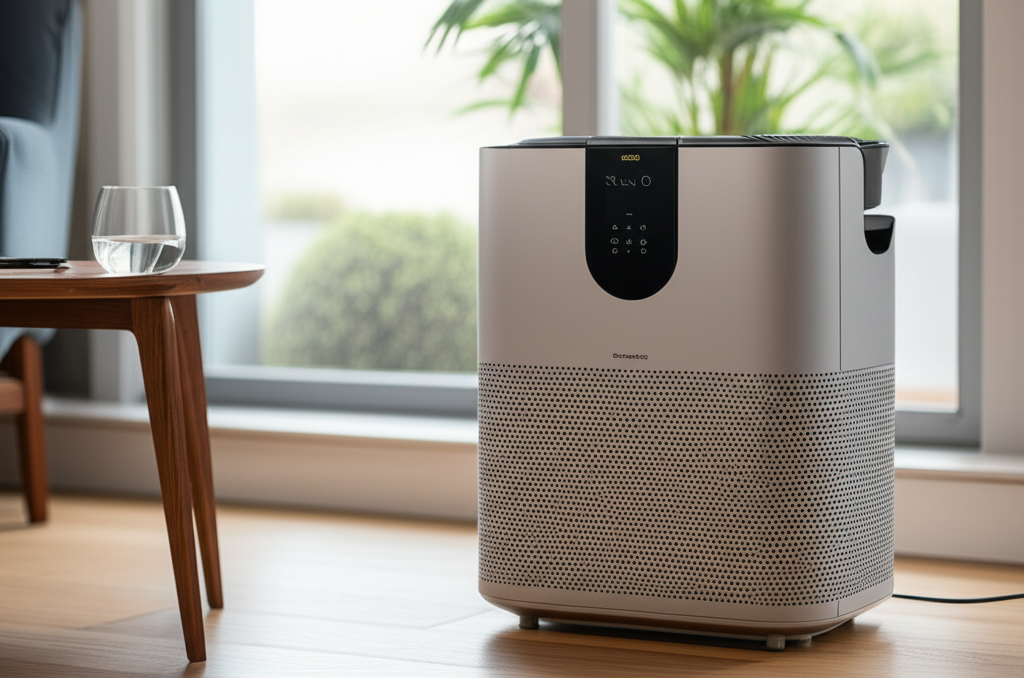
True HEPA filters are essential for effective air purification. They meet strict standards for particle removal. These filters are great for capturing dust, pollen, pet dander, and mold spores. They are a must-have for allergy sufferers. Many top selling air purifiers feature these filters.
Activated Carbon Filters: Banishing Odors
Activated carbon filters work by absorbing gases and odors. They are made from charcoal that has been treated to be very porous. This makes it excellent at trapping smells from cooking, pets, and smoke. A combination of HEPA and activated carbon filters offers comprehensive air cleaning.
Coverage Area and CADR Ratings
The coverage area tells you how large a room the purifier can handle. The CADR rating indicates how quickly it cleans the air. Look for a CADR rating that matches your room size. A higher CADR is better for faster cleaning. It’s like having a super-fan for your air.
Noise Levels: A Peaceful Environment
Air purifiers have fans, so they make noise. This is often measured in decibels (dB). For bedrooms or quiet offices, choose a model with a low noise level, especially on its lowest setting. Many purifiers have a “sleep mode” that runs very quietly. You want clean air without the distraction.
Smart Features and Controls
Some modern air purifiers come with smart features. These include app control, air quality sensors, and automatic modes. Air quality sensors can detect pollution levels and adjust fan speed automatically. Wi-Fi connectivity allows you to control the purifier from your phone. These features add convenience.
Top Selling Air Purifier Models for Every Need
Based on user reviews and expert recommendations, here are some of the best air purifiers. I’ve looked at models that offer great performance and value. These are units that consistently receive high marks for their effectiveness and features.
For Large Rooms: Coway Airmega 200M
The Coway Airmega 200M is excellent for bigger spaces. It has a robust filtration system. This includes a pre-filter, activated carbon filter, and a True HEPA filter. It’s known for its quiet operation and energy efficiency. This model is a popular choice for living rooms or open-plan areas.
For Allergy Sufferers: Levoit Core 300S
The Levoit Core 300S is a compact yet powerful option. It features a three-stage filtration system. This includes a fine preliminary filter, a True HEPA filter, and an activated carbon filter. It’s very effective at removing allergens like pollen and pet dander. Its smart features allow for app control and scheduling.
For Odor Control: Winix 5500-2
The Winix 5500-2 is a strong contender for tackling odors. It combines a True HEPA filter with an advanced activated carbon filter. It also features Winix’s PlasmaWave technology, which can help break down pollutants. This model is great for homes with pets or smokers. It offers excellent value for its performance.
Budget-Friendly Choice: GermGuardian AC4825
If you’re on a budget, the GermGuardian AC4825 is a solid choice. It offers a three-stage air cleaning system. This includes a True HEPA filter, an activated carbon filter, and a UV-C light. It’s designed for medium-sized rooms. It provides good air purification at an affordable price.
Understanding Air Purifier Technology
Air purifiers use different technologies to clean the air. Understanding these can help you make an informed choice. HEPA and activated carbon are common. Other technologies include UV-C light and ionizers. Each has its benefits and potential drawbacks.
HEPA vs. Other Filter Types
True HEPA filters are the most recommended for particle removal. Other filter types might exist, but they don’t always meet the same rigorous standards. For example, “HEPA-like” filters may not capture as many small particles. Always look for “True HEPA” for the best results.
The Role of Activated Carbon
Activated carbon filters are crucial for dealing with smells and gases. They work through adsorption, trapping volatile organic compounds (VOCs). These are chemicals that can be released from furniture, paints, and cleaning products. A good carbon filter ensures your air smells fresh.
UV-C Light and Ionizers: What You Need to Know
UV-C light technology uses ultraviolet rays to kill germs and bacteria. Ionizers release negative ions that attach to airborne particles, making them fall to the ground. Some people prefer to avoid ionizers, as they can sometimes produce ozone. Always check the ozone output of any purifier. The U.S. Food and Drug Administration (FDA) provides guidance on UV-C devices.
How to Maintain Your Air Purifier
Proper maintenance ensures your air purifier works effectively. This usually involves cleaning and replacing filters. Following the manufacturer’s instructions is key. Neglecting maintenance can reduce performance and even damage the unit.
Filter Replacement Schedule
Filters need to be replaced periodically. HEPA filters typically last 6–12 months. Activated carbon filters might need replacing more often, especially if you have strong odors. Check your purifier’s manual for specific recommendations. Some models have filter indicator lights.
Cleaning Your Air Purifier
Besides replacing filters, you should clean the unit itself. Dust can accumulate on the exterior and the pre-filter. Gently wipe down the outside with a soft, dry cloth. Some pre-filters are washable. Always unplug the unit before cleaning.
Choosing the Right Air Purifier for Your Home
Selecting the right air purifier depends on your specific needs. Consider the size of your room and what you want to filter. Allergens, odors, or general air freshness? A little research goes a long way. Think about your budget and any desired features like smart controls.
Room Size and Placement
Measure the room where you plan to use the air purifier. Match the purifier’s coverage area to your room size. For best results, place the air purifier away from walls and furniture. This allows for better air circulation. Avoid placing it in corners.
Your Specific Air Quality Concerns
If allergies are a major concern, prioritize models with True HEPA filters. For pet owners, look for strong pre-filters and good activated carbon filters. If you live in an area with a lot of pollution, a higher CADR might be beneficial. Addressing your main concerns will guide your choice.
Frequently Asked Questions About Top Selling Air Purifiers
What is the most important feature in an air purifier?
The most important feature is a True HEPA filter. This filter is certified to capture 99.97% of airborne particles like dust, pollen, and pet dander, which are common irritants.
How often should I replace the filters?
Filter replacement frequency varies by model and usage. Generally, HEPA filters last 6-12 months, and activated carbon filters may need replacing every 3-6 months, especially with heavy use for odors.
Can air purifiers help with smoke smell?
Yes, air purifiers with a good activated carbon filter are very effective at absorbing smoke odors. Combined with a HEPA filter for smoke particles, they can significantly improve air quality.
Are air purifiers noisy?
Air purifiers do make noise, but it varies by model and fan speed. Many have quiet or sleep modes that operate at low decibels, making them suitable for bedrooms. Always check the decibel rating before buying.
Do air purifiers use a lot of electricity?
Most modern air purifiers are energy-efficient, especially when using lower fan speeds. Look for Energy Star certified models to ensure low electricity consumption.
How do I know if an air purifier is working?
You can often feel a difference in air freshness. Some purifiers have air quality sensors that change color or display readings. Regular filter checks and noting a reduction in dust or allergens also indicate it’s working.
Conclusion: Breathe Easier with the Right Air Purifier
Investing in one of the top selling air purifiers is an investment in your health and well-being. By understanding the key features like True HEPA filters and activated carbon, and considering your specific needs, you can find a unit that effectively cleans your air. Clean air contributes to better sleep, fewer allergy symptoms, and a more comfortable home environment. Make an informed choice today and start breathing easier.
