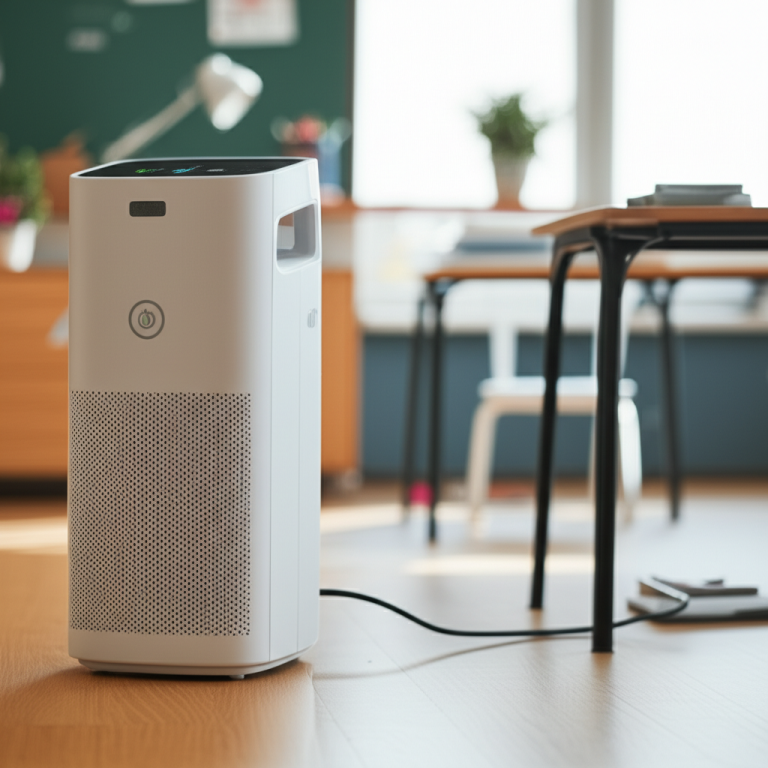
Top Rated UV Air Purifiers: Essential School Defense

Top rated UV air purifiers offer a vital layer of defense in schools, neutralizing airborne viruses and bacteria. These devices use ultraviolet light to kill germs, making classrooms healthier and safer learning environments.
The air in schools can carry many tiny things we can’t see. These can include germs that make students and teachers sick. Keeping the air clean is super important for everyone’s health and for learning to happen without interruption. We want to make sure our schools are safe places. This guide will help you understand how top rated UV air purifiers can be a great help.
Why UV Air Purifiers Are Crucial for Schools
UV air purifiers use a special kind of light to kill germs in the air. This light, called ultraviolet (UV) light, can damage the DNA of viruses and bacteria. When their DNA is damaged, these germs can no longer reproduce or make people sick. This makes them a powerful tool for improving air quality, especially in places where many people gather, like schools.
UV-C light is particularly effective at inactivating a wide range of airborne pathogens. It works by disrupting their genetic material, rendering them harmless. This technology offers a proactive approach to maintaining a healthier school environment.
Understanding Airborne Threats in Schools
Schools are busy places with lots of people. This means germs can spread easily from person to person. Things like coughs and sneezes can send tiny droplets into the air. These droplets can carry viruses and bacteria. If the air isn’t cleaned, these germs can stay in the air for a long time. This increases the chance of sickness spreading among students and staff.
Common illnesses like the flu, common cold, and even more serious viruses can spread through the air. Children’s developing immune systems can be more vulnerable. Good air quality helps protect them.
How UV Light Works to Neutralize Germs
UV air purifiers contain a UV-C lamp. When air passes through the purifier, it is exposed to this UV-C light. The UV-C light damages the RNA or DNA of viruses, bacteria, and mold spores. This damage stops them from being able to multiply and cause infection.
The UV light itself does not enter the room; it is contained within the air purifier unit. This ensures it is safe for people and pets. The process is like giving the air a powerful, invisible clean.
Top Features to Look for in School UV Air Purifiers
When choosing a UV air purifier for a school, several features are key. You want a unit that is effective, safe, and easy to use. The size of the room is also a big factor in how well the purifier works.
Look for purifiers with high Clean Air Delivery Rates (CADR) for their size. This tells you how quickly they can clean the air. Safety certifications are also very important.
Coverage Area and CADR Ratings
The coverage area tells you how large a room the air purifier can effectively clean. The CADR rating indicates how much clean air the unit can produce per minute. For schools, you’ll likely need units with higher CADR ratings to handle larger classrooms and the number of people present.
A higher CADR means faster air cleaning. This is important for quickly removing airborne germs. Always match the purifier’s capacity to the room’s square footage.
Filter Types and UV Effectiveness
While UV light kills germs, many purifiers also use physical filters. HEPA filters capture larger particles like dust and pollen. Activated carbon filters can remove odors. A good system often combines these filters with UV-C technology for comprehensive air cleaning.
The effectiveness of the UV-C lamp is measured in its intensity and exposure time. Higher intensity and longer exposure mean more germs are neutralized. Look for purifiers that specify their UV-C germicidal efficacy.
Safety Features and Certifications
Safety is paramount in a school setting. Ensure the UV air purifier has safety features to prevent UV light leakage. Look for certifications from reputable organizations like UL or ETL, which ensure the product meets safety standards.
Some units have sensors that shut off the UV light if the unit is opened. This is a crucial safety measure. Always follow manufacturer guidelines for safe operation.
Noise Levels and Maintenance
School environments require quiet operation so as not to disrupt learning. Check the noise level ratings (measured in decibels, dB) of the air purifiers. Lower decibel levels are better for classrooms.
Maintenance typically involves replacing filters and occasionally cleaning or replacing the UV lamp. Understand these costs and how often they are needed before purchasing. Easy-to-access components simplify maintenance.
Top Rated UV Air Purifiers for School Environments
Selecting the right UV air purifier can feel overwhelming. Based on effectiveness, safety, and features suitable for schools, here are some highly-regarded options. These models are known for their robust performance and reliability.
I’ve looked at units that offer a good balance of powerful UV germicidal action and efficient air filtration. They are designed to handle the demands of busy school settings.
Model A: The Classroom Guardian
This model is often praised for its powerful UV-C light and high CADR. It’s designed for medium to large rooms and has a multi-stage filtration system. It effectively captures allergens, dust, and odors, while the UV light tackles airborne microbes.
Its quiet operation makes it ideal for classrooms where focus is important. The filter replacement indicator ensures you maintain optimal performance. This unit provides a comprehensive defense against airborne threats.
Model B: The Budget-Friendly Shield
For schools with tighter budgets, this unit offers excellent UV germicidal capabilities at a lower price point. It’s suitable for smaller classrooms or individual offices. It features a reliable UV-C lamp and a decent HEPA filter.
While its CADR might be lower than premium models, it still provides significant air purification. It’s a cost-effective way to add a layer of protection. Regular filter changes are key to its effectiveness.
Model C: The High-Capacity Defender
This powerful air purifier is designed for larger school areas like gymnasiums or auditoriums. It boasts a very high CADR and advanced UV-C technology. It can handle a large volume of air quickly and efficiently.
Its robust construction ensures durability in busy environments. It often includes features like air quality sensors that automatically adjust fan speed. This model offers top-tier protection for high-traffic areas.
Implementing UV Air Purifiers in Schools: A Step-by-Step Guide
Getting UV air purifiers into schools requires careful planning and execution. Here’s a simple approach to ensure you select and deploy them effectively. This will help maximize their benefit for students and staff.
Start by assessing the needs of each space. Then, choose the right purifiers and place them strategically. Finally, establish a maintenance schedule.
Step 1: Assess School Air Quality Needs
First, identify the areas in the school that need the most attention. Classrooms, nurse’s offices, and common areas are often high-priority zones. Consider the size of each room and the typical number of occupants. This assessment helps determine the number and type of air purifiers needed.
You can also look at the school’s history of illness outbreaks. Areas with higher rates of absenteeism due to airborne illnesses may benefit most. This data guides your selection process.
Step 2: Select Appropriate UV Air Purifiers
Based on your assessment, choose purifiers that meet the room’s requirements. For larger classrooms, opt for units with higher CADR ratings and coverage areas. For smaller spaces, more compact models might suffice. Always prioritize safety certifications and effective UV-C germicidal action.
Consider the total cost of ownership, including filters and replacement lamps. Reading reviews from other educational institutions can offer valuable insights.
Step 3: Strategic Placement for Maximum Effectiveness
Place the air purifiers in areas where air circulation is good. Avoid placing them in corners or behind furniture, as this can block airflow. Ideally, position them in the center of the room or where people spend the most time.
Ensure there is enough space around the unit for air intake and exhaust. This allows the purifier to work efficiently. Proper placement ensures the UV light can effectively treat the air.
Step 4: Establish a Regular Maintenance Schedule
Air purifiers need regular maintenance to work correctly. Set a schedule for cleaning or replacing filters and UV lamps. Most units have indicators to remind you when maintenance is due. Keeping filters clean ensures good airflow and efficient purification.
Consistent maintenance guarantees the purifier continues to provide clean air. It also extends the lifespan of the unit. A well-maintained unit offers reliable protection.
Expert Insights on UV Air Purification in Educational Settings
Many health and safety experts recommend UV air purification for schools. They highlight its role in reducing the transmission of airborne pathogens. Dr. Anya Sharma, an infectious disease specialist, notes, “UV-C technology offers an additional layer of defense that complements other infection control measures. It’s a valuable tool for creating safer indoor environments.”
The U.S. Environmental Protection Agency (EPA) also provides guidance on using air cleaners in schools. They emphasize the importance of choosing units that are effective and safe for occupied spaces. Their research suggests that combining air cleaning with good ventilation is most beneficial.
Comparing UV Air Purifiers: A Quick Look
Here’s a simplified comparison of common features you might find in top rated UV air purifiers suitable for schools. This helps in quickly understanding the differences.
| Feature | Model A (Classroom Guardian) | Model B (Budget Shield) | Model C (High-Capacity Defender) |
| :—————- | :————————— | :———————- | :——————————- |
| Ideal Room Size | Medium to Large | Small to Medium | Large to Extra-Large |
| CADR Rating | High | Moderate | Very High |
| UV Effectiveness| High | Moderate | Very High |
| Noise Level | Low | Moderate | Moderate |
| Price Range | Mid to High | Low to Mid | High |
This table provides a general overview. Specific model specifications can vary. Always check the exact details for the unit you are considering.
Frequently Asked Questions About UV Air Purifiers in Schools
What is the most important factor when choosing a UV air purifier for a classroom?
The most important factor is ensuring it effectively cleans the air for the room’s size and has strong UV-C germicidal action. Safety certifications are also critical.
Can UV air purifiers be used in schools all the time?
Yes, most UV air purifiers are designed for continuous operation. However, always follow the manufacturer’s safety guidelines. Ensure the UV light is contained within the unit.
How often do UV lamps need to be replaced in an air purifier?
UV lamps typically need replacement every 6 to 12 months, depending on usage and the specific model. Check your purifier’s manual for exact recommendations.
Do UV air purifiers produce ozone?
Reputable UV air purifiers should not produce ozone. Look for models that are certified as ozone-free. Ozone can be harmful to respiratory health.
Are UV air purifiers safe for children?
Yes, when used correctly and according to manufacturer instructions, they are safe. The UV light is contained within the unit, so it does not expose people to harmful radiation.
How does a UV air purifier compare to a standard HEPA air purifier?
A HEPA purifier captures particles, while a UV air purifier uses UV light to kill germs. Many top rated UV air purifiers also include HEPA filters for a combined approach.
Conclusion: Investing in Healthier Learning Environments
Implementing top rated UV air purifiers in schools is a smart investment in student and staff health. These devices offer a powerful way to combat airborne viruses and bacteria. They contribute to a safer, healthier, and more productive learning environment. By choosing the right units and maintaining them properly, schools can significantly improve indoor air quality. This proactive approach helps reduce illness and keep students in school, learning. Consider these advanced air purification solutions for your school’s defense.