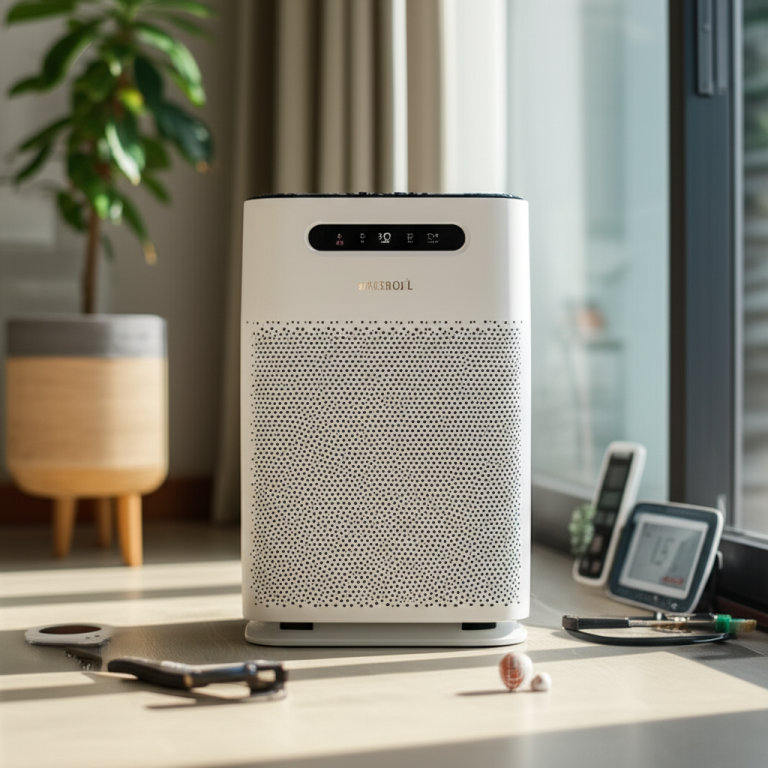
Top Air Purifiers For Home: Essential & Genius Picks

Discover the top air purifiers for your home to breathe cleaner, healthier air. Our essential and genius picks tackle allergens, pollutants, and odors, ensuring a fresher living space for everyone.
Breathing in fresh air is something we all want. But in our homes, tiny particles like dust, pollen, and even pet dander can float around. These can make us sneeze or feel unwell. Finding the right device to clean your air can seem tricky. We’re here to help you choose the best air purifiers for your home. We’ll look at smart features and simple options. Let’s find the perfect fit to make your home’s air much better.
Why Clean Air at Home Matters So Much
Clean air at home is vital for your well-being. Indoor air can sometimes be more polluted than outdoor air. This is often due to things like cooking, cleaning products, and even furniture off-gassing. Poor indoor air quality can lead to headaches, fatigue, and worsen allergies or asthma. Investing in a good air purifier can significantly improve your home’s environment. It helps create a healthier space for you and your family to live and thrive.
The Invisible Threats in Your Home Air
Many common household items release tiny particles into the air. These can include volatile organic compounds (VOCs) from paints and furniture. Dust mites and pet dander are common triggers for allergies. Even cooking fumes can linger and impact air quality. These invisible threats can affect your health without you realizing it. Understanding these sources helps us appreciate the need for cleaner air.
How Air Purifiers Work: A Simple Guide
Air purifiers work by drawing in the air from a room. They then pass this air through a series of filters. These filters trap different types of particles. The cleaned air is then released back into the room. Most use a fan to move the air. Different purifiers have different filter types for various pollutants.
The Magic of HEPA Filters
HEPA stands for High-Efficiency Particulate Air. A true HEPA filter can capture at least 99.97% of airborne particles. This includes very small ones like dust, pollen, mold spores, and pet dander. They are like super-fine nets for tiny irritants. Many top air purifiers for home rely on HEPA filters for their effectiveness.
Beyond HEPA: Activated Carbon and Pre-filters
Activated carbon filters are great for smells. They absorb odors from cooking, pets, and smoke. Pre-filters catch larger particles like hair and lint. This protects the main HEPA filter and makes it last longer. A good air purifier often uses a combination of these filters. This multi-stage approach offers the best all-around air cleaning.
Top Air Purifiers for Home: Our Top Picks
Choosing the right air purifier depends on your needs. Some are best for large rooms, others for specific allergens. We’ve researched some of the best options available. These are chosen for their performance, features, and value. Let’s look at some genius picks for cleaner home air.
Best Overall: The Dyson Purifier Cool TP07
The Dyson Purifier Cool TP07 is a fantastic choice for many homes. It cools you in the summer and purifies air year-round. It captures 99.97% of particles as small as 0.3 microns. Its sleek design also makes it a stylish addition to any room. This purifier is a great all-rounder for effective air cleaning and comfort.
The Dyson Purifier Cool TP07 is a top air purifier for home because it combines powerful purification with cooling fan functionality, making it a versatile and stylish choice for year-round use.
Pros: Excellent purification, cooling fan, smart features, modern design.
Cons: Higher price point, fan noise can be noticeable on higher settings.
Best Budget Pick: Levoit Core 300S
For those on a budget, the Levoit Core 300S is a smart buy. It’s compact and quiet, perfect for bedrooms or small living spaces. It uses a 3-stage filtration system, including a HEPA filter. You can also control it with your phone using the VeSync app. It’s a great value for effective air cleaning.
The Levoit Core 300S offers excellent value as a budget-friendly option, providing robust HEPA filtration and smart control for cleaner air without breaking the bank.
Pros: Affordable, quiet operation, compact size, smart app control.
Cons: Best for smaller rooms, carbon filter may need more frequent replacement for strong odors.
Best for Allergies: Coway Airmega 200M
If allergies are a major concern, the Coway Airmega 200M is a standout. It has a robust filtration system, including a HEPA filter and an odor-reducing carbon filter. It’s designed to handle medium to large rooms effectively. Its smart sensor adjusts fan speed automatically based on air quality. This ensures continuous protection against allergens.
The Coway Airmega 200M is a top air purifier for home, especially for allergy sufferers, due to its powerful multi-stage filtration and automatic air quality adjustments.
Pros: Superior allergen and odor removal, good for medium/large rooms, automatic mode.
Cons: Larger footprint, can be pricier than basic models.
Best Smart Features: Blueair HealthProtect 7470i
The Blueair HealthProtect 7470i offers advanced smart technology. It uses a combination of electrostatic and mechanical filtration. This captures even tiny particles effectively. The i-series models connect to Wi-Fi, allowing app control and air quality monitoring. It’s a smart investment for a healthier home environment.
The Blueair HealthProtect 7470i excels with its intelligent features, offering advanced filtration and smart connectivity for effortless control over your home’s air quality.
Pros: High-efficiency filtration, Wi-Fi connectivity, real-time air quality data, quiet.
Cons: Premium price, requires proprietary replacement filters.
Best for Large Spaces: Winix HR900 Air Purifier with PlasmaWave
For larger homes or open-plan living areas, the Winix HR900 is a strong contender. It’s designed to cover more square footage effectively. It features a True HEPA filter, an activated carbon filter, and a washable mesh pre-filter. The PlasmaWave technology helps neutralize viruses and bacteria. This makes it a comprehensive solution for whole-home air purification.
The Winix HR900 is a top air purifier for home looking to cover large areas, combining robust filtration with PlasmaWave technology for comprehensive air cleaning.
Pros: Covers large areas, effective multi-stage filtration, PlasmaWave feature, pet-friendly design.
Cons: Can be noisy on higher settings, PlasmaWave is a debated technology for some users.
Key Features to Look For in an Air Purifier
When shopping for an air purifier, several features are important. Thinking about these will help you make the best choice. It’s not just about the brand; it’s about what fits your life.
Filter Types and Effectiveness
As we discussed, HEPA filters are key for small particles. Look for “True HEPA” filters for the best results. Activated carbon filters are essential for removing odors and gases. Some purifiers also have pre-filters to catch larger debris. Always check the filter’s lifespan and replacement cost.
Room Size and CADR Rating
Air purifiers are rated for specific room sizes. This is often shown as square footage. The Clean Air Delivery Rate (CADR) is another important number. It measures how quickly the purifier can clean the air. Higher CADR ratings mean faster cleaning. Match the purifier’s capacity to your room’s size.
Noise Level
Air purifiers have fans that make noise. This is measured in decibels (dB). For bedrooms or quiet spaces, look for models with low dB ratings, especially on their lowest settings. Some purifiers have a “sleep mode” that runs very quietly.
Smart Features and Controls
Many modern air purifiers offer smart features. These can include app control, scheduling, and air quality sensors. Sensors can automatically adjust fan speed based on pollution levels. Smart features add convenience and can help optimize performance.
Energy Efficiency
Air purifiers run for many hours. Look for Energy Star certified models. These use less electricity, saving you money on your energy bills. Check the wattage of the purifier if it’s not Energy Star rated.
Understanding Air Purifier Performance Metrics
To truly compare air purifiers, understanding their performance metrics is helpful. These numbers give you a clearer picture of what each unit can do. They help you choose a device that meets your specific air quality needs.
CADR: The Speed of Clean Air
CADR stands for Clean Air Delivery Rate. It’s a standard measure for air purifiers. It tells you how quickly a purifier can remove specific pollutants. There are CADR ratings for smoke, dust, and pollen. A higher CADR means the purifier cleans the air faster. For example, a CADR of 200 for smoke means it removes 200 cubic feet of smoke per minute.
ACH: How Often Air is Circulated
ACH stands for Air Changes per Hour. This metric tells you how many times the air in a room is completely filtered by the purifier in one hour. For general use and moderate pollution, 2-3 ACH is usually sufficient. If you have severe allergies or live in a highly polluted area, aim for 4-5 ACH. This ensures the air is cleaned more frequently.
Room Size Coverage: Matching Purifier to Space
Every air purifier is designed for a specific room size. This is usually stated in square feet. It’s important to choose a purifier that matches or slightly exceeds the size of the room you intend to use it in. Using an undersized purifier won’t clean the air effectively. An oversized one might be more powerful than you need but will likely clean the air faster.
Here’s a quick comparison of some popular models based on their features:
| Air Purifier Model | Filter Type(s) | Room Size Coverage (sq ft) | CADR (Smoke/Dust/Pollen) | Smart Features |
| :———————– | :——————————————– | :————————- | :———————– | :————- |
| Dyson Purifier Cool TP07 | HEPA, Activated Carbon | Up to 900 | N/A (purification focus) | Yes |
| Levoit Core 300S | HEPA, Activated Carbon, Pre-filter | Up to 219 | 141/140/143 | Yes |
| Coway Airmega 200M | HEPA, Activated Carbon, Pre-filter | Up to 1500 | 135/129/132 | Yes |
| Blueair HealthProtect 7470i | HEPASilent, Activated Carbon, Pre-filter | Up to 380 | N/A (proprietary metric) | Yes |
| Winix HR900 | True HEPA, Activated Carbon, Washable Pre-filter | Up to 300 | 120/115/118 | No |
Note: CADR ratings can vary slightly by testing agency and specific model versions.
Maintaining Your Air Purifier for Peak Performance
Once you’ve bought a great air purifier, keeping it in good shape is important. Proper maintenance ensures it keeps cleaning your air effectively. It also helps your filters last longer. Think of it like taking care of a helpful tool.
Regular Filter Replacement
This is the most crucial maintenance step. Filters get clogged with the pollutants they capture. When they are full, they can’t clean the air well. Check your purifier’s manual for recommended replacement intervals. These can range from 6 months to over a year. Replacing them on time is key to good air quality.
Cleaning the Exterior and Interior
Wipe down the outside of your air purifier regularly with a damp cloth. This keeps it looking nice and prevents dust buildup. You can also gently vacuum the intake grills. Some pre-filters are washable. If yours is, wash it according to the manufacturer’s instructions. This removes larger dust and hair.
Checking the Fan and Motor
Occasionally, listen to your purifier. If you hear new or unusual noises, it might be an issue. Dust can sometimes build up on the fan blades. While most users won’t need to deep clean the motor, a gentle dusting of accessible fan parts can help. Always unplug the unit before doing any cleaning.
Who Can Benefit Most from an Air Purifier?
Almost everyone can benefit from cleaner indoor air. However, certain groups will notice the biggest improvements. Understanding these specific needs can help you decide if an air purifier is right for you. It’s about creating a healthier personal environment.
Allergy and Asthma Sufferers
People with allergies or asthma are prime candidates. Air purifiers remove common triggers like pollen, dust mites, and pet dander. This can significantly reduce symptoms like sneezing, coughing, and difficulty breathing. A cleaner environment means fewer flare-ups.
Pet Owners
Pets are wonderful, but they shed fur and dander. They can also bring in outdoor allergens. An air purifier with a good carbon filter can help reduce pet odors. It also traps dander, making the home more comfortable for everyone, including guests with allergies.
City Dwellers and Those in Polluted Areas
If you live in a city or near industrial areas, outdoor pollution can seep indoors. Car exhaust, smog, and industrial emissions can all impact your air quality. An air purifier acts as a barrier, cleaning the air you breathe inside your home. It provides a sanctuary of cleaner air.
New Homeowners or Those with Renovations
New furniture, carpets, and paint can release VOCs. These chemicals can cause headaches and irritation. Air purifiers with activated carbon filters are excellent at removing these gases. They help make a newly furnished or renovated space healthier faster.
Anyone Concerned About General Health
Even if you don’t have specific health issues, cleaner air is generally better. It can improve sleep quality, boost energy levels, and reduce exposure to airborne viruses. It’s a proactive step towards a healthier lifestyle for the whole family.
Frequently Asked Questions About Top Air Purifiers for Home
Q1: How often should I run my air purifier?
It’s best to run your air purifier continuously, especially when you are home. This ensures the air is constantly being cleaned. Many models have energy-saving modes for when you are asleep or away.
Q2: Where is the best place to put an air purifier in a room?
Place your air purifier in a location where air can circulate freely around it. Avoid corners or placing it directly against walls or furniture. Ideally, put it where you spend the most time, like near your bed or sofa.
Q3: How do I know if my air purifier is working effectively?
You can often tell by how the air smells and feels – it should be fresher. Some purifiers have air quality indicators that change color or show a reading. Regular filter checks also show if it’s capturing a lot of particles.
Q4: Can air purifiers get rid of viruses and bacteria?
Yes, True HEPA filters can capture a very high percentage of airborne viruses and bacteria. Some models also have UV-C light technology designed to kill these microorganisms. However, they are not a replacement for good hygiene practices.
Q5: How much do replacement filters typically cost?
Replacement filter costs vary by brand and model. They can range from $20 to $100 or more for a set. It’s wise to factor this ongoing cost into your purchase decision. Check the price and availability of filters before buying the unit.
Conclusion: Breathe Easier with the Right Air Purifier
Finding the top air purifiers for home is a significant step towards a healthier living space. Whether you’re battling allergies, pet dander, or just want to enjoy fresher air, there’s a perfect unit out there. We’ve explored essential picks like the Dyson Purifier Cool TP07 for overall excellence and budget-friendly options like the Levoit Core 300S. For allergy sufferers, the Coway Airmega 200M stands out, while the Winix HR900 tackles large spaces. Remember to consider filter types, room size, and noise levels. By choosing wisely and maintaining your unit, you can significantly improve your indoor air quality. Start breathing easier today with a smart investment in your home’s health.