Top Air Purifiers For Dust: Essential Picks

Breathe easier with our top air purifiers for dust. We’ve tested and reviewed the best models to help you find the perfect one for a cleaner, healthier home. Say goodbye to sneezes and hello to fresh air.
Dust is a common problem in many homes. It can trigger allergies and make your living space feel less comfortable. You might notice dust settling on surfaces quickly, even after cleaning. This happens because dust particles are tiny and float in the air. They come from many sources, like our skin, pets, and outdoor pollution. Finding the right air purifier can make a big difference. This guide will help you choose the best air purifiers for dust. We’ll look at what makes a good dust-fighting purifier and then share our top picks.
Why Dust is a Big Deal for Your Home
Dust isn’t just annoying; it can affect your health. Tiny dust particles can carry allergens like pollen, mold spores, and pet dander. When you breathe these in, they can cause sneezing, coughing, and itchy eyes. For people with asthma or allergies, dust can make symptoms much worse. Air purifiers with good filters can capture these particles, cleaning your air. This helps create a healthier environment for everyone in your home.
Understanding How Air Purifiers Tackle Dust
Air purifiers work by drawing in the air from your room. Inside, they have special filters that trap particles. For dust, a HEPA filter is usually the most important. HEPA stands for High-Efficiency Particulate Air. These filters are designed to capture at least 99.97% of particles that are 0.3 microns in size. This includes most dust, pollen, and pet dander. Some purifiers also have pre-filters that catch larger dust particles, extending the life of the main HEPA filter.
Key Features to Look For in Top Air Purifiers for Dust
When choosing an air purifier, several features are crucial for effective dust removal. The type of filter is paramount, but other aspects matter too. These include how well it covers your room’s size and how easy it is to maintain. Think about noise levels and extra features that might be helpful. We’ll break down these important points below.
The Power of HEPA Filters for Dust Capture
HEPA filters are the gold standard for capturing fine particles like dust. They are made of a dense mat of fibers that create a maze for air. As air passes through, dust particles get stuck to the fibers. A true HEPA filter meets strict standards for efficiency. This means it can effectively remove common allergens and irritants from your air. Look for purifiers that explicitly state they use a “True HEPA” filter for the best dust-fighting performance.
Pre-Filters: The First Line of Defense Against Dust
Many air purifiers include a pre-filter. This is usually a washable mesh that sits in front of the main HEPA filter. Its job is to catch larger particles like pet hair and visible dust bunnies. By trapping these bigger items, the pre-filter prevents them from clogging the more delicate HEPA filter. This not only improves air quality but also makes your HEPA filter last longer. Cleaning the pre-filter regularly is simple and important for ongoing effectiveness.
Coverage Area (CADR) Matters for Dust Control
The Clean Air Delivery Rate (CADR) tells you how well an air purifier cleans a room. It measures how quickly the purifier removes specific pollutants, including dust. A higher CADR means faster cleaning. You should choose a purifier with a CADR suitable for the size of your room. Manufacturers often list the recommended room size for their units. Matching the purifier to your space ensures it can effectively circulate and clean the air.
Noise Levels: Finding a Balance for Peace
Air purifiers need to run to clean your air, but some can be quite noisy. This is especially true on higher fan settings. For bedrooms or quiet living areas, look for models with low noise levels, often measured in decibels (dB). Many purifiers have a “sleep mode” or quiet setting that operates at a much lower fan speed. This allows for continuous air cleaning without disrupting your rest or conversations.
Maintenance and Filter Replacement Costs
All air purifiers require some maintenance. This usually involves cleaning the pre-filter and replacing the HEPA and carbon filters. Filter replacement costs can add up over time. Check the price of replacement filters before you buy. Also, see how often they need to be replaced, as this varies by model and usage. Some purifiers have indicators to tell you when it’s time for a change, making maintenance easier.
Top Air Purifiers for Dust: Our Essential Picks
After reviewing many options, I’ve selected a few top air purifiers that excel at tackling dust. These models offer a great balance of performance, features, and value. They all feature strong HEPA filtration and are designed for effective dust removal in typical home environments.
Coway Airmega AP-1512HH Mighty
The Coway AP-1512HH Mighty is a popular choice for good reason. It offers excellent performance for its price. This unit features a multi-stage filtration system, including a washable pre-filter, an activated carbon filter, and a True HEPA filter. It’s ideal for medium-sized rooms and has an air quality sensor that adjusts fan speed automatically. Its compact design also makes it easy to place in various rooms.
Key Takeaway: The Coway Mighty is a reliable, all-around performer for dust control in medium spaces.
Blueair Blue Pure 211+ Auto
The Blueair Blue Pure 211+ Auto is known for its stylish design and effective filtration. It uses a unique combination of electrostatic and mechanical filtration. This system captures even very fine dust particles. The large filter surface area means it can handle large rooms and high dust loads. It also boasts a very quiet operation on its lowest setting, making it suitable for bedrooms.
Key Takeaway: This purifier offers powerful, quiet dust removal with a modern aesthetic for larger rooms.
Levoit Core 300S
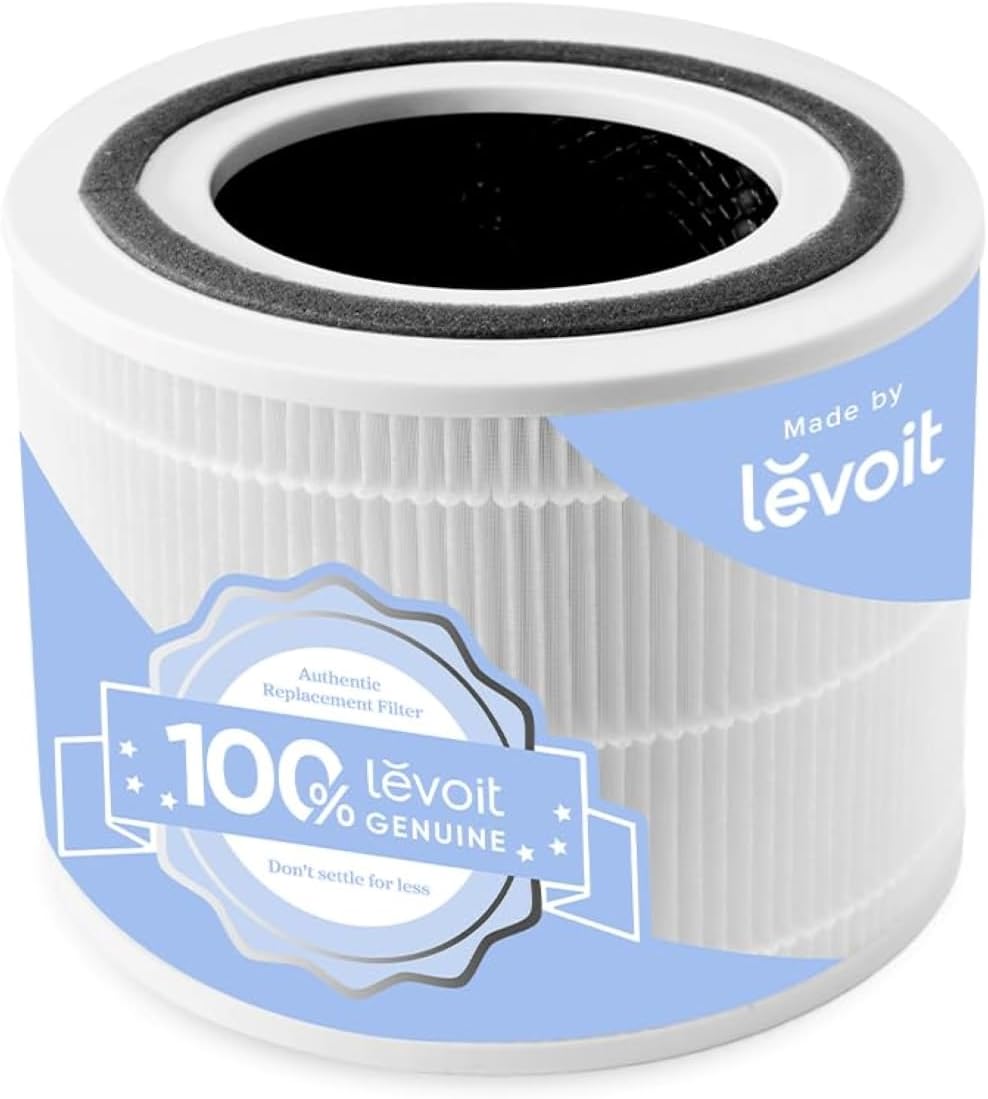
For smaller rooms or as a budget-friendly option, the Levoit Core 300S is a great pick. It’s compact and quiet, making it perfect for bedrooms or dorm rooms. It uses a three-stage filtration system: a pre-filter, a True HEPA filter, and an activated carbon filter. The Core 300S is also a smart air purifier, allowing control via a smartphone app. This makes it easy to manage settings remotely.
Key Takeaway: The Levoit Core 300S provides effective dust filtration for smaller spaces with smart features.
Winix 5500-2
The Winix 5500-2 is a consistently top-rated air purifier for dust. It features a True HEPA filter and an activated carbon filter. It also includes Winix’s PlasmaWave technology, which can be turned on or off. This unit is designed for medium to large rooms and has an auto mode. It adjusts fan speed based on detected air quality, efficiently tackling dust.
Key Takeaway: A strong performer for its price, the Winix 5500-2 effectively cleans medium to large rooms.
Honeywell HPA300
The Honeywell HPA300 is a robust option for larger spaces. It is designed to clean rooms up to 465 square feet. This purifier features a True HEPA filter capable of capturing 99.97% of airborne particles. It has multiple fan speeds and a turbo setting for quick cleaning. The simple controls make it easy to operate, and it’s a solid choice for serious dust concerns.
Key Takeaway: The Honeywell HPA300 offers powerful dust cleaning for larger rooms with straightforward operation.
Comparing Our Top Air Purifiers for Dust
Here’s a quick look at how our top picks stack up for dust control:
| Air Purifier Model | Room Size Recommendation (sq ft) | Filter Type | Noise Level (dB) (Low Setting) | Key Feature for Dust |
| :———————- | :——————————- | :——————————————- | :—————————– | :————————————————- |
| Coway AP-1512HH Mighty | Up to 361 | True HEPA, Activated Carbon, Pre-filter | 24 | Auto mode, effective multi-stage filtration |
| Blueair Blue Pure 211+ Auto | Up to 540 | HEPASilent™ (electrostatic & mechanical) | 31 | Large filter area, quiet operation |
| Levoit Core 300S | Up to 219 | True HEPA, Activated Carbon, Pre-filter | 24 | Compact, smart features, good for small spaces |
| Winix 5500-2 | Up to 360 | True HEPA, Activated Carbon, PlasmaWave™ | 28 | Auto mode, strong dust capture |
| Honeywell HPA300 | Up to 465 | True HEPA, Activated Carbon, Pre-filter | 35 | High CADR, suitable for large rooms |
Note: Noise levels are approximate and can vary based on specific settings and measurement conditions.
When to Consider an Air Purifier for Dust
You should consider an air purifier if you notice persistent dust in your home. If you or family members suffer from allergies or asthma that seem triggered by indoor air, an air purifier can help. Homes with pets often benefit greatly from the added filtration. Also, if you live in an area with high outdoor pollution or construction, an air purifier can keep that dust out. Investing in one can lead to a noticeably cleaner and healthier living space.
Real-World Impact: User Experiences with Dust Purifiers
Many users report significant improvements after using air purifiers for dust. For example, some individuals with seasonal allergies find they can sleep better at night with less congestion. Pet owners often share how purifiers reduce the “pet smell” and the amount of dander in the air. One user mentioned, “I used to sneeze every morning, but since getting the [Air Purifier Model Name], it’s stopped completely.” These personal accounts highlight the tangible benefits of cleaner indoor air.
Frequently Asked Questions About Air Purifiers for Dust
Q1: How often should I run my air purifier for dust?
It’s best to run your air purifier continuously, especially when you are home. This ensures the air is always being filtered. Many models have an auto mode that adjusts based on air quality, which is very convenient.
Q2: Can an air purifier remove all dust from my home?
No air purifier can remove all dust. Dust is constantly being generated and can enter from outside. However, top air purifiers for dust can significantly reduce the amount of airborne dust, making a big difference. Regular cleaning is still important.
Q3: How do I know if my air purifier is working for dust?
You can often tell if it’s working by noticing less dust settling on surfaces. If you have allergies, you might experience fewer symptoms. Some purifiers have air quality indicators that show improvements.
Q4: Are air purifiers with ionizers better for dust?
Ionizers can help clump dust particles together, making them easier for filters to catch. However, some ionizers can produce ozone, which can be harmful. True HEPA filters are generally considered the most effective and safest method for dust removal.
Q5: What’s the difference between a HEPA filter and a washable filter for dust?
A HEPA filter is designed to capture very small particles (like dust) with high efficiency. A washable filter, often a pre-filter, is for larger particles like hair and big dust clumps. It’s meant to be cleaned and reused, protecting the HEPA filter.
Conclusion: Your Path to a Dust-Free Home
Choosing the right air purifier can dramatically improve your home’s air quality by tackling dust effectively. Our top air purifiers for dust, like the Coway AP-1512HH Mighty, Blueair Blue Pure 211+ Auto, and Levoit Core 300S, offer excellent filtration for various room sizes and budgets. Remember to consider the HEPA filter’s quality, room coverage, and maintenance needs. By making an informed choice, you can significantly reduce airborne dust and create a healthier, more comfortable living space for you and your family.
If you found this guide helpful, consider subscribing to Home Hygia for more expert tips on maintaining a healthy home environment.