
Top Air Purifier Reviews Org: Essential Guide

Find the best air purifiers with top air purifier reviews org, your ultimate guide. We simplify choosing the right model for cleaner, healthier air at home. Explore expert insights and unbiased comparisons.
Breathing clean air at home is more important than ever. Many of us worry about invisible particles like dust, pollen, and smoke. Finding the right air purifier can feel overwhelming with so many options. This guide will help you navigate the choices. We’ll break down what makes a great air purifier. You’ll learn how to pick the best one for your needs. Get ready to breathe easier with our expert advice.
What is Top Air Purifier Reviews Org?
Top Air Purifier Reviews Org is your go-to resource for honest, in-depth reviews of air purifiers. We aim to simplify your search for cleaner indoor air. Our team tests and analyzes various models. We provide clear comparisons and expert recommendations. This helps you make an informed decision for your home.
Why Indoor Air Quality Matters
Indoor air can be up to five times more polluted than outdoor air. This is according to the U.S. Environmental Protection Agency (EPA). Common pollutants include dust mites, pet dander, mold spores, and volatile organic compounds (VOCs) from cleaning products. Poor air quality can lead to allergies, asthma, headaches, and other health issues. Improving your home’s air quality is crucial for overall well-being.
Understanding Air Purifier Technologies
Air purifiers use different methods to clean your air. The most common is High-Efficiency Particulate Air (HEPA) filtration. HEPA filters capture at least 99.97% of airborne particles 0.3 microns in size. Other technologies include activated carbon filters for odors and gases, and UV-C light to kill germs. Some purifiers use ionizers, but these can produce ozone, which is a lung irritant.
HEPA Filters: The Gold Standard
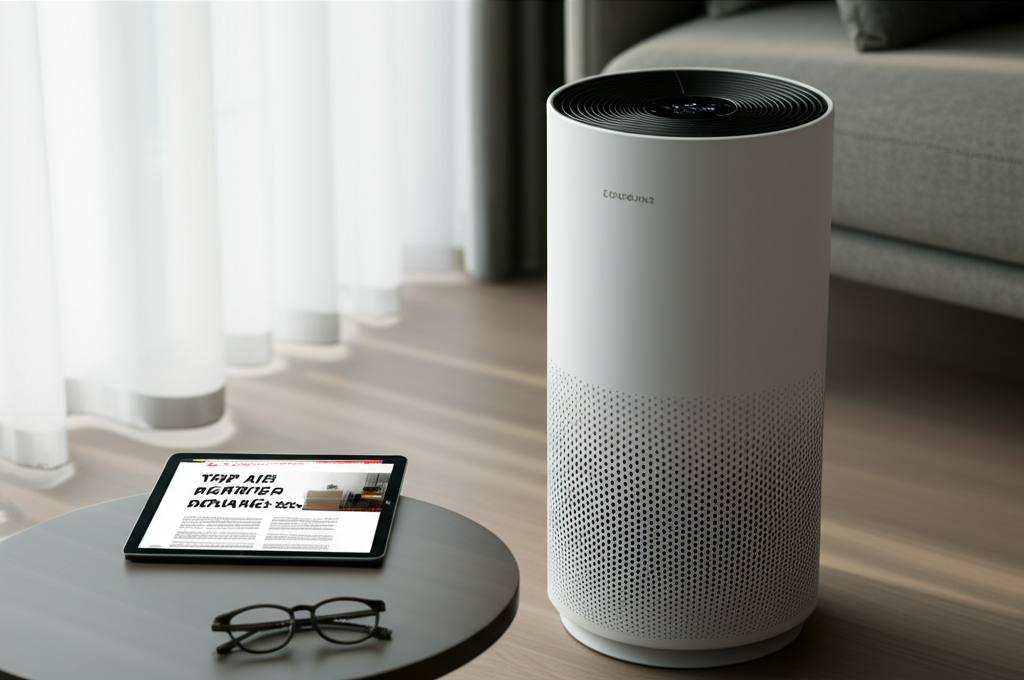
HEPA filters are highly effective at trapping tiny particles. They are essential for removing allergens like pollen and pet dander. True HEPA filters meet strict standards for particle removal. Always look for “True HEPA” when choosing a purifier. This ensures you get the best filtration possible for your home.
Activated Carbon Filters: Tackling Odors and Gases
Activated carbon filters are great for removing smells and chemical fumes. They work by adsorbing pollutants onto their porous surface. This is especially useful for homes with pets, smokers, or strong cooking odors. Many air purifiers combine HEPA and activated carbon filters for comprehensive cleaning.
Other Filtration Methods
Some purifiers use technologies like UV-C light or electrostatic precipitators. UV-C light can help kill bacteria and viruses. Electrostatic precipitators use an electrical charge to capture particles. However, be cautious with ionizers and ozone generators. Ensure any purifier you consider meets safety standards for ozone emissions.
Key Features to Look For in an Air Purifier
When comparing air purifiers, several features stand out. Consider the size of the room you need to cover. Look at the Clean Air Delivery Rate (CADR), which measures how quickly a purifier cleans a room. Noise level is also important, especially for bedrooms. Additional features like air quality sensors and smart controls can add convenience.
Room Size and CADR
The CADR rating tells you how effective a purifier is for a specific room size. Higher CADR means faster air cleaning. Manufacturers usually recommend a maximum room size for each model. Ensure the purifier’s CADR is appropriate for the space you intend to use it in. This guarantees optimal performance for your needs.
Noise Level
Air purifiers operate at different noise levels. This is often measured in decibels (dB). A quiet purifier is essential for bedrooms or living areas. Look for models with a low dB rating on their lowest setting. Some purifiers offer a “sleep mode” that operates very quietly.
Additional Features
Smart features like Wi-Fi connectivity and app control allow remote operation. Air quality sensors can automatically adjust fan speed based on pollution levels. Filter replacement indicators are helpful reminders. Consider which extra features will genuinely benefit your daily life.
Top Air Purifier Brands and Models Reviewed
We’ve analyzed many top air purifier brands. Here are a few highly-rated options. These models offer excellent performance and value. They cover various needs and budgets.
Levoit Core 300S
The Levoit Core 300S is a popular choice for small to medium rooms. It features a 3-stage filtration system, including a True HEPA filter. It’s also very quiet and has smart capabilities. This makes it a great all-around performer.
Coway Airmega 200M
This model is known for its powerful performance in larger rooms. It boasts a multi-stage filtration system and an energy-efficient design. The Airmega 200M is a solid choice for those needing to purify significant spaces.
Blueair Blue Pure 211+ Auto
The Blue Pure 211+ Auto stands out for its high CADR and stylish design. It uses a unique combination of mechanical and electrostatic filtration. This model is effective and easy to use.
How to Choose the Best Air Purifier for Your Home
Choosing the right air purifier depends on your specific needs. Think about the size of your room and any particular concerns, like allergies or odors. Always check for True HEPA filtration. Consider the unit’s energy consumption and filter replacement costs. Making a thoughtful choice ensures you get the best value.
For Allergies and Asthma
If allergies or asthma are a concern, prioritize True HEPA filters. Look for models with high CADR ratings for faster particle removal. A good air purifier can significantly reduce allergens in your home. This can lead to fewer symptoms and better breathing.
For Pet Owners
Pet dander and odors are common issues for pet owners. An air purifier with both a True HEPA filter and an activated carbon filter is ideal. The HEPA filter captures dander, while the carbon filter tackles odors. This combination provides a fresher living environment.
For Odors and VOCs
To combat strong odors or VOCs from cooking, smoke, or chemicals, an activated carbon filter is key. Look for purifiers with a substantial amount of activated carbon. This will effectively adsorb and neutralize airborne smells and gases.
Air Purifier Maintenance: Keeping it Running Smoothly
Regular maintenance ensures your air purifier works its best. This mainly involves cleaning or replacing filters. Follow the manufacturer’s recommendations for filter changes. Most HEPA filters need replacing every 6-12 months. Activated carbon filters may need replacing more often.
Filter Replacement Schedule
Keeping track of filter changes is vital. A clogged filter reduces efficiency and airflow. Many purifiers have indicator lights to remind you. Mark your calendar or set a reminder. Replacing filters on time guarantees continuous clean air.
Cleaning Your Air Purifier
Besides filters, the unit’s exterior and pre-filters may need cleaning. Wipe down the housing with a damp cloth. Some pre-filters are washable. Refer to your manual for specific cleaning instructions. A clean unit performs better and lasts longer.
Comparing Top Air Purifier Reviews Org Picks
Here’s a quick comparison of some popular models. This table highlights key features to help you decide.
| Model | Room Size (sq ft) | CADR (Smoke) | Filter Type | Smart Features | Noise Level (dB) |
| :——————– | :—————- | :———– | :—————- | :————- | :————— |
| Levoit Core 300S | Up to 219 | 141 | True HEPA, Carbon | Yes | 24-50 |
| Coway Airmega 200M | Up to 361 | 135 | HEPA, Carbon | No | 32-54 |
| Blueair Blue Pure 211+| Up to 540 | 160 | HEPA-Silent | No | 31-56 |
This table is a snapshot. Always check the latest specifications for each model.
Frequently Asked Questions About Air Purifiers
What is the most important feature in an air purifier?
The most important feature is a True HEPA filter. It captures at least 99.97% of tiny particles. This is crucial for removing allergens and improving air quality.
How often should I replace air purifier filters?
You should replace HEPA filters every 6 to 12 months. Activated carbon filters might need replacing sooner. Always check your purifier’s manual for specific recommendations.
Can air purifiers help with smoke from wildfires?
Yes, air purifiers with True HEPA and activated carbon filters can significantly reduce smoke particles and odors. They are very effective at cleaning smoky air indoors.
Are air purifiers noisy?
Some air purifiers can be noisy, especially on higher settings. Look for models with low decibel ratings and a sleep mode for quiet operation.
Do air purifiers use a lot of electricity?
Most modern air purifiers are energy-efficient. They use about as much electricity as a light bulb. Look for Energy Star certified models for the best efficiency.
Conclusion: Breathe Easier with the Right Air Purifier
Choosing the right air purifier is an investment in your health and comfort. By understanding different technologies and key features, you can find the perfect model. Our guide on top air purifier reviews org provides the insights you need. We’ve covered everything from HEPA filters to choosing the best unit for your specific needs. Now you can confidently select an air purifier that will make a real difference. Start enjoying cleaner, fresher air in your home today.
