
Top Air Purifier: Genius Essential for Study Spaces

A top air purifier is a smart choice for study spaces. It removes dust, allergens, and odors, creating a healthier, more focused environment. This guide helps you find the best one for better concentration and well-being while studying.
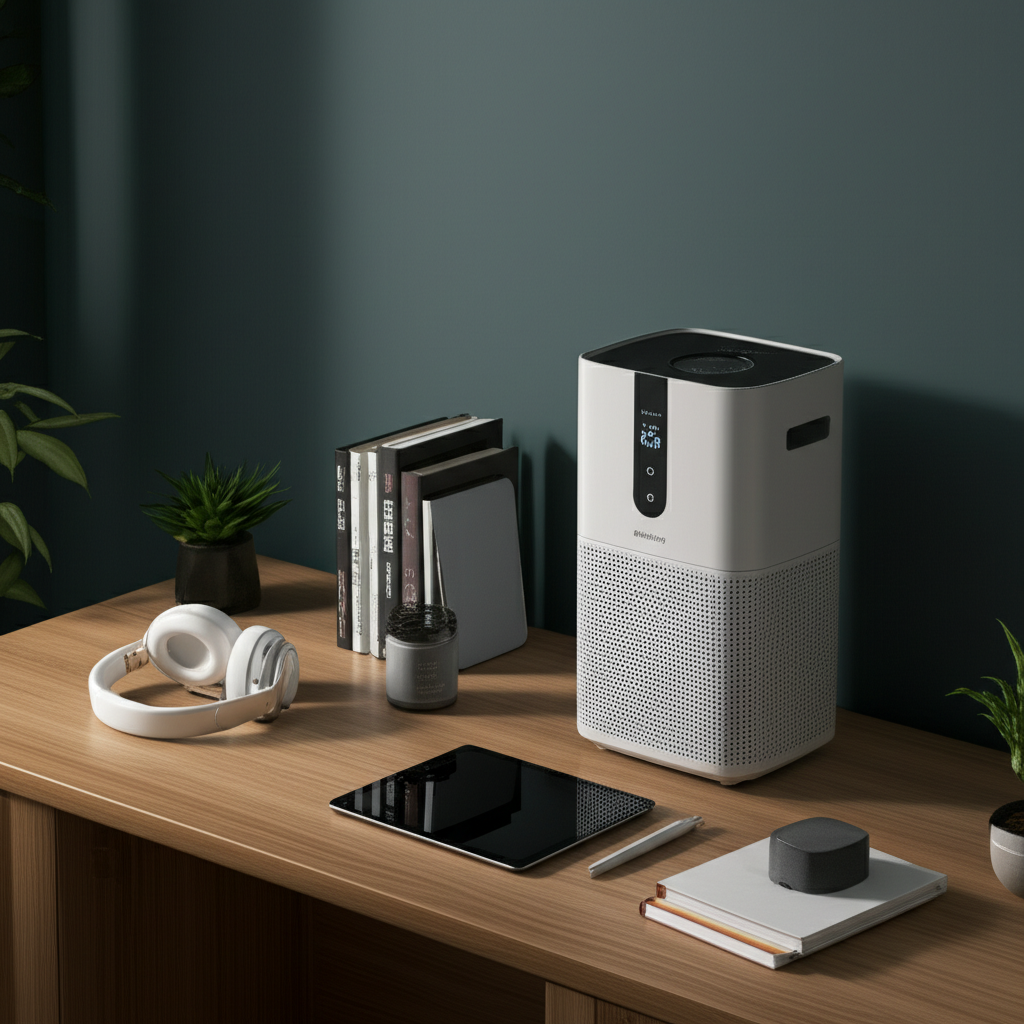
You spend hours studying. Your study space should help you focus, not distract you. But what if your study room is full of unseen stuff like dust and tiny particles? These can make you feel tired or even sick. A good air purifier can clean this air. It’s like giving your brain a breath of fresh air. We’ll explore why a top air purifier is a must-have for students and how to pick the perfect one.
Why Your Study Space Needs a Top Air Purifier
Clean air in your study area boosts concentration and reduces fatigue. Unseen pollutants like dust, pollen, and pet dander can trigger allergies and asthma. This leads to sneezing, coughing, and headaches, all of which disrupt your focus. A top air purifier actively removes these irritants, creating a healthier environment for your brain to work in. Imagine studying without itchy eyes or a stuffy nose.
Understanding What’s in Your Study Room Air
The air in your study room isn’t just empty space. It contains tiny particles you can’t see. These include dust mites, mold spores, and even volatile organic compounds (VOCs) from furniture or cleaning products. Studies show that indoor air can be more polluted than outdoor air. For example, the U.S. Environmental Protection Agency (EPA) states that indoor air levels of pollutants may be 2 to 5 times higher than outdoor levels. These particles can affect your health and your ability to concentrate.
Key Features of a Top Air Purifier for Students
When looking for a top air purifier, focus on its filtration system. HEPA filters are crucial; they capture at least 99.97% of particles 0.3 microns in size. Activated carbon filters are also important for removing odors and VOCs. Look for units with multiple fan speeds for quiet operation during study sessions. Energy efficiency is also a plus, saving you money on electricity bills.
How a Top Air Purifier Enhances Study Focus
A cleaner study environment directly impacts your ability to focus. When you breathe cleaner air, your brain gets more oxygen. This can lead to better cognitive function and reduced mental fatigue. Fewer allergens mean fewer interruptions from sneezing or itchy eyes. A study published in the Journal of Environmental Psychology found that improved indoor air quality was linked to better cognitive performance. This means a top air purifier can be a secret weapon for academic success.
Types of Air Purifiers and What They Do
There are several types of air purifiers, each with its strengths. HEPA purifiers are the most common and effective for allergens and dust. Activated carbon purifiers excel at removing odors and gases. Ionizers release negative ions to neutralize particles, but some can produce ozone, which can be harmful. UV-C light purifiers kill germs and viruses. For study spaces, a combination of HEPA and activated carbon filtration is often the best choice.
Choosing the Right Size and Coverage Area
The size of the air purifier matters. It needs to be powerful enough for your study room. Check the Clean Air Delivery Rate (CADR) for each unit. This number tells you how quickly the purifier cleans the air. Match the CADR to the square footage of your room. A unit too small won’t be effective, while one too large might be noisy or overkill. Aim for a purifier rated for a room slightly larger than yours for best results.
Top Air Purifier Features to Look For
Here’s a checklist for finding your top air purifier:
True HEPA Filter: Essential for capturing fine particles.
Activated Carbon Filter: Removes odors and VOCs.
CADR Rating: Ensure it matches your room size.
Noise Level: Look for units with a “sleep mode” or low decibel rating.
Energy Star Certified: Saves on electricity costs.
Filter Replacement Indicator: Alerts you when it’s time for a change.
* Smart Features (Optional): App control or air quality sensors can be convenient.
Top Air Purifier Recommendations for Study Spaces
Finding the absolute top air purifier can be tricky as models change. However, brands like Coway, Levoit, and Blueair consistently receive high marks for performance and value. For smaller study nooks, a compact model like the Levoit Core 300 is excellent. For larger rooms or those with more significant allergy concerns, consider a Coway Airmega or Blueair Classic model. Always check recent reviews for the latest recommendations.
| Brand | Model Example | Key Feature 1 | Key Feature 2 | Best For |
| :—— | :——————- | :—————- | :——————- | :——————– |
| Coway | Airmega 200M | True HEPA Filter | Activated Carbon | Medium to Large Rooms |
| Levoit | Core 300 | True HEPA Filter | Compact Size | Small to Medium Rooms |
| Blueair | Classic 405 | HEPASilent™ Tech | Low Noise Operation | Larger Study Areas |
Maintaining Your Air Purifier for Peak Performance
Regular maintenance ensures your top air purifier keeps working efficiently. This mainly involves cleaning or replacing the filters. HEPA filters usually need replacing every 6-12 months, depending on usage and air quality. Activated carbon filters may need replacing more often. Always follow the manufacturer’s instructions for cleaning pre-filters and replacing main filters. A clean filter means cleaner air.
Common Questions About Air Purifiers for Study
What is a HEPA filter?
A HEPA filter is a special type of air filter. It can trap at least 99.97% of tiny particles. These particles are as small as 0.3 microns. Think of dust, pollen, and mold.
How often should I run my air purifier?
You should run your air purifier as much as possible while you are studying. Many people leave them on all day. Running it when you sleep also helps keep the air fresh.
Can air purifiers help with study-related headaches?
Yes, they can. Headaches can sometimes be caused by poor air quality or allergens. By cleaning the air, an air purifier can reduce these triggers. This may lead to fewer headaches and better focus.
Are air purifiers noisy?
Some air purifiers can be noisy. However, many modern units have quiet modes. Look for models with low decibel ratings for quiet operation. This is important for a study space.
Do air purifiers use a lot of electricity?
Most modern air purifiers are energy-efficient. Look for Energy Star certified models. They use about as much electricity as a small fan.
How do I know if my air purifier is working?
You can often tell if it’s working by how the air feels. It might smell fresher. Many units also have indicator lights that show air quality. You can also check if the filter needs changing often.
Final Verdict: Invest in Your Focus and Well-being
A top air purifier is more than just an appliance; it’s an investment in your academic success and overall health. By creating a cleaner, fresher study environment, you’re setting yourself up for better concentration, fewer distractions, and improved well-being. Choose a model that fits your room size and budget, and enjoy the benefits of breathing easier while you learn. Your brain will thank you for it.
