Top Air Purifier Companies: Essential Guide

This essential guide explores the top air purifier companies, helping you choose the best for cleaner, healthier air at home. We break down leading brands, their technologies, and what makes them stand out to ensure you find the perfect fit for your needs.
Breathing clean air at home is more important than ever. We all want to protect our families from dust, pollen, pet dander, and even tiny pollutants that can affect our health. But with so many options, figuring out which air purifier is right can feel overwhelming. Don’t worry, I’m here to help you navigate this. This guide will walk you through the leading air purifier companies, what they offer, and how to pick the best one for your home. Let’s make your indoor air fresh and healthy together.
What Makes a Top Air Purifier Company?
A top air purifier company is one that consistently delivers effective, reliable, and innovative products. They focus on advanced filtration technology, like HEPA filters, to capture microscopic particles. These companies also prioritize user experience with quiet operation, energy efficiency, and smart features. Reputation, customer reviews, and independent testing further solidify their standing.
Key Features to Look For in Air Purifiers
When choosing an air purifier, several features are crucial for effective air cleaning. Look for true HEPA filters, which capture 99.97% of particles down to 0.3 microns. Activated carbon filters are essential for removing odors and gases. Consider the CADR (Clean Air Delivery Rate) to match the purifier’s power to your room size. Energy Star certification ensures efficiency, saving you money on electricity bills.
Leading Air Purifier Brands and What They Offer
Several companies consistently rank among the best in the air purifier market. They each bring unique strengths, from cutting-edge technology to budget-friendly options. Understanding these differences helps you pinpoint the best brand for your specific needs.
Coway: Innovation and Performance

Coway is renowned for its powerful performance and smart features. Many of their models feature multi-stage filtration, including HEPA and carbon filters, to tackle a wide range of pollutants. They often include advanced sensors that adjust fan speed automatically. Coway air purifiers are frequently praised for their quiet operation and sleek designs.
Strengths: High CADR ratings, excellent filtration, quiet operation, smart features.
Considerations: Can be on the pricier side.
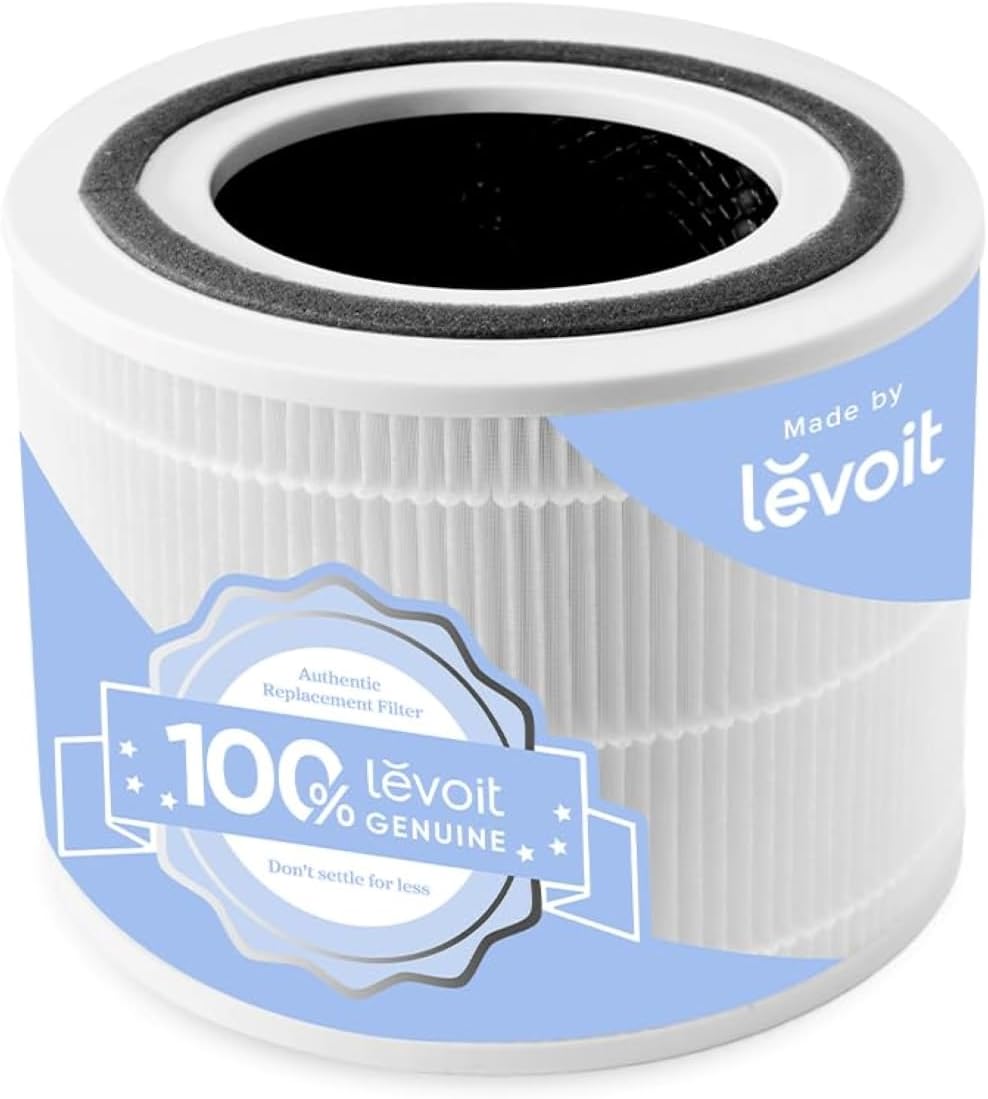
Levoit: Value and Accessibility
Levoit offers a fantastic balance of performance and affordability. They provide reliable air purification with true HEPA filters at competitive price points. Many Levoit models are compact and user-friendly, making them great for bedrooms or smaller spaces. Their focus is on delivering clean air without a hefty price tag.
Strengths: Affordable, effective HEPA filtration, compact designs, easy to use.
Considerations: May lack some of the advanced smart features of premium brands.
Blueair: Swedish Design and Smart Technology
Blueair is known for its distinctive Scandinavian design and advanced filtration systems. They often use a combination of electrostatic and mechanical filtration, known as HEPASilent technology, for efficient purification with low noise. Many Blueair units are also Wi-Fi enabled, allowing for app control and air quality monitoring.
Strengths: Stylish design, efficient and quiet filtration, smart connectivity.
Considerations: Higher price point, replacement filters can be costly.
Winix: Smart Sensors and Value
Winix air purifiers are a popular choice for their effective multi-stage filtration and intelligent air quality sensors. Their PlasmaWave technology helps break down airborne pollutants. They offer a good range of models, from compact units to larger ones suitable for whole rooms, often at competitive prices.
Strengths: Smart sensors, PlasmaWave technology, good value for money.
Considerations: PlasmaWave feature may not be preferred by everyone.
Honeywell: Trusted Name in Air Quality
Honeywell is a well-established brand known for its reliable home comfort products. Their air purifiers offer robust HEPA filtration and are designed for durability. They provide a range of options, from basic models to those with advanced features like UV-C light for germ reduction.
Strengths: Reputable brand, durable construction, effective HEPA filters.
Considerations: Designs can be more utilitarian than some competitors.
Understanding Air Purifier Technologies
Different air purifiers use various technologies to clean your air. Knowing these helps you understand what each company offers and which technology best suits your needs.
HEPA Filtration: The Gold Standard
True HEPA (High-Efficiency Particulate Air) filters are the most important component of an air purifier. They are certified to capture at least 99.97% of airborne particles as small as 0.3 microns. This includes dust, pollen, pet dander, mold spores, and even some bacteria and viruses. Many top companies build their purifiers around this core technology.
Activated Carbon Filters: Tackling Odors and Gases
Activated carbon filters are crucial for removing odors, smoke, and volatile organic compounds (VOCs) from the air. These filters work by adsorption, where gases and odors stick to the porous surface of the carbon. Brands that include substantial activated carbon layers in their filters offer a more comprehensive solution for air quality issues like cooking smells or pet odors.
Ionizers and UV-C Light: Additional Features
Some air purifiers include ionizers, which release negative ions to make particles clump together and fall out of the air. Others use UV-C light to kill germs and viruses trapped in the filter. While these can be beneficial, it’s important to ensure they don’t produce ozone, which can be harmful to respiratory health. Always check product specifications.
Choosing the Right Air Purifier for Your Needs
Selecting the best air purifier involves considering your specific situation and priorities. Think about the size of your room, the pollutants you want to target, and your budget.
Room Size and CADR Rating
The Clean Air Delivery Rate (CADR) indicates how quickly an air purifier can clean a room of smoke, dust, and pollen. A higher CADR means faster air cleaning. Always match the purifier’s recommended room size to your actual room dimensions. A common guideline is to choose a purifier with a CADR rating that is at least two-thirds of the room’s square footage. For example, a 150 sq ft room needs a CADR of around 100.
| Pollutant | Rating Scale |
| :——– | :———– |
| Smoke | 0–450 |
| Dust | 0–450 |
| Pollen | 0–450 |
This table shows the typical rating scale for CADR. Higher numbers mean the purifier cleans the air faster for that specific pollutant.
Allergen and Asthma Relief
If you or someone in your home suffers from allergies or asthma, look for purifiers with true HEPA filters. These are highly effective at removing common allergens like pollen, dust mites, and pet dander. Brands like Coway and Blueair often excel in this area with their multi-stage filtration systems. Ensuring a strong HEPA filter is the primary goal for allergen sufferers.
Odor and Smoke Elimination
For homes dealing with cooking odors, pet smells, or smoke (from cooking or external sources), an activated carbon filter is essential. The more activated carbon a purifier has, the better it will be at neutralizing these smells. Levoit and Winix often offer good options with substantial carbon filters that can handle strong odors effectively.
Smart Features and Convenience
Many modern air purifiers come with smart features like Wi-Fi connectivity, app control, and air quality sensors. These allow you to monitor your air quality remotely, adjust settings, and receive filter replacement reminders. Blueair and Coway are notable for integrating these advanced convenience features into their designs.
Comparing Top Air Purifier Companies
Let’s compare some of the leading brands based on key factors important to consumers. This comparison can help you quickly identify which company might be the best fit.
| Company | Filtration Technology | Key Strengths | Price Range |
| :——– | :—————————————————— | :———————————————— | :———- |
| Coway | True HEPA, Activated Carbon, Advanced Sensors | High performance, quiet, smart features | $$$ |
| Levoit | True HEPA, Activated Carbon | Value, accessibility, compact designs | $$ |
| Blueair | HEPASilent (Electrostatic + Mechanical), Activated Carbon | Design, quiet efficiency, smart connectivity | $$$ |
| Winix | True HEPA, Activated Carbon, PlasmaWave | Smart sensors, good value, effective odor control | $$ |
| Honeywell | True HEPA, Activated Carbon, optional UV-C | Durability, reliability, trusted name | $$–$$$ |
This table provides a snapshot of how these top air purifier companies stack up.
User Reviews and Expert Opinions
Real-world user experiences and expert reviews offer valuable insights. Many users praise Coway for its effectiveness in reducing allergy symptoms and its quiet operation, even on higher settings. Levoit consistently receives high marks for its excellent performance at its price point, making it a popular choice for budget-conscious consumers.
Blueair models are often lauded for their beautiful design and quiet, efficient air cleaning. Winix units are frequently recommended for their accurate air quality sensors and overall value. Honeywell’s reputation for durability is a recurring theme in user feedback, appealing to those seeking long-lasting products.
Maintenance and Running Costs
Remember that air purifiers require ongoing maintenance, primarily filter replacements. The cost and frequency of these replacements can add up. Check how much replacement filters cost and how often they need to be changed. True HEPA and carbon filters typically need replacing every 6 to 12 months, depending on usage and air quality.
Companies like Levoit and Winix often offer more affordable replacement filters. Blueair filters can be more expensive, but their unique technology might offer longer lifespans in some models. Always factor these running costs into your initial purchase decision.
Frequently Asked Questions About Air Purifiers
What is the best air purifier for allergies?
For allergies, a purifier with a true HEPA filter is essential. Brands like Coway and Blueair are excellent choices because they effectively capture tiny allergens like pollen, pet dander, and dust mites. Look for a high CADR rating suitable for your room size.
How often should I replace air purifier filters?
Most HEPA and activated carbon filters need replacing every 6 to 12 months. This depends on how often you use the purifier, the air quality in your home, and the specific model. Always check the manufacturer’s recommendations.
Do air purifiers really make a difference?
Yes, air purifiers can significantly improve indoor air quality. They remove common pollutants like dust, pollen, pet dander, mold spores, and smoke. This can lead to fewer allergy symptoms, reduced odors, and a generally fresher living environment.
What does CADR mean?
CADR stands for Clean Air Delivery Rate. It measures how quickly an air purifier can remove smoke, dust, and pollen from a room. A higher CADR rating means the purifier works faster and is more effective for larger spaces.
Are air purifiers noisy?
Some air purifiers can be noisy, especially on higher fan settings. However, many top companies, like Coway and Blueair, focus on quiet operation, often using advanced motor designs and air flow systems. Look for models with low decibel ratings for quiet use.
What is PlasmaWave technology?
PlasmaWave is a technology used by brands like Winix. It breaks down airborne pollutants at a molecular level without producing harmful ozone. It works alongside HEPA and carbon filters to provide an extra layer of air cleaning.
Conclusion: Your Path to Cleaner Air
Choosing from the top air purifier companies is about finding the right blend of technology, performance, and value for your home. Whether you prioritize advanced smart features, budget-friendly effectiveness, or stylish design, there’s a leading brand ready to meet your needs. Companies like Coway, Levoit, Blueair, Winix, and Honeywell offer reliable solutions for cleaner, healthier air.
By understanding key features like HEPA filtration, CADR ratings, and the importance of activated carbon, you can make an informed decision. Invest in an air purifier from a reputable company, and you’ll breathe easier knowing your home environment is healthier. Your journey to fresh, clean air starts with choosing the right partner.