
Top Air Purifier Brands 2026: Essential Picks

The best air purifier brands for 2025 offer cleaner air for your home. We’ve researched top picks that excel in performance, features, and value to help you breathe easier. Find the perfect model for your needs.
Breathing clean air at home is more important than ever. Many homes have air that isn’t as fresh as we think. Dust, pollen, pet dander, and even invisible fumes can cause allergies and breathing issues. Choosing the right air purifier can make a big difference. But with so many options, where do you start? This guide will help you find the top air purifier brands for 2025. We’ll look at what makes them stand out, so you can pick the best one for your family.
Why Air Purifiers Are Essential for Your Home in 2025
Air purifiers actively clean the air you breathe indoors. They remove tiny particles that can make you sick or cause discomfort. In 2025, with more time spent at home, indoor air quality is a major focus. These devices are not just for people with allergies; they benefit everyone. They can reduce odors, smoke, and even help combat airborne viruses.
A good air purifier can significantly improve your living environment. It works by drawing in air, filtering out pollutants, and releasing cleaner air back into the room. This simple process has a powerful effect on your health and well-being.
Understanding Air Purifier Technologies: What to Look For
Air purifiers use different methods to clean your air. Knowing these technologies helps you choose the best one. Most use HEPA filters, which are very effective at trapping small particles. Other types include activated carbon filters for odors and UV-C light for germs.
HEPA Filters: These capture at least 99.97% of particles 0.3 microns in size. This includes dust, pollen, and pet dander.
Activated Carbon Filters: These absorb gases and odors. They are great for smoke, cooking smells, and pet odors.
UV-C Light: Some purifiers use UV-C light to kill bacteria and viruses. This is an extra layer of protection.
Ionizers: These release negative ions to help particles clump together and fall out of the air. Some people have concerns about ozone production with ionizers.
It’s important to choose a purifier with a combination of technologies that suits your needs. For example, if you have pets, a HEPA and carbon filter combo is usually best.
Top Air Purifier Brands 2025: Our Expert Picks
We have researched many brands to bring you the best air purifier options for 2025. These brands consistently deliver quality and effective air purification. They offer a range of models to fit different room sizes and budgets.
Here are some of the top air purifier brands to consider for 2025:
Coway: Known for powerful performance and stylish designs.
Blueair: Offers quiet operation and excellent filtration.
Levoit: A popular choice for its balance of price and features.
Dyson: Innovative technology with multi-functional use.
Winix: Great value with smart features.
These brands are recognized for their commitment to improving indoor air quality. They invest in research and development to offer the latest in air purification technology.
Coway: Performance and Design Excellence
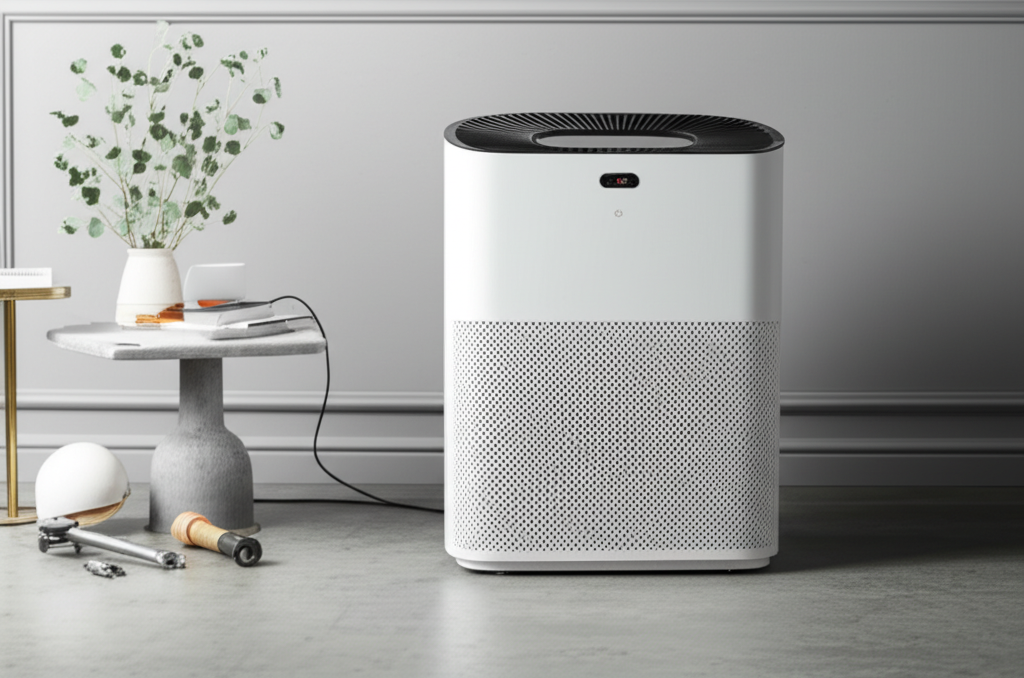
Coway air purifiers are highly rated for their robust filtration systems. They often feature multi-stage filters that tackle a wide range of pollutants. Many models are also designed to be energy-efficient and quiet.
The Coway Airmega series is particularly popular. It offers advanced features like air quality indicators and smart connectivity. These units are built to last and provide consistent clean air.
Coway air purifiers are a top choice for their proven effectiveness and sleek appearance. They are ideal for those seeking reliable performance without compromising on home aesthetics.
Blueair: Quiet Operation, Powerful Filtration
Blueair focuses on creating air purifiers that are both powerful and incredibly quiet. Their Swedish design emphasizes simplicity and effectiveness. They use a combination of electrostatic and mechanical filtration called HEPASilent™ technology.
This technology allows them to use less energy and operate at lower fan speeds. This means quieter operation, which is perfect for bedrooms and living areas. Blueair purifiers are also known for their high CADR (Clean Air Delivery Rate) scores.
Blueair delivers exceptionally clean air with minimal noise disruption. Their focus on quiet efficiency makes them a favorite for sensitive environments.
Levoit: Value and User-Friendly Features
Levoit has become a go-to brand for many consumers seeking affordable yet effective air purifiers. They offer a wide range of models, from small units for personal spaces to larger ones for entire rooms. Levoit purifiers are easy to use and maintain.
Many Levoit models feature three-stage filtration systems, including a HEPA filter. They are often praised for their compact size and simple controls. The brand also offers smart models with app control and voice assistant compatibility.
Levoit provides excellent value, making clean air accessible to more people. Their user-friendly design and reliable performance are key strengths.
Dyson: Innovative Technology and Multi-Functionality
Dyson is known for its cutting-edge technology, and their air purifiers are no exception. Many Dyson purifiers combine air purification with fan and heating functions. This makes them a versatile addition to any home.
Their machines use sealed HEPA filtration systems to capture ultrafine particles. Dyson’s bladeless technology also contributes to safety and ease of cleaning. They offer advanced sensors that monitor air quality in real-time.
Dyson offers innovative, multi-functional air purifiers for a modern home. They are a premium choice for those seeking advanced features and a sleek design.
Winix: Smart Features and Great Air Quality
Winix air purifiers offer a great balance of performance, smart features, and affordability. They often include True HEPA filters, activated carbon filters, and PlasmaWave technology. PlasmaWave is designed to break down airborne pollutants.
Many Winix models are Energy Star certified, meaning they are energy-efficient. They also come with auto modes and air quality sensors that adjust fan speed automatically. This makes them convenient for everyday use.
Winix units provide smart, efficient air purification at a competitive price point. They are a solid choice for enhanced indoor air quality with convenient features.
Key Features to Consider When Buying an Air Purifier
When choosing from the top air purifier brands 2025, several features are crucial. These will help you find a device that truly meets your needs. Think about the size of your room, specific air quality concerns, and how you want to control the unit.
Here’s a breakdown of important features:
Room Size Coverage (CADR): Ensure the purifier is rated for the square footage of your room. Higher CADR means faster air cleaning.
Filter Type: Look for True HEPA filters for particle removal. Activated carbon is essential for odors and gases.
Noise Level: Check the decibel (dB) rating, especially for bedrooms. Lower dB is quieter.
Smart Features: App control, voice commands, and scheduling can add convenience.
Energy Efficiency: Look for Energy Star certification to save on electricity bills.
Filter Replacement Cost: Factor in the ongoing cost of replacement filters.
Considering these factors will help you make an informed decision. It ensures you invest in a purifier that works effectively for your home.
Understanding CADR: Clean Air Delivery Rate
CADR, or Clean Air Delivery Rate, is a vital metric. It measures how quickly an air purifier can clean a room. A higher CADR means the unit is more efficient at removing pollutants.
Manufacturers typically provide CADR ratings for smoke, dust, and pollen. This helps you compare different models. A good rule of thumb is to choose a purifier with a CADR that matches your room size. For example, a room of 300 square feet might need a purifier with a CADR of around 200 or higher.
Source: Association of Home Appliance Manufacturers (AHAM)
Choosing a purifier with an appropriate CADR ensures it can handle the air quality needs of your space. It’s a key indicator of performance.
HEPA Filters: The Gold Standard for Particle Removal
True HEPA filters are the most effective way to remove airborne particles. They are designed to capture at least 99.97% of particles as small as 0.3 microns. This includes common allergens like dust mites, pollen, mold spores, and pet dander.
Many cheaper purifiers use “HEPA-type” or “HEPA-like” filters. These do not meet the same strict standards as True HEPA filters. Always look for the “True HEPA” label for the best particle filtration.
True HEPA filters are essential for capturing microscopic allergens and irritants. They are the cornerstone of effective air purification for health-conscious individuals.
Activated Carbon Filters: Tackling Odors and Gases
While HEPA filters excel at trapping particles, activated carbon filters are crucial for removing odors and gases. These filters contain activated carbon, a highly porous material that adsorbs volatile organic compounds (VOCs). VOCs come from common household items like cleaning products, paints, and furniture.
If you are concerned about cooking smells, pet odors, or chemical fumes, an activated carbon filter is a must. The amount of carbon in the filter affects its effectiveness and lifespan. Thicker, denser carbon filters generally perform better.
Activated carbon filters are your best defense against unpleasant smells and harmful gases. They work alongside HEPA filters for comprehensive air cleaning.
Best Air Purifiers by Room Size
Selecting an air purifier based on room size is crucial for optimal performance. An undersized unit will struggle to clean the air effectively. An oversized unit might be more expensive than needed.
Here’s a general guide:
| Room Size (sq. ft.) | Recommended CADR Range (Smoke) | Example Brands/Models (Illustrative) |
| :—————— | :—————————– | :———————————– |
| 150-250 | 100-150 | Levoit Core 300, Winix 5500-2 (smaller rooms) |
| 300-500 | 180-250 | Coway Airmega 200M, Blueair Blue Pure 211+ |
| 500+ | 300+ | Coway Airmega 300S, Dyson Purifier Cool |
This table provides a starting point. Always check the manufacturer’s specific room coverage recommendations.
Top Air Purifier Brands 2025: Our Top 3 Picks
Based on performance, features, and user reviews, here are my top three recommendations for top air purifier brands 2025. These brands offer excellent options for most households.
1. Coway Airmega 200M: This model is a fantastic all-rounder. It offers a True HEPA filter, an activated carbon filter, and covers rooms up to 361 sq. ft. It’s quiet, energy-efficient, and has an automatic mode.
2. Blueair Blue Pure 211+ Auto: Known for its high CADR and low noise levels, this purifier is great for larger spaces. It uses a unique fabric pre-filter and a particle filter. The auto mode adjusts fan speed based on air quality.
3. Levoit Core 300S: For those on a budget, the Levoit Core 300S is an excellent choice. It’s compact, quiet, and effective for small to medium rooms (up to 219 sq. ft.). It features a three-stage filtration system and smart capabilities.
These picks represent a good balance of quality, features, and value from leading brands.
Air Purifier Maintenance: Keeping Your Unit Running Smoothly
To ensure your air purifier continues to work effectively, regular maintenance is key. This usually involves cleaning or replacing the filters. Always follow the manufacturer’s specific instructions for your model.
Filter Replacement: HEPA and carbon filters need to be replaced periodically. This can range from 6 months to 2 years, depending on the filter type and usage.
Pre-filter Cleaning: Many purifiers have a washable pre-filter that catches larger particles. Cleaning this regularly extends the life of the main filters.
Unit Cleaning: Wipe down the exterior of the purifier with a damp cloth. Ensure the unit is unplugged before cleaning.
Proper maintenance guarantees optimal performance and longevity for your air purifier. Neglecting this can reduce its effectiveness and even cause damage.
Frequently Asked Questions About Air Purifiers
Q1: How often should I run my air purifier?
You can run your air purifier continuously for the best results. Many have auto modes that adjust fan speed based on air quality. This makes them energy-efficient.
Q2: Do air purifiers really help with allergies?
Yes, air purifiers with True HEPA filters are very effective at removing allergens like pollen, dust, and pet dander. This can significantly reduce allergy symptoms.
Q3: Can air purifiers remove odors?
Air purifiers with activated carbon filters are excellent at removing odors from cooking, pets, smoke, and other sources.
Q4: What is the difference between HEPA and True HEPA?
True HEPA filters are certified to capture at least 99.97% of particles 0.3 microns in size. “HEPA-type” or “HEPA-like” filters do not meet these strict standards.
Q5: How do I know which size air purifier I need?
Check the Clean Air Delivery Rate (CADR) or the manufacturer’s recommended room size. Match this to the square footage of the room where you’ll use it.
Q6: Do air purifiers produce ozone?
Some older or less advanced models, especially those with ionizers, can produce small amounts of ozone. Look for ozone-free certifications or models that have had their ionizer function disabled.
Conclusion: Breathe Easier with the Right Air Purifier
Choosing from the top air purifier brands 2025 is an investment in your health and comfort. Brands like Coway, Blueair, Levoit, Dyson, and Winix offer excellent options with advanced technology and reliable performance. By considering room size, filter types, and essential features like CADR and noise levels, you can find the perfect air purifier for your home.
Remember to maintain your unit by cleaning and replacing filters regularly. This ensures it continues to provide fresh, clean air for years to come. Make the smart choice for your indoor environment today.
