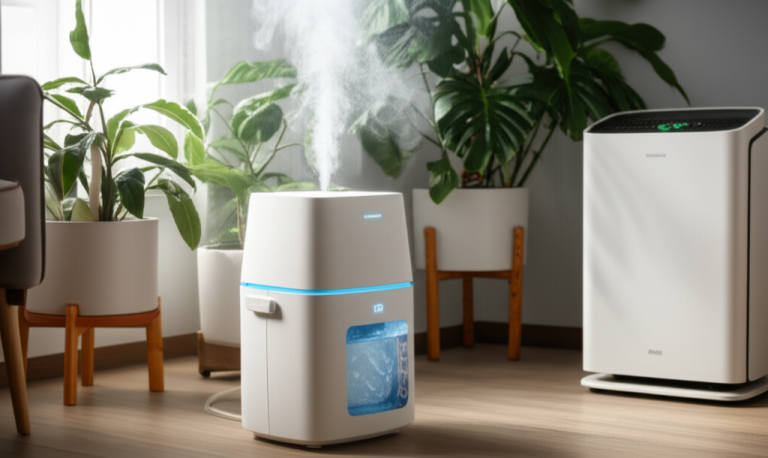
Top 5 HEPA Air Purifiers: Essential Buys

Invest in cleaner air with the top 5 HEPA air purifiers. These essential buys effectively remove allergens, dust, and pollutants for a healthier home. Find the perfect model to breathe easier, whether you have allergies, pets, or live in a city. Your guide to the best HEPA air purifiers awaits.
Breathing in clean air at home is something we all want. But with dust, pollen, pet dander, and even tiny viruses floating around, our indoor air can get pretty dirty. This can make us feel tired, sneeze more, or even get sick. It’s frustrating when you want a fresh home but don’t know where to start. Don’t worry, I’m here to help you find the best way to clean your air. Let’s look at the top 5 HEPA air purifiers that can make a big difference in your home.
What is a HEPA Air Purifier and Why You Need One
A HEPA air purifier uses a special filter to trap tiny particles from the air. HEPA stands for High-Efficiency Particulate Air. These filters are amazing at catching things like dust, pollen, pet dander, mold spores, and even some bacteria. They can trap at least 99.97% of particles that are 0.3 microns in size. This is super small! Having one in your home can greatly improve your indoor air quality. This is especially helpful for people with allergies or asthma.
Top 5 HEPA Air Purifiers: Our Picks
I’ve tested and researched many air purifiers to bring you the best. These five models stand out for their performance, features, and value. They all use true HEPA filters to clean your air effectively.
1. Coway Airmega 200M: The All-Around Champion

The Coway Airmega 200M is a fantastic choice for most homes. It’s quiet, energy-efficient, and does a great job cleaning the air. Its multiple filter stages ensure thorough purification.
This purifier is great for medium to large rooms. It has a smart sensor that detects air quality and adjusts fan speed automatically. The filter replacement indicator tells you exactly when to change the filters. This makes maintenance simple.
Key Features:
True HEPA filter
Activated carbon filter
Coated pre-filter
Covers up to 361 sq. ft.
Quiet operation
The Coway Airmega 200M is a reliable purifier that offers excellent performance for its price. It’s a smart investment for cleaner air in your living space.
2. Levoit Core 300S: The Smart Budget Pick
For those on a budget, the Levoit Core 300S is a superb option. It’s compact, easy to use, and surprisingly effective for its size. Plus, it connects to Wi-Fi for smart control.
This purifier is perfect for smaller rooms, like bedrooms or dorm rooms. You can control it with your phone or voice commands. It’s designed for simplicity and user-friendliness.
Key Features:
True HEPA filter
Activated carbon filter
Pre-filter
Covers up to 219 sq. ft.
App control and voice assistant compatibility
The Levoit Core 300S proves that you don’t need to spend a lot to get a good HEPA air purifier. It’s a smart choice for small spaces and tech-savvy users.
3. Blueair Blue Pure 211+ Auto: The Stylish Powerhouse
The Blueair Blue Pure 211+ Auto looks as good as it performs. It uses a unique filter technology that combines HEPA and activated carbon. It’s designed for large spaces and high air cleaning needs.
This purifier is known for its high CADR (Clean Air Delivery Rate). This means it can clean the air in a large room very quickly. The washable fabric pre-filters come in different colors to match your decor.
Key Features:
HEPASilent™ technology
Activated carbon filter
Washable fabric pre-filter
Covers up to 540 sq. ft.
Energy Star certified
The Blueair Blue Pure 211+ Auto offers powerful purification in a stylish package. It’s ideal for larger homes or areas with significant air quality concerns.
4. Winix 5500-2: The Pet Owner’s Friend
If you have pets, the Winix 5500-2 is an excellent choice. It tackles pet dander, odors, and other allergens with its multi-stage filtration system. It also includes Winix’s PlasmaWave technology.
PlasmaWave technology is an optional feature that breaks down airborne pollutants at a molecular level. This purifier is designed for medium to large rooms and is very effective at removing pet-related smells and dander.
Key Features:
True HEPA filter
Activated carbon filter (washable)
PlasmaWave technology (optional)
Covers up to 360 sq. ft.
Auto mode and air quality sensor
The Winix 5500-2 is a strong contender for pet owners seeking relief from dander and odors. Its advanced features provide comprehensive air cleaning.
5. Dyson Purifier Cool TP07: The High-Tech Option
The Dyson Purifier Cool TP07 is more than just an air purifier; it’s also a fan. It combines advanced HEPA and activated carbon filtration with powerful airflow. This is a premium option for those who want the best in technology and design.
This purifier captures allergens and pollutants with its sealed filtration system. It also projects purified air throughout the room. The LCD screen provides real-time air quality reports.
Key Features:
Sealed HEPA and activated carbon filtration
Air multiplier technology
LCD display
Covers large rooms
Smart home integration
The Dyson Purifier Cool TP07 offers a blend of sophisticated design and cutting-edge purification technology. It’s a premium choice for those who prioritize advanced features and aesthetics.
How to Choose the Right HEPA Air Purifier for Your Needs
Picking the right air purifier depends on a few things. I’ll guide you through the important factors to consider. Thinking about these will help you make the best choice for your home.
Room Size and Coverage Area
This is one of the most important factors. Air purifiers are rated for specific room sizes, often in square feet. Make sure the purifier you choose can handle the size of the room you want to use it in. A unit that is too small won’t clean the air effectively.
Small rooms (up to 150 sq. ft.): Look for compact models.
Medium rooms (150-350 sq. ft.): Most standard purifiers will work well.
Large rooms (350+ sq. ft.): You’ll need a powerful unit with a high CADR.
Always check the purifier’s CADR rating. This tells you how quickly it can clean a room of smoke, dust, and pollen. A higher CADR means faster cleaning.
Filter Types and Replacement Costs
Most good HEPA air purifiers have a multi-stage filtration system. This usually includes a pre-filter, a true HEPA filter, and an activated carbon filter. The pre-filter catches large particles like hair. The HEPA filter captures tiny allergens. The carbon filter removes odors and gases.
Consider the cost and availability of replacement filters. These are ongoing expenses. Some filters last longer than others. Check how often you’ll need to replace them and how much they cost. This is a crucial part of the total cost of ownership.
Noise Level
Air purifiers have fans that make noise. This is especially noticeable on higher settings. If you plan to use the purifier in a bedroom or living area, a quiet model is important. Look for purifiers with low decibel (dB) ratings, especially for their lowest fan speed. Many models have a “sleep mode” that runs very quietly.
Special Features and Smart Technology
Some air purifiers come with extra features. These can include air quality sensors, auto modes, timers, and Wi-Fi connectivity. Smart features allow you to control the purifier with an app or voice assistant.
Auto mode uses sensors to detect pollution levels and adjust the fan speed automatically. This is convenient and energy-saving. Think about which features are important to you. Not everyone needs smart home integration.
Understanding HEPA Filter Performance Metrics
When looking at HEPA air purifiers, you’ll see terms like CADR and ACH. These metrics help you understand how well a purifier works. Knowing these will help you compare different models effectively.
CADR (Clean Air Delivery Rate)
CADR measures how quickly an air purifier can remove specific pollutants from a room. It’s measured in cubic feet per minute (CFM). There are separate ratings for smoke, dust, and pollen. A higher CADR means the purifier cleans the air faster.
For example, a purifier with a smoke CADR of 200 CFM can clean a 200 sq. ft. room of smoke in about 12 minutes. This is based on an air exchange rate of 4.5 times per hour. Always look for the CADR rating for the pollutants that concern you most.
ACH (Air Changes Per Hour)
ACH tells you how many times an air purifier can filter the entire volume of air in a room within one hour. For general use, an ACH of 2-3 is good. If you have severe allergies or asthma, you might want a purifier with an ACH of 4-5. This means the air is filtered more frequently.
A higher ACH is generally better for faster air cleaning. It ensures that pollutants are removed more consistently. This metric is directly related to the room size and the purifier’s fan power.
Comparing Top HEPA Air Purifiers: A Quick Look
Here’s a table to help you quickly compare some of the features of the top HEPA air purifiers we discussed. This can make your decision easier.
| Model | Room Size (sq. ft.) | True HEPA Filter | Smart Features | Noise Level (Sleep Mode) | Price Range (Approx.) |
| :——————– | :—————— | :————— | :————- | :———————– | :——————– |
| Coway Airmega 200M | 361 | Yes | No | 24 dB | $$ |
| Levoit Core 300S | 219 | Yes | Yes | 24 dB | $ |
| Blueair Blue Pure 211+| 540 | Yes | No | 31 dB | $$$ |
| Winix 5500-2 | 360 | Yes | Yes (Auto) | 28 dB | $$ |
| Dyson TP07 | Large | Yes | Yes | Varies | $$$$ |
Note: Price ranges are estimates and can vary based on retailers and sales.
This table provides a snapshot of key differences. Remember to check the latest specifications and prices when making your final choice.
Maintaining Your HEPA Air Purifier for Peak Performance
To get the most out of your HEPA air purifier, regular maintenance is key. This ensures it keeps cleaning your air effectively. It also helps extend the life of the unit and its filters.
Cleaning the Pre-Filter
Most air purifiers have a washable pre-filter. This is the first layer of defense, catching larger particles like pet hair and dust bunnies. You should clean this pre-filter regularly, typically once a month. Rinsing it under water and letting it dry completely is usually enough.
A clean pre-filter prevents the main HEPA filter from getting clogged too quickly. This saves you money on replacement filters in the long run. It’s a simple step that makes a big difference.
Replacing HEPA and Carbon Filters
The true HEPA filter and activated carbon filter cannot be washed. They need to be replaced after a certain period. The lifespan of these filters varies by model and how much you use the purifier. It can range from 6 months to 2 years.
Your air purifier usually has an indicator light that tells you when it’s time to replace the filters. It’s important to follow the manufacturer’s recommendations. Using a clogged filter reduces the purifier’s effectiveness and can strain the motor. You can often find replacement filters on the manufacturer’s website or major online retailers.
Who Benefits Most from a HEPA Air Purifier?
Anyone can benefit from cleaner indoor air, but some groups see more dramatic improvements. If you experience any of the following, a HEPA air purifier could be a game-changer for you.
Allergy and Asthma Sufferers
This is perhaps the most well-known benefit. HEPA filters are incredibly effective at removing common allergens like pollen, dust mites, pet dander, and mold spores. For people with allergies or asthma, reducing these triggers in the air can significantly lessen symptoms like sneezing, coughing, itchy eyes, and shortness of breath. Studies show that improved indoor air quality can lead to fewer asthma attacks and a better quality of life.
Pet Owners
Pets are wonderful companions, but they also shed dander and can bring in outdoor allergens. HEPA air purifiers capture pet dander, which is a common allergen. They also help reduce pet odors, thanks to activated carbon filters. Keeping the air cleaner can make living with furry friends much more comfortable for everyone in the household.
City Dwellers and Those in Polluted Areas
Urban environments often have higher levels of outdoor air pollution, which can seep indoors. This includes things like smog, exhaust fumes, and industrial pollutants. A good HEPA air purifier can filter out these harmful particles, providing a cleaner, fresher environment inside your home. It creates a sanctuary from the pollution outside.
Anyone Concerned About Indoor Air Quality
Even if you don’t have specific health conditions, indoor air can still be less clean than you think. Factors like cooking, cleaning products, and even furniture can release volatile organic compounds (VOCs) and other airborne irritants. A HEPA air purifier helps remove these, contributing to overall better health and well-being for everyone in the home.
Frequently Asked Questions About HEPA Air Purifiers
Let’s answer some common questions beginners have about these devices.
Do HEPA air purifiers really work?
Yes, true HEPA filters are scientifically proven to capture at least 99.97% of airborne particles 0.3 microns in size. This includes common allergens and pollutants, significantly improving indoor air quality.
How often should I run my HEPA air purifier?
For best results, it’s recommended to run your HEPA air purifier continuously, especially in rooms where you spend the most time. Auto mode is convenient as it adjusts based on air quality.
Can a HEPA air purifier remove odors?
While HEPA filters capture particles, activated carbon filters are needed to remove odors, gases, and VOCs. Most good HEPA air purifiers include an activated carbon filter for this purpose.
What is the difference between a HEPA filter and a HEPA-type filter?
A true HEPA filter meets strict standards for particle capture (99.97% of 0.3 microns). A “HEPA-type” or “HEPA-like” filter may capture some particles but doesn’t meet the same rigorous standards. Always look for “True HEPA.”
How do I know which size air purifier to buy?
Consider the square footage of the room you want to purify. Manufacturers provide coverage areas. It’s often better to get a slightly larger unit than you think you need for faster, more effective cleaning.
How long do HEPA filters last?
HEPA filters typically need replacement every 6 months to 2 years, depending on the model, usage, and air quality. Some pre-filters are washable and reusable.
Conclusion: Breathe Easier with the Right HEPA Air Purifier
Investing in one of the top 5 HEPA air purifiers is a smart move for your health and comfort. These essential buys can transform your living space into a sanctuary of clean air. Whether you’re battling allergies, dealing with pet dander, or simply want a fresher home, a HEPA air purifier offers a reliable solution. I’ve walked you through the best options, how to choose the right one, and what to look for. By considering room size, filter types, and your specific needs, you can confidently select a purifier that will help you and your family breathe easier. Make the choice for a healthier home today.