Top 5 Best Air Purifiers: Essential for Clean Air

Breathe easier with the top 5 best air purifiers, your essential guide to cleaner indoor air. Discover models that tackle allergens, pollutants, and odors for a healthier home environment.
Have you noticed more dust in your home lately? Maybe allergies are acting up more than usual. Poor indoor air quality can lead to sniffles, headaches, and trouble sleeping. It’s a common problem that affects many households. But don’t worry, finding a solution is simpler than you think. We’ll guide you through the best air purifiers available. This will help you choose the perfect one for your needs. Let’s explore how to get cleaner air in your home.
Why You Need an Air Purifier for Clean Air
An air purifier is a device that cleans the air in a room. It removes tiny particles like dust, pollen, and smoke. It also helps get rid of bad smells. This is especially important for people with allergies or asthma. Clean air can make you feel better and sleep more soundly. It creates a healthier living space for everyone.
Air purifiers work by pulling air through a series of filters. These filters trap pollutants. Different purifiers have different types of filters. HEPA filters are very common and effective. They can capture 99.97% of particles. This includes allergens like pet dander and mold spores. Some purifiers also use activated carbon filters. These are great for removing odors from cooking or smoke. UV-C light is another feature some purifiers have. It can kill germs and bacteria in the air.
What to Look for in the Top 5 Best Air Purifiers
When choosing an air purifier, consider a few key things. The size of the room is important. You need a purifier that is powerful enough for your space. Look at the Clean Air Delivery Rate (CADR). This tells you how quickly it cleans the air. Filter type is also crucial. A good HEPA filter is a must for removing allergens. Consider noise levels, especially for bedrooms. Energy efficiency is another factor for long-term savings.
Room Size and Coverage Area
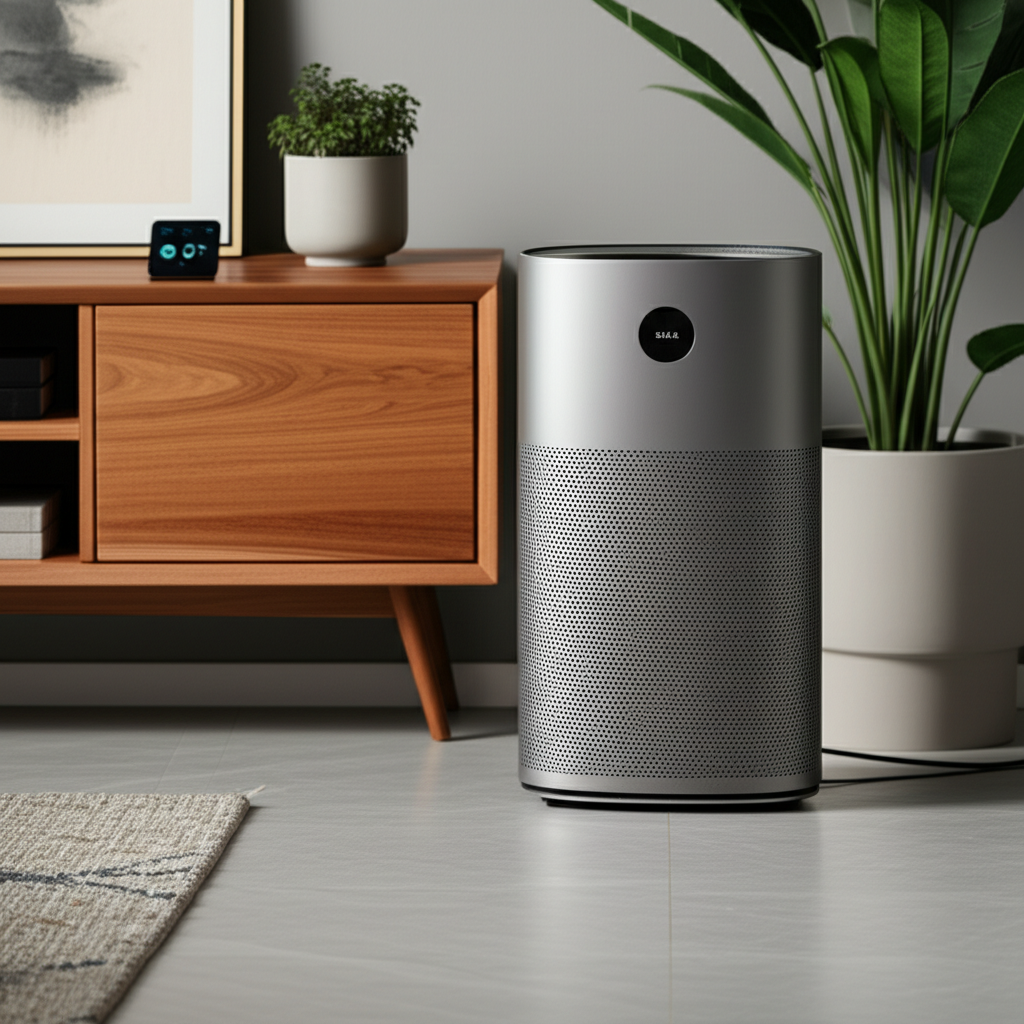
Every air purifier is designed for a specific room size. This is usually measured in square feet. Check the manufacturer’s recommendations. A purifier that’s too small won’t clean the air effectively. One that’s too large might be overkill and waste energy. For larger rooms, you might need a more powerful unit. You can also use multiple purifiers in different areas.
HEPA Filters: The Gold Standard
High-Efficiency Particulate Air (HEPA) filters are essential. They trap very small particles. This includes dust mites, pollen, and pet dander. True HEPA filters meet strict standards. They must remove at least 99.97% of particles. These particles are 0.3 microns in size. This is a tiny size, smaller than many allergens.
Activated Carbon Filters for Odors
Activated carbon filters are great for smells. They absorb odors from cooking, pets, and smoke. These filters are often combined with HEPA filters. This gives you both particle and odor removal. The amount of carbon in the filter matters. More carbon means better odor absorption.
Noise Levels and Sleep Modes
Air purifiers can make noise. This is often measured in decibels (dB). Lower dB numbers are quieter. Many purifiers have a “sleep mode” or “night mode.” This lowers fan speed and light intensity. It makes the unit quieter for sleeping. Check reviews for real-world noise level feedback.
Energy Efficiency and Cost
Consider the power consumption of the air purifier. Look for ENERGY STAR certified models. These use less electricity. This saves you money on your energy bills. Also, factor in the cost of replacement filters. Some filters need changing every few months. This can add to the ongoing expense.
Top 5 Best Air Purifiers for Your Home
Here are our top picks for the best air purifiers. We considered effectiveness, features, and value. These models are great for different needs and budgets.
1. Coway Airmega 200M: A Powerful All-Rounder
The Coway Airmega 200M is a fantastic choice for many homes. It’s effective at cleaning the air in medium to large rooms. It has a multi-stage filtration system. This includes a pre-filter, an activated carbon filter, and a true HEPA filter. The air quality sensor adjusts fan speed automatically. It also has a timer and filter life indicator. This makes it easy to use and maintain. It’s a reliable option for tackling common pollutants.
Key Features:
True HEPA filter
Activated carbon filter
Smart air quality sensor
Covers rooms up to 1,500 sq ft
Low noise operation
Pros:
Excellent air cleaning performance
User-friendly design
Quiet operation on lower settings
Cons:
Replacement filters can be a bit pricey
This air purifier is a strong contender for its balance of performance and features. It offers peace of mind with its robust filtration.
2. Levoit Core 300S: Best Budget-Friendly Smart Option
The Levoit Core 300S is a popular choice for its affordability. It’s compact and stylish. This makes it suitable for bedrooms or small living areas. It uses a 3-stage filtration system. This includes a pre-filter, a HEPA filter, and an activated carbon filter. The Core 300S can be controlled via a smartphone app. You can adjust settings and check filter life remotely. It also has a quiet sleep mode. This is perfect for light sleepers.
Key Features:
3-stage filtration (Pre-filter, True HEPA, Activated Carbon)
Smart control via VeSync app
Whisper-quiet sleep mode
Covers rooms up to 219 sq ft
Compact design
Pros:
Very affordable
Smart features are convenient
Quiet operation
Cons:
Best suited for smaller rooms
For those on a budget, the Levoit Core 300S offers great value. It provides effective air cleaning and smart controls.
3. Blueair Blue Pure 211+: Best for Large Spaces and Simplicity
The Blueair Blue Pure 211+ is designed for larger rooms. It has a unique HEPASilent technology. This combines electrostatic and mechanical filtration. It is very effective at removing particles. The unit comes with a washable fabric pre-filter. You can choose from different colors. It’s incredibly simple to use. Just plug it in and turn it on. There are no complicated settings. This makes it a hassle-free choice for clean air.
Key Features:
HEPASilent technology
Washable fabric pre-filter
Single-button operation
Covers rooms up to 540 sq ft
Low energy consumption
Pros:
Excellent performance for large areas
Very easy to use
Stylish and customizable
Cons:
No smart features or auto mode
This air purifier is ideal if you need to clean the air in a large space. Its simplicity makes it a user-friendly option.
4. Winix 5500-2: Great Value with PlasmaWave Technology
The Winix 5500-2 is a strong performer. It offers excellent value for its price. It features a True HEPA filter. It also has an activated carbon filter. A unique feature is its PlasmaWave technology. This technology breaks down airborne pollutants. It works without producing harmful ozone. The unit has an auto mode. It adjusts fan speed based on air quality. It’s a good choice for homes with pets or allergies.
Key Features:
True HEPA filter
Washable AOC (Advanced Odor Control) carbon filter
PlasmaWave technology
Auto mode and air quality sensor
Covers rooms up to 360 sq ft
Pros:
Effective multi-stage filtration
PlasmaWave technology is a nice bonus
Good value for the features
Cons:
PlasmaWave can be turned off if desired, but some users prefer not to use it.
The Winix 5500-2 provides comprehensive air cleaning. Its combination of filters and technology makes it a solid choice.
5. Dyson Purifier Cool TP07: Advanced Features and Smart Connectivity
The Dyson Purifier Cool TP07 is a premium option. It combines air purification with a cooling fan. It features a fully sealed filtration system. This includes a HEPA filter and activated carbon. It captures 99.97% of particles as small as 0.3 microns. The TP07 connects to Wi-Fi. You can control it with the Dyson Link app. It also displays air quality reports in real-time. It’s a sleek and powerful device for modern homes.
Key Features:
Sealed HEPA and activated carbon filtration
Bladeless cooling fan
Wi-Fi connectivity and app control
Real-time air quality reporting
Covers rooms up to 1,000 sq ft
Pros:
Excellent purification and cooling
Advanced smart features
Modern and stylish design
Cons:
High price point
Can be noisy at higher fan speeds
For those seeking advanced technology and a multi-functional device, the Dyson TP07 is an excellent, albeit pricey, choice.
Comparison Table: Top 5 Best Air Purifiers
| Feature | Coway Airmega 200M | Levoit Core 300S | Blueair Blue Pure 211+ | Winix 5500-2 | Dyson Purifier Cool TP07 |
| :—————— | :———————- | :——————– | :——————— | :——————– | :———————– |
| Room Size (sq ft) | Up to 1,500 | Up to 219 | Up to 540 | Up to 360 | Up to 1,000 |
| Filter Type | True HEPA, Carbon | True HEPA, Carbon | HEPA-Silent | True HEPA, Carbon | HEPA, Carbon |
| Smart Features | Yes (Sensor, Auto) | Yes (App Control) | No | Yes (Sensor, Auto) | Yes (Wi-Fi, App) |
| Noise Level | Low | Very Low (Sleep Mode) | Moderate | Low | Moderate |
| Price Range | Mid-High | Budget | Mid | Mid | High |
This table helps you quickly compare the key aspects of each air purifier. It makes choosing the best one for your needs easier.
How Air Purifiers Help with Allergies and Asthma
Air purifiers are a game-changer for allergy and asthma sufferers. They capture airborne allergens like pollen, pet dander, and dust mites. These tiny particles often trigger symptoms. By removing them, purifiers can reduce sneezing, coughing, and itchy eyes. A study by the U.S. Environmental Protection Agency (EPA) highlights the importance of good indoor air quality for health. Reducing exposure to these triggers can lead to fewer asthma attacks and less reliance on medication.
Tips for Maximizing Your Air Purifier’s Effectiveness
To get the most out of your air purifier, follow these tips. Place it in the room where you spend the most time. Keep doors and windows closed while it’s running. This prevents new pollutants from entering. Regularly clean or replace the filters. Dirty filters can’t clean the air effectively. Some models have filter change indicators. Follow the manufacturer’s instructions for maintenance.
Frequently Asked Questions About Air Purifiers
How often should I replace the filters in my air purifier?
Most air purifiers require filter replacements every 6 to 12 months. Some pre-filters can be washed. Always check your specific model’s manual for exact recommendations.
Can air purifiers remove viruses and bacteria?
True HEPA filters can capture many viruses and bacteria. Some purifiers also use UV-C light to kill germs. However, they are not a substitute for good hygiene practices.
Do air purifiers use a lot of electricity?
Modern air purifiers are generally energy-efficient. Look for ENERGY STAR certified models. They use less power. The energy consumption depends on the size and fan speed.
Are air purifiers noisy?
Noise levels vary by model. Many have quiet modes for sleeping. Check the decibel (dB) rating. Lower numbers mean quieter operation.
What is CADR?
CADR stands for Clean Air Delivery Rate. It measures how quickly an air purifier cleans a room. Higher CADR numbers mean faster air cleaning.
Can I run my air purifier all day?
Yes, it’s generally safe to run an air purifier 24/7. This provides continuous air cleaning. It’s especially beneficial for allergy and asthma sufferers.
Conclusion: Investing in Your Health with the Top 5 Best Air Purifiers
Choosing one of the top 5 best air purifiers is a smart investment in your health. Cleaner indoor air can significantly improve your well-being. It helps reduce allergens, combat odors, and create a more comfortable living space. Whether you choose the powerful Coway Airmega 200M or the budget-friendly Levoit Core 300S, you’re taking a positive step. Consider your room size, specific needs like allergies, and budget. With the right air purifier, you can enjoy fresher, cleaner air every day. Breathe easier and live healthier.