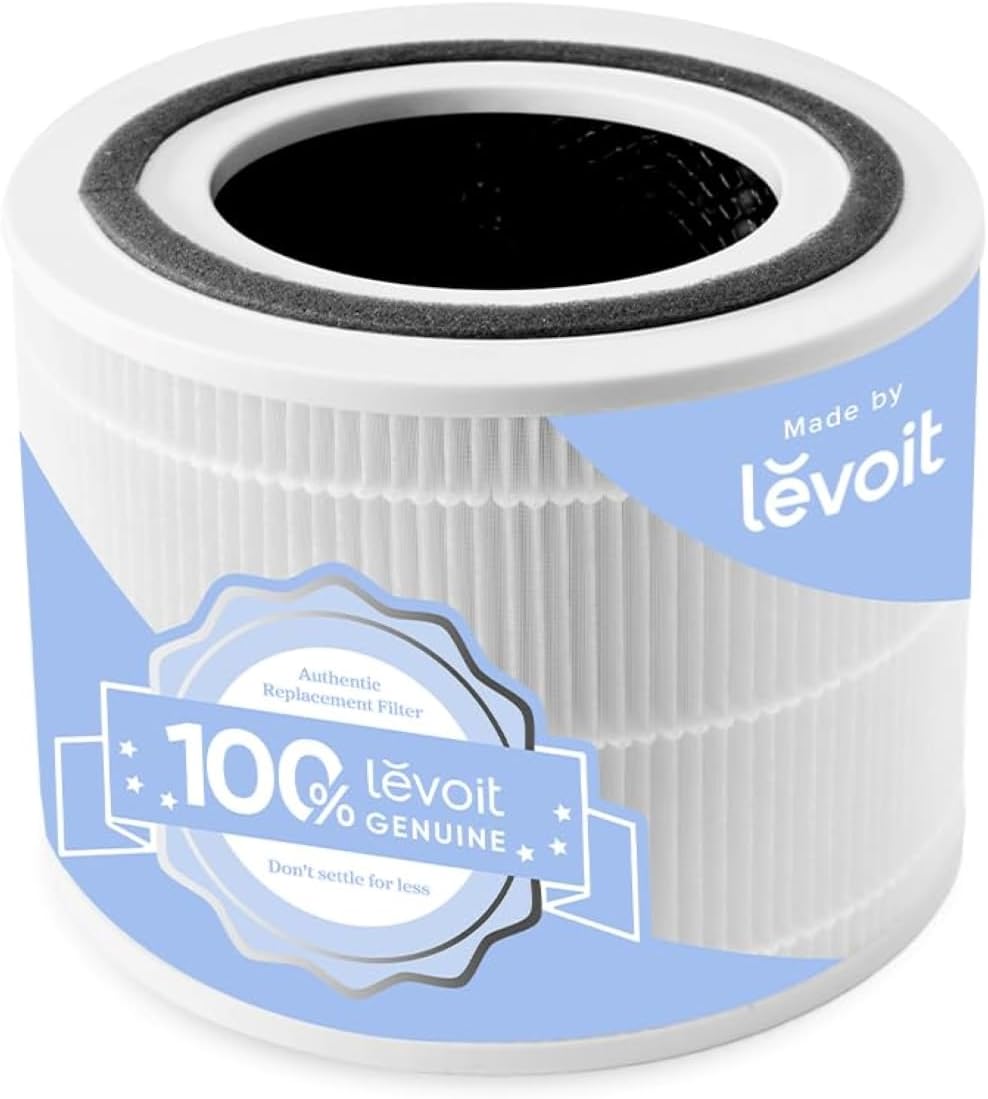
Therapure UV Air Purifier Reviews: Essential Guide

Therapure UV air purifier reviews reveal how these units tackle allergens, odors, and germs with UV-C light and HEPA filtration. This essential guide helps you understand their features, performance, and if they’re the right choice for cleaner indoor air.
Breathing fresh, clean air at home is something we all want. But many homes struggle with dust, pet dander, smoke, and even tiny germs that can make us feel unwell. You might have heard about air purifiers and specifically the Therapure UV air purifier. It’s natural to wonder if these devices really work and which model is best for your needs. This guide will walk you through everything you need to know about Therapure UV air purifier reviews. We’ll look at how they clean your air and help you decide if one is right for your home.
What is a Therapure UV Air Purifier?
A Therapure UV air purifier is a home appliance designed to improve your indoor air quality. It uses a combination of technologies to capture and neutralize airborne pollutants. The core idea is to create a healthier living space by reducing things you can see and things you can’t.
These purifiers typically combine a HEPA filter with UV-C light technology. The HEPA filter traps particles like dust and pollen. The UV-C light then works to kill germs and bacteria that pass through the unit. This dual action aims to provide comprehensive air cleaning.
How Does UV-C Light Work in Air Purifiers?
UV-C light is a specific type of ultraviolet light. It has a short wavelength that is very effective at damaging the DNA and RNA of microorganisms. This damage prevents them from reproducing and effectively inactivates them. It’s a natural way to combat germs without adding chemicals.
When air passes through a Therapure UV air purifier, it is exposed to this UV-C light. Any bacteria, viruses, or mold spores in the air are zapped by the light. This process helps to reduce the number of harmful microbes circulating in your home.
Understanding HEPA Filtration in Therapure Models
HEPA stands for High-Efficiency Particulate Air. A true HEPA filter is designed to capture at least 99.97% of airborne particles that are 0.3 microns in size. This includes common allergens like dust mites, pollen, pet dander, and mold spores. It’s a vital part of any good air purifier.
Therapure air purifiers often feature multiple stages of filtration. This usually includes a pre-filter to catch larger particles and extend the life of the main HEPA filter. The HEPA filter then takes over for the finer pollutants. This layered approach ensures thorough cleaning.
Key Features to Look for in Therapure UV Air Purifier Reviews
When you read Therapure UV air purifier reviews, pay attention to a few key features. These will help you understand the purifier’s capabilities and how well it will work for you. Look at the size of the room it can cover, the noise level, and any extra features.
Consider the CADR (Clean Air Delivery Rate) for smoke, dust, and pollen. A higher CADR means the purifier cleans air faster. Also, check for filter replacement indicators and the energy efficiency of the unit. These details are crucial for making an informed choice.
Popular Therapure UV Air Purifier Models and Their Performance
Several Therapure models are popular among consumers. Each offers slightly different features and performance levels. Understanding these differences can help you narrow down your options. We’ll look at a few common ones.
For example, the Therapure TPP240 is often praised for its compact size and effectiveness in smaller rooms. It typically features a 3-stage filtration system. Other models, like the Therapure TPP620, might offer larger coverage areas and additional settings. It’s important to match the model’s capacity to your room size.
Therapure UV Air Purifier Reviews: Pros and Cons
Like any product, Therapure UV air purifiers have their advantages and disadvantages. Weighing these will help you decide if they fit your needs and expectations. It’s good to know both the good and the not-so-good points.
Here’s a quick look at common pros and cons based on user feedback and expert analysis:
| Feature | Pros | Cons |
| :—————- | :——————————————————————– | :——————————————————————- |
| UV-C Light | Kills germs, bacteria, and viruses. | UV light effectiveness can vary; some users prefer not to use it. |
| HEPA Filter | Captures 99.97% of fine particles like allergens and dust. | Filters need regular replacement, adding to ongoing costs. |
| Noise Level | Many models are relatively quiet on lower settings. | Higher fan speeds can be noticeably loud. |
| Room Size | Available in various sizes for different room dimensions. | Smaller units may not be effective for large open spaces. |
| Maintenance | Easy to operate and maintain for most users. | Filter replacement can be inconvenient and costly. |
| Ozone Production | Generally designed to produce little to no ozone. | Some older or less advanced UV purifiers might produce trace ozone. |
Understanding these points helps you see the full picture of what a Therapure unit can offer.
Real User Experiences: What People Are Saying
Reading what other people say about Therapure UV air purifiers can be very helpful. User reviews often highlight real-world performance and any unexpected issues. These insights go beyond manufacturer claims.
Many users report a noticeable reduction in dust and pet odors after using a Therapure unit. Some also mention feeling relief from allergy symptoms. However, a few users have noted that the UV light component can be a concern for those sensitive to light.
> “I love my Therapure air purifier! My allergies have been so much better since I started using it in my bedroom. It’s quiet and I can actually feel a difference in the air.” – Sarah K., Verified Buyer
This kind of feedback gives you a practical view of the product’s impact.
Comparing Therapure to Other Air Purifier Brands
When choosing an air purifier, it’s wise to compare different brands. Therapure is just one option in a crowded market. Understanding how it stacks up against competitors can guide your decision.
Brands like Coway, Levoit, and Blueair are also popular. Coway often gets high marks for advanced features and strong filtration. Levoit is known for its user-friendly design and affordability. Blueair focuses on Scandinavian design and quiet operation. Therapure often sits in a good middle ground for price and features.
Maintenance and Filter Replacement for Your Therapure Unit
Keeping your Therapure UV air purifier working its best means regular maintenance. The most important task is changing the filters. Filters get clogged with the pollutants they capture, so they can’t clean the air effectively when they’re full.
Most Therapure models have an indicator light that tells you when it’s time to replace the filter. You’ll typically need to replace the HEPA filter every 6-12 months, depending on usage and air quality. Pre-filters might need cleaning more often. Always check your model’s manual for specific instructions. For more on maintaining home appliances, check out resources from the U.S. Environmental Protection Agency.
Are Therapure UV Air Purifiers Worth the Investment?
Deciding if a Therapure UV air purifier is worth the money depends on your specific needs. If you are looking for a unit that tackles common allergens and odors with a germ-killing UV light, it can be a good option. They offer a blend of filtration and UV technology at a reasonable price point.
For many households, especially those with pets or allergy sufferers, the benefits of cleaner air can outweigh the cost of the unit and replacement filters. It’s about finding the right balance for your home’s health and your budget.
Frequently Asked Questions About Therapure UV Air Purifiers
Q1: Do Therapure UV air purifiers really kill germs?
Yes, the UV-C light in Therapure purifiers is designed to damage the DNA of germs like bacteria and viruses. This helps to inactivate them, reducing their presence in your air.
Q2: How often do I need to change the filters in my Therapure air purifier?
Filter replacement frequency varies by model and usage. Generally, you should replace the HEPA filter every 6 to 12 months. Always refer to your owner’s manual for the most accurate schedule.
Q3: Are Therapure UV air purifiers safe for pets?
Therapure UV air purifiers are generally safe for pets. The UV-C light is contained within the unit, and the air that passes through is filtered. They can actually help reduce pet dander and odors.
Q4: Can Therapure air purifiers help with smoke odors?
Yes, the HEPA filter in Therapure units is effective at capturing smoke particles. Combined with activated carbon filters (if included in the model), they can significantly reduce smoke odors.
Q5: Do Therapure air purifiers produce ozone?
Most modern Therapure UV air purifiers are designed to produce very little to no ozone. Ozone can be an irritant, so it’s important to choose a unit that is certified for low or no ozone emissions.
Q6: What is the best Therapure model for a large room?
For larger rooms, look for Therapure models with higher CADR ratings and specified room coverage areas. Models like the TPP620 or larger units are often recommended for bigger spaces.
Conclusion: Making the Right Choice for Your Home
After reviewing Therapure UV air purifier reviews, it’s clear these units offer a solid solution for improving indoor air quality. They combine effective HEPA filtration for allergens and particles with UV-C light for germ inactivation. This makes them a versatile choice for many homes.
When selecting a Therapure model, consider your room size, specific air quality concerns, and budget. Remember to factor in the ongoing cost of filter replacements. By understanding these Therapure UV air purifier reviews and features, you can make an informed decision to breathe easier and enjoy a cleaner home environment.