
Therapure Air Purifier With UV Light Reviews: Essential Guide

Explore Therapure air purifier with UV light reviews to understand their effectiveness in cleaning your home’s air. This guide breaks down features, benefits, and user experiences to help you decide if a Therapure model with UV is right for you.
Breathing clean air at home is so important. Many people worry about dust, pet dander, and even tiny germs floating around. You might have heard about air purifiers and how they can help. Some of these have a special feature: UV light. If you’re looking at Therapure air purifiers with UV light, you’re in the right place. This guide will walk you through everything you need to know. We’ll look at what these purifiers do, how the UV light works, and what real users think. Let’s make your home’s air healthier together.
What is a Therapure Air Purifier with UV Light?
A Therapure air purifier with UV light is a device designed to clean the air in your home. It uses a fan to pull air in. Then, it passes the air through filters to trap particles like dust and pollen. The UV light is an extra step to help kill germs.
How Does UV Light Work in Air Purifiers?
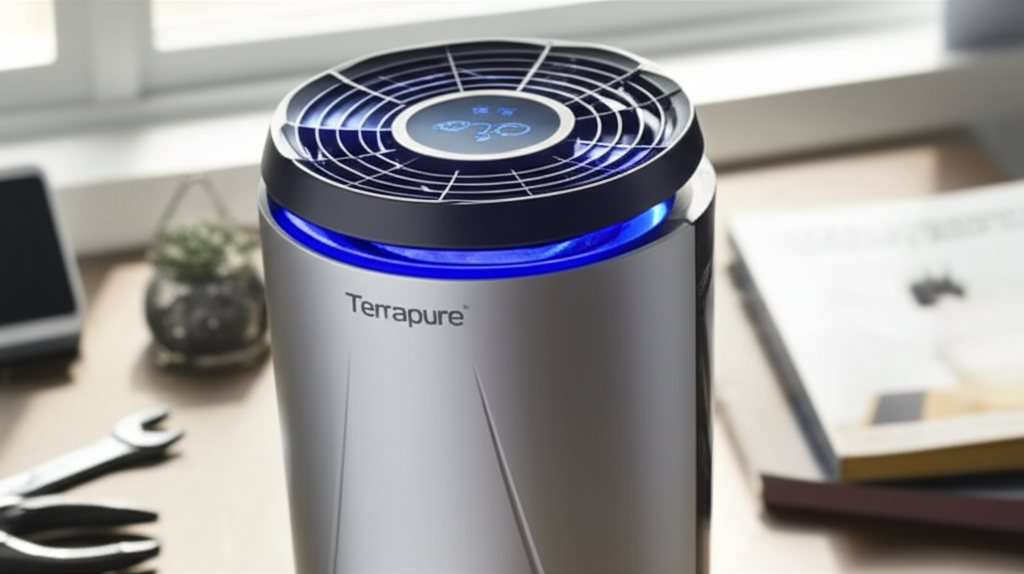
UV (ultraviolet) light is a type of light that you can’t see. It has enough energy to damage the DNA of tiny living things like bacteria and viruses. When air passes by the UV light inside the purifier, it can help inactivate these microbes. This makes the air you breathe cleaner and safer.
Benefits of Using a Therapure Air Purifier with UV Light
Using a Therapure air purifier with UV light offers several advantages for your home environment. It goes beyond basic filtration to tackle airborne pathogens. This can be especially helpful for allergy sufferers or those concerned about illness.
Enhanced Germ Killing: The UV-C light helps to neutralize bacteria, viruses, and mold spores.
Improved Air Quality: It reduces common allergens like pollen, pet dander, and dust mites.
Odor Reduction: Some models can help break down odor-causing particles.
Peace of Mind: Knowing your air is being treated with an extra layer of protection can be comforting.
Key Takeaway: Therapure air purifiers with UV light offer a dual-action approach to air purification, filtering particles and using UV light to combat microorganisms.
Understanding the Technology: Filters and UV-C
Therapure air purifiers typically use a multi-stage filtration system. This often includes a pre-filter for larger particles, a HEPA filter for smaller ones, and an activated carbon filter for odors. The UV-C light is then integrated to provide an additional layer of purification.
The Role of HEPA Filters
HEPA stands for High-Efficiency Particulate Air. A true HEPA filter is designed to capture at least 99.97% of airborne particles that are 0.3 microns in size. This is very small, smaller than most dust, pollen, and pet dander. Therapure models often feature these filters to trap common allergens.
How UV-C Light Targets Microbes
UV-C light is a specific wavelength of ultraviolet light. It’s known for its germicidal properties. When microorganisms are exposed to UV-C light for a sufficient duration, it damages their genetic material (DNA and RNA). This prevents them from reproducing and causing harm.
Key Takeaway: The combination of HEPA filtration and UV-C light in Therapure units provides comprehensive air cleaning, tackling both physical particles and biological contaminants.
Therapure Air Purifier with UV Light Reviews: What Users Say
When looking at Therapure air purifier with UV light reviews, it’s helpful to see what actual users experience. Many people appreciate the quiet operation and the noticeable difference in air freshness. Some users mention that the UV light feature gives them extra confidence.
Common Praises from Users
Users often highlight the ease of use and the compact design of Therapure units. Many report fewer allergy symptoms and a reduction in pet odors. The visible improvement in air quality, such as less dust settling, is also frequently mentioned.
Potential Criticisms and Considerations
Some reviews point out that replacement filters can be an ongoing cost. Others suggest that the UV light effectiveness depends on the air passing through it at the right speed. It’s important to ensure the unit is sized correctly for the room it’s used in for optimal performance.
Key Takeaway: User feedback for Therapure air purifiers with UV light is generally positive, emphasizing effectiveness and ease of use, though filter replacement costs are a consideration.
Key Therapure Models with UV Light Features
Therapure offers various models, and some include the UV light technology. These models are often designed for different room sizes and offer varying levels of filtration. Knowing the specific model helps in finding relevant Therapure air purifier with UV light reviews.
Popular Therapure UV Models
While specific model numbers change, Therapure often has units like the TPP240 or similar series that incorporate UV germicidal lamps. These are typically designed for medium to large rooms. Always check the product description to confirm the presence of a UV light feature.
Comparing Features Across Models
When comparing Therapure air purifier with UV light reviews, look at CADR ratings (Clean Air Delivery Rate), room size coverage, and filter types. Some models might have additional features like air quality sensors or multiple fan speeds. The UV lamp itself might have a different lifespan or intensity.
Key Takeaway: Therapure provides several models featuring UV light, each with distinct capabilities and room coverage, making it important to compare specifications for your needs.
Are Therapure Air Purifiers with UV Light Effective?
The effectiveness of any air purifier, including those from Therapure with UV light, depends on several factors. These include the quality of the filters, the intensity and exposure time of the UV light, and the correct usage of the device.
Scientific Backing for UV-C Air Purification
Studies have shown that UV-C light can be effective in inactivating airborne pathogens. For instance, research published in journals like the American Journal of Infection Control has explored UV-C’s role in reducing microbial contamination. However, the effectiveness in an air purifier depends on sufficient exposure time and intensity.
Factors Influencing Performance
For a Therapure air purifier with UV light to work best, it needs to be the right size for the room. The filters must be clean and replaced on schedule. The UV lamp also needs to be functional. If air moves too quickly through the unit, the UV light may not have enough time to neutralize microbes effectively.
Key Takeaway: While UV-C technology is scientifically proven to kill germs, its effectiveness in a Therapure air purifier relies on proper design, usage, and maintenance.
Setting Up and Maintaining Your Therapure Air Purifier
Proper setup and regular maintenance are crucial for your Therapure air purifier with UV light to function at its best. This ensures it continues to provide clean air and that the UV light component remains effective.
Initial Setup Steps
1. Unpack Carefully: Remove all packaging materials from the purifier and its filters.
2. Install Filters: Open the unit and insert the HEPA and carbon filters as per the manual. Ensure they are correctly oriented.
3. Locate UV Lamp: If the UV lamp needs to be installed or activated, follow the manufacturer’s instructions.
4. Plug In and Power On: Place the purifier on a flat surface in the desired room and plug it in. Select your desired fan speed.
Filter Replacement and UV Lamp Care
Filter Replacement: Check your Therapure manual for recommended filter replacement intervals. This is usually every 6-12 months, depending on usage and air quality.
UV Lamp: The UV lamp has a limited lifespan, often around 8,000-10,000 hours. You may need to replace it annually or bi-annually. Some units have indicators for filter or lamp replacement.
* Cleaning: Periodically wipe down the exterior of the purifier. Ensure the air intake vents are clear of dust and debris.
Key Takeaway: Consistent maintenance, including timely filter and UV lamp replacement, is essential for the ongoing effectiveness and longevity of your Therapure air purifier.
Therapure Air Purifier with UV Light vs. Competitors
When considering Therapure air purifier with UV light reviews, it’s useful to compare them to other brands. Many companies offer air purifiers with UV-C technology. Each brand has its own strengths and weaknesses.
Other Brands Offering UV Air Purification
Brands like Levoit, Coway, and Blueair also offer air purifiers with UV-C features. These competitors may vary in price, design, and specific technologies used. Some might focus more on smart features or advanced sensor technology.
What Makes Therapure Stand Out?
Therapure often positions itself as an affordable and accessible option for air purification. Their models with UV light aim to provide that extra germ-killing benefit without a premium price tag. They are generally known for straightforward operation and effective basic filtration.
Key Takeaway: Therapure offers a competitive option in the UV air purifier market, often focusing on affordability and simplicity compared to some higher-end or feature-rich competitors.
Understanding the Limitations of UV Light in Air Purifiers
While UV-C light can be a valuable addition to an air purifier, it’s important to understand its limitations. It’s not a magic bullet and works best as part of a comprehensive air cleaning strategy.
UV-C Effectiveness and Exposure Time
The primary limitation is that UV-C light needs sufficient contact time with airborne microbes to be effective. If the air passes through the purifier too quickly, the UV light may not have enough time to inactivate the germs. This is why the airflow rate (CADR) and UV lamp design are important.
Not a Replacement for Filtration
UV-C light primarily targets living organisms like bacteria and viruses. It does not remove particulate matter like dust, pollen, or pet dander. These still need to be captured by physical filters like HEPA filters. Therefore, UV light is a supplement, not a replacement, for effective filtration.
Key Takeaway: UV-C light in air purifiers is most effective against microorganisms and requires adequate exposure time; it complements, but does not replace, HEPA filtration for removing particles.
Who Should Consider a Therapure Air Purifier with UV Light?
A Therapure air purifier with UV light might be a good choice for certain households. It’s particularly beneficial for those who are extra concerned about germs or live in environments where such concerns are higher.
Households with Allergy or Asthma Concerns
If you or someone in your household suffers from allergies or asthma, an air purifier can help. While HEPA filters capture allergens, the added UV light can offer an extra layer of protection against airborne triggers like mold spores or bacteria. This can lead to fewer respiratory irritations.
Homes with Pets or High Traffic
Homes with pets often deal with dander and odors. Families with young children or those who frequently have visitors might also be more concerned about airborne germs. In these situations, the germicidal properties of the UV light can provide added peace of mind.
Key Takeaway: Therapure air purifiers with UV light are well-suited for individuals seeking enhanced protection against airborne germs and allergens, particularly in homes with pets or higher occupancy.
Frequently Asked Questions About Therapure Air Purifiers with UV Light
Here are some common questions people ask about these devices.
Q1: Is the UV light in Therapure air purifiers safe?
Yes, the UV-C light is enclosed within the unit. It is designed to treat the air as it passes through. You should not be exposed to the UV-C light directly, and the units are built with safety in mind.
Q2: How often do I need to replace the UV bulb?
The lifespan of a UV bulb varies by model, but typically they last between 8,000 to 10,000 hours of use. This often means replacement is needed about once a year, depending on how often you run the purifier.
Q3: Can UV light kill all germs in my air?
UV-C light can inactivate many types of bacteria, viruses, and mold spores. However, its effectiveness depends on the air spending enough time exposed to the light. It doesn’t guarantee 100% germ elimination and works best alongside HEPA filtration.
Q4: Do I need to turn off the UV light when I’m in the room?
No, the UV light is safely contained within the air purifier. It is not designed to be directly exposed to people. You can safely run the purifier with the UV light on continuously.
Q5: Will the UV light help with odors?
UV light is primarily effective against living microorganisms. While some airborne odor compounds might be affected, its main role is germicidal. Activated carbon filters are typically more effective at removing odors.
Q6: How do I know if my Therapure air purifier has UV light?
Check the product specifications or the model name on Therapure’s official website or the product packaging. The product description will clearly state if a UV germicidal lamp is included.
Key Takeaway: Understanding these FAQs helps clarify the function, safety, and maintenance of Therapure air purifiers with UV light.
Conclusion: Making an Informed Choice with Therapure Air Purifier with UV Light Reviews
Choosing the right air purifier is a personal decision based on your home’s needs. Exploring Therapure air purifier with UV light reviews can provide valuable insights into their performance and user satisfaction. These units offer a combination of particle filtration and germicidal UV light. They can be a good option for improving indoor air quality, especially for those concerned about airborne pathogens.
Remember to consider room size, filter replacement costs, and your specific air quality concerns. By weighing the benefits against the limitations, and considering what real users say, you can confidently decide if a Therapure air purifier with UV light is the best fit for your home. We hope this guide has helped you understand these devices better.
