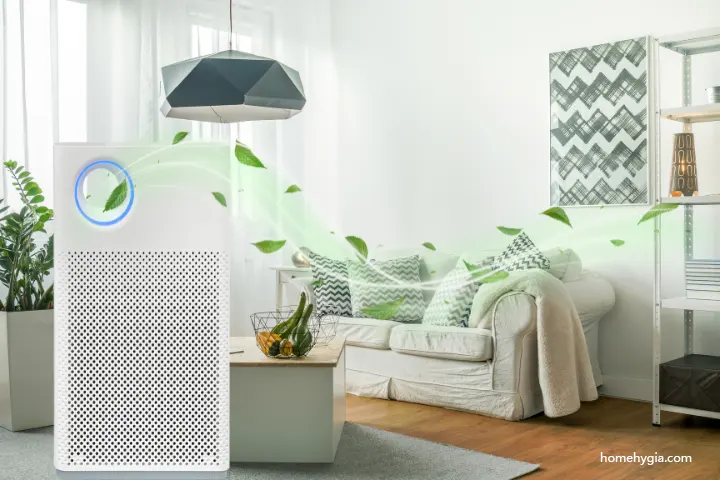
The Best HEPA Air Purifier: Essential Choice

Find the best HEPA air purifier for your home with this essential guide. We break down what makes a HEPA filter effective, how to choose the right size, and which top models deliver cleaner air, helping you breathe easier and live healthier.
Living with allergies or in an area with poor air quality can be tough. You might notice dust settling faster, or feel stuffy indoors. This is where an air purifier can really help. It’s like a special fan that cleans the air in your room. Using a HEPA filter is key to this cleaning. We will explore what makes a HEPA air purifier the best choice for your home.
What is a HEPA Filter and Why is it Important?
A HEPA filter is a special type of air filter. It stands for High-Efficiency Particulate Air. These filters are designed to trap very tiny particles. Think dust, pollen, pet dander, and even some bacteria. For many people, especially those with allergies or asthma, a HEPA air purifier is the best way to improve indoor air quality. It captures things you can’t even see.
How Does a HEPA Air Purifier Work?
An air purifier with a HEPA filter works by drawing air into the unit. Inside, the air passes through the HEPA filter. This filter has a dense mesh that catches tiny particles. Clean air is then released back into the room. It’s a continuous cycle of cleaning your indoor air. This process helps reduce allergens and pollutants.
Key Features to Look for in the Best HEPA Air Purifier
When choosing the best HEPA air purifier, several features matter. Look for a true HEPA filter, not just a “HEPA-like” one. This ensures it meets strict standards for particle removal. Also, consider the Clean Air Delivery Rate (CADR). This tells you how quickly it cleans a room. Higher CADR means faster cleaning.
Understanding CADR and Room Size
CADR is a rating system for air purifiers. It measures how well and how quickly an air purifier filters specific pollutants. There are ratings for smoke, dust, and pollen. A higher CADR number means the purifier works better and faster. Always match the purifier’s CADR to your room size. A small purifier in a big room won’t be very effective.
Top HEPA Air Purifier Models for Different Needs
Many brands offer excellent HEPA air purifiers. For small rooms, compact models work well. For larger spaces or homes with pets, you might need a more powerful unit. Some popular brands include Coway, Levoit, and Blueair. Each offers different features and price points. We’ll look at some specific models later.
HEPA vs. Other Air Filter Types
While HEPA filters are top-notch for particle removal, other filters exist. Activated carbon filters are great for odors and gases. UV-C light can kill germs. However, for capturing tiny allergens and pollutants, a true HEPA filter is essential. Many purifiers combine HEPA with other filter types for comprehensive cleaning.
Benefits of Using the Best HEPA Air Purifier
Using the best HEPA air purifier offers many benefits. You can breathe easier if you have allergies or asthma. It reduces dust and pet dander in your home. Some studies show that cleaner air can improve sleep quality. It also helps remove odors from cooking or smoke. This leads to a more comfortable living environment.
Maintenance and Filter Replacement
To keep your HEPA air purifier working its best, maintenance is key. You’ll need to replace the HEPA filter periodically. The frequency depends on the model and how often you use it. Check the manufacturer’s recommendations. Some units have filter change indicators. Keeping the pre-filter clean also helps prolong the HEPA filter’s life.
Cost of HEPA Air Purifiers and Filters
The cost of HEPA air purifiers varies widely. Simple models can be quite affordable. High-end units with advanced features can cost several hundred dollars. Remember to factor in the cost of replacement filters. These can add up over time. Look for models with reasonably priced, readily available filters.
Frequently Asked Questions About HEPA Air Purifiers
What is the difference between a HEPA filter and a true HEPA filter?
A true HEPA filter is certified to remove at least 99.97% of airborne particles 0.3 microns in size. “HEPA-like” filters may not meet these strict standards.
How often should I replace my HEPA filter?
This varies by model and usage. Most manufacturers recommend replacement every 6 to 12 months. Always check your purifier’s manual.
Can a HEPA air purifier help with pet odors?
While HEPA filters capture pet dander and dander-related allergens, they don’t directly remove odors. Look for purifiers with activated carbon filters to tackle pet smells.
How do I know what size HEPA air purifier I need?
Check the CADR rating and the manufacturer’s recommended room size. Ensure the CADR is appropriate for the square footage of your space.
Are HEPA air purifiers noisy?
Noise levels vary by model and fan speed. Many modern HEPA air purifiers are designed to be quiet, especially on lower settings.
Do HEPA air purifiers use a lot of electricity?
Most HEPA air purifiers are energy-efficient. They use about as much electricity as a standard light bulb.
Conclusion: Your Essential Choice for Cleaner Air
Investing in the best HEPA air purifier is a smart move for your health and comfort. It effectively removes harmful particles from your home. This leads to a cleaner, fresher living space. By considering CADR, room size, and filter types, you can find the perfect unit. Making an informed choice ensures you breathe better air every day.