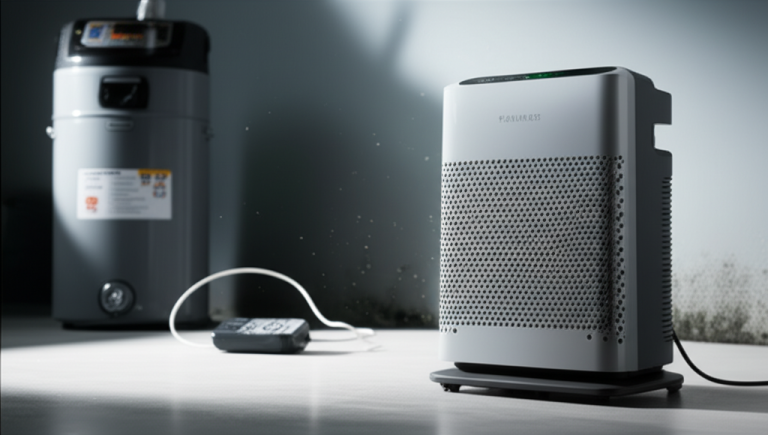
The Best Air Purifiers For Your Home: Essential Picks

Breathe easier with our guide to the best air purifiers for your home. We’ve picked top models that tackle allergens, dust, and odors, ensuring cleaner air for you and your family. Find the perfect fit for your space and health needs.
The air in our homes can get surprisingly dirty. Dust, pollen, pet dander, and even cooking smells can float around. This can make breathing difficult, especially for people with allergies or asthma. Choosing the right air purifier can make a big difference. It’s like giving your home a fresh breath of air. We’ll explore the best air purifiers to help you pick one that’s perfect for you.
Why You Need an Air Purifier for Your Home
Air purifiers clean the air inside your house. They remove tiny particles you can’t see. These particles can cause sneezes, coughs, and itchy eyes. Having cleaner air can help you feel better and sleep sounder. It’s a simple way to improve your home’s environment.
Understanding Air Purifier Technology
Air purifiers use different ways to clean air. The most common is a HEPA filter. HEPA stands for High-Efficiency Particulate Air. These filters trap 99.97% of particles that are 0.3 microns in size. This includes dust, pollen, mold spores, and pet dander. Other types use activated carbon to remove odors and gases. Some also use UV light to kill germs.
HEPA Filters: The Gold Standard
HEPA filters are the heart of most good air purifiers. They are made of a mesh of fibers. These fibers catch tiny bits of dirt and allergens. Think of it like a super-fine sieve for the air. A true HEPA filter meets strict standards for cleaning power.
Activated Carbon Filters: Tackling Smells and Gases
Activated carbon filters are great for smells. They have a porous surface that acts like a sponge. This sponge soaks up odors from cooking, pets, and smoke. They also capture harmful gases like volatile organic compounds (VOCs). VOCs can come from paints, cleaning supplies, and furniture.
Other Technologies: UV-C and Ionizers
Some purifiers use UV-C light. This light can kill bacteria and viruses. Ionizers release negative ions into the air. These ions attach to particles, making them heavier. They then fall to the floor or stick to surfaces. However, some ionizers can produce ozone, which can be harmful to breathe. It’s important to check if a purifier produces ozone. The U.S. Environmental Protection Agency (EPA) warns about ozone pollution.
Key Features to Look For in an Air Purifier
When shopping for an air purifier, consider a few things. You want one that’s powerful enough for your room size. Look for a low noise level, especially for bedrooms. Energy efficiency is also important for saving money. Easy controls and filter replacement add to the convenience.
Room Size and CADR Rating
Every air purifier has a Clean Air Delivery Rate (CADR). This number tells you how quickly it cleans the air. Higher CADR means faster cleaning. You need a purifier rated for your room size. A general rule is to pick a purifier with a CADR that is at least two-thirds of the room’s square footage. For example, a 150 sq ft room needs a CADR of at least 100.
Noise Levels and Sleep Modes
Air purifiers can be noisy. Look for models with low decibel (dB) ratings. Many have a “sleep mode” that runs at a quieter speed at night. This is great for bedrooms or quiet living spaces. A noise level below 50 dB is usually considered quiet.
Energy Efficiency and Filter Costs
Air purifiers use electricity. Look for ENERGY STAR certified models. These use less energy and save you money. Also, consider the cost of replacement filters. Filters need to be changed every few months. Factor this ongoing cost into your decision.
Smart Features and Controls
Some modern air purifiers have smart features. You can control them with an app on your phone. They might also have air quality sensors. These sensors adjust the fan speed automatically. This is convenient and ensures the air is always clean.
The Best Air Purifiers for Your Home: Essential Picks
After looking at many options, here are some of the best air purifiers for your home. They offer different features and price points. Each is a strong choice for cleaner air.
Top Pick for Overall Performance: Coway Airmega 200M
This air purifier is a fan favorite. It has a multi-stage filtration system. This includes a HEPA filter and an activated carbon filter. It’s great for medium to large rooms. The design is sleek and modern. It also has an air quality indicator light.
Pros: Excellent filtration, good for allergies, quiet operation, stylish design.
Cons: Can be a bit pricey, filter replacements add to the cost.
The Coway Airmega 200M offers a great balance of power and quietness. It effectively removes allergens and odors. This makes it a top choice for many homes.
Best Budget-Friendly Option: Levoit Core 300
The Levoit Core 300 is a popular choice for smaller rooms. It’s affordable and works well. It uses a three-stage filtration system. This includes a pre-filter, a true HEPA filter, and an activated carbon filter. It’s also very quiet.
Pros: Affordable price, compact size, effective for small spaces, quiet.
Cons: Not suitable for large rooms, filter replacements needed regularly.
For those on a budget, the Levoit Core 300 is a fantastic value. It delivers clean air without breaking the bank. It’s a smart pick for bedrooms or dorm rooms.
Best for Large Spaces: Blueair Classic 605
If you have a large open-plan living area, the Blueair Classic 605 is a great choice. It has a high CADR and can clean a big room quickly. It uses a combination of electrostatic and mechanical filtration. This is called HEPASilent technology. It’s very effective at removing particles.
Pros: Excellent for large rooms, fast air cleaning, energy efficient, stylish.
Cons: Higher price point, can be a bit larger than other models.
The Blueair Classic 605 is a powerful workhorse for large areas. It ensures that even expansive spaces are filled with clean air. Its efficiency makes it a worthy investment.
Best for Pet Owners: Winix 5500-2
Pet owners often struggle with dander and odors. The Winix 5500-2 is designed to handle these issues. It has a True HEPA filter and an activated carbon filter. It also includes a PlasmaWave technology. This technology helps break down pollutants.
Pros: Great for pet dander and odors, effective filtration, good value.
Cons: PlasmaWave can produce ozone (though levels are generally low), filter replacements are ongoing.
Pet owners will appreciate the Winix 5500-2’s ability to tackle pet-related air problems. It provides a fresher, cleaner environment for everyone.
Best Smart Air Purifier: Dyson Purifier Cool TP07
Dyson purifiers are known for their innovative design and smart features. The Dyson Purifier Cool TP07 doubles as a fan. It captures 99.97% of particles as small as 0.3 microns. You can control it via an app or voice commands. It also displays real-time air quality reports.
Pros: Advanced smart features, doubles as a fan, sleek design, excellent air quality reporting.
Cons: Very expensive, filter replacements are costly.
For tech-savvy users who want the latest features, the Dyson Purifier Cool TP07 is an excellent option. It combines powerful purification with modern convenience.
How to Choose the Right Air Purifier for Your Needs
Selecting the best air purifiers for your home depends on your specific situation. Consider the size of the room you want to purify. Think about what you want to remove from the air, like allergens or odors. Your budget also plays a big role.
For Allergy Sufferers
If allergies are your main concern, focus on HEPA filters. Look for purifiers certified to remove allergens like pollen and dust mites. Models from brands like Coway and Winix are often recommended for allergy relief. A higher CADR ensures faster removal of airborne allergens.
For Pet Owners
Pet dander and odors are common issues. A good activated carbon filter is essential. This helps neutralize smells. Brands like Winix offer models specifically designed for pet owners. They combine HEPA and carbon filters for maximum effectiveness.
For Odor Control
If cooking smells, smoke, or other odors bother you, an activated carbon filter is key. Look for purifiers with a substantial amount of carbon. Some purifiers have specialized filters for VOCs and odors. This ensures a fresher-smelling home.
For General Air Improvement
For overall cleaner air, any purifier with a True HEPA filter will help. Consider room size and noise levels. Even a basic model can make a noticeable difference. It’s a good starting point for improving your home’s air quality.
Maintaining Your Air Purifier for Best Results
To get the most out of your air purifier, regular maintenance is crucial. This mainly involves cleaning and replacing filters. Always follow the manufacturer’s instructions. Proper care ensures your purifier runs efficiently.
Filter Replacement Schedule
HEPA and activated carbon filters don’t last forever. They get clogged with pollutants over time. Most manufacturers recommend replacing filters every 6 to 12 months. Some purifiers will tell you when it’s time to change them. Keeping track of this schedule is important.
Cleaning Your Air Purifier
Besides replacing filters, you should clean the unit itself. Dust can build up on the exterior and the pre-filter. Gently wipe down the outside with a damp cloth. Some pre-filters can be washed. This helps maintain good airflow.
Checking for Ozone Production
If your purifier has an ionizer or PlasmaWave feature, check its ozone output. If possible, opt for models that produce little to no ozone. You can also run these features less often. This ensures you are breathing the cleanest air.
Frequently Asked Questions About Air Purifiers
What is the most important feature in an air purifier?
The most important feature is a True HEPA filter. This filter captures 99.97% of tiny particles like dust, pollen, and pet dander. It’s the core of effective air cleaning.
How often should I run my air purifier?
You can run your air purifier 24/7 for continuous air cleaning. Many have energy-saving modes. Running it during the day and on a lower setting at night is also effective.
Can an air purifier help with smoke from wildfires?
Yes, an air purifier with a True HEPA filter and an activated carbon filter can help remove smoke particles and odors. This is very important for indoor air quality during wildfire events.
Do air purifiers really work?
Yes, air purifiers do work when used correctly in the right-sized room. They significantly reduce airborne pollutants like allergens, dust, and odors. User reviews and studies support their effectiveness.
What size air purifier do I need?
You need an air purifier rated for your room size. Check the CADR (Clean Air Delivery Rate) and compare it to your room’s square footage. A higher CADR cleans the air faster.
Conclusion: Invest in Cleaner Air for a Healthier Home
Choosing the best air purifiers for your home is an investment in your health and comfort. By understanding the different technologies and features, you can find a model that perfectly suits your needs. Whether you’re battling allergies, pet dander, or just want fresher air, there’s an air purifier out there for you. Remember to maintain your unit by changing filters regularly. This ensures it continues to work its best. Breathe easy knowing you’ve made a smart choice for your living space.