The Best Air Purifier For Viruses: Essential Protection

The best air purifier for viruses offers essential protection by capturing airborne pathogens, creating a safer indoor environment. Choosing the right one involves understanding HEPA filters, CADR ratings, and coverage area to effectively combat viruses and improve your health.
The air inside our homes can sometimes carry unseen dangers, like tiny viruses that make us sick. It’s a common worry, especially for families and those with health concerns. You want to breathe easy, knowing your home is a safe haven. This guide will help you find the best air purifier for viruses. We’ll break down what to look for and what makes an air purifier truly effective against these microscopic threats. Get ready to learn how to protect your loved ones.
What Makes an Air Purifier Effective Against Viruses?
The best air purifier for viruses works by physically trapping virus particles. It pulls air through a series of filters. The most important filter is the High-Efficiency Particulate Air (HEPA) filter. A true HEPA filter can capture at least 99.97% of airborne particles that are 0.3 microns in size. Viruses are often smaller than this, but they travel on larger droplets or particles, which HEPA filters can catch.
The Power of HEPA Filters for Virus Capture
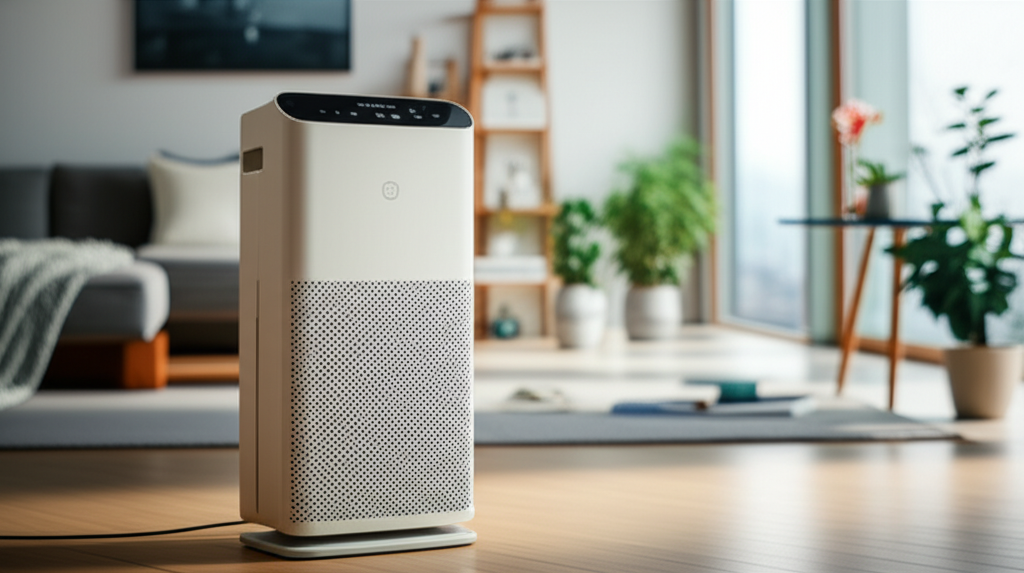
HEPA filters are like super-fine nets for the air. They are designed to trap tiny things. When a virus is in the air, it’s often attached to a water droplet or dust particle. A HEPA filter is strong enough to grab these. This stops the virus from circulating in your room. Many studies show HEPA filters are key for reducing airborne contaminants.
Understanding CADR: How Fast It Cleans
CADR stands for Clean Air Delivery Rate. It tells you how quickly an air purifier can clean the air in a room. There are separate ratings for smoke, dust, and pollen. A higher CADR means the purifier works faster and better. For virus protection, you want a purifier with a high CADR for smoke, as smoke particles are similar in size to virus-carrying droplets.
Key Features to Look For in a Virus-Fighting Air Purifier
When searching for the best air purifier for viruses, several features stand out. These are the building blocks of effective air cleaning. Paying attention to these details will help you make a smart choice. It’s about more than just a pretty box; it’s about real performance.
True HEPA vs. HEPA-Type Filters
It’s crucial to distinguish between “True HEPA” and “HEPA-type” filters. True HEPA filters meet a specific standard set by the U.S. Department of Energy. They capture 99.97% of particles at 0.3 microns. HEPA-type or HEPA-like filters may capture some particles but do not meet the same rigorous standard. Always look for the “True HEPA” label for the best virus protection.
Activated Carbon Filters for Odors and Gases
While HEPA filters catch particles, activated carbon filters tackle gases and odors. These filters are made of carbon that has been treated to be very porous. This porosity allows it to absorb chemicals, Volatile Organic Compounds (VOCs), and other airborne pollutants. While not directly for virus capture, they contribute to overall cleaner air quality.
Pre-filters: The First Line of Defense
A pre-filter is the first layer of filtration in most air purifiers. It captures larger particles like dust, hair, and pet dander. This protects the main HEPA filter, extending its lifespan. A good pre-filter helps the entire system work more efficiently. It’s a simple but important component for any air purifier.
Top Air Purifier Technologies for Virus Defense
Beyond basic filtration, some technologies offer enhanced protection against viruses. These advanced features can provide an extra layer of security. Understanding these can help you choose a purifier that goes above and beyond. They represent the cutting edge in home air purification.
UV-C Light Sterilization
Some air purifiers include UV-C light. This type of ultraviolet light can kill or inactivate microorganisms, including viruses and bacteria, as they pass through the purifier. The effectiveness depends on the intensity of the light and how long the virus is exposed. It’s a good addition to HEPA filtration for added peace of mind.
Ionizers and Their Role (with Caution)
Ionizers release negatively charged ions into the air. These ions attach to airborne particles, causing them to clump together and fall to the ground or stick to surfaces. While this can help remove particles from the air you breathe, some ionizers can produce ozone. Ozone is a lung irritant and can be harmful. Always choose an ozone-free or certified low-ozone producing ionizer.
Advanced Filtration Systems
Many modern air purifiers combine multiple stages of filtration. This might include a pre-filter, a True HEPA filter, an activated carbon filter, and sometimes specialized filters for specific pollutants. This multi-stage approach ensures a comprehensive cleaning of the air. It targets a wide range of contaminants, including virus-carrying particles.
Choosing the Right Size and Coverage Area
An air purifier needs to be the right size for the room you want to clean. A small unit in a large room won’t be effective. Conversely, an oversized unit might be more than you need. Matching the purifier to your space is key for optimal performance.
Calculating Room Size for Your Purifier
Most air purifiers list the recommended room size they can effectively cover. This is usually measured in square feet. To find the right size, measure the length and width of your room and multiply them. For example, a 10-foot by 12-foot room is 120 square feet. Always choose a purifier rated for at least that size, or slightly larger.
Air Changes Per Hour (ACH) Matters
ACH tells you how many times the air in a room is completely replaced by filtered air in one hour. For effective virus removal, an ACH of 4 or 5 is generally recommended. This means the air is filtered at least four to five times every hour. A higher ACH is better for quickly clearing the air of contaminants.
Top Air Purifiers for Virus Protection: Our Picks
Finding the best air purifier for viruses involves looking at models that excel in filtration, CADR, and room coverage. We’ve identified some top contenders based on their features and performance. These units are designed to offer robust protection for your home.
Levoit Core 300S: A Budget-Friendly Champion
The Levoit Core 300S is a popular choice for smaller to medium-sized rooms. It features a 3-stage filtration system, including a True HEPA filter. It is also very quiet and energy-efficient. Its compact design makes it easy to place anywhere. Many users appreciate its smart features, like app control.
Coway Airmega 200M: Powerful Performance
The Coway Airmega 200M is known for its powerful performance in larger rooms. It boasts a True HEPA filter and an advanced carbon filter. It has a high CADR and an automatic mode that adjusts fan speed based on air quality. The device also features an air quality indicator. This makes it a reliable choice for comprehensive protection.
Blueair HealthProtect: Advanced Technology
Blueair’s HealthProtect series is designed with advanced filtration and features for health-conscious users. It uses a combination of mechanical and electrostatic filtration. This technology is highly effective at capturing very small particles. It also operates quietly and is designed for energy efficiency.
Comparing Key Features: A Quick Look
Here’s a simple table to help you compare some important features of air purifiers. This can make it easier to see the differences at a glance. It highlights what makes each model stand out.
| Feature | Levoit Core 300S | Coway Airmega 200M | Blueair HealthProtect |
| :—————— | :————— | :—————– | :——————– |
| Filter Type | True HEPA | True HEPA | HEVA (High-Efficiency) |
| Room Size (Sq Ft) | Up to 219 | Up to 361 | Up to 370 |
| CADR (Smoke) | 141 CFM | 135 CFM | 270 CFM |
| Noise Level (dB) | 22-50 | 49-55 | 25-52 |
| Smart Features | Yes | Yes | Yes |
Note: CFM stands for Cubic Feet per Minute, a measure of airflow.
How to Maintain Your Air Purifier for Best Results
Even the best air purifier for viruses needs regular maintenance. Keeping your filters clean and replacing them on time is essential. This ensures your purifier continues to work effectively. It also helps extend the life of the unit.
Regular Filter Cleaning and Replacement
Pre-filters should be vacuumed or cleaned regularly, usually once a month. True HEPA and carbon filters typically need replacement. The lifespan varies by model and usage, but it’s often between 6 to 12 months. Check your owner’s manual for specific recommendations. Replacing filters on schedule is vital for optimal performance.
Placement Matters for Airflow
Where you place your air purifier can affect its performance. Avoid placing it directly against walls or furniture. Give it some space on all sides so air can flow freely into the unit. Placing it in a central location in the room helps it clean the air more evenly.
Frequently Asked Questions About Air Purifiers and Viruses
Here are answers to some common questions about using air purifiers to combat viruses. These answers aim to be clear and helpful for everyone.
Can an air purifier really remove viruses from the air?
Yes, an air purifier with a True HEPA filter can capture virus-carrying particles. While it doesn’t kill viruses in the air directly, it removes them from circulation. This significantly reduces your exposure to airborne pathogens.
How often should I run my air purifier?
For best protection against viruses, it’s recommended to run your air purifier continuously. This ensures the air is always being filtered. Running it on a lower setting when air quality is good and increasing the speed when needed is also effective.
Do air purifiers with UV light work better for viruses?
UV-C light can help inactivate viruses and bacteria. When combined with a True HEPA filter, it offers an extra layer of protection. However, the effectiveness depends on the UV light’s intensity and exposure time. HEPA filtration remains the most critical component.
What is the difference between an air purifier and an air filter?
An air filter is a component that traps particles. An air purifier is a complete device that uses one or more filters (like HEPA and carbon) to clean the air in a room. It also typically includes a fan to move air through these filters.
Are ozone-producing air purifiers safe?
No, air purifiers that produce ozone are generally not safe for indoor use. Ozone is a lung irritant and can worsen respiratory conditions like asthma. It’s best to choose an ozone-free air purifier or one certified to produce very low levels of ozone.
Conclusion: Breathe Easier with the Right Air Purifier
Choosing the best air purifier for viruses is an important step in protecting your home’s air quality. By focusing on True HEPA filtration, adequate CADR, and the right room size, you can make a confident decision. These devices act as guardians, diligently removing airborne threats. Investing in a quality air purifier means investing in your family’s health and well-being. Start breathing cleaner, safer air today and enjoy greater peace of mind.