
Table Top Air Purifiers For Allergies: Genius Relief

Breathe easier with table top air purifiers for allergies. These compact devices offer targeted relief from airborne irritants like pollen, dust, and pet dander, creating a healthier personal space. Discover how these smart solutions provide genius relief for allergy sufferers.
Ah, allergies. That unwelcome guest that arrives with sneezing fits, itchy eyes, and a constant feeling of being stuffed up. If you’re one of the millions struggling with seasonal or year-round allergies, you know how much they can impact your daily life. You want a breath of fresh air, a moment of clear breathing in your own home. The good news is, you don’t need a whole-house system to find relief. We’ll explore how small but mighty table top air purifiers can bring you genius relief right where you need it most.
What Are Table Top Air Purifiers for Allergies?
Table top air purifiers for allergies are small, portable devices designed to clean the air in a specific, limited area, like your desk, nightstand, or small room. They use filters, often HEPA filters, to capture tiny particles like pollen, dust mites, pet dander, and mold spores that trigger allergy symptoms. These units are perfect for creating a personal bubble of cleaner air, offering targeted relief without the need for a large, expensive whole-home system.
These compact purifiers are a smart choice for allergy sufferers seeking immediate and localized relief. They work by drawing in air, passing it through a series of filters, and releasing cleaner air back into your immediate surroundings. This focused approach makes them highly effective for personal spaces where allergy triggers are most bothersome.
Why Table Top Air Purifiers are Genius for Allergy Sufferers
Table top air purifiers offer a brilliant solution for allergy sufferers due to their focused effectiveness and convenience. They bring clean air directly to you, whether you’re working at your desk or sleeping. This targeted approach means you get faster relief from airborne allergens in your personal breathing zone.
Their compact size also makes them incredibly versatile. You can easily move them from room to room, ensuring you always have clean air nearby. This portability is a game-changer for anyone who spends time in different areas of their home or office.
How Table Top Air Purifiers Combat Allergens
These purifiers are designed with allergy relief in mind. Their primary function is to remove allergens from the air you breathe. They achieve this through advanced filtration systems that trap microscopic irritants.
The most common and effective filter type is the HEPA (High-Efficiency Particulate Air) filter. A true HEPA filter can capture at least 99.97% of airborne particles as small as 0.3 microns. This includes common allergy triggers like pollen, dust, pet dander, and even some bacteria and viruses.
The Power of HEPA Filtration
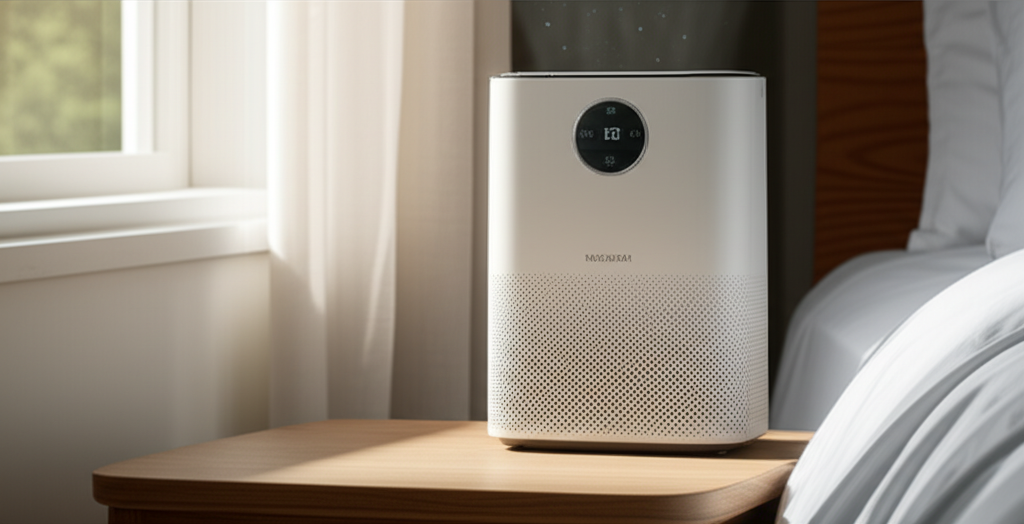
HEPA filters are the backbone of effective air purification for allergies. They are designed with a dense mesh of fibers that physically trap particles. Think of it like a super-fine sieve for the air.
These filters are essential because many allergens are incredibly small. Pollen grains can range from 10 to 100 microns, while dust mite feces are as small as 0.5 microns. A HEPA filter ensures these tiny troublemakers are removed from your breathing space.
Beyond HEPA: Activated Carbon and Pre-filters
Many table top air purifiers go beyond just HEPA filtration to offer even more comprehensive air cleaning. Activated carbon filters are often included, which are excellent at absorbing odors and gases. This can be particularly helpful for tackling pet odors or lingering smells that might irritate sensitive airways.
Pre-filters are also common. They catch larger particles like hair and lint. This protects the more delicate HEPA and carbon filters, extending their lifespan and maintaining the purifier’s efficiency.
Key Features to Look for in Table Top Air Purifiers for Allergies
When choosing a table top air purifier for your allergy needs, several features are crucial. You want a device that is effective, easy to use, and fits your specific situation. Paying attention to these details ensures you get the best possible relief.
Consider the size of the room you want to purify and the purifier’s CADR (Clean Air Delivery Rate). Also, look for quiet operation, filter replacement indicators, and energy efficiency. These factors contribute to a positive user experience and optimal performance.
Filter Types and Effectiveness
The most important feature is the type of filter the unit uses. Always look for a true HEPA filter as the primary filtration stage. This is non-negotiable for effective allergen removal.
Some purifiers might claim “HEPA-like” or “HEPA-type” filters, which are not as effective as true HEPA. Also, consider the inclusion of an activated carbon filter for odor control and a washable pre-filter for capturing larger debris.
Room Size and CADR Rating
Every air purifier has a recommended room size it can effectively clean. This is often based on its CADR rating. The CADR measures how quickly the purifier can remove specific pollutants like smoke, dust, and pollen from the air.
For table top models, you’ll typically find ratings for smaller spaces, like bedrooms or home offices. Ensure the CADR rating is appropriate for the square footage of the area you intend to use it in. A higher CADR means faster air cleaning.
Noise Level and Portability
Since you’ll likely be using these purifiers in living or sleeping areas, noise level is a significant consideration. Look for models that operate quietly, especially on lower settings. Many manufacturers provide decibel (dB) ratings for their units.
Portability is also key. A table top unit should be lightweight and easy to move. Consider models with a sturdy handle or a compact design that makes relocation effortless.
Ease of Use and Maintenance
A good air purifier should be simple to operate. Look for intuitive controls and clear indicators. Filter replacement reminders are very helpful, ensuring you don’t forget to swap out old filters for new ones.
Maintenance should also be straightforward. Consider how easy it is to access and replace filters. Some pre-filters are washable, which can save on replacement costs.
Top Table Top Air Purifiers for Allergy Relief: A Comparison
Choosing the right table top air purifier can feel overwhelming with so many options available. I’ve researched some of the top contenders known for their effectiveness in tackling allergens. These models consistently receive good reviews for their performance and features.
Here’s a look at a few popular options, highlighting what makes them stand out for allergy sufferers. Remember, the best choice depends on your specific needs and budget.
| Product Name | HEPA Filter Type | CADR (Pollen) | Noise Level (dB) | Key Allergy Feature |
| :—————— | :————— | :———— | :————— | :———————————————— |
| Coway AP-1012G | True HEPA | 81 | 24 (low) | Multi-stage filtration, air quality indicator |
| Levoit Core 300 | True HEPA | 141 | 24 (low) | 360° air intake, quiet operation |
| Blueair Blue Pure 411 | HEPA-Silent | 105 | 17 (low) | Energy efficient, compact design |
| Winix 5500-2 | True HEPA | 121 | 28 (medium) | PlasmaWave technology (optional), odor control |
Note: CADR ratings and noise levels can vary slightly by model and test conditions.
This table gives you a quick snapshot of some leading models. Each offers a strong approach to allergen removal, but they have slight differences in features and performance. Always check the latest specifications for any model you are considering.
How to Maximize Relief with Your Table Top Air Purifier
Simply plugging in a table top air purifier is a good start, but you can do more to enhance its effectiveness. Small adjustments in placement and usage can significantly boost the clean air you receive. Think of it as giving your purifier the best chance to work its magic.
Proper placement is key to ensuring the purifier can efficiently circulate clean air throughout your personal space. Keeping it running consistently, especially during peak allergy seasons, will provide the most sustained relief.
Strategic Placement for Maximum Impact
Position your table top air purifier where you spend the most time. For allergy sufferers, this often means near your bed or your workspace. Avoid placing it directly in a corner or behind furniture, as this can obstruct airflow.
Ideally, place the unit at a height where it can effectively draw in air and distribute cleaner air at your breathing level. Keeping it on a desk or a small table is often perfect. This ensures the purified air circulates around you.
Running Your Air Purifier: Consistency is Key
For consistent allergy relief, it’s best to run your table top air purifier continuously. Allergens are often present in the air all day, especially during high pollen seasons. Leaving the unit on at a low or medium setting ensures the air is constantly being cleaned.
Many modern purifiers have auto modes that adjust fan speed based on detected air quality. This is a convenient way to maintain clean air without constant manual adjustments. You can also use timers if you prefer to have it run for specific periods.
Filter Maintenance: Don’t Skip This Step!
As mentioned earlier, regular filter maintenance is critical. A clogged or old filter cannot effectively capture allergens. Follow the manufacturer’s recommendations for filter replacement or cleaning.
Most purifiers have indicator lights that signal when it’s time for a filter change. Don’t ignore these. Replacing filters on time ensures your purifier continues to provide the highest level of clean air for your allergies.
Are Table Top Air Purifiers Enough for Severe Allergies?
For individuals with severe allergies, a table top air purifier can be a valuable part of their management strategy. It offers excellent localized relief, creating a sanctuary of cleaner air in your immediate surroundings. However, it might not be sufficient on its own to address allergens throughout an entire home.
Severe allergy sufferers often benefit from a multi-pronged approach. This could include using table top units in key areas, along with potentially a larger unit for a main living space or bedroom. Consulting with an allergist is always recommended for personalized advice.
Understanding the Limitations
Table top air purifiers are designed for smaller spaces. Their effectiveness is limited to the room or area they are placed in. They cannot purify the air in your entire house simultaneously.
If your allergies are triggered by a wide range of allergens or are severe enough to impact multiple rooms, you might need a more robust solution. This could involve whole-house air filtration systems or larger portable units for bigger areas.
Complementing Other Allergy Management Strategies
Think of your table top air purifier as a powerful tool in your allergy arsenal. It works best when combined with other strategies. This includes regular cleaning to reduce dust and dander, using allergen-proof bedding, and keeping windows closed during high pollen counts.
Using a table top unit in your bedroom at night can provide crucial relief while you sleep, leading to more restful nights. Placing one at your desk can improve focus and comfort during your workday. This targeted approach can make a significant difference.
Where to Place Your Table Top Air Purifier for Best Results
The ideal placement of your table top air purifier depends on where you spend most of your time and where allergens tend to concentrate. For allergy sufferers, focusing on personal breathing zones is the most effective strategy. Think about where you sleep, work, and relax most often.
Placing the unit at a slightly elevated height, like on a desk or nightstand, can help with air circulation. Ensure there’s enough space around it for air to be drawn in and expelled freely. Avoid blocking the vents.
Bedroom: Your Allergy Haven
Your bedroom is a critical space for allergy relief, as you spend a significant amount of time there sleeping. Placing a table top air purifier on your nightstand or a dresser can help clear allergens from your immediate sleeping area. This can lead to fewer nighttime awakenings and a more refreshed feeling in the morning.
Consider models with very low noise settings for bedroom use. Some purifiers have a “sleep mode” that dims lights and reduces fan speed to a whisper. This ensures your sleep is undisturbed while the air is being purified.
Home Office or Workspace
If you work from home or spend long hours at a desk, a table top air purifier can make a big difference in your comfort and productivity. Placing it on your desk or nearby will create a zone of cleaner air around you. This can reduce sneezing and eye irritation while you focus on your tasks.
The focused airflow can help combat allergens that might be stirred up by activity or enter through windows. It creates a personal oasis of fresh air amidst your work environment.
Living Areas and Small Rooms
Even in living rooms or smaller guest rooms, a table top air purifier can provide noticeable benefits. Place it on a side table or shelf where it can effectively circulate air. It’s a great way to tackle airborne allergens in spaces where you relax or entertain.
For larger living areas, you might consider combining a table top unit with a larger portable purifier for more comprehensive coverage. However, even a small unit can make a difference in your immediate vicinity.
Frequently Asked Questions About Table Top Air Purifiers for Allergies
Here are some common questions people have about using table top air purifiers to manage their allergies.
What is the most important feature for an allergy air purifier?
The most important feature is a true HEPA filter. This type of filter is certified to capture at least 99.97% of airborne particles 0.3 microns in size, including common allergens like pollen, dust, and pet dander.
How often do I need to replace the filters?
Filter replacement frequency depends on the model and how often you use the purifier. Typically, HEPA filters need replacing every 6 to 12 months, while pre-filters may be washable and carbon filters every 3 to 6 months. Always check your manufacturer’s guidelines.
Can table top air purifiers help with pet allergies?
Yes, table top air purifiers with HEPA filters are very effective at capturing pet dander, which is a common allergen for pet owners. They also help reduce pet odors with activated carbon filters.
Do air purifiers use a lot of electricity?
Most modern table top air purifiers are energy-efficient, especially on lower fan settings. They generally consume less electricity than a standard light bulb. Look for ENERGY STAR certified models for maximum efficiency.
How do I know if my air purifier is working?
You can often tell if your air purifier is working by feeling the airflow from the unit. Some models also have air quality sensors that change color or display a reading to indicate the air quality. Regularly checking and replacing filters also ensures it’s functioning optimally.
Conclusion: Your Personal Breath of Fresh Air
Finding effective relief from allergies can feel like a constant battle, but you don’t have to surrender to sneezing and congestion. Table top air purifiers for allergies offer a smart, targeted, and genius solution for creating a healthier personal environment. By focusing on removing allergens right where you breathe, these compact devices provide a noticeable difference in comfort and well-being.
Investing in a quality table top air purifier means investing in your health and daily comfort. They are a practical addition to any bedroom, office, or living space, offering a personal sanctuary from airborne irritants. With the right unit and proper maintenance, you can enjoy cleaner air and breathe easier, finally finding that much-needed relief.
