
Steam Mop for Tile Floors: Essential & Effortless Shine

Steam Mop for Tile Floors: Essential & Effortless Shine
Achieve a brilliant, streak-free shine on your tile floors with a steam mop for tile floors. This guide explains how this powerful tool makes cleaning easy and effective, tackling grime without harsh chemicals for a healthier home.
Tile floors are beautiful but can be tricky to clean. Dirt and grime love to hide in grout lines, making them look dull. Traditional mopping often just pushes dirty water around. It can leave streaks and requires a lot of effort. You want clean, shiny tiles without the backache or the fumes from strong cleaners. Fortunately, a steam mop for tile floors offers a simple, effective solution. It uses the power of steam to lift dirt and sanitize your floors. Let’s explore how it works and why it’s a game-changer for your home.
Why Choose a Steam Mop for Tile Floors?
A steam mop for tile floors uses hot steam to clean. This steam loosens dirt and grime stuck on your tiles and in grout. It’s a natural way to clean without chemicals. This makes it safer for families and pets. It also kills bacteria and germs effectively. You get a deeper clean than with regular mops. This leads to a brighter, more hygienic floor.
A steam mop for tile floors is the best way to get a deep, chemical-free clean. It blasts away tough grime and sanitizes surfaces, making your tiles sparkle. This makes your home healthier and cleaning much easier.
How Does a Steam Mop for Tile Floors Work?
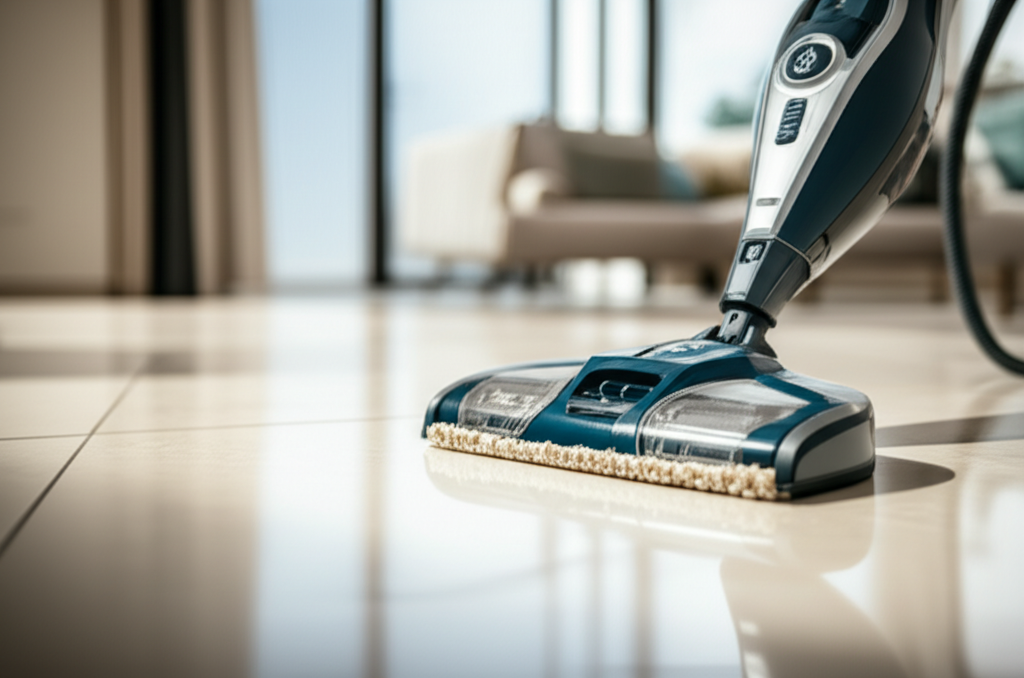
Using a steam mop for tile floors is quite simple. You fill a water tank with distilled water. The mop heats this water to create steam. This hot steam then comes out of the mop head. The steam penetrates dirt and grease. It makes them easy to wipe away with the mop’s cleaning pad. The heat also sanitizes the floor. It kills about 99.9% of common household germs.
The process is straightforward and efficient. You simply glide the mop over your tile floors. The steam does the hard work for you. This means less scrubbing and a more thorough clean.
Benefits of Using a Steam Mop for Tile Floors
There are many great reasons to use a steam mop for tile floors. It offers a powerful, natural cleaning method. It’s very effective at removing stubborn dirt and grime. The steam sanitizes your floors, killing germs and bacteria. This is especially good for kitchens and bathrooms. Steam mops also dry quickly. This means you can walk on your floors sooner. They are also eco-friendly, as they use only water. No harsh chemicals are needed, which is great for air quality.
A steam mop for tile floors provides a healthier, safer, and more efficient cleaning experience. It leaves your tiles looking immaculate without any chemical residue.
- Chemical-free cleaning: Safe for kids and pets.
- Deep sanitization: Kills up to 99.9% of germs.
- Effortless grime removal: Loosens tough dirt and stains.
- Quick drying time: Floors are ready to use faster.
- Eco-friendly: Uses only water, no detergents.
Types of Steam Mops for Tile Floors
When looking for a steam mop for tile floors, you’ll find a few main types. Some are simple, stick-style mops. These are great for quick cleanups and easy storage. Others are canister models. These often have more power and attachments for different tasks. There are also 2-in-1 models. These can convert into a handheld steamer. This is useful for cleaning grout lines or other surfaces. Each type has its own advantages for tile floor cleaning.
Consider your home size and cleaning needs. This will help you pick the right steam mop for tile floors for you. For example, a lighter stick model is good for smaller homes.
What to Look for in a Steam Mop for Tile Floors
When choosing a steam mop for tile floors, consider key features. Look at the water tank capacity. A larger tank means you can clean for longer. Check the heat-up time. Faster heat-up means less waiting. Adjustable steam settings are also helpful. You can use less steam for delicate tiles and more for tough jobs. The type of cleaning pads matters too. Microfiber pads are best for absorbing dirt. Also, consider the cord length for reach. Some models are corded, while others are cordless.
The weight and maneuverability of the steam mop for tile floors are also important. You want something easy to push and control. Look for swivel heads to reach tight spots. A good steam mop for tile floors should also come with a decent warranty.
| Feature | Importance | Notes |
|---|---|---|
| Water Tank Capacity | High | Longer cleaning sessions without refills. |
| Heat-Up Time | Medium | Faster start to cleaning. |
| Steam Settings | High | Control for different tile types and dirt levels. |
| Pad Material | High | Microfiber is excellent for scrubbing and absorption. |
| Cord Length/Cordless | Medium | Depends on your cleaning area size. |
How to Use a Steam Mop for Tile Floors Effectively
Using a steam mop for tile floors is easy. First, clear your floors of any loose debris. Vacuum or sweep them well. This prevents pushing dirt around. Next, fill the water tank with distilled or demineralized water. Tap water can leave mineral deposits. Attach a clean microfiber pad to the mop head. Plug in the mop and let it heat up. Once it’s ready, move the mop back and forth over the tiles. Use a steady motion. For stubborn spots, hold the mop in place for a few seconds. Let the steam work its magic. Always follow the manufacturer’s instructions for your specific model. This ensures safe and effective cleaning.
After cleaning, remove the pad. Wash it according to the instructions. Allow the mop to cool completely before storing it. Proper use ensures your steam mop for tile floors lasts longer.
Maintaining Your Steam Mop for Tile Floors
Proper maintenance keeps your steam mop for tile floors working well. Always use distilled or demineralized water. This prevents mineral buildup inside the machine. Mineral deposits can clog the steam vents. This reduces the mop’s effectiveness. After each use, remove and wash the cleaning pads. Most pads are machine washable. Let them air dry completely. Wipe down the exterior of the mop with a damp cloth. Never use abrasive cleaners on the mop body. Store the mop in a dry place. Some models have storage bases or wall mounts.
Regularly check the steam vents for any blockages. You can use a small brush or a toothpick to gently clear them. This simple care routine ensures your steam mop for tile floors gives you a brilliant shine for years. According to industry reports, proper maintenance can extend the lifespan of small appliances by up to 50% (source: Appliance Magazine).
Steam Mop vs. Traditional Mop for Tile Floors
The difference between a steam mop for tile floors and a traditional mop is significant. A traditional mop often uses dirty water and cleaning solutions. This can leave behind residue and streaks. It also requires more physical effort to scrub. A steam mop uses only water and heat. It lifts dirt more effectively. It also sanitizes without chemicals. This makes it a healthier and more efficient choice. Many users find steam mops much easier to use. They require less bending and scrubbing.
Consider the environmental impact too. Traditional mops may use disposable pads or require frequent bucket changes. A steam mop for tile floors uses reusable pads and just water. This is better for the planet. Research shows that consumers are increasingly seeking chemical-free cleaning solutions for their homes, with a growing market share for steam cleaning technology (source: Statista, 2023).
Tips for a Perfect Shine with Your Steam Mop
To get the best shine from your steam mop for tile floors, start with a clean slate. Ensure your floors are thoroughly swept or vacuumed. This removes loose dirt that could scratch your tiles. Use distilled water to prevent mineral buildup. This also ensures consistent steam output. Don’t rush the process. Allow the steam to work on tough spots. Hold the mop over a stubborn stain for a few seconds. Use the correct cleaning pad. Microfiber pads are excellent for trapping dirt. For a streak-free finish, make sure the pad is clean. Swap out pads if they become too dirty. Move the mop in a consistent direction. This helps avoid overlapping and missed spots.
Some tile floors might need a quick spot clean with a gentle tile cleaner first if very grimy. However, for regular cleaning, the steam mop for tile floors is usually sufficient. A little patience goes a long way. You will soon have dazzlingly clean tile floors.
Are Steam Mops Safe for All Tile Types?
Steam mops are generally safe for most sealed tile floors. This includes ceramic, porcelain, and natural stone tiles like granite or marble. However, it’s crucial to check your tile manufacturer’s recommendations. Unsealed grout or certain types of natural stone can be sensitive to heat and moisture. Excessive steam could potentially damage unsealed grout. It might also etch or discolor delicate surfaces. Always use the lowest steam setting for these types of tiles. Test a small, inconspicuous area first. This is a smart step before cleaning the entire floor. For example, a sealed natural stone tile will handle steam well. Unsealed grout might absorb too much moisture and discolor.
Always refer to your tile’s warranty and care instructions. This ensures you use your steam mop for tile floors safely. If you have very old or delicate tile, proceed with caution. You might want to consult a flooring professional.
Frequently Asked Questions (FAQ)
Can I use my steam mop on grout?
Yes, a steam mop for tile floors can effectively clean grout. The hot steam helps to loosen dirt and grime from grout lines. Many steam mops come with attachments for detailed grout cleaning. Always ensure your grout is sealed before using steam. This prevents moisture absorption.
Do I need to use cleaning solutions?
No, you do not need cleaning solutions. Steam mops use hot steam and water to clean. This is a chemical-free method. It’s safer for your home and the environment. Using additional cleaners might damage the mop or the floor.
How often should I steam mop my tile floors?
You can steam mop your tile floors as often as needed. For high-traffic areas, once or twice a week is often recommended. For less used areas, once a week or every two weeks might be enough. Regular cleaning prevents dirt buildup.
What kind of water should I use in my steam mop?
Always use distilled or demineralized water. Tap water contains minerals that can build up inside the mop. This can clog the steam jets and reduce performance. Distilled water ensures your steam mop for tile floors works efficiently.
Can steam mops damage my tile floors?
Steam mops are generally safe for most sealed tile floors. However, avoid using them on unsealed grout or porous natural stone. Excessive steam can potentially damage these surfaces. Always check your tile manufacturer’s guidelines first. Test in a small, hidden area if unsure.
How long does it take for floors to dry after steam mopping?
Floors usually dry very quickly after steam mopping, typically within a few minutes. The heat from the steam evaporates the moisture rapidly. This means you can walk on your clean floors again soon after. This is much faster than traditional mopping.
Conclusion
A steam mop for tile floors is an essential tool for a clean, healthy home. It offers a powerful, chemical-free way to tackle dirt and grime. You get a deep clean that sanitizes your floors effectively. Using a steam mop for tile floors makes cleaning effortless. It saves you time and energy. You can achieve a brilliant shine on your tiles. This enhances the look of your entire home. Consider investing in a quality steam mop for tile floors. It will transform your cleaning routine and provide a healthier living space for you and your family. Enjoy your sparkling, fresh tile floors!
