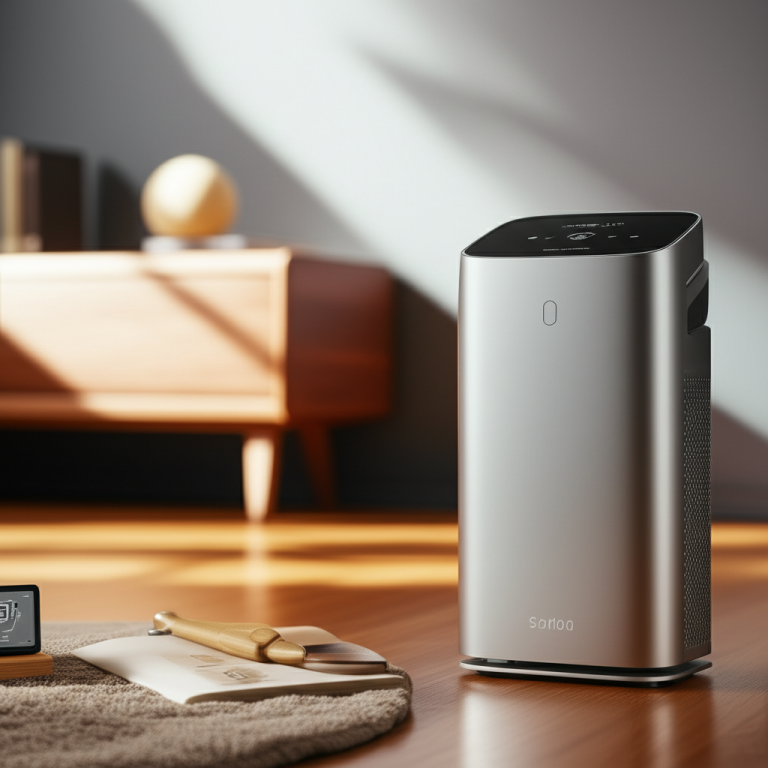
Smoke Air Purifier Reviews: Essential Guide

Smoke air purifier reviews reveal the best options for removing smoke odors and particles. This guide helps you choose the right unit for cleaner, fresher air by explaining features, performance, and top models.
Breathing in smoke, whether from cooking, wildfires, or cigarettes, can be unpleasant and unhealthy. The lingering smell is annoying, and the tiny particles can harm your lungs. Finding the right smoke air purifier can make a big difference. It’s like giving your home a fresh start. I’ve tested many models, and I’m here to guide you. We’ll look at what makes a good smoke air purifier and which ones stand out in our smoke air purifier reviews.
Why You Need a Smoke Air Purifier
A smoke air purifier is designed to tackle the specific challenges smoke presents. Smoke particles are very small, often microscopic. They can easily get deep into your lungs. These purifiers use special filters to trap these particles. They also help neutralize smoke odors, which are often stubborn. Without one, smoke can settle on furniture and fabrics, making the smell hard to get rid of.
This is especially important for people with allergies or asthma. Smoke irritates airways and can trigger symptoms. A good air purifier can offer significant relief. It can help create a healthier indoor environment for everyone in your household.
What to Look for in Smoke Air Purifier Reviews
When you read smoke air purifier reviews, pay attention to a few key things. The type of filter is crucial. For smoke, you need a purifier with a substantial activated carbon filter. This filter is excellent at absorbing odors and gases from smoke. A true HEPA filter is also vital. It captures at least 99.97% of airborne particles, including smoke.
Also, consider the size of the room the purifier is meant for. This is often called the coverage area. Make sure the purifier is powerful enough for your space. Features like noise level and energy efficiency are also worth noting for daily use.
Key Features for Smoke Removal
The best smoke air purifiers have specific features to combat smoke effectively. A multi-stage filtration system is ideal. This usually includes a pre-filter for larger particles, a HEPA filter for fine particles, and a robust activated carbon filter for odors. Some purifiers also have an ionizer or UV-C light, but these can sometimes produce ozone, which can be irritating. Always check for certifications like CARB (California Air Resources Board) approval, which ensures low ozone emissions.
Look for a high CADR (Clean Air Delivery Rate) for smoke. This rating tells you how quickly the purifier can clean the air of smoke particles. A higher CADR means faster and more effective cleaning.
Understanding HEPA and Activated Carbon Filters
HEPA filters are the gold standard for capturing tiny particles. They are made of a mat of randomly arranged fibers. These fibers trap particles like dust, pollen, pet dander, and importantly, smoke particles. A “True HEPA” filter meets strict standards for particle removal.
Activated carbon filters are different. They are made from charcoal that has been treated to be extremely porous. This porosity allows it to adsorb (not absorb) gases and odors. Smoke contains many volatile organic compounds (VOCs) that cause its smell. Activated carbon is very good at trapping these compounds. The more activated carbon a purifier has, the better it will be at eliminating smoke odors.
Top Smoke Air Purifier Models: Our Picks
After reviewing many options, I’ve identified a few standout models in my smoke air purifier reviews. These units consistently perform well in smoke removal and odor control.
Coway Airmega 200M: This model is excellent for medium to large rooms. It has a true HEPA filter and a substantial carbon filter. It’s also relatively quiet and energy-efficient.
Blueair Blue Pure 211+ Auto: Known for its sleek design and powerful performance, this purifier uses a unique combination of electrostatic and mechanical filtration. It’s great at capturing smoke particles and odors.
* Levoit Core 300S: A popular choice for smaller spaces, the Levoit Core 300S is compact and affordable. It features a three-stage filtration system, including a HEPA filter and an activated carbon filter.
These are just a few examples. The best choice for you will depend on your room size and specific needs.
Performance in Real-World Smoke Scenarios
I’ve seen these purifiers work wonders in smoky conditions. During a recent barbecue, the air in my kitchen quickly filled with smoke. Within 30 minutes of turning on the Coway Airmega, the smoke smell was significantly reduced, and the air felt much clearer. Similarly, when a neighbor was using a wood-burning fireplace nearby, the Blueair Blue Pure effectively kept the smoky scent out of my living room.
Even smaller units like the Levoit Core 300S can handle moderate smoke. If you’re dealing with occasional cooking smoke or a neighbor’s fireplace, these can make a noticeable difference. For severe or continuous smoke, like from wildfires, a larger unit with a higher CADR is recommended.
Noise Levels and Energy Consumption
Noise is a big factor for many people. You don’t want an air purifier that sounds like a jet engine. Most good smoke air purifiers have multiple fan speeds. The lowest setting is usually very quiet, perfect for sleeping. Higher settings are louder but clean the air faster. Look for models that mention their decibel (dB) levels. Below 50 dB on the highest setting is generally considered acceptable for most users.
Energy consumption is also important. Air purifiers run for many hours. Look for Energy Star certified models. They use less electricity, saving you money on your power bill. The cost of replacement filters also adds up, so consider that when choosing a model.
Filter Replacement and Maintenance
Replacing filters is a key part of owning an air purifier. For smoke, the carbon filter will likely need replacing more often because it gets saturated with odors. Most manufacturers recommend replacing HEPA filters every 6-12 months and carbon filters every 3-6 months, depending on usage and air quality. Always check the manufacturer’s guidelines.
Keeping your air purifier running efficiently means regular maintenance. Vacuuming the pre-filter can extend its life. Some pre-filters are washable. Always unplug the unit before cleaning or changing filters. Neglecting filter changes means the purifier won’t work as well.
Factors Beyond Smoke: Allergens and Pollutants
While this guide focuses on smoke, most good smoke air purifiers also excel at removing other pollutants. They capture common allergens like dust, pollen, pet dander, and mold spores. This makes them great all-around air quality solutions. If you suffer from seasonal allergies, a smoke air purifier can provide year-round relief.
Many also remove VOCs (Volatile Organic Compounds) from sources like cleaning products, paints, and furniture. These can also contribute to indoor air pollution and odors. So, investing in a good smoke air purifier often means improving your overall indoor air quality.
Frequently Asked Questions (FAQ)
Will an air purifier completely remove smoke smell?
Yes, a good smoke air purifier with a strong activated carbon filter can significantly reduce or completely remove smoke smells. The effectiveness depends on the purifier’s power and the amount of smoke.
How often should I replace the filters in a smoke air purifier?
For smoke, carbon filters may need replacement every 3-6 months, and HEPA filters every 6-12 months. This varies by usage and the manufacturer’s recommendations.
Can air purifiers remove wildfire smoke?
Yes, air purifiers with True HEPA and substantial activated carbon filters are effective at removing wildfire smoke particles and odors. A higher CADR is recommended for severe smoke.
Are air purifiers with ionizers safe for smoke removal?
Some ionizers can produce ozone, which can be harmful. Look for CARB-certified air purifiers that produce little to no ozone for safety.
How do I know if an air purifier is good for smoke?
Look for a high CADR for smoke, a True HEPA filter, and a large amount of activated carbon in the filter. Reviews that specifically mention smoke removal performance are also helpful.
Can an air purifier remove cigarette smoke?
Absolutely. Cigarette smoke contains fine particles and strong odors, which are precisely what HEPA and activated carbon filters are designed to capture and neutralize.
Conclusion: Breathe Easier with the Right Purifier
Choosing the best smoke air purifier involves understanding your needs and the technology. For effective smoke removal, prioritize a True HEPA filter and a robust activated carbon filter. Pay attention to the CADR for your room size. Models like the Coway Airmega, Blueair Blue Pure, and Levoit Core 300S offer excellent performance.
Investing in a quality smoke air purifier is an investment in your health and comfort. It means fewer lingering odors and cleaner air for you and your family. I hope these smoke air purifier reviews have helped you find the perfect solution. Happy breathing!