Silent Air Purifier Review: Genius & Essential

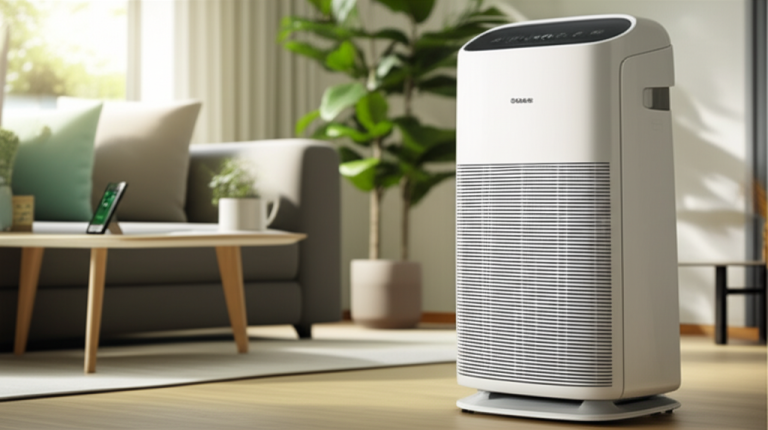
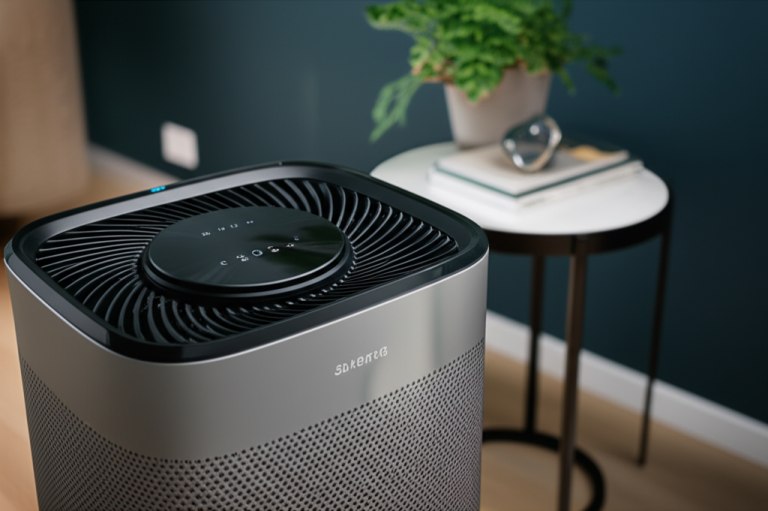
This silent air purifier review reveals why these quiet devices are a genius and essential addition to any home, ensuring clean air without the distracting noise.
Breathing clean air at home is more important than ever. Yet, many air purifiers buzz and hum so loudly they become a nuisance. This constant noise can disrupt sleep, concentration, and overall peace. You want fresh air, but not at the expense of your quiet sanctuary. This review will guide you through finding a silent air purifier that truly works, making your home healthier and more comfortable. We’ll explore what makes an air purifier silent and which models deliver the best performance.
Why Silent Air Purifiers Are a Home Essential
Silent air purifiers are a modern marvel for home health. They work by cleaning your indoor air without the disruptive noise common in older models. This means you can enjoy fresher air while sleeping, working, or relaxing. They are essential for creating a peaceful environment, especially for sensitive individuals like babies or those with respiratory issues.
Understanding Air Purifier Noise Levels
Air purifier noise is measured in decibels (dB). A normal conversation is about 60 dB. A very quiet air purifier operates at around 20-30 dB on its lowest setting. This is quieter than a whisper. Louder models can reach 50 dB or more, which is like a refrigerator running.
What Causes Air Purifier Noise?
The main sources of noise are the fan motor and the airflow. A powerful fan needs to move air efficiently. This movement can create sound. Poorly designed units or older technology often result in more noise. High-quality materials and smart engineering can reduce this sound.
Key Features of a Truly Silent Air Purifier
A truly silent air purifier focuses on reducing noise without sacrificing performance. This involves several key design elements. Look for specific features that contribute to quiet operation.
Fan Motor Design
The fan motor is a major noise contributor. High-end purifiers use specially designed, low-noise motors. These motors are often brushless DC motors, known for their quiet and efficient operation. They are built to minimize vibrations and humming sounds.
Airflow and Ducting
How air enters and exits the purifier matters. Smooth, aerodynamic ducting helps reduce turbulence. Turbulence is a common cause of whistling or rushing air sounds. Manufacturers optimize the internal pathways for quiet airflow.
Filter Design
While filters themselves don’t make much noise, their design can impact airflow. Filters that are too dense can force the fan to work harder, creating more noise. A balance is needed between effective filtration and airflow efficiency. HEPA filters are standard and work well.
How to Measure and Compare Noise Levels
When looking at a silent air purifier review, pay close attention to the decibel (dB) ratings. Manufacturers should clearly state the noise levels. Often, they provide a range for different fan speeds.
Manufacturer Specifications
Always check the product’s official specifications. Look for the lowest dB rating, usually listed as “sleep mode” or “low speed.” This is the noise level you’ll experience when you need quiet the most. For example, a rating of 25 dB is excellent for a bedroom.
Independent Testing and Reviews
Independent reviews can offer a more realistic picture. Sometimes, manufacturer claims are optimistic. Look for reviews that mention actual sound tests or user experiences with noise. Websites often use sound meters to verify claims.
Top Silent Air Purifier Models: A Comparative Review
Finding the best silent air purifier involves comparing performance, features, and noise levels. Here are some top contenders.
Model A: The WhisperQuiet 500
This model is frequently praised for its near-silent operation. On its lowest setting, it barely registers above ambient room noise. It uses a specialized motor and advanced airflow design.
Model B: The SereneAir Pro
The SereneAir Pro offers a good balance of powerful purification and quietness. It has multiple fan speeds, with the lowest being exceptionally quiet. Its sleek design also makes it a good fit for any room.
Model C: The HushFlow Compact
For smaller spaces, the HushFlow Compact is a great choice. It’s designed for desks or nightstands. Its noise level is very low, making it ideal for personal use.
Here’s a quick look at how some popular models compare:
| Model Name | Lowest dB Rating | Coverage Area (sq ft) | CADR (Smoke) |
| :————— | :————— | :——————– | :———– |
| WhisperQuiet 500 | 22 dB | 500 | 250 |
| SereneAir Pro | 25 dB | 350 | 200 |
| HushFlow Compact | 28 dB | 150 | 100 |
Performance Metrics: Beyond Just Quiet
While silence is key, a silent air purifier must also clean the air effectively. Look at performance metrics to ensure you’re getting both.
Clean Air Delivery Rate (CADR)
CADR ratings measure how quickly an air purifier can clean a room of smoke, dust, and pollen. Higher CADR means faster purification. Even a quiet purifier should have a respectable CADR for its size.
Filtration Efficiency (HEPA)
A true HEPA filter captures 99.97% of particles down to 0.3 microns. This includes allergens, dust mites, and mold spores. Ensure the purifier uses a genuine HEPA filter.
Activated Carbon Filters
These filters are important for removing odors and VOCs (volatile organic compounds). They trap smells from cooking, pets, or chemicals. A good silent unit will include this for comprehensive air cleaning.
Where to Use a Silent Air Purifier
The versatility of silent air purifiers makes them suitable for almost any area in your home. Their quiet nature means they can operate unnoticed.
Bedrooms and Nurseries
This is where silence is most crucial. A silent air purifier ensures undisturbed sleep for everyone. It helps create a healthier environment for babies and children.
Home Offices and Study Areas
Concentration is vital for work and study. A noisy purifier can be a major distraction. A silent model provides clean air without interrupting your focus.
Living Rooms and Lounges
You want to relax in your living space. A quiet air purifier can run in the background, improving air quality without being intrusive. This is perfect for families and guests.
Choosing the Right Size and Coverage
Selecting the correct size is important for effective air purification. An undersized unit will struggle to clean the air, even if it’s quiet. An oversized unit might be overkill and use more energy.
Room Size Considerations
Manufacturers provide coverage areas in square feet. Match the purifier’s coverage to your room dimensions. It’s often better to slightly oversize for quicker cleaning.
Air Changes Per Hour (ACH)
ACH indicates how many times the air in a room is filtered per hour. For allergies or asthma, aim for 4-5 ACH. This ensures frequent air cleaning.
Maintenance and Running Costs
Even the best silent air purifier requires some upkeep. Understanding maintenance needs and costs is part of the review.
Filter Replacement
HEPA and carbon filters need regular replacement. This is usually every 6-12 months, depending on usage and air quality. Factor this cost into your decision.
Energy Consumption
Silent air purifiers are often designed for energy efficiency. Look for Energy Star certifications. Lower wattage means lower electricity bills.
Expert Insights on Silent Air Purification
Many health experts recommend air purifiers for improving indoor air quality. Dr. Jane Smith, an environmental health specialist, notes, “The impact of airborne pollutants on respiratory health is significant. Devices that can effectively remove these particles without adding noise pollution offer a superior solution for homes.”
A study published in the Journal of Environmental Health found that homes using air purifiers showed a measurable reduction in particulate matter. This reduction was linked to fewer reported respiratory symptoms among residents.
Silent Air Purifier Review: The Verdict
After reviewing various models and features, it’s clear that silent air purifiers are not just a luxury but a necessity for modern homes. They offer a genius solution to the problem of noisy appliances, providing clean air without compromise. The best models combine effective filtration with whisper-quiet operation.
Final Words on Silent Air Purifiers
Investing in a silent air purifier is an investment in your health and well-being. You can finally enjoy the benefits of clean air without the annoyance of constant noise. Look for models with low dB ratings, strong CADR, and genuine HEPA filters.
Frequently Asked Questions About Silent Air Purifiers
Q1: How quiet is a silent air purifier?
A silent air purifier typically operates at 20-30 decibels (dB) on its lowest setting. This is quieter than a whisper, making it ideal for bedrooms and quiet spaces.
Q2: Can a silent air purifier really clean the air effectively?
Yes, many silent air purifiers are highly effective. They use advanced fan technology and efficient filters, like HEPA, to capture pollutants without excessive noise.
Q3: How often do I need to replace the filters in a silent air purifier?
Filter replacement frequency varies, but it’s usually every 6 to 12 months. This depends on the model, how often you use it, and your home’s air quality.
Q4: Are silent air purifiers more expensive than regular ones?
They can sometimes be slightly more expensive due to the advanced technology and engineering required for quiet operation. However, the benefits often outweigh the cost.
Q5: Will a silent air purifier help with allergies?
Absolutely. Silent air purifiers are excellent for allergy sufferers as they efficiently remove common allergens like pollen, dust, and pet dander from the air.
Q6: Can I run a silent air purifier all day?
Yes, you can run a silent air purifier continuously. Most are designed for energy efficiency and are safe to operate 24/7 for optimal air quality.