Shark vs Dyson Air Purifier: Genius Clean

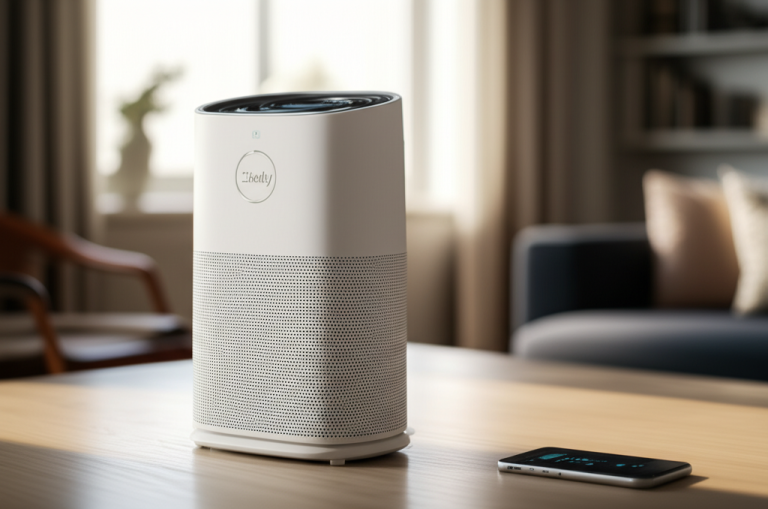
Choosing between a Shark vs Dyson air purifier for a genius clean involves comparing their innovative features, filtration capabilities, and smart technologies to ensure the best air quality for your home. Both brands offer advanced solutions, but subtle differences can make one a better fit for your specific needs.
The Air We Breathe: Why Air Purifiers Matter
We all want clean air in our homes. Dust, pollen, pet dander, and even tiny particles from cooking can float around. These can make breathing harder, especially for people with allergies or asthma. Air purifiers are like tiny helpers that catch these bad things. They make the air fresh and healthy for everyone. This article will help you understand the difference between two top brands, Shark and Dyson, so you can pick the best one for your home.
Shark vs Dyson Air Purifier: The Big Picture
When you look at a Shark vs Dyson air purifier, you’re comparing two leaders in home cleaning technology. Both aim to give you cleaner air. Dyson is known for its high-tech gadgets and sleek designs. Shark is famous for its powerful cleaning tools and value. Let’s see how they stack up in cleaning your air.
What is a Shark Air Purifier?
Shark air purifiers are designed to tackle common household air problems. They often focus on multi-stage filtration to capture different sizes of particles. Many Shark models are also designed to be versatile, sometimes combining air purification with other functions like heating or cooling. They aim for effective cleaning at a competitive price point.
What is a Dyson Air Purifier?
Dyson air purifiers are recognized for their advanced engineering and unique designs. They often feature HEPA and activated carbon filters, combined with their signature bladeless fan technology. Dyson purifiers are usually smart devices, connecting to apps for remote control and air quality monitoring. They often integrate heating and cooling functions as well.
Filtration Power: What’s Inside Matters
The heart of any air purifier is its filter system. This is where the magic happens to clean your air. Both Shark and Dyson use multi-layer filters to catch tiny particles. Understanding these layers helps you see which one might be better for your specific air quality issues.
Shark’s Filtration Approach
Shark typically uses a combination of filters. This often includes a pre-filter for larger particles like hair. Then, there’s usually a HEPA filter to trap smaller allergens. An activated carbon filter is also common to remove odors and gases. Some Shark models might have additional layers for specific pollutants.
Dyson’s Filtration Technology
Dyson purifiers also rely on robust filtration. They feature fully sealed HEPA filters that capture 99.97% of particles as small as 0.3 microns. Alongside the HEPA filter, they include an activated carbon layer to absorb gases and odors. Dyson emphasizes their sealed system to ensure air is pulled through the filters, not around them.
Design and Build: Form Meets Function
The look and feel of an air purifier can be important. You want something that fits your home decor. Both Shark and Dyson offer different styles. Dyson is famous for its modern, often futuristic look. Shark purifiers tend to be more practical, but still well-designed.
Shark’s Design Philosophy
Shark air purifiers often have a more traditional appliance look. They are built to be sturdy and functional. Many models are designed to be compact enough for different rooms. Some Shark units might have a more industrial feel, emphasizing their cleaning power.
Dyson’s Signature Style
Dyson air purifiers are known for their distinct, often bladeless designs. They look more like modern sculptures than typical appliances. This sleek aesthetic often comes with a higher price tag. Their designs are usually space-efficient and visually appealing.
Smart Features and Connectivity
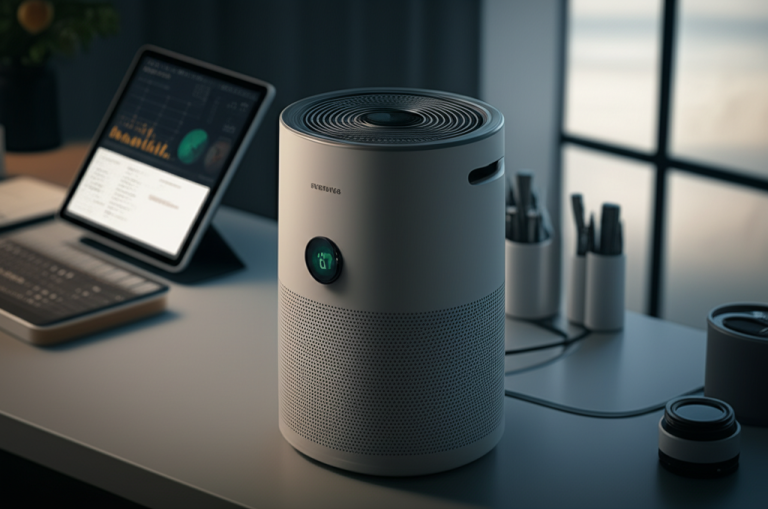
In today’s world, many devices connect to your phone. Air purifiers are no different. Smart features can help you monitor your air quality and control the purifier remotely. Dyson is a leader in this area. Shark is also incorporating more smart capabilities.
Shark’s Smart Capabilities
Some Shark air purifiers offer smart features. This can include app control for adjusting settings or scheduling purification. They might also display air quality readings on the unit or through the app. Shark aims to make these features user-friendly.
Dyson’s Connected Experience
Dyson purifiers often come with advanced app connectivity. The Dyson Link app allows you to monitor indoor and outdoor air quality in real-time. You can control fan speed, set schedules, and receive reports on your air. Some models can even automatically adjust purification based on air quality.
Noise Levels: A Quiet Clean
An air purifier working hard can sometimes be noisy. This can be distracting, especially in bedrooms or living areas. Manufacturers try to balance cleaning power with quiet operation. It’s important to check reviews for real-world noise performance.
Shark’s Noise Performance
Shark air purifiers generally offer a range of noise levels depending on the model and fan speed. At lower settings, they can be quite quiet. Higher settings, needed for intense purification, will naturally produce more sound. Reviews often mention specific decibel levels for different modes.
Dyson’s Sound Profile
Dyson purifiers are often praised for their relatively quiet operation, especially at lower fan speeds. Their advanced motor technology contributes to a smoother, less intrusive sound. However, like any purifier, they will make more noise when working at maximum capacity.
Coverage Area and CADR Ratings
Not all air purifiers are made for the same size room. The coverage area tells you how large a space the purifier can effectively clean. The Clean Air Delivery Rate (CADR) is a standard measure of how quickly a purifier cleans the air. Higher CADR ratings mean faster cleaning.
Shark’s Coverage Estimates
Shark provides coverage estimates for its air purifiers. These are usually based on room size in square feet or square meters. They also provide CADR ratings for specific pollutants like smoke, dust, and pollen. It’s important to match the purifier’s coverage to your room size.
Dyson’s Coverage and Performance
Dyson also specifies the room sizes their purifiers are designed for. Their CADR ratings are often highlighted, showcasing their ability to quickly remove pollutants. Dyson’s sealed system contributes to effective air cleaning within its stated coverage area.
Price and Value Proposition
When choosing between Shark vs Dyson air purifier, price is a major factor. Dyson purifiers are typically in the premium price range. Shark models often aim to offer strong performance at a more accessible price. Value depends on what features are most important to you.
Shark’s Value for Money
Shark often positions itself as offering excellent value. You get robust filtration and useful features without the highest price tag. This makes them a good choice for budget-conscious consumers who still want effective air purification.
Dyson’s Premium Investment
Dyson purifiers represent a significant investment. You are paying for advanced technology, unique design, and strong brand reputation. For those who prioritize cutting-edge features, app control, and a premium aesthetic, Dyson can be worth the cost.
Key Differences Summarized
Here’s a quick look at how Shark and Dyson air purifiers often differ:
| Feature | Shark Air Purifier | Dyson Air Purifier |
|—————–|—————————————————|———————————————————|
| Price | Generally more affordable | Premium, higher price point |
| Design | Practical, functional, sometimes more traditional | Sleek, modern, often bladeless, unique aesthetic |
| Smart Features | Growing, but often simpler | Advanced app control, real-time monitoring, auto modes |
| Filtration | Multi-stage HEPA and carbon, effective | Sealed HEPA and carbon, high capture rate |
| Innovation | Focus on effective cleaning and value | Cutting-edge technology, integrated functions (heat/cool) |
Which Air Purifier is Right for You?
Deciding between a Shark vs Dyson air purifier comes down to your priorities. If you’re looking for effective air cleaning with good value and practical features, a Shark model might be perfect. If you desire the latest technology, a premium design, and extensive smart home integration, a Dyson could be your ideal choice.
Consider Your Budget
Your budget will play a big role. Shark offers excellent performance for a lower cost. Dyson is a premium product with a premium price. Think about how much you’re willing to spend for the features you need.
Assess Your Air Quality Needs
Do you have severe allergies? Are strong odors a problem? Both brands offer HEPA and carbon filters. Dyson’s sealed system might offer a slight edge in capturing the smallest particles consistently. Shark’s multi-stage approach is also very effective for general air cleaning.
Evaluate Desired Features
Do you want to control your purifier from your phone? Do you need it to also heat or cool the room? Dyson excels in smart features and multi-functionality. Shark offers solid core purification. Consider which extra features are truly important to your daily life.
Frequently Asked Questions (FAQ)
Are Shark air purifiers as good as Dyson?
Both Shark and Dyson air purifiers are effective. Dyson often leads in advanced technology and design, while Shark provides strong performance and value. The “best” depends on your specific needs and budget.
Which brand is quieter, Shark or Dyson?
Dyson purifiers are often perceived as quieter, especially at lower settings, due to their advanced motor technology. However, both brands can produce noticeable noise at their highest fan speeds.
Do Shark air purifiers have HEPA filters?
Yes, most Shark air purifiers feature HEPA filters, which are essential for capturing fine particles like allergens and dust. They typically combine this with pre-filters and activated carbon filters.
Can Dyson air purifiers really clean a whole room?
Dyson air purifiers are designed with specific room sizes in mind. Their CADR ratings and airflow technology ensure they can effectively circulate and clean the air within their recommended coverage area. You can check the product specifications for details.
Which is better for allergies, Shark or Dyson?
Both brands offer HEPA filtration, which is crucial for allergy sufferers. Dyson’s fully sealed system ensures that all air passes through the filter, potentially offering a slight advantage in capturing microscopic allergens. However, a well-chosen Shark model with a HEPA filter will also greatly improve allergy symptoms.
Are Dyson air purifiers worth the extra cost?
For users who value cutting-edge technology, superior design, extensive smart features, and multi-functionality (like heating/cooling), Dyson purifiers can be worth the premium price. For those prioritizing core air purification at a better value, Shark is a strong contender.
Conclusion: Your Genius Clean Awaits
Choosing between a Shark vs Dyson air purifier is about finding the right balance for your home. Both brands offer excellent air cleaning solutions. Shark provides robust performance and great value, making it a smart choice for many households. Dyson delivers innovative technology, premium design, and comprehensive smart features for those seeking the latest in air purification. Carefully consider your budget, air quality needs, and desired features to make your genius clean decision.