
Sans Air Purifier Vs Levoit: Essential Choice

Choosing between a Sans air purifier and a Levoit air purifier is a crucial decision for cleaner indoor air. This guide breaks down their features, performance, and value to help you make the essential choice for your home.
Breathing clean air at home is more important than ever. Many of us worry about dust, pollen, pet dander, and even tiny particles from cooking or outdoor pollution. Air purifiers promise a solution, but with so many brands, which one is right for you? Two popular choices are Sans and Levoit. They both aim to improve your air quality, but they do it in different ways. Deciding between a Sans air purifier vs Levoit can feel overwhelming. I’m here to help you understand them clearly. We will look at what each offers so you can pick the best one for your needs.
Why Air Quality Matters Indoors
Indoor air can be surprisingly polluted. It can hold allergens, viruses, and odors. Poor indoor air quality can affect your health. It might cause allergies, asthma, or sleep problems. Understanding your options, like comparing a Sans air purifier vs Levoit, is the first step to a healthier home.
Common Indoor Air Pollutants
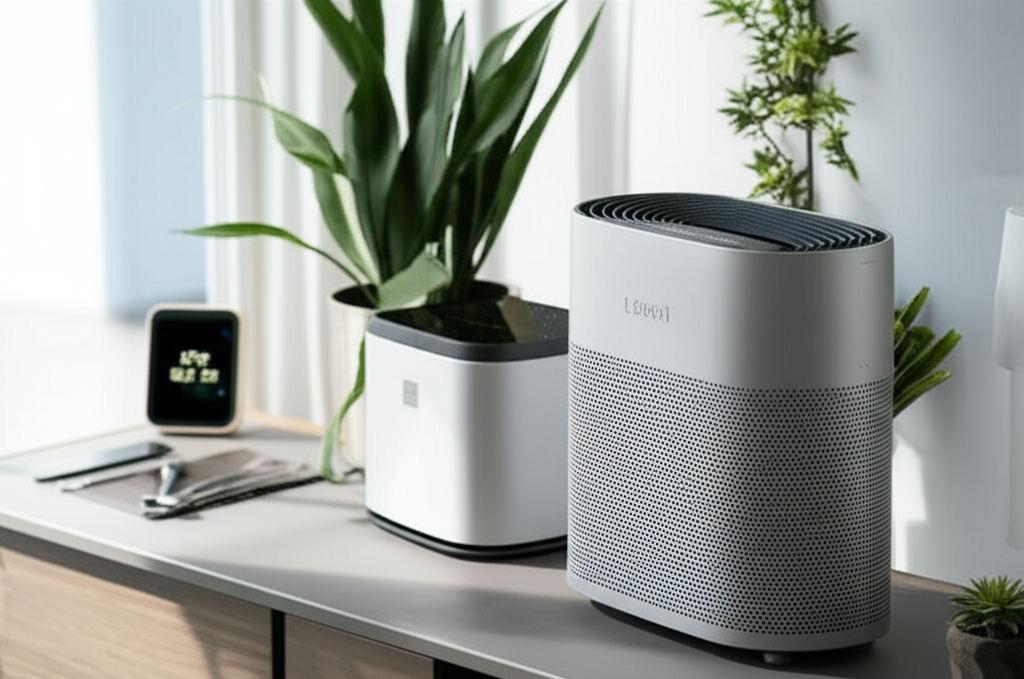
Many things can make your indoor air dirty. Dust mites are tiny creatures that live in dust. Pollen from outside can sneak in. Pet dander is tiny skin flakes from your furry friends. Smoke from cooking or cigarettes also pollutes the air. Even chemicals from cleaning products can be harmful.
The Role of Air Purifiers
Air purifiers work like filters for your home’s air. They draw in air, pass it through special filters, and release cleaner air back into the room. Different purifiers use different filter types. Some are better at capturing large particles, while others can trap very small ones. This process helps reduce allergens and odors.
Understanding Sans Air Purifiers
Sans air purifiers are known for their advanced technology. They often focus on multi-stage filtration. This means they use several layers of filters to clean the air. Many Sans models include features like smart sensors and app control. This makes them easy to manage and monitor.
Key Features of Sans Air Purifiers
Sans models typically boast HEPA filters. These are great at trapping small particles. Many also have activated carbon filters. These filters are good at removing odors and gases. Some higher-end Sans units offer UV-C light. This light can help kill germs and bacteria.
Performance and Filtration Technology
Sans air purifiers often perform very well. Their multi-stage systems capture a wide range of pollutants. This makes them a strong choice for people with allergies or asthma. The activated carbon filters are especially effective for removing smells from pets or cooking.
Exploring Levoit Air Purifiers
Levoit air purifiers are very popular. They are often praised for being affordable and effective. Levoit offers a wide range of models. Many are designed for specific room sizes. They focus on providing good filtration at a reasonable price.
Levoit’s Filtration System
Levoit air purifiers also use HEPA filters. Their filters are typically a three-stage system. This includes a pre-filter, a True HEPA filter, and an activated carbon filter. The pre-filter catches larger particles like hair. The HEPA filter traps smaller allergens. The carbon filter deals with odors and smoke.
Value and User-Friendliness
One of Levoit’s biggest strengths is its value. You can get a good quality air purifier without spending a lot of money. Many Levoit models are also very simple to use. They have straightforward controls. Filter replacement is usually easy too. This makes them a great option for many households.
Sans Air Purifier vs Levoit: A Direct Comparison
When you look at Sans air purifier vs Levoit, you see different priorities. Sans often focuses on cutting-edge features and maximum filtration. Levoit aims for accessible performance and great value. Both can clean your air effectively. The best choice depends on what you need most.
Filtration Efficiency
Both brands use True HEPA filters. This means they both capture 99.97% of particles 0.3 microns in size. This includes allergens like pollen and pet dander. Sans might offer more specialized filters in some models. Levoit’s standard HEPA filtration is still very effective for most users.
Smart Features and Controls
Sans often leads in smart technology. Many models have Wi-Fi connectivity. You can control them with a smartphone app. They might also have air quality sensors that adjust settings automatically. Levoit offers some smart models too. However, their basic models focus on manual controls.
Noise Levels
Noise is an important factor. Both Sans and Levoit have models that are quiet. Levoit often highlights its quiet “sleep mode.” Sans also works to reduce noise. It’s always good to check the decibel (dB) rating for specific models. Lower dB means quieter operation.
Cost and Filter Replacement
Levoit generally offers more affordable units. Their replacement filters are also usually less expensive. Sans purifiers can be pricier upfront. Their specialized filters might also cost more. However, the initial investment in a Sans might offer more advanced features.
Comparing Key Models
Let’s look at a couple of popular models from each brand. This will give you a clearer picture.
| Feature | Sans Model (Example) | Levoit Model (Example) |
| :—————- | :————————————————- | :————————————————- |
| Room Size | Up to 500 sq ft | Up to 300 sq ft |
| Filtration | 5-stage: Pre-filter, HEPA, Carbon, UV-C, Ionizer | 3-stage: Pre-filter, True HEPA, Activated Carbon |
| Smart Features| App control, Auto mode, Air quality display | App control (select models), Auto mode |
| Noise Level | As low as 24 dB | As low as 24 dB (sleep mode) |
| Price Range | Mid to High | Budget to Mid |
| Filter Cost | Moderate to High | Budget to Moderate |
Note: Specific features and prices vary by model.
Which Air Purifier is Best for Allergies?
If allergies are your main concern, both brands offer good options. Look for models with True HEPA filters. These are certified to capture 99.97% of airborne allergens. Sans might offer additional filtration stages. These could include UV-C light or ionization. Some people find ionization helpful. Others prefer to avoid it.
Understanding HEPA Standards
A True HEPA filter is a specific standard. It means the filter has met strict requirements for particle removal. This is crucial for trapping pollen, pet dander, and dust mites. Both Sans and Levoit use True HEPA filters in their main models. Always check the product description to confirm.
Additional Features for Allergy Sufferers
For severe allergies, consider models with activated carbon filters. These help remove odors and VOCs (volatile organic compounds). Some Sans models offer advanced carbon filtration. This can be beneficial for sensitive individuals.
Sans Air Purifier vs Levoit for Odor Removal
Both Sans and Levoit air purifiers can tackle odors. This is thanks to their activated carbon filters. These filters work by absorbing odor molecules. The effectiveness can depend on the amount of carbon used.
How Activated Carbon Works
Activated carbon is a special type of charcoal. It has many tiny pores. These pores trap odor molecules from the air. Think of it like a sponge for smells. The more carbon in the filter, the more odors it can absorb.
Comparing Odor Control Performance
Sans models with high-grade activated carbon filters might offer slightly better odor removal. This is especially true for models designed with advanced air purification in mind. However, Levoit’s standard carbon filters are generally effective for everyday odors like cooking smells or pet odors. You can find studies on activated carbon’s effectiveness in air purification.
Smart Features and Connectivity
Smart features can make using an air purifier much easier. Sans often excels here. Many of their units connect to Wi-Fi. You can control them using a mobile app. This allows you to adjust settings, check air quality, and set schedules from anywhere.
App Control and Automation
With a smart air purifier, you can turn it on before you get home. You can also monitor your home’s air quality remotely. Some Sans models have auto modes. They use sensors to detect pollution levels. Then they automatically adjust the fan speed. This ensures optimal air cleaning without constant manual input.
Levoit’s Smart Offerings
Levoit also has smart air purifiers. These models offer similar app control and scheduling. They are a great way to get smart features at a more accessible price point. Levoit’s smart models integrate well into smart home ecosystems.
Price and Long-Term Costs
The initial price is a big factor for many. Levoit typically wins here. Their air purifiers are often much cheaper than comparable Sans models. This makes them a good choice for budget-conscious buyers.
Initial Purchase Price
You can find Levoit air purifiers for under $100. Sans models often start around $150 and go up significantly. This difference can be substantial if you need multiple units.
Ongoing Costs: Filter Replacements
Don’t forget the cost of replacement filters. These need to be changed every 6-12 months. Levoit filters are usually cheaper to buy. Sans filters can be more expensive. Calculate the long-term cost based on filter prices and how often you need to replace them.
Noise Levels and Sleep Quality
Air purifiers can be noisy. This is especially true on higher fan settings. Both Sans and Levoit offer models with low noise levels. Look for models that specify a decibel (dB) rating.
Understanding Decibels (dB)
A whisper is about 30 dB. A normal conversation is around 60 dB. Many air purifiers operate between 25-55 dB. Models with a “sleep mode” often run at the lowest fan speed. This makes them very quiet, ideal for bedrooms.
Choosing a Quiet Model
Both Sans and Levoit have models that are advertised as very quiet. Levoit’s Core 300 is often praised for its quiet operation. Many Sans models also prioritize quiet performance. Always check user reviews for real-world noise experiences.
Design and Aesthetics
Air purifiers are often visible in your home. Their design matters to some people. Sans models sometimes have a more modern, sleek look. Levoit models are often more utilitarian but still look good in most rooms.
Modern vs. Functional Design
Sans may offer more premium finishes and sleeker lines. This can fit well with modern home decor. Levoit designs are typically clean and simple. They focus on functionality but are not unattractive.
Size and Placement
Consider the size of the air purifier. Larger units can handle bigger rooms but take up more space. Both brands offer a range of sizes. Think about where you will place the unit. Ensure it has good airflow around it.
Sans Air Purifier vs Levoit: Who Should Buy What?
Deciding between Sans air purifier vs Levoit comes down to your specific needs and budget. Both are reputable brands that can improve your indoor air.
Who Should Consider Sans?
You want the latest smart features and app control.
You need advanced filtration, possibly with UV-C or ionization.
Your budget allows for a higher upfront cost.
You prioritize premium design and features.
Who Should Consider Levoit?
You are on a budget and need effective air cleaning.
You want a simple, user-friendly air purifier.
You need a reliable option for common allergens and odors.
You prefer lower long-term costs for replacement filters.
Frequently Asked Questions (FAQ)
Do air purifiers really work?
Yes, air purifiers work by filtering out pollutants. They can significantly reduce allergens, dust, smoke, and odors in your home. Their effectiveness depends on the filter type and room size.
How often should I replace the filters?
Most air purifiers need filter replacements every 6 to 12 months. This depends on the model and how much you use it. Check your air purifier’s manual for specific recommendations.
Are air purifiers noisy?
Some air purifiers can be noisy, especially on higher settings. However, many models, including those from Sans and Levoit, offer quiet “sleep modes.” Look for low decibel ratings for quieter operation.
Can an air purifier help with pet odors?
Yes, air purifiers with activated carbon filters are very effective at removing pet odors. The carbon absorbs odor molecules from the air.
Is ionization safe in air purifiers?
Some air purifiers use ionization. This process can create ozone. While ozone can help clean the air, high levels can be harmful. It’s best to choose purifiers with True HEPA filters and consider models that offer ozone-free operation or allow you to turn ionization off.
Which is better for a large room, Sans or Levoit?
Both brands offer larger models. You need to check the Clean Air Delivery Rate (CADR) for each specific unit. A higher CADR means it can clean the air in a larger room more effectively. Sans may have more high-capacity options.
Conclusion: Making Your Essential Choice
Choosing between a Sans air purifier vs Levoit is about matching the right features to your needs and budget. Both brands offer excellent air purification. Levoit provides great value and user-friendliness for everyday needs. Sans offers more advanced technology and premium features for those seeking the latest in air cleaning. I hope this detailed comparison helps you feel confident in your choice. Investing in an air purifier is an investment in your health and comfort.
For more information on improving your home’s air quality, be sure to explore our other guides.

