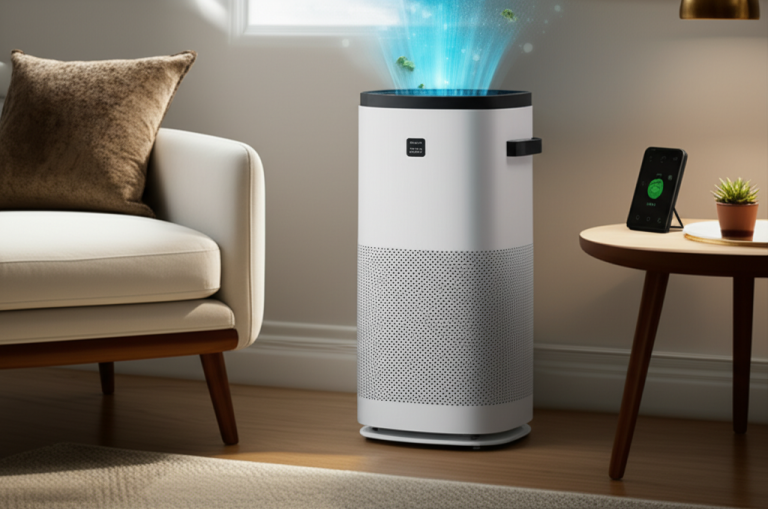
Pure and Clear Air Purifier Reviews: Essential Guide

Looking for pure and clear air purifier reviews? This essential guide helps you choose the best model for your home. We break down features, compare top brands, and offer expert tips to ensure you breathe easier.
Breathe in fresh, clean air with the help of an air purifier. But with so many choices, finding the right one can feel overwhelming. You want to know which pure and clear air purifier is best for your needs. This guide will walk you through everything. We’ll look at what makes an air purifier work and what features matter most. Get ready to find the perfect solution for a healthier home.
Why Air Purifiers Matter for Your Home
Air purifiers clean the air inside your home. They remove tiny particles that can cause problems. These particles include dust, pollen, pet dander, and smoke. They can also help reduce odors. Having cleaner air can make you feel better and breathe easier. This is especially important for people with allergies or asthma.
Many homes have air that isn’t as clean as we think. Dust and allergens can build up quickly. Cooking, pets, and even furniture can release particles into the air. Air purifiers work to capture these things. They help create a healthier living space for everyone.
How Air Purifiers Work: The Basics
Air purifiers use different methods to clean air. Most have a fan that pulls air into the unit. Then, the air passes through one or more filters. These filters trap the unwanted particles. Finally, the cleaned air is released back into the room. It’s like a vacuum cleaner for your air.
The most common type of filter is a HEPA filter. HEPA stands for High-Efficiency Particulate Air. A true HEPA filter can capture 99.97% of particles that are 0.3 microns in size. This includes many common allergens and pollutants. Some purifiers also use activated carbon filters. These filters are great at removing odors and gases.
Key Features to Look For in Pure and Clear Air Purifiers
When looking at pure and clear air purifier reviews, several features stand out. The size of the room the purifier can handle is crucial. This is often called the coverage area. You also want to consider the type of filters used. HEPA filters are a must for allergen removal.
Noise level is another important factor. Some purifiers can be quite loud, especially on higher settings. Look for models with low decibel (dB) ratings for quiet operation. Energy efficiency is also good to check. A more energy-efficient model will save you money on your electricity bill.
Top Pure and Clear Air Purifier Models: A Comparison
We’ve looked at many pure and clear air purifier reviews to find the best options. Here are a few popular choices that offer great performance. Each has its own strengths.
| Model Name | Room Size Coverage | Filter Type | Noise Level (dB) | Special Features |
| :—————- | :—————– | :————– | :————— | :———————————————- |
| Aura Air 500 | Up to 350 sq ft | True HEPA, Carbon | 24-52 dB | Smart sensor, app control, air quality display |
| Breeze Pure XL | Up to 700 sq ft | True HEPA, Carbon | 30-55 dB | Large coverage, multiple fan speeds, timer |
| Clarity Home | Up to 250 sq ft | True HEPA | 22-48 dB | Compact design, simple controls, filter change indicator |
This table shows some differences. The Aura Air 500 is good for smart homes. The Breeze Pure XL is for larger spaces. The Clarity Home is a simple, smaller option.
The Aura Air 500 is a top pick for many. It uses a true HEPA filter and an activated carbon filter. This means it tackles both particles and odors. Its smart sensor adjusts fan speed automatically. You can also control it with an app. This makes it very convenient.
The Breeze Pure XL is a powerful choice for bigger rooms. It also features a true HEPA and carbon filter system. Its ability to cover up to 700 square feet is impressive. It offers multiple fan speeds to suit your needs.
For smaller rooms or simpler needs, the Clarity Home is excellent. It’s designed to be quiet and easy to use. The filter change indicator lets you know when it’s time for a new filter. This ensures it always works its best.
Understanding Air Purifier Certifications
When reading pure and clear air purifier reviews, you might see certifications mentioned. These help assure you that the product works as advertised. The most important one is the ENERGY STAR certification. This means the unit is energy efficient. It meets strict energy efficiency guidelines set by the U.S. Environmental Protection Agency.
Another key certification is from the Association of Home Appliance Manufacturers (AHAM). AHAM Verifide seal means the purifier’s Clean Air Delivery Rate (CADR) has been tested. CADR measures how quickly a purifier cleans the air. Higher CADR numbers mean faster cleaning. There are separate CADR ratings for smoke, dust, and pollen.
HEPA Filters: The Gold Standard for Clean Air
HEPA filters are the heart of most good air purifiers. A true HEPA filter is designed to capture very small particles. These include things like mold spores, dust mites, and pet dander. These are common triggers for allergies and asthma. Using a purifier with a true HEPA filter can significantly improve indoor air quality.
It’s important to know that not all filters labeled “HEPA-type” or “HEPA-like” are the same. They may not capture particles as effectively as a true HEPA filter. Always look for the “True HEPA” label. This ensures you are getting the best particle removal possible. According to the U.S. Department of Energy, HEPA filters are designed to remove at least 99.97% of airborne particles 0.3 micrometers in diameter.
Activated Carbon Filters: Tackling Odors and Gases
While HEPA filters capture particles, activated carbon filters handle gases and odors. Activated carbon is a special type of carbon. It has many tiny pores. These pores trap odor molecules and volatile organic compounds (VOCs). VOCs can come from cleaning products, paints, and furniture.
Many pure and clear air purifier reviews highlight models with combined HEPA and activated carbon filters. This dual action provides comprehensive air cleaning. It removes both the visible particles and the invisible gases. If you’re concerned about pet smells, cooking odors, or chemical fumes, a carbon filter is essential.
CADR Ratings: How Fast Does it Clean?
CADR stands for Clean Air Delivery Rate. This rating tells you how effectively an air purifier cleans a specific room size. It’s measured in cubic feet per minute (CFM). A higher CADR means the purifier works faster. AHAM tests and certifies these ratings. They provide separate CADR numbers for smoke, dust, and pollen.
When choosing a purifier, aim for a CADR that matches your room size. A good rule of thumb is to select a purifier with a CADR of at least two-thirds of the room’s square footage. For example, if you have a 150 square foot room, look for a CADR of at least 100. This ensures efficient air cleaning.
Noise Levels and Energy Consumption
The sound a purifier makes is important for comfort. Many purifiers have multiple fan speeds. The lowest setting is usually very quiet, often around 20-30 decibels (dB). This is comparable to a whisper. Higher settings will be louder, sometimes reaching 50-60 dB, which is like a normal conversation.
Consider where you’ll place the purifier. If it’s in a bedroom, a quieter model is better. Also, check the power consumption. ENERGY STAR certified models use less electricity. This saves money and is better for the environment. You can usually find the power usage in watts on the product’s specifications.
Maintenance: Filters and Cleaning
Keeping your air purifier working well means regular maintenance. The most common task is replacing the filters. HEPA filters typically need to be replaced every 6-12 months. Activated carbon filters may need replacement more often, depending on the level of odors and gases.
Always check the manufacturer’s recommendations for filter replacement. Many purifiers have an indicator light to remind you. Cleaning the pre-filter, if your model has one, is also important. A pre-filter catches larger particles like hair. Cleaning it regularly helps extend the life of the main HEPA filter.
Pure and Clear Air Purifier Reviews: Frequently Asked Questions
What is the best pure and clear air purifier for allergies?
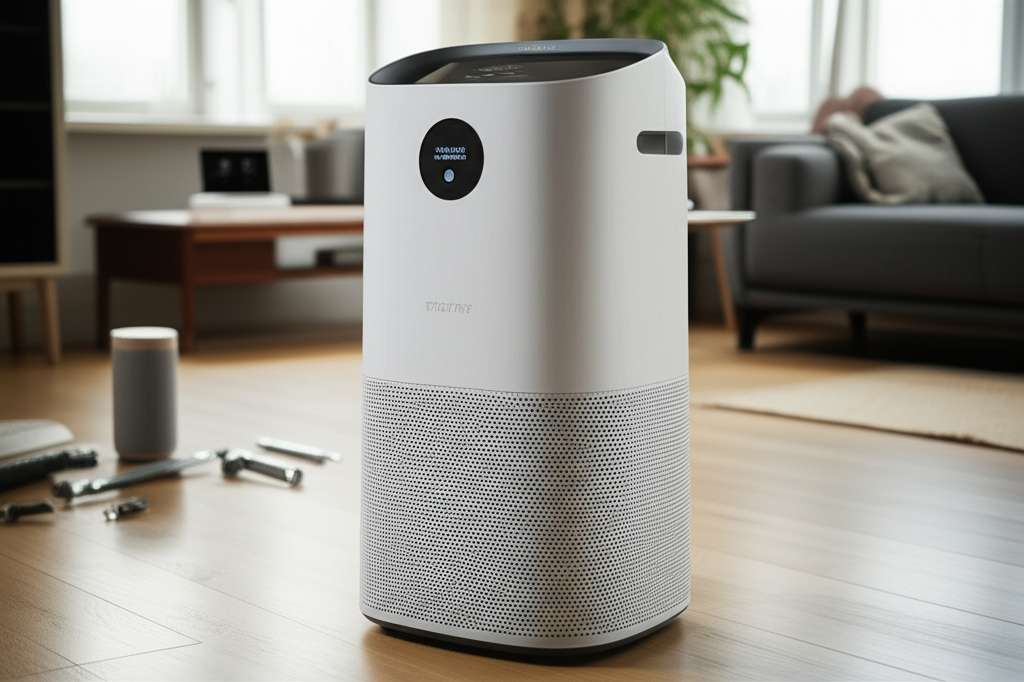
For allergies, look for a purifier with a True HEPA filter. This is crucial for capturing tiny allergens like pollen, dust mites, and pet dander. Models with good CADR ratings for your room size are also beneficial.
How often should I replace the HEPA filter in my air purifier?
Most HEPA filters need replacement every 6 to 12 months. This depends on usage and the air quality in your home. Some purifiers have a filter replacement indicator to help you.
Can an air purifier remove smoke smell?
Yes, air purifiers with activated carbon filters are very effective at removing smoke smells. The carbon absorbs odor molecules. A HEPA filter will also capture smoke particles.
Are air purifiers expensive to run?
Running costs depend on the energy efficiency of the model and how often you use it. ENERGY STAR certified purifiers are more economical. Filter replacement costs should also be considered annually.
How do I know what size air purifier I need?
Check the room coverage area listed by the manufacturer. This is usually in square feet. Match this to the size of the room where you plan to use the purifier. A larger room needs a more powerful unit.
Do air purifiers make noise?
Yes, air purifiers have fans and make noise. However, many models offer multiple fan speeds, including a very quiet low setting. Check the decibel (dB) ratings for different speed settings.
Conclusion: Finding Your Perfect Pure and Clear Air Purifier
Choosing the right pure and clear air purifier can make a big difference in your home’s air quality. By understanding filter types like HEPA and activated carbon, and considering features like CADR ratings and noise levels, you can make an informed decision. Always look for trusted certifications. Regular maintenance ensures your purifier keeps working effectively.
I hope this guide helps you find the best pure and clear air purifier for your needs. Breathe easy and enjoy cleaner air! If you found this helpful, consider subscribing for more home health tips.