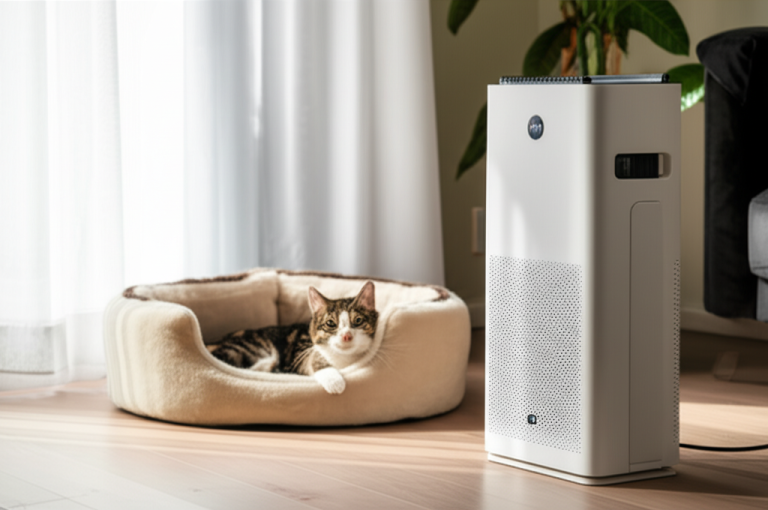
Puppy Mothers Air Purifier Reviews: Essential Guide

Puppy mothers air purifier reviews are crucial for new moms and their pups. These reviews help you choose the best air purifier to keep your home healthy. It removes allergens, odors, and airborne germs. This guide helps you find the perfect one.
Welcoming a new puppy into your home is a joyous occasion. However, it also brings new responsibilities, especially for the mother dog and her litter. Ensuring a clean and healthy environment is paramount for their well-being. Puppy mothers can be sensitive, and the air they breathe affects their health and that of their puppies. This guide will help you navigate the world of air purifiers and find the best options. We will look at what makes an air purifier great for this specific situation.
Why Do Puppy Mothers Need Air Purifiers?
Puppy mothers and their newborns are more vulnerable to airborne irritants. Their respiratory systems are still developing or recovering. A good air purifier can significantly improve the air quality in their living space. It helps remove dust, dander, and potential pathogens. This creates a safer nursery for the growing pups.
Puppy mothers and their young puppies benefit greatly from air purifiers. These devices clean the air, removing allergens, odors, and germs that can harm sensitive respiratory systems. A clean environment supports healthy growth and reduces the risk of illness for both mother and litter.
Protecting Against Allergens and Dander

Puppies, especially those with growing coats, can shed dander. This can trigger allergies in humans and sometimes even in the mother dog herself. An air purifier with a HEPA filter captures these tiny particles. It stops them from circulating in the air. This makes the home more comfortable for everyone.
Reducing Odors and Ammonia
Mother dogs and puppies can produce strong odors. Urine and feces, even in small amounts, can release ammonia. Ammonia can be harmful and irritating to a puppy’s delicate lungs. Air purifiers with activated carbon filters are excellent at absorbing these unpleasant smells. They keep the nursery smelling fresh and clean.
Minimizing Airborne Germs and Viruses
Newborn puppies have weak immune systems. They are susceptible to airborne viruses and bacteria. Air purifiers can help reduce the concentration of these germs in the air. This is especially important if your puppy mother has had any health issues. It provides an extra layer of protection.
Key Features to Look for in Puppy Mother Air Purifiers
When choosing an air purifier for a puppy nursery, certain features are more important than others. You want something effective but also safe and quiet. We will explore the most critical aspects to consider. These features ensure the best environment for your new furry family members.
HEPA Filtration: The Gold Standard
High-Efficiency Particulate Air (HEPA) filters are essential. They capture at least 99.97% of airborne particles. This includes dust, pollen, pet dander, and mold spores. For puppy mothers and newborns, a true HEPA filter is a must-have. It ensures the air is as clean as possible.
Activated Carbon Filters for Odor Control
Beyond HEPA, an activated carbon filter is highly recommended. This type of filter adsorbs odors and gases. It effectively neutralizes smells from pet waste, cleaning products, and other household sources. A strong carbon filter means a fresher, healthier living space for the puppies.
Noise Level: Keep it Peaceful
Puppy mothers need a calm environment to rest and care for their young. Loud noises can stress them out. Look for air purifiers with a low decibel (dB) rating on their lowest setting. Many models offer a “sleep mode” or ultra-quiet operation. This ensures minimal disturbance.
Safety Features for Puppies
Ensure the air purifier has no small, detachable parts that puppies could chew. A sturdy design is also important. Some units have child locks to prevent accidental button presses. Always place the air purifier out of reach of curious puppies.
Top Air Purifier Brands and Models for Puppy Mothers
Based on expert recommendations and user feedback, several brands stand out. They offer models that meet the specific needs of a puppy nursery. I’ve researched these options to help you make an informed decision. Let’s look at some of the best choices available.
Coway Airmega 200M: A Reliable Choice
The Coway Airmega 200M is a popular choice for its effective filtration system. It features a true HEPA filter and an activated carbon filter. It also has a pre-filter to catch larger particles like pet hair. This model is known for its quiet operation and smart features.
Coway Airmega 200M is praised for its robust multi-stage filtration, including a true HEPA filter and activated carbon. It efficiently removes allergens, odors, and fine particles, making it a strong contender for creating a healthy nursery environment for puppies and their mothers.
Levoit Core 300S: Compact and Effective
The Levoit Core 300S is a compact yet powerful air purifier. It uses a 3-stage filtration system, including a HEPA filter. It’s known for its quiet performance and simple operation. This model is ideal for smaller rooms or nurseries.
Levoit Core 300S offers excellent value with its 3-stage filtration, including a high-efficiency HEPA filter. It’s praised for its quiet operation and ability to tackle pet odors and allergens, making it a practical choice for smaller spaces dedicated to puppy mothers.
Blueair Blue Pure 411 Auto: Energy Efficient
Blueair models are known for their energy efficiency and quiet operation. The Blue Pure 411 Auto uses a combination of mechanical and electrostatic filtration. It effectively captures particles and reduces odors. Its sleek design fits well in any home.
Blueair Blue Pure 411 Auto combines advanced filtration technology with low energy consumption. It’s effective at removing airborne pollutants and odors, while its quiet operation ensures a peaceful environment for sensitive puppy mothers and their litters.
How to Place Your Air Purifier for Maximum Benefit
The placement of your air purifier is key to its effectiveness. You want to ensure it can circulate air properly and cover the intended area. Following these simple guidelines will help you get the most out of your device. Proper placement ensures cleaner air reaches the puppy nursery.
Central Location in the Room
Place the air purifier in a central location within the puppy’s nursery or the mother dog’s resting area. This allows for better air circulation. It helps the unit draw in air from all directions. Avoid placing it in a corner or behind furniture.
Away from Obstructions
Ensure there is at least a foot of clear space around the air purifier. This allows for optimal airflow. Obstructions can block the intake and exhaust vents. This reduces the purifier’s efficiency.
On a Stable Surface
Place the air purifier on a flat, stable surface. This prevents it from tipping over, which could be a hazard. A stable placement also ensures the fan operates smoothly. It minimizes any unnecessary vibrations or noise.
Understanding Air Purifier Specifications: What to Know
Air purifier specifications can seem technical, but a few key terms are important. Knowing these will help you compare different models. Understanding these metrics ensures you choose a unit that is powerful enough for your needs. It also helps you gauge its energy consumption.
CADR (Clean Air Delivery Rate)
CADR measures how quickly an air purifier can clean a room. It has ratings for dust, pollen, and smoke. A higher CADR means faster air cleaning. For a puppy nursery, a good CADR ensures rapid removal of allergens and odors.
Coverage Area (Sq. Ft.)
This tells you the maximum room size the air purifier is designed for. Always choose a unit rated for a room slightly larger than your nursery. This ensures it can effectively clean the air. It provides a buffer for less-than-ideal placement or higher pollution levels.
Noise Level (dB)
As mentioned earlier, noise level is critical. It is measured in decibels (dB). Look for units that operate below 50 dB on their medium setting. Sleep modes often go as low as 20-30 dB. This is quieter than a whisper.
Energy Consumption (Watts)
Consider the wattage of the air purifier. Higher wattage means more power but also higher electricity bills. Many modern air purifiers are energy-efficient. Look for ENERGY STAR certified models for cost savings.
Comparing Top Models: A Quick Overview
Here’s a simple table to help you compare some of the models we’ve discussed. It highlights key features relevant to a puppy nursery. This visual aid makes it easier to see the differences at a glance.
| Feature | Coway Airmega 200M | Levoit Core 300S | Blueair Blue Pure 411 Auto |
| :—————- | :—————– | :————— | :————————- |
| Filtration | True HEPA, Carbon | True HEPA, Carbon | HEPA-type, Carbon |
| Coverage Area | Up to 361 sq. ft. | Up to 219 sq. ft. | Up to 161 sq. ft. |
| Noise Level | 22-49 dB | 24-50 dB | 17-48 dB |
| Key Benefit | Powerful, Smart | Compact, Quiet | Energy Efficient, Quiet |
User Reviews and Real-World Experiences
Hearing from other pet owners can be very insightful. Many users praise air purifiers for reducing puppy-related odors and dander. One user shared, “I was worried about the smell when we brought our litter home. The [Brand Name] air purifier made a huge difference. The air felt so much fresher.” Another commented, “My allergies have been so much better since I started using an air purifier in the puppy room. It’s a game-changer.”
Real-world experiences highlight the significant impact air purifiers have on managing puppy-related odors and allergens. Pet owners consistently report improved air quality and reduced allergy symptoms, confirming the effectiveness of these devices in creating a healthier environment for both humans and animals.
Maintenance: Keeping Your Air Purifier Running Smoothly
Regular maintenance ensures your air purifier works its best. It also extends the life of the unit. Most manufacturers provide clear instructions. Following them is simple and essential. Dirty filters can reduce efficiency and even become a source of germs.
Cleaning or Replacing Filters
HEPA and carbon filters need regular attention. Pre-filters can often be vacuumed or washed. True HEPA filters typically need replacement every 6-12 months. Activated carbon filters also need periodic replacement, usually every 3-6 months, depending on odor levels. Always check your model’s manual.
Wiping Down the Unit
Occasionally, wipe down the exterior of the air purifier with a soft, damp cloth. This removes dust buildup. Ensure the unit is unplugged before cleaning. Never use harsh chemicals or abrasive cleaners.
When to Use Your Puppy Mother Air Purifier
You can run your air purifier continuously, especially during the critical first few weeks. This provides constant air cleaning. For maximum benefit, run it on a lower setting when the mother and puppies are resting. You can increase the fan speed if there are noticeable odors or if you have visitors.
Continuous Operation
Running the air purifier 24/7 ensures the air quality remains consistently high. This is especially important in the early stages of the puppies’ lives. It provides a stable, clean environment for their development. It also helps manage any ongoing odors.
Seasonal Use and Allergy Season
If your home experiences seasonal allergies, an air purifier is beneficial year-round. It helps capture pollen and other outdoor allergens that enter the home. This is good for everyone, including the puppy mother. It helps reduce her exposure to potential irritants.
Frequently Asked Questions About Puppy Mother Air Purifiers
Q1: Will an air purifier get rid of all puppy smells?
While an air purifier significantly reduces odors, it may not eliminate them completely. Stronger smells might require more frequent filter changes or a higher-rated unit. Regular cleaning of the puppy area also helps a lot.
Q2: How often should I run the air purifier?
For optimal results, run it continuously, especially when the puppies are very young. You can use lower settings during rest periods. Higher settings can be used when needed for odor control.
Q3: Can an air purifier help with puppy allergies in humans?
Yes, air purifiers are excellent for reducing allergens like pet dander, dust, and pollen. This can greatly help people with allergies living in a home with puppies.
Q4: Do I need a special air purifier for puppies?
You don’t need a “special” puppy-only purifier. However, you need one with strong HEPA and carbon filtration. It should also be quiet and safe for pets.
Q5: Where is the best place to put an air purifier for a puppy nursery?
Place it in a central location in the room. Ensure there’s at least one foot of clear space around it. Avoid corners or placing it behind furniture.
Conclusion: Investing in a Healthier Home for Your New Family
Choosing the right air purifier for your puppy mother and her litter is a smart investment. It directly contributes to their health and well-being. By focusing on HEPA filtration, activated carbon, and quiet operation, you can create a safe and comfortable nursery. The puppy mothers air purifier reviews we’ve covered offer excellent starting points.
A clean environment supports healthy growth and reduces stress for both mother and pups. Remember to consider coverage area and maintenance needs. Making this choice ensures a happier, healthier start for your newest family members. Your puppy mother will thank you for it.