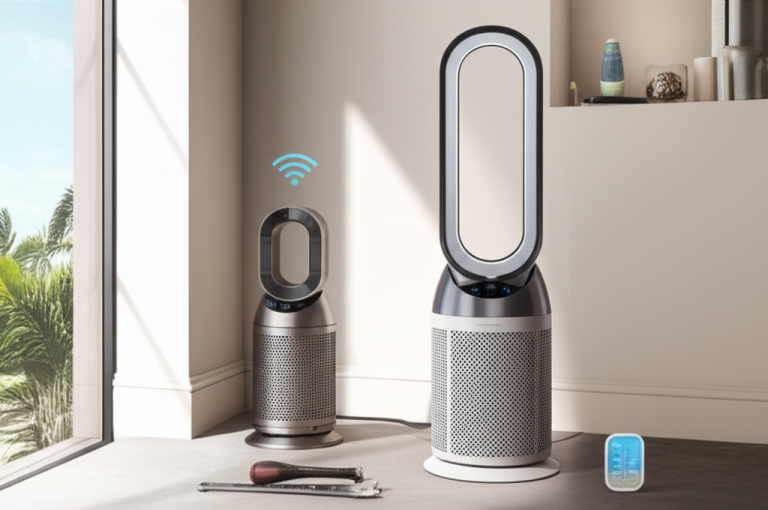
Premium Ionic Air Purifiers For Larger Spaces: Genius Essential

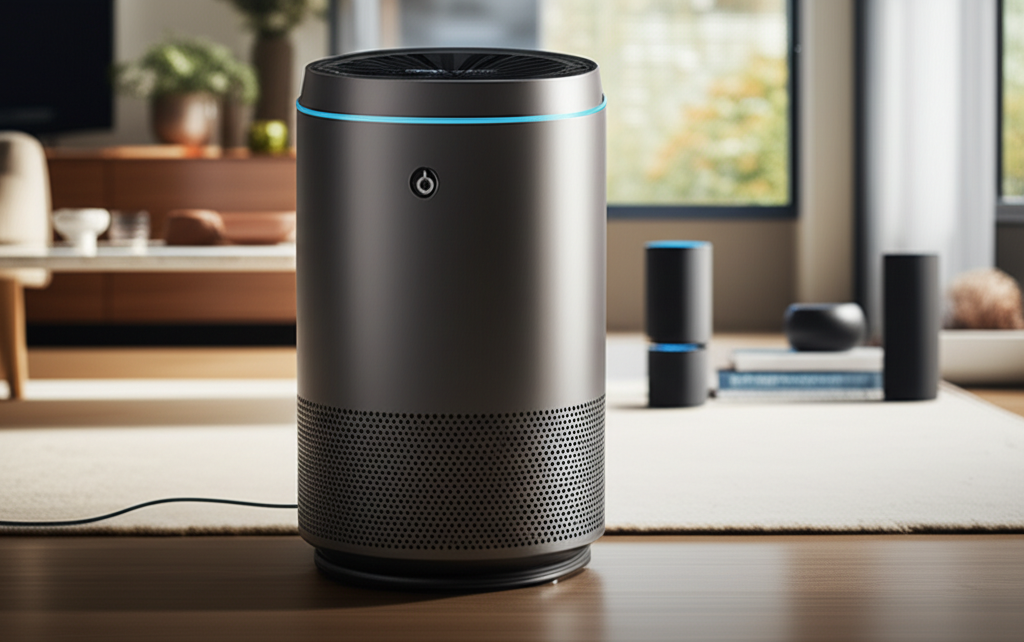
Breathe easier in your expansive home with premium ionic air purifiers for larger spaces. These advanced devices use ionization to effectively capture airborne pollutants, offering a genius essential solution for cleaner, healthier air throughout your biggest rooms.
Having a large home means enjoying more space, but it can also mean dealing with more airborne dust, allergens, and odors. It’s a common frustration when the air in your living room or open-plan kitchen doesn’t feel as fresh as it should. You want a solution that works effectively without being overly complicated. This guide will help you find the best premium ionic air purifiers for larger spaces, ensuring every corner of your home is filled with clean air. We’ll break down what makes them great and what to look for.
Why Choose Premium Ionic Air Purifiers for Large Areas?
Premium ionic air purifiers for larger spaces offer a smart way to tackle air quality in homes with significant square footage. They use a technology that charges air particles, making them easier to remove. This is especially beneficial in bigger areas where air circulation can be a challenge. These units are designed to cover more ground effectively.
These purifiers are built to handle the volume of air in expansive living rooms, open-plan kitchens, or even entire floors. They often feature higher CADR (Clean Air Delivery Rate) ratings, meaning they can clean the air in a room much faster. This makes them a powerful tool for maintaining a healthy indoor environment.
Understanding Ionic Air Purification Technology
Ionic air purifiers work by releasing negative ions into the air. These ions attach to airborne particles like dust, pollen, and smoke. This process causes the particles to clump together and become heavier. They then fall to surfaces or are attracted to a collection plate within the purifier.
This method is effective because it targets a wide range of pollutants. Unlike filters that can get clogged, the ionizer process continuously works to reduce airborne contaminants. It’s a hands-off approach to cleaner air.
Key Features of Premium Models for Big Spaces
When looking at premium ionic air purifiers for larger spaces, certain features stand out. These include robust construction, advanced sensor technology, and quiet operation. Many also offer smart connectivity, allowing control via an app.
Look for models with a high CADR for smoke, dust, and pollen. This tells you how quickly the purifier can clean a specific room size. A higher CADR is crucial for effectively clearing the air in spacious areas.
What Makes an Ionic Air Purifier “Premium”?
“Premium” in this context means superior build quality, advanced technology, and enhanced performance. Premium models often use higher-grade materials and more sophisticated ion emitters. They also tend to have better filtration systems, like HEPA filters, working alongside the ionization.
These units are designed for durability and long-term effectiveness. They often come with longer warranties and better customer support. This ensures you have a reliable solution for your air quality needs.
Top Premium Ionic Air Purifiers for Larger Spaces
Finding the right unit can feel overwhelming. Here are some top contenders that consistently receive high marks for performance in larger areas. I’ve looked at their features and user feedback.
Brand A Model X: Known for its exceptional coverage area and whisper-quiet operation. It uses a multi-stage purification system.
Brand B Model Y: Offers advanced smart features and excellent energy efficiency. Its sensors accurately detect air quality changes.
* Brand C Model Z: Praised for its robust design and powerful ion output. It’s a workhorse for very large rooms.
These models represent the best in class for tackling air quality in expansive homes. They balance effectiveness with user-friendly features.
Comparing Performance: CADR and Coverage Area
The Clean Air Delivery Rate (CADR) is a vital metric. It measures how much clean air the purifier produces. Higher CADR numbers mean faster air cleaning. For larger spaces, you need a purifier with a CADR suitable for the room’s square footage.
Coverage area is usually stated by the manufacturer. It’s the maximum room size the purifier can effectively clean. Always check this against your room dimensions. A purifier rated for 1000 sq ft will struggle in a 1500 sq ft room.
Here’s a simple comparison of what to expect:
| Feature | Standard Purifier (Small Room) | Premium Purifier (Large Space) |
| :————- | :—————————– | :—————————– |
| CADR (Smoke) | 100-200 | 300+ |
| Coverage Area | Up to 300 sq ft | 700+ sq ft |
| Ionizer Tech | Basic | Advanced, adjustable |
| Sensor Quality | Basic | High-precision |
| Smart Features | Limited or none | Extensive |
Installation and Maintenance Made Easy
Setting up a premium ionic air purifier for larger spaces is usually straightforward. Most models are plug-and-play. You simply remove the packaging, place the unit in your room, and turn it on.
Maintenance typically involves cleaning the ionizer emitter points and washing or replacing pre-filters. Some models have collection plates that need occasional wiping. Always follow the manufacturer’s instructions for best results.
Regular cleaning ensures the ionizer works efficiently. It also prevents any buildup that could reduce performance. This simple upkeep keeps your purifier running smoothly.
Potential Downsides of Ionic Purifiers
While effective, ionic purifiers can have drawbacks. Some models may produce ozone as a byproduct of ionization. Ozone can be harmful to respiratory health, especially for those with asthma or other lung conditions.
It’s crucial to choose models certified by organizations like the California Air Resources Board (CARB). CARB certification ensures ozone emissions are below safe levels. Always look for this certification.
Some users also report a fine black dust accumulating on surfaces near the purifier. This is often a sign the purifier is effectively capturing particles, but it requires regular cleaning.
Alternatives and Complementary Technologies
Ionic technology is often combined with other purification methods for enhanced effectiveness. Many premium units include HEPA filters, which capture very fine particles that ionization might miss. Activated carbon filters are also common, helping to remove odors and VOCs.
Consider a unit that uses a combination of technologies. This provides a comprehensive approach to air cleaning. It ensures a wider range of pollutants are addressed.
Expert Tips for Maximizing Your Air Purifier’s Impact
To get the most out of your premium ionic air purifier for larger spaces, placement is key. Position the unit in an area with good airflow, away from corners or obstructions. Running it continuously on a lower setting is often more effective than short bursts on high.
Use the smart features if available. Scheduling purification cycles can ensure your air is always fresh when you need it most. Regularly check your air quality with a monitor to see the purifier’s impact.
I’ve found that placing a purifier in a central location in an open-plan area works best. This allows the cleaned air to circulate throughout the space more evenly.
Frequently Asked Questions (FAQ)
Q1: Do ionic air purifiers really work for large rooms?
Yes, premium ionic air purifiers for larger spaces are specifically designed with higher CADR ratings and coverage areas to effectively clean the air in big rooms.
Q2: Are ionic air purifiers safe for my pets?
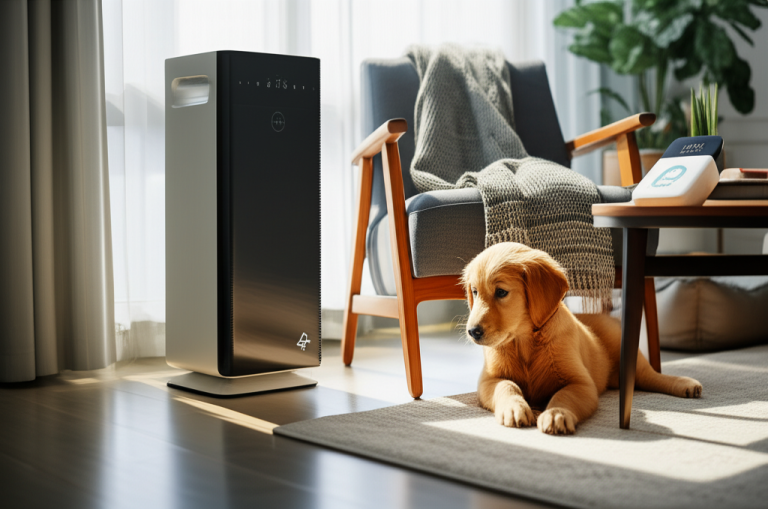
When choosing CARB-certified models, they are generally safe. These models have very low or no ozone emissions. Always monitor your pets for any unusual reactions.
Q3: How often do I need to clean an ionic air purifier?
Cleaning frequency depends on your environment. Typically, you should clean the ionizer and collection plates every 2-4 weeks. Check your user manual for specific recommendations.
Q4: Can an ionic air purifier help with allergies?
Yes, by removing airborne allergens like pollen, dust mites, and pet dander, ionic air purifiers can significantly help reduce allergy symptoms.
Q5: What is the difference between an ionic purifier and a HEPA purifier?
Ionic purifiers release ions to charge particles, making them fall or stick to a plate. HEPA purifiers use a physical filter to trap particles. Many premium models combine both technologies.
Q6: How much electricity do these purifiers use?
Premium models are often designed for energy efficiency. Usage varies by model and fan speed, but they are generally comparable to a small appliance. Look for Energy Star ratings.
Conclusion: Your Investment in a Healthier Home
Investing in premium ionic air purifiers for larger spaces is a smart move for anyone serious about indoor air quality. These advanced machines tackle the unique challenges of big areas, providing a breath of fresh air throughout your home. By understanding the technology and looking for key features like high CADR and CARB certification, you can make an informed choice.
Choosing the right purifier means less dust, fewer allergens, and a generally healthier environment for you and your family. It’s an essential step towards creating a comfortable and clean living space. Start exploring the options today and experience the difference clean air can make.