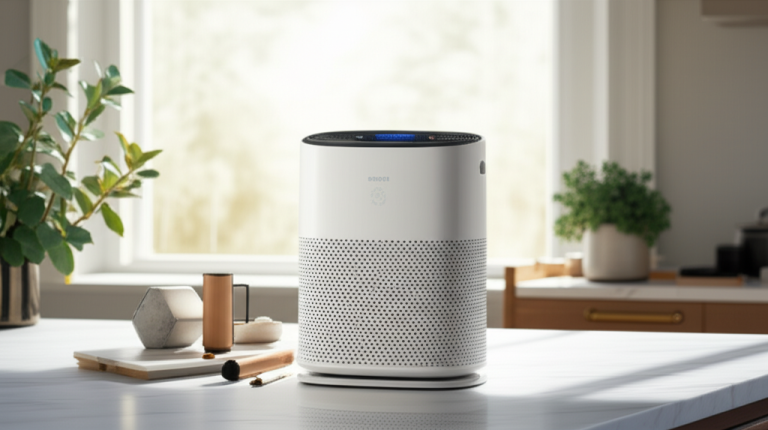
Powered Air Purifier: Essential Guide For Cleaner Classrooms

A powered air purifier is a crucial tool for creating healthier, cleaner classrooms, removing airborne pollutants and allergens to support student and teacher well-being.
The air in our classrooms can be surprisingly dirty. Tiny particles like dust, pollen, and even germs can float around. This can make it hard for students to concentrate and can lead to more sniffles and coughs. But what if there was a simple way to make classroom air much cleaner and safer? A powered air purifier might be just the solution we need. It’s like a special fan that cleans the air, helping everyone breathe easier. Let’s explore how a powered air purifier can transform your classroom environment.
Why Cleaner Classroom Air Matters
Clean air is vital for learning. When students breathe in cleaner air, they can focus better. They may also get sick less often. This means fewer missed school days for everyone. Poor air quality can lead to headaches and fatigue. It can also make allergies and asthma worse. A powered air purifier helps tackle these issues head-on.
Understanding How a Powered Air Purifier Works
A powered air purifier uses a fan to pull air through filters. These filters trap particles like dust, pollen, and pet dander. Some advanced purifiers also capture smaller things like smoke and even some germs. The clean air is then sent back into the room. It’s a continuous cycle of cleaning that improves the overall air quality. Think of it as a silent helper working all day to keep the air fresh.
Key Components of a Powered Air Purifier
Fan: This motor draws air into the unit. It also pushes the cleaned air back out.
Pre-filter: Catches larger particles like hair and dust bunnies. This protects the main filters.
HEPA Filter: This is the most important part. It traps at least 99.97% of particles 0.3 microns in size. This includes most allergens and bacteria.
Activated Carbon Filter: This filter absorbs odors and gases. It removes smells from food, pets, or chemicals.
Casing: The outer shell that holds all the components together.
Benefits of Powered Air Purifiers in Schools
Schools can see many positive changes with a powered air purifier. Student health is a big one. Fewer sick days mean more consistent learning. Teachers also benefit from better air. Improved air quality can lead to increased concentration and better cognitive function for students. This makes the classroom a more productive and pleasant place to be.
Reducing the Spread of Airborne Illnesses
Classrooms are often crowded spaces. This makes them breeding grounds for germs. A powered air purifier with a HEPA filter can capture many airborne viruses and bacteria. This can help slow down the spread of common colds and flu. Studies suggest that air filtration can play a role in reducing transmission. For instance, research has shown that HEPA filters can significantly reduce airborne particles.
Alleviating Allergy and Asthma Symptoms
Many students suffer from allergies or asthma. Pollen, dust mites, and mold spores in the air can trigger symptoms. A powered air purifier removes these triggers. This can lead to fewer asthma attacks and less severe allergy symptoms. Students can then breathe more easily and participate more fully in class.
Improving Focus and Cognitive Function
When the air is clean, students can think more clearly. Poor air quality can cause fatigue and difficulty concentrating. By removing pollutants, a powered air purifier helps create an environment conducive to learning. This can lead to better academic performance and engagement.
Types of Filters in Powered Air Purifiers
The type of filter in a powered air purifier determines what it can clean. Most good purifiers use a multi-stage filtration system. This ensures thorough cleaning of the air. Understanding these filters helps you choose the right unit for your classroom.
HEPA Filters: The Gold Standard
HEPA stands for High-Efficiency Particulate Air. A true HEPA filter is certified to capture 99.97% of particles that are 0.3 microns in size. This includes very small particles like dust, pollen, mold spores, and some bacteria. For classrooms, a HEPA filter is essential for removing common allergens and irritants.
Activated Carbon Filters: Tackling Odors and Gases
Activated carbon filters are made from charcoal that has been treated to be very porous. This makes it excellent at absorbing gases, odors, and volatile organic compounds (VOCs). VOCs can come from cleaning supplies, furniture, or even student activities. A carbon filter helps keep the classroom smelling fresh and free from chemical odors.
Pre-filters: The First Line of Defense
A pre-filter is usually a mesh screen. It’s the first filter the air passes through. Its job is to catch larger particles like hair, lint, and large dust clumps. This helps to extend the life of the more expensive HEPA and carbon filters. It’s easy to clean and should be checked regularly.
Choosing the Right Powered Air Purifier for Your Classroom
Selecting the best powered air purifier for a classroom involves considering several factors. The size of the room is very important. You also need to think about noise levels and ease of maintenance. Safety is also a key concern for school environments.
Room Size and CADR Rating
The Clean Air Delivery Rate (CADR) measures how quickly an air purifier can clean a room. Higher CADR numbers mean faster cleaning. You need a unit with a CADR appropriate for your classroom size. A general rule is to choose a purifier that can clean the room’s volume at least 4-5 times per hour. Manufacturers usually provide recommended room sizes for their units.
Noise Levels (Decibels)
Classrooms need to be quiet for learning. An air purifier that is too loud can be distracting. Look for units with low decibel (dB) ratings, especially on their lower settings. Many purifiers offer a “sleep mode” or low setting that is very quiet. Check reviews for real-world noise level feedback.
Filter Replacement and Maintenance Costs
Air purifiers require regular filter changes. This is an ongoing cost to consider. HEPA filters typically need replacing every 6-12 months. Carbon filters may need replacing more often. Check the cost and availability of replacement filters before buying a unit. Easy access to filters simplifies maintenance.
Safety Features
For a classroom, safety is paramount. Look for units with features like:
Tip-over switch: Shuts off the unit if it falls over.
Child lock: Prevents young children from changing settings.
No ozone production: Some older or cheaper models can produce ozone, which is harmful to breathe. Ensure the unit is certified as ozone-free.
Top Powered Air Purifier Features to Look For
When you’re looking at different models, some features can make a big difference. These extras can enhance the effectiveness and convenience of your powered air purifier. Consider what will best suit your classroom’s needs.
Smart Features and App Control
Some modern powered air purifiers come with smart capabilities. You can often control them using a smartphone app. This allows you to adjust settings remotely, set schedules, and monitor air quality. Some apps can even alert you when filters need changing. These features add convenience for busy teachers.
Air Quality Sensors and Auto Mode
Units with built-in air quality sensors can detect the level of pollutants in the air. They can then automatically adjust the fan speed. If the air quality drops, the purifier will work harder. When the air is clean, it will run at a lower, quieter speed. This “auto mode” is efficient and convenient.
Coverage Area and Multi-Stage Filtration
Always check the recommended coverage area for the purifier. Ensure it’s suitable for your classroom size. Multi-stage filtration, combining pre-filters, HEPA, and carbon filters, offers the most comprehensive air cleaning. This ensures a wide range of pollutants are captured.
Real-World Impact: Case Studies and Testimonials
Hearing about actual experiences can be very helpful. Many schools have seen positive results from using air purifiers. These real-life examples show the practical benefits.
Schools Implementing Air Purification
Several school districts have invested in air purification systems. For example, some studies in educational settings have shown improvements in student attendance after installing air filtration. One report from a research journal noted a decrease in absenteeism related to respiratory issues. This highlights the potential health benefits for students.
Teacher and Parent Feedback
Teachers often report that students seem more alert and less prone to minor illnesses when air purifiers are in use. Parents also appreciate the efforts made to create a healthier learning environment. A parent might say, “I’ve noticed my child has fewer allergy flare-ups since the school installed these units.” Such feedback reinforces the value of these devices.
Setting Up and Maintaining Your Classroom Air Purifier
Proper setup and regular maintenance are key to getting the most from your powered air purifier. A little effort goes a long way in ensuring it works effectively.
Initial Setup Steps
1. Unpack the unit carefully. Remove all protective packaging.
2. Install the filters. Make sure they are correctly placed according to the manufacturer’s instructions. Often, filters are wrapped in plastic that needs to be removed.
3. Place the purifier in the room. Position it away from walls or furniture that could block airflow. A central location is often best.
4. Plug it in and turn it on. Start with a lower fan speed to get used to the noise level.
Routine Maintenance Schedule
Weekly: Check the pre-filter for dust and debris. Clean or vacuum it as needed.
Monthly: Wipe down the exterior of the unit with a damp cloth. Check that air vents are clear.
* Every 6-12 Months: Replace the HEPA and activated carbon filters. Follow the manufacturer’s recommendations for filter life.
Frequently Asked Questions About Powered Air Purifiers in Classrooms
What is a powered air purifier?
A powered air purifier is an electronic device that uses a fan to draw in room air and pass it through a series of filters. It then releases cleaner air back into the room, removing pollutants like dust, pollen, and allergens.
How often should I run a powered air purifier in a classroom?
It’s generally recommended to run a powered air purifier continuously during school hours. For maximum benefit, especially during cold and flu season, running it 24/7 can be even more effective.
How do I know if a powered air purifier is working effectively?
You can often tell if it’s working by noticing reduced dust buildup, fewer odors, and if students and staff report fewer allergy or breathing issues. Many units also have indicator lights or air quality sensors that show the current air quality level.
Can a powered air purifier completely eliminate germs?
No single device can completely eliminate all germs. However, a powered air purifier with a HEPA filter can significantly reduce the number of airborne bacteria and viruses, helping to lower the risk of transmission.
Are powered air purifiers noisy?
Noise levels vary by model. Many modern units are designed to be quiet, especially on lower fan settings. Look for models with low decibel ratings if noise is a concern for your classroom.
How do I choose the right size powered air purifier for my classroom?
Consider the square footage of your classroom. Check the manufacturer’s specifications for the recommended room size and CADR (Clean Air Delivery Rate). Ensure the unit is powerful enough to clean the air in your specific space.
Do I need a powered air purifier if my school has good ventilation?
While good ventilation is important, it doesn’t always remove all airborne particles. A powered air purifier provides an extra layer of protection by actively filtering the air within the room, capturing pollutants that ventilation might miss.
Conclusion: Breathing Easier for Better Learning
Investing in a powered air purifier for your classroom is a proactive step towards a healthier learning environment. It’s a practical solution that can reduce illness, alleviate allergy symptoms, and even help students concentrate better. By understanding how these devices work and choosing the right model, you can significantly improve the air quality for everyone. A powered air purifier is more than just an appliance; it’s a commitment to the well-being and academic success of your students. Make the choice for cleaner air today.