Personal Travel Air Purifier: Your Essential Travel Companion

Your personal travel air purifier is a compact device that cleans the air you breathe on the go, protecting you from allergens, pollutants, and germs in hotels, planes, and cars.
The air we breathe when traveling can be surprisingly dirty. From airplane cabins to hotel rooms, you’re often exposed to dust, allergens, and even viruses. This can ruin your trip and make you feel unwell. But what if you could have a bubble of clean air wherever you go? A personal travel air purifier acts like your own tiny guardian, making every breath fresher and safer. I’ve explored many options, and finding the right one can make a world of difference.
Why a Personal Travel Air Purifier is a Must-Have
Think about the last time you traveled. Did you worry about the air quality in your hotel room or on the plane? Many travelers do. Studies show that indoor air can be much more polluted than outdoor air, and travel environments are no exception. A personal travel air purifier gives you control over the air you inhale. It’s a simple yet powerful tool for a healthier journey.
The Hidden Dangers in Travel Air
Airports, trains, and hotel rooms can harbor invisible threats. These include dust mites, pet dander, mold spores, and airborne viruses. Even strong perfumes or cleaning chemicals can irritate your respiratory system. These tiny particles can trigger allergies, asthma, or simply make you feel uncomfortable and tired. Investing in a personal travel air purifier is like bringing your own clean air system with you.
How a Personal Travel Air Purifier Works
These devices use filters to trap airborne particles. Most have a fan that pulls air in. This air then passes through one or more filters. The filters catch things like dust, pollen, smoke, and bacteria. Finally, cleaner air is released back into your personal space. Some advanced models also use UV-C light or ionizers to kill germs or remove odors. Understanding this process helps you choose the best one for your needs.
Key Features to Look For in a Personal Travel Air Purifier
When shopping for a personal travel air purifier, several features matter. You want something effective, portable, and easy to use. Think about the size, weight, and how it cleans the air. These factors will determine how well it suits your travel style.
Portability and Size
Your personal travel air purifier needs to be small enough to pack easily. Look for lightweight models that fit in your carry-on bag. Some are designed to sit on a desk or nightstand. Others can even be worn around your neck. The best ones are compact but still powerful enough to clean a decent amount of air.
Filtration Technology
The heart of any air purifier is its filter. HEPA (High-Efficiency Particulate Air) filters are the gold standard. They can trap at least 99.97% of particles 0.3 microns in size. This includes dust, pollen, pet dander, and mold spores. Some purifiers use activated carbon filters too. These are great for removing odors and gases like smoke or VOCs.
Noise Level
You don’t want your air purifier to disturb your sleep or concentration. Check the decibel (dB) rating of the device. Lower numbers mean quieter operation. Many travel air purifiers are designed to run very quietly, often below 30 dB on their lowest setting. This is quieter than a whisper.
Power Source and Battery Life
Most personal travel air purifiers can be powered via USB. This is convenient for charging with a power bank or laptop. Some have built-in rechargeable batteries. Check the battery life if you plan to use it away from power outlets for extended periods. A good battery can last for several hours.
Coverage Area
While these are personal devices, they still have a limited range. They are designed to clean the air in your immediate vicinity. This is usually a few feet around the unit. Consider the size of the space you’ll typically be in, like a hotel nightstand or a car interior.
Top Personal Travel Air Purifier Options
The market offers various personal travel air purifiers. Each has unique strengths. Here are a few popular types and what makes them stand out.
Compact Desktop Models
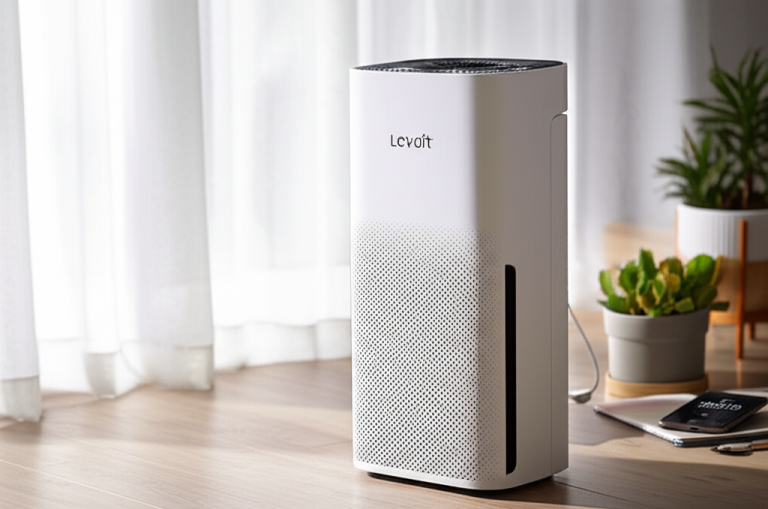
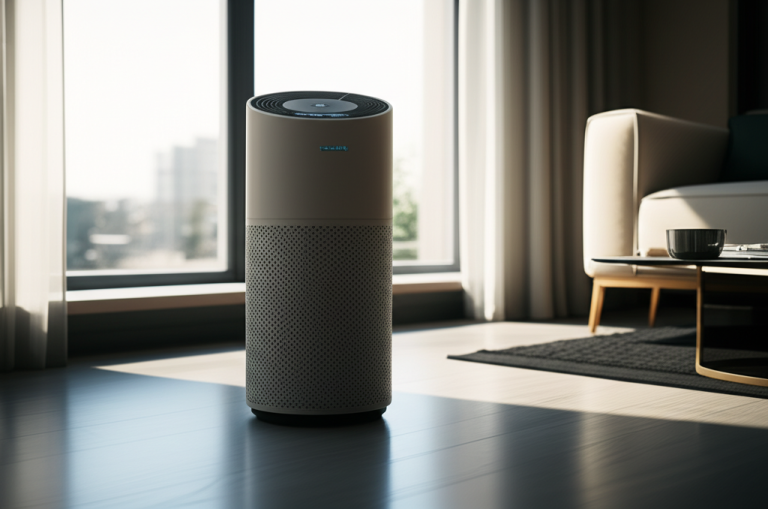
These are small, often cylindrical or square, units. They sit on a surface and create a zone of clean air. They are ideal for hotel rooms or office desks. Their size makes them easy to pack.
Wearable Air Purifiers
These are designed to be worn around the neck. They release purified air directly towards your face. They are perfect for situations where you need constant protection, like on crowded flights.
Car Air Purifiers
Some purifiers are specifically designed for car use. They often plug into the car’s cigarette lighter. They help remove odors from smoke, food, or pets. They also clean the air during your commute.
Personal Air Purifier Brands to Consider
Brand A: Known for its sleek design and effective HEPA filtration.
Brand B: Offers long battery life and quiet operation, great for overnight use.
* Brand C: Features a unique wearable design for continuous personal protection.
Using Your Personal Travel Air Purifier Effectively
Once you have your personal travel air purifier, knowing how to use it maximizes its benefits. Proper placement and maintenance are key. Simple steps can make a big difference in air quality.
Placement for Maximum Benefit
For best results, place your personal travel air purifier close to you. On a nightstand beside your bed is ideal for sleeping. In a car, position it so it blows air towards you. Avoid placing it too far away or behind obstacles. This ensures the purified air reaches your breathing zone.
When to Turn It On
You can run your personal travel air purifier whenever you feel the need for cleaner air. This includes during flights, in hotel rooms, or even in your car. It’s especially helpful in crowded or poorly ventilated spaces. Using it overnight can ensure you wake up feeling refreshed.
Filter Maintenance and Replacement
Filters need to be cleaned or replaced regularly. Check the manufacturer’s instructions. Some filters can be washed, while others need to be swapped out. Clogged filters reduce the purifier’s effectiveness. Keeping them clean ensures optimal performance. This is a crucial part of maintaining your device.
Benefits Beyond Allergy Relief
A personal travel air purifier offers more than just relief for allergy sufferers. It can improve your overall travel experience. Cleaner air can lead to better sleep and more energy.
Improved Sleep Quality
Breathing cleaner air can help you sleep better. Reduced exposure to allergens and pollutants means less irritation for your airways. This can lead to deeper, more restful sleep. You’ll feel more rested and ready to explore your destination.
Reduced Risk of Illness
While not a medical device, a personal travel air purifier can help reduce your exposure to airborne germs. By filtering out bacteria and viruses, it offers an extra layer of protection. This is especially valuable during cold and flu season.
Enhanced Comfort and Well-being
Simply breathing fresh, clean air can make you feel better. It can reduce headaches, fatigue, and general discomfort. This is especially true in environments with strong odors or poor ventilation. It contributes to a more pleasant travel experience.
Personal Travel Air Purifier vs. Other Air Cleaning Methods
It’s helpful to understand how a personal travel air purifier compares to other air cleaning options. Each has its place.
| Method | Pros | Cons | Best For |
| :——————— | :—————————————————————- | :——————————————————————— | :————————————————– |
| Personal Air Purifier | Portable, targeted clean air, easy to use. | Limited coverage area, requires filter maintenance, needs power. | Individual protection in small spaces (hotel, car). |
| Room Air Purifier | Cleans larger areas, more powerful filtration. | Not portable, requires more space, often louder. | Home or office spaces. |
| Ventilation | Natural and free, brings in fresh air. | Dependent on outside air quality, can be drafty, not always possible. | Open spaces or when outside air is clean. |
| Air Fresheners | Masks odors, pleasant scents. | Do not remove pollutants, can cause irritation, temporary effect. | Temporary odor masking. |
This table shows that a personal travel air purifier fills a specific need for on-the-go protection. It is not meant to replace larger purifiers for whole rooms.
Real-World Experiences with Personal Travel Air Purifiers
Many travelers have found personal travel air purifiers to be a game-changer. Their feedback often highlights improved comfort and fewer allergy symptoms.
One traveler, Sarah, shared, “I used to suffer from terrible allergies every time I stayed in a hotel. Since I started using my personal travel air purifier, my trips have been so much more enjoyable. I sleep better and don’t wake up with a stuffy nose.”
Another user, Mark, mentioned, “On a long flight, the air felt so stale. My little portable purifier made a noticeable difference. I felt less tired and more comfortable. It’s now a permanent part of my travel kit.” These stories show the practical benefits.
Frequently Asked Questions About Personal Travel Air Purifiers
What is a personal travel air purifier?
A personal travel air purifier is a small, portable device designed to clean the air in your immediate personal space. It uses filters to remove allergens, pollutants, and odors from the air you breathe while traveling.
Are personal travel air purifiers effective?
Yes, when used correctly in a small space, they can be effective. They help reduce exposure to airborne irritants like dust, pollen, and smoke. Their effectiveness depends on the filter quality and how close you are to the device.
Can a personal travel air purifier kill viruses?
Some advanced models with UV-C light or specific ionizers might help neutralize viruses. However, HEPA filters primarily trap particles, including virus-carrying droplets. They are not a substitute for good hygiene practices like handwashing.
How often do I need to replace the filters?
Filter replacement frequency varies by model and usage. Most manufacturers recommend replacing filters every 3–6 months. Always check your device’s manual for specific guidelines. Regular replacement ensures optimal performance.
Are personal travel air purifiers noisy?
Most personal travel air purifiers are designed to be quiet. They typically operate at low decibel levels, often below 30 dB on their lowest setting. This makes them suitable for use while sleeping or working.
Do they require electricity?
Many personal travel air purifiers can be powered by USB, making them easy to charge with a power bank or laptop. Some models also have built-in rechargeable batteries for cordless operation.
Are they worth the cost?
For frequent travelers, especially those with allergies or respiratory sensitivities, they can be very worthwhile. The improved comfort, better sleep, and reduced exposure to irritants often justify the cost.
Conclusion: Breathe Easier on Your Next Adventure
Your personal travel air purifier is more than just a gadget; it’s an investment in your health and comfort while traveling. It empowers you to take control of your immediate environment, no matter where your journey leads. From the stale air of an airplane cabin to the unfamiliar scents of a hotel room, this compact companion ensures you can breathe easier and enjoy your travels more fully. I’ve found mine indispensable for a healthier and more pleasant trip.
Ready to upgrade your travel experience? Consider adding a personal travel air purifier to your packing list. It’s a simple step that can make a big difference.